Rare Pink Dolphins Have Been Spotted As They Return To Their Original Home In Hong Kong Waters

Rare pink dolphins are making a noticeable comeback in Hong Kong waters, and the timing has caught plenty of attention. With marine traffic down during the pandemic, these Indo-Pacific humpback dolphins have been seen more often near the city, where they were once a familiar sight.
The sightings matter because these dolphins are among the rarest on the planet, and their return hints at a changing environment in the Pearl River Estuary. Conservation groups estimate that about 2,500 live in the area, making every appearance feel like a small win for the region's marine life.
Now the question is whether this return is a temporary break or the start of something bigger.
Here is one of the pink river dolphins
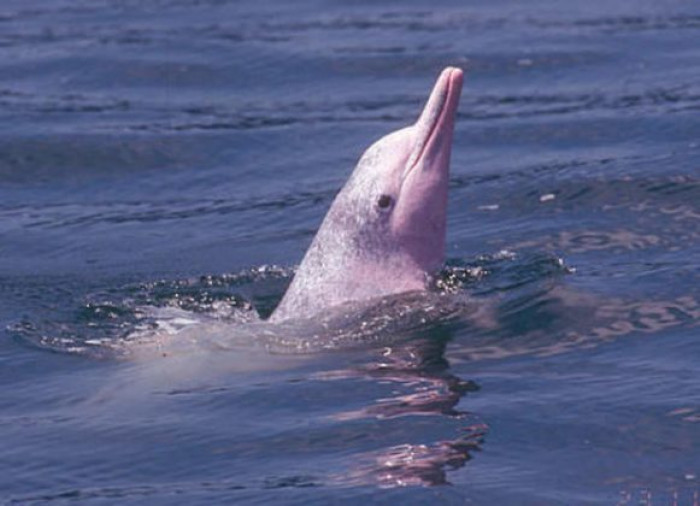
The recent sightings of rare pink dolphins returning to Hong Kong waters mark a significant and heartening shift in their behavior. Observations indicate that these dolphins are now spending increased time socializing and engaging in playful activities at the surface. This transformation is not just a fleeting moment but a profound sign of their adaptation and resilience in their original habitat. Witnessing these dolphins reveling in their surroundings offers a glimpse into the recovery of a species deeply connected to the region's marine ecosystem.
This pink river dolphin is really cute
The pink river dolphins have an unmistakable dolphin smile, and their foreheads are round with long, slender beaks. The river dolphin has a long nose that can reach up to 23 inches, which is four times longer than the sea dolphin’s nose, and they can swim with extraordinary accuracy.
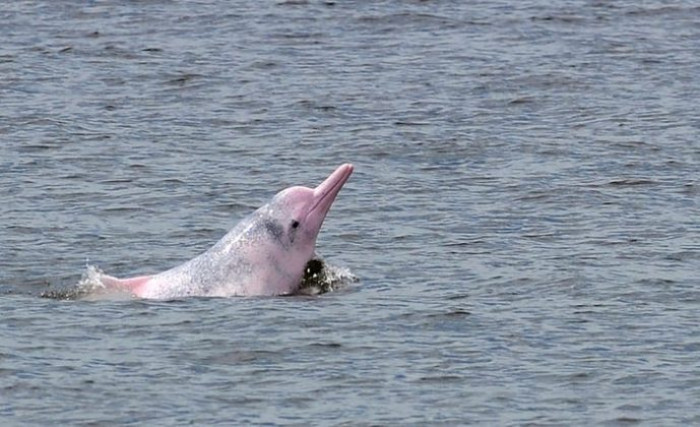
Other river dolphin species exhibit sexual dimorphism, where females are larger than males, but the opposite is true for the Amazon river dolphins. Since river dolphins are incredibly flexible, they can maneuver around tree trunks, rocks, and other obstacles.
They can also swim forward using one flipper while the other flipper paddles in reverse. This swimming strategy allows them to make difficult maneuvers, and they also prefer to swim in an upside-down position.
And for the more mysterious side of dolphin behavior, check the “meal planning” mastery caught in awesome ocean camera footage.
Nonetheless, despite various ongoing challenges, the World Wide Fund states that the numbers of pink dolphins have rapidly decreased over the years due to pollution, overfishing, and significant marine traffic.
Have you ever seen a dolphin socializing or displaying before? Tell us what the experience was like in the comments section below!
After that pink-dolphin encounter, see how a dolphin led to a miraculous moment.
Share this article: