
Salmon Return Home After Historic Dam Removal Transforms Klamath River

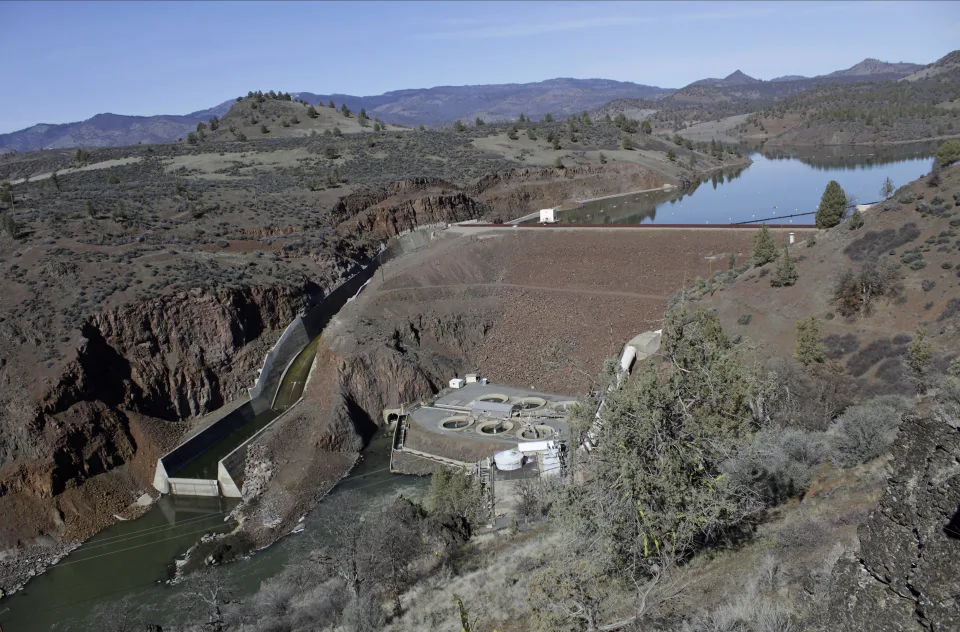
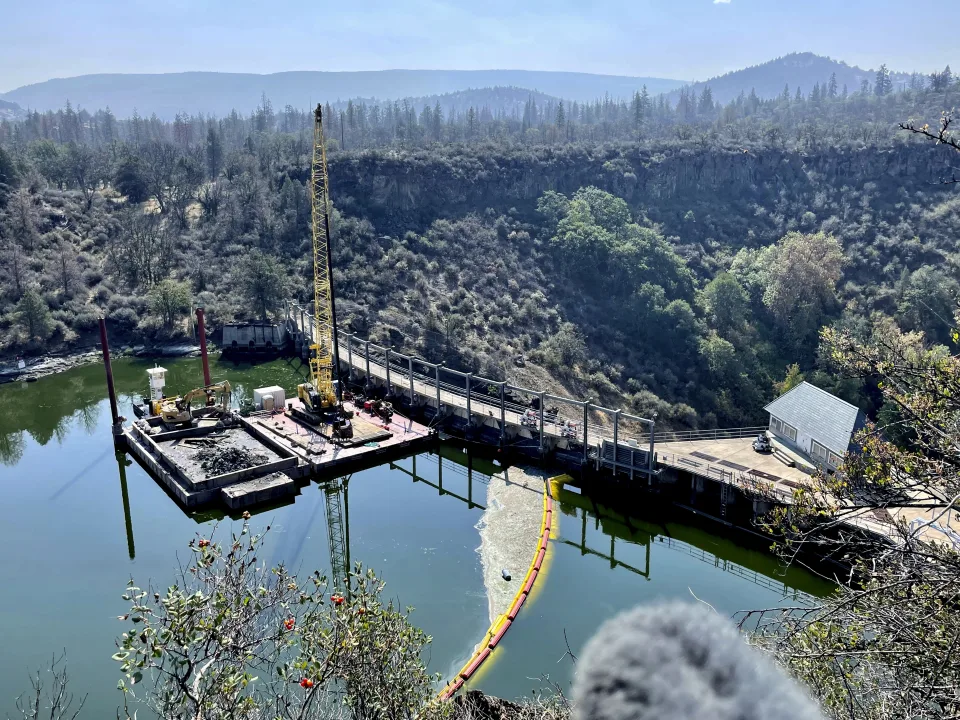
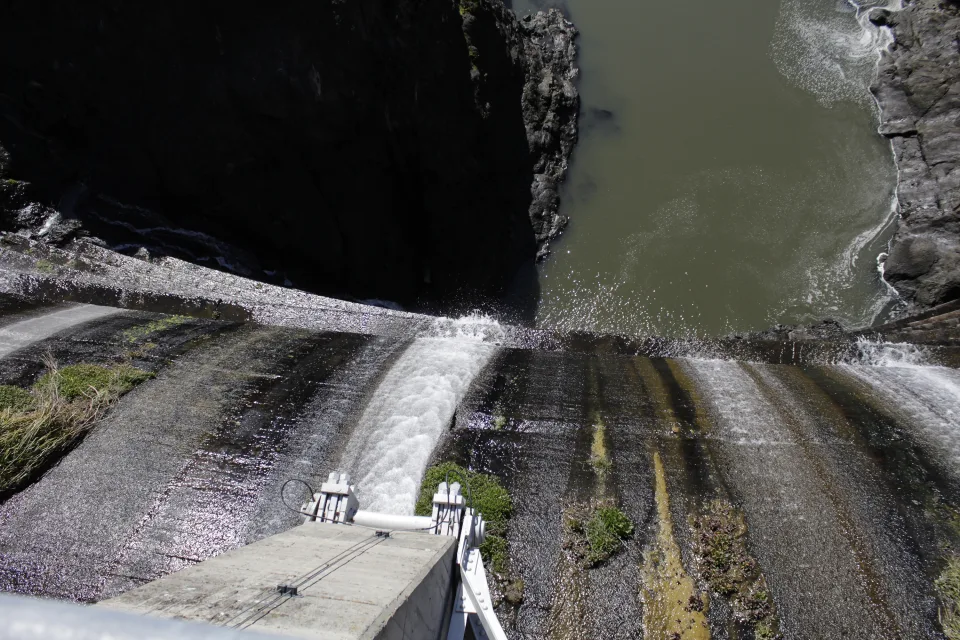
Salmon used to treat the Klamath River like a home address, then four hydroelectric dams turned it into a locked gate. The Iron Gate and Copco dams, built between 1918 and 1962, didn’t just block migration, they changed the whole river rhythm, leaving Chinook salmon with fewer places to spawn and a food chain that started to unravel.
This is where the story gets messy, because the dams were built to power up to 70,000 homes, and the damage came with side effects, stagnant reservoirs, harmful algae blooms, and water quality that couldn’t support what the river used to. Meanwhile, the Yurok and Karuk tribes, whose lives and traditions are tied to those salmon, kept pushing, protesting, testifying, and digging into the evidence for years.
After more than a century of being cut off, the salmon’s return is the payoff, and it’s also proof that the river can still fight back.
The Journey of Salmon: Navigators of Nature
Salmon are remarkable creatures, known for their epic migrations that span thousands of miles. From the Pacific Ocean to the cool mountain streams of their birthplace, Chinook salmon return to spawn and complete their life cycle.
However, their path was blocked for over a century by four hydroelectric dams on the Klamath River, including the Iron Gate and Copco dams. These structures not only obstructed migration but also degraded water quality, creating conditions that devastated salmon populations and disrupted ecosystems.
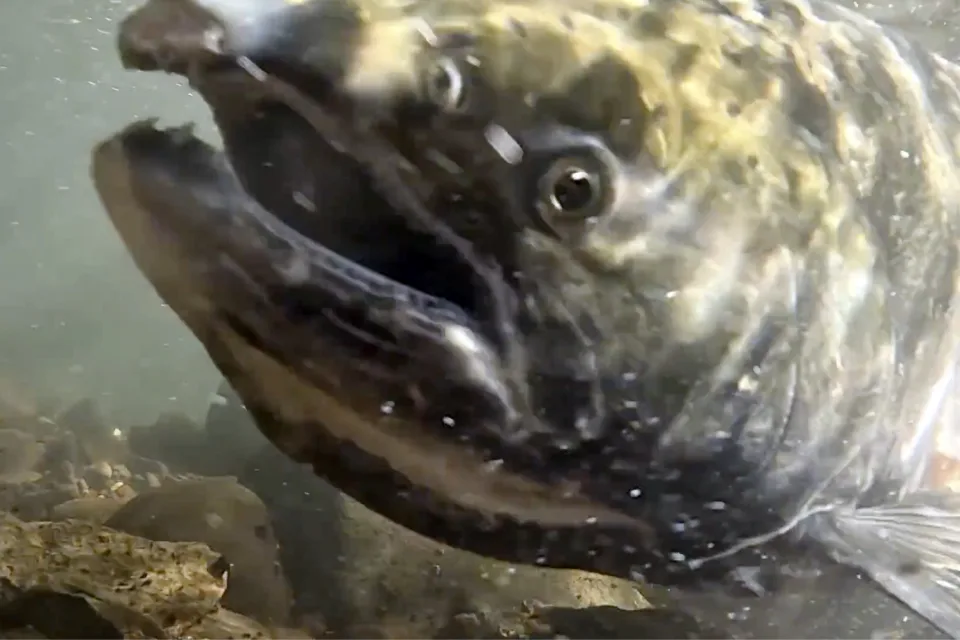
Built between 1918 and 1962, the dams were designed to generate electricity, powering up to 70,000 homes. However, their benefits came at a high cost.
The stagnant reservoirs created by the dams fostered harmful algae blooms, further reducing water quality and threatening aquatic life. The Chinook salmon, a keystone species on the West Coast, saw their numbers dwindle as their historic spawning grounds became inaccessible.
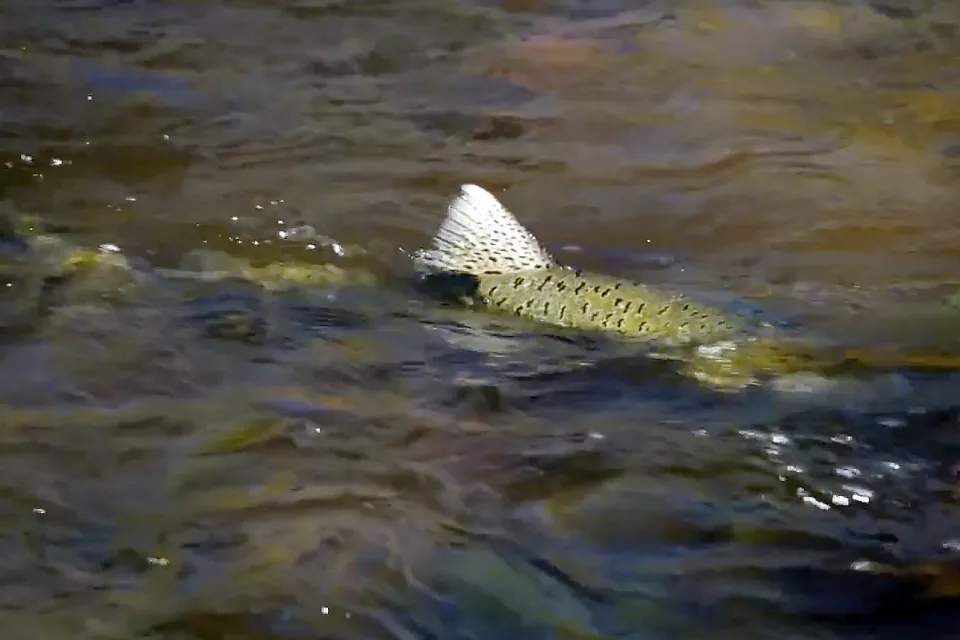
Tribal Communities Lead the Fight
Indigenous tribes like the Yurok and Karuk, whose cultures are deeply intertwined with the river and its salmon, led the charge to remove the dams. For decades, they protested, testified in court, and conducted environmental studies to demonstrate the devastating impact of the dams.
Their advocacy highlighted how the loss of salmon wasn’t just an ecological crisis but a cultural and spiritual one for their communities.
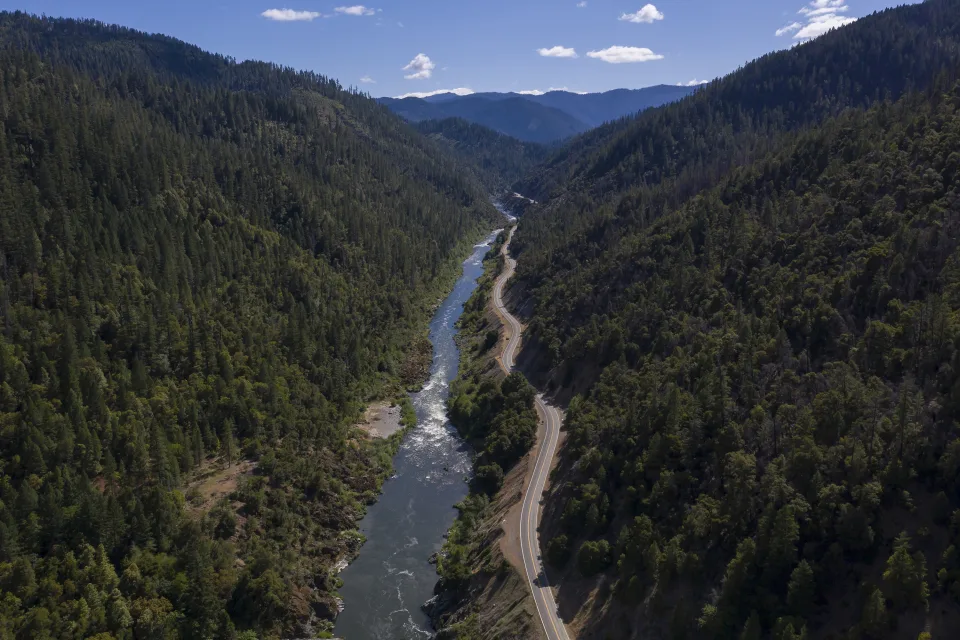
When the reservoirs behind the Iron Gate and Copco dams started fueling algae blooms, the Yurok and Karuk weren’t just watching nature struggle, they were living with the consequences.</p>
Ecological Restoration Insights
McDonald also advocates for ongoing monitoring and community engagement in such projects. This ensures that restoration efforts align with local needs and encourages sustainable practices, allowing for a more profound ecological impact.
Even with the dams generating electricity for up to 70,000 homes, the Chinook salmon couldn’t get past the barriers, and the whole ecosystem began to feel the knock-on effects.</p>
Cultural Significance and Sustainability
To strengthen this bond, Quinn recommends integrating traditional ecological knowledge into modern conservation efforts.
And if you thought salmon drama was intense, check out the “doom fish” that washed up on a California shore, where locals were scared and fascinated.
The Largest Dam Removal Project in U.S. History
After years of effort, the dam removal project began, marking a historic moment in October 2024. The removal opened over 400 miles of waterways along the Oregon-California border. The immediate effects were astounding: water temperatures in October were 14°F cooler than in previous years, creating a healthier habitat for salmon.
Experts observed 115 salmon in Spencer Creek, a tributary that had been inaccessible for generations.
A River Reborn: Beyond Salmon
The Klamath River’s revival isn’t just about salmon. It supports a cascade of biodiversity, from smaller fish to apex predators like bears and eagles.
The removal also strengthens tribal traditions, restoring a way of life tied to the river’s natural rhythms. The project demonstrates how dismantling outdated infrastructure can rejuvenate entire ecosystems.
A Model for Restoration and Sustainability
The success of the Klamath River project offers a powerful blueprint for addressing ecological challenges globally. It shows that with persistence, collaboration, and a commitment to sustainability, human impact on the environment can be reversed.
By removing the dams, stakeholders created a model for rethinking how infrastructure and natural ecosystems can coexist.
That’s when years of tribal protests and court testimony began to land harder than the concrete, because the loss of salmon also meant the loss of cultural and spiritual connections.</p>
Environmentalists argue that the Klamath River's revival is not just a local victory but also a global precedent. This project could inspire similar initiatives worldwide.
By investing in ecological restoration, communities can experience improved water quality and increased biodiversity. Talberth encourages local governments to adopt policies that prioritize sustainable water management and leverage community resources for ongoing environmental stewardship.
The Klamath River’s journey from obstruction to renewal is a testament to resilience—of nature, of salmon, and of people fighting for harmony. Share this story and join the celebration of what’s possible when rivers and communities are set free.
The transformation of the Klamath River following the removal of the hydroelectric dams highlights the significant benefits of ecological restoration. The article illustrates how the return of salmon to their historic spawning grounds signals not only a revival of the local ecosystem but also a revival of Indigenous cultural practices that had long been sidelined. This restoration is a testament to the power of collaborative efforts that fuse scientific insight with traditional ecological knowledge, ultimately creating a more sustainable future for both the environment and local communities.
Moreover, the necessity for ongoing monitoring and community engagement is underscored as essential for the river's health. The Klamath River's revitalization serves as a powerful reminder of nature's resilience when given the opportunity to heal. With continued thoughtful stewardship, there is hope for a harmonious coexistence that benefits both people and the environment.
The salmon finally get their route back, and everyone else has to decide if they’ll let the river heal.
After seeing a giant snapping turtle thrive in a once-toxic Chicago River, you’ll love this too.
Share this article:





