Strangers Save Wild Horse Stuck in 6-Foot Deep Swamp

Strangers don’t usually stop for roadside drama, but this wild horse rescue in Alberta turned into a full-on mud-and-ice emergency that demanded every pair of hands nearby.
The horse was stuck in a swamp so deep it was basically a trap, over 75% covered in mud, with ice making everything slick and harder to move. And the complication wasn’t just the terrain, it was the sheer risk of getting the animal out without hurting it, or getting stuck themselves.
It’s the kind of rescue where teamwork matters, and this one shows exactly why community involvement can save a life when the landscape refuses to cooperate.
The poor animal is over 75% covered in mud and surrounded by ice.

Despite the challenges, the kindhearted strangers teamed up and used different techniques to finally free the wild horse.
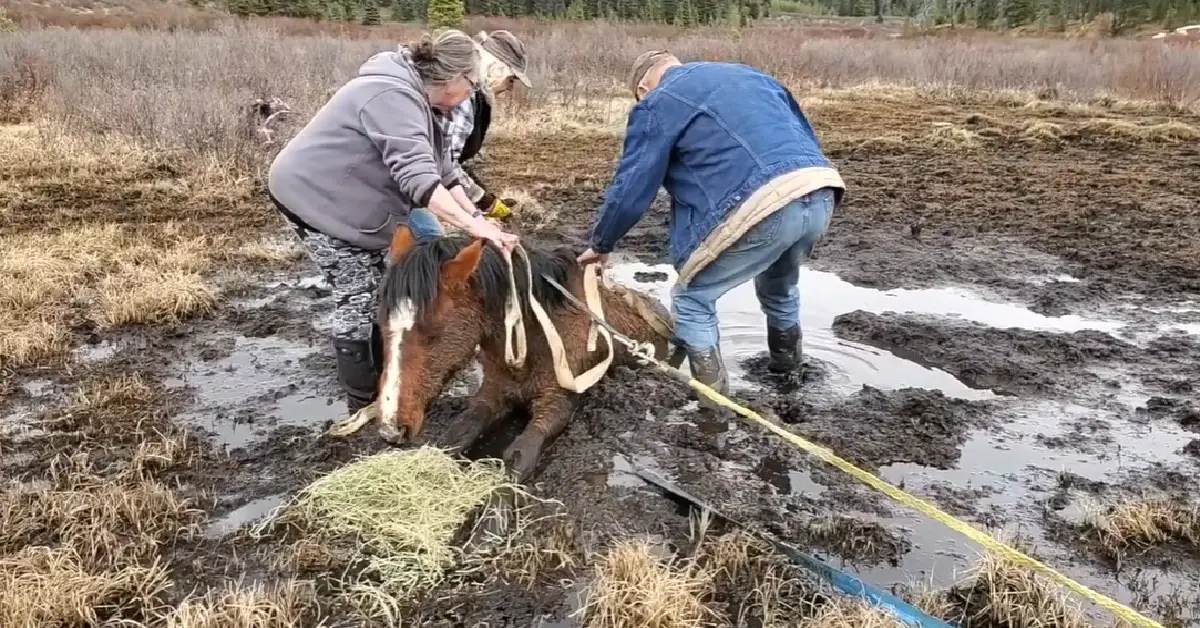
The moment those kindhearted strangers realized the horse was buried up to its chest in six-foot swamp water, they stopped trying one method and started rotating techniques fast.
The free-roaming wild horses of the Eastern Slopes in Alberta, Canada, are breathtaking. These horses, often seen in the rugged terrain of the Rocky Mountains, have roamed these lands for centuries.
Their origins are somewhat mysterious, with theories suggesting they descend from escaped or released domestic horses over the years. Today, they are considered "feral," having reverted to a wild state from their domesticated ancestors.
The presence of wild horses in this region is not without controversy. While many view them as symbols of wildness and natural beauty, others see them as competitors with native wildlife and livestock for limited resources.
The management of wild horse populations has sparked debates among conservationists, ranchers, and government agencies about the best practices for ensuring the ecosystem's sustainability and the horses' welfare.
Efforts to manage their numbers and impact on the environment include roundups and adoption programs. These programs aim to maintain a balance that allows these majestic animals to continue to thrive without causing significant harm to the local biodiversity.
While people worked to free the horse, the whole scene also reminded everyone how wild horses in Alberta can spark tough debates, even when they’re the ones suffering.
The recent rescue of a wild horse from a six-foot deep swamp in Alberta highlights the vital role community involvement plays in wildlife conservation. This incident not only showcases the bravery and compassion of those who came together to save the horse but also serves as a poignant reminder of how collective action can lead to meaningful change in animal welfare. The formation of volunteer groups, similar to the Help Alberta Wildlife Society, is essential. These organizations not only assist animals in distress but also raise awareness about the daily challenges wildlife face in their natural habitats.
Furthermore, this event underscores the importance of educating the public on recognizing and responding to wildlife emergencies. By fostering a community that is informed and engaged, we can create a society that is not just compassionate but proactive in its efforts to protect and conserve wildlife. The heartwarming rescue illustrates that when individuals unite for a common cause, they can truly make a difference in the lives of animals in need.
It’s like the brave rescuers who had to save two horses from a frozen lake.
After being rescued from a deep, muddy hole, a wild horse got a fresh start.
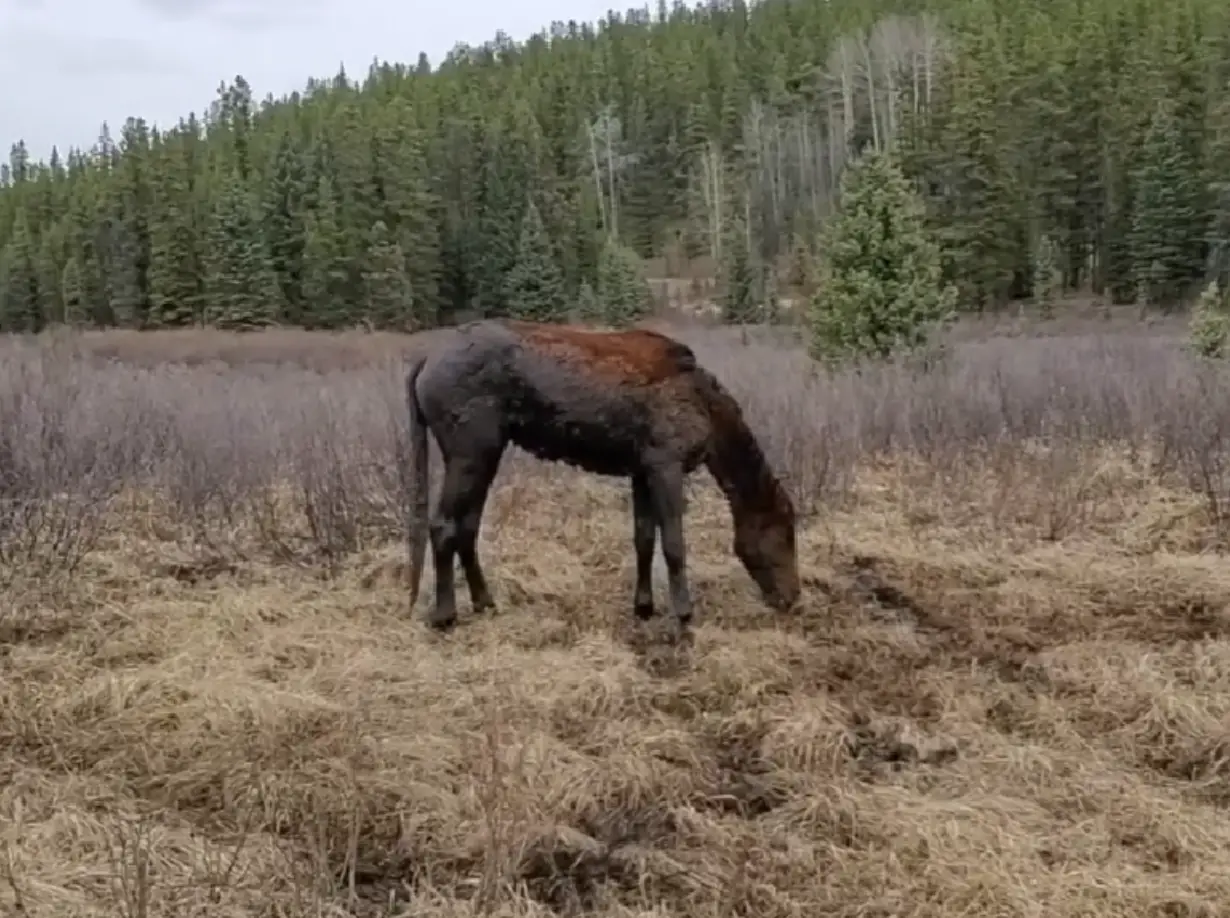
That’s when the Help Alberta Wildlife Society type of volunteer energy kicked in, because this wasn’t a one-off, it was the kind of daily challenge wildlife faces out there.
The recent rescue of a wild horse trapped in a six-foot deep swamp in Alberta highlights the critical role that human intervention can play in wildlife crises. This incident serves as a reminder of the challenges wild horses face due to habitat encroachment and environmental changes. As communities witness such dramatic events, it becomes increasingly important to foster a culture of care for wildlife among residents.
Establishing workshops and educational programs by local organizations could be a proactive step in raising awareness about the protection of native species and their habitats. By engaging communities in wildlife conservation efforts, we can work toward preventing such emergencies from occurring in the future, ensuring that our natural environments remain safe for all creatures.
By the time the horse finally got free, the rescue felt like more than a good deed, it was a loud reminder that collective action can shift what happens next.
The touching story of the wild horse's rescue is a testament to the connection between humans and animals, as well as the crucial role of conservation in safeguarding our environment. It underscores how compassion and teamwork can conquer formidable obstacles.
Cheers to the volunteers of the Help Alberta Wildlife Society, who exemplify kindness and commitment, securing a hopeful future for creatures like the young filly and enabling them to thrive in the wilderness.
The rescue of the wild horse in Alberta serves as a powerful reminder of the role that community involvement plays in wildlife conservation. This event illustrates how active engagement from individuals can lead to meaningful actions that prevent wildlife emergencies. The collective efforts of bystanders who came together to save the horse not only highlight their compassion but also showcase the importance of fostering a sense of responsibility toward our natural world.
Educational initiatives and community workshops can further enhance this connection, empowering people to advocate for wildlife protection. By nurturing empathy and understanding for these majestic creatures, society can work toward creating a safer environment where wildlife can thrive without fear of danger.
That wild horse didn’t just escape the swamp, it escaped the kind of fate that only community effort can prevent.
Want another “thank you” moment, watch how an unaware hero unchained a horse.
Share this article: