Student Gets A Roommate With An 8-Week-Old Untrained Puppy She’s Claiming Is An ESA

Roommate horror stories usually start with noise, mess, or money, and this one has all three. A student says her new roommate moved in with an 8-week-old puppy, then revealed the dog was being treated like an ESA, even though it is far too young to be trained and the apartment is already paying the price.
What makes it messier is that the student cannot easily leave, the lease is still binding, and the shared space is now covered in puppy accidents. Reddit had a lot to say about the situation, especially once the legal and practical questions started piling up.
Here is how the story unfolded, and why so many people thought the roommate had gone too far.
OP says:

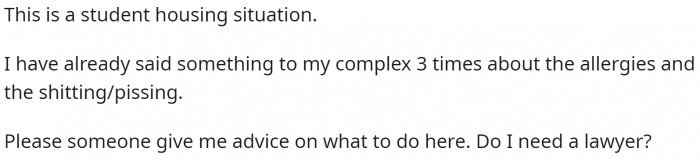
She moved in with a roommate who failed to inform her of her ESA

OP has allergies and asks if she can do something about this situation
The concept of Emotional Support Animals (ESAs) often raises questions about the responsibilities that come with pet ownership. Many people may not realize that owning an ESA is not just about companionship but also involves a commitment to training and care. The psychological benefits of having an ESA can be profound, but they require responsible ownership to be effective.
Studies have shown that ESAs can significantly reduce anxiety and depression, but these benefits hinge on the owner’s ability to provide a stable and nurturing environment. Failure to meet these needs can lead to complications for both the pet and the owner.
The rise of Emotional Support Animals, or ESAs, reflects a growing awareness of mental health issues among students.
Redditors suggest OP turn to the school authorities
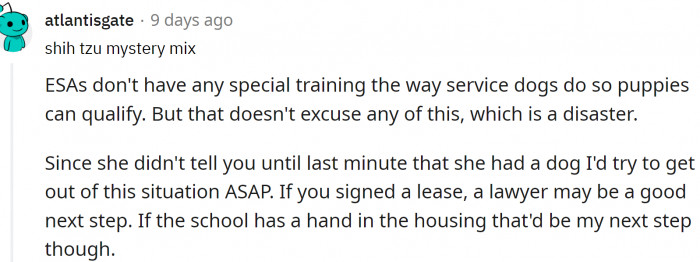
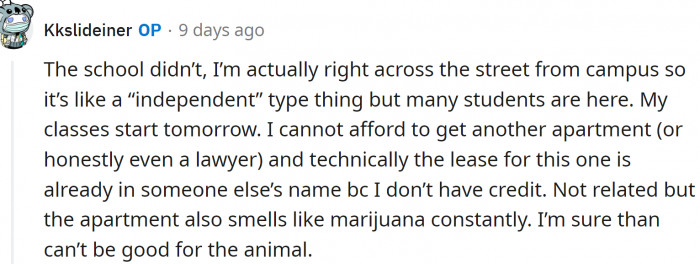
But it is not a school building
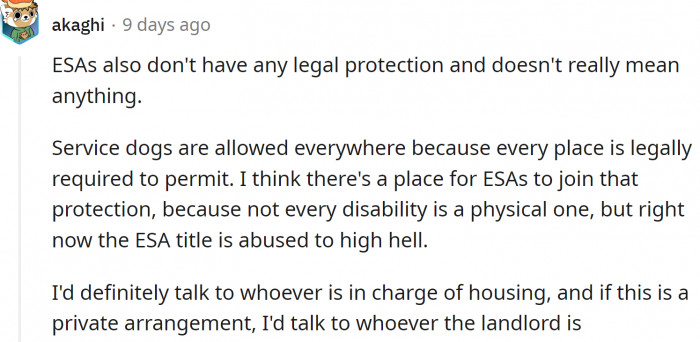
ESAs don't have any legal protection
In situations where an untrained puppy is claimed as an ESA, it can lead to significant issues, particularly in shared living arrangements. The presence of a poorly trained animal can create stress and conflict, which could make things harder for everyone in the apartment.
That is where the roommate tension really starts to show.
The presence of an untrained puppy in a shared living space can create tension, particularly if one roommate is struggling to manage their emotional health.
Studies indicate that shared living arrangements require strong communication and boundary-setting to maintain harmony.
When one person feels overwhelmed by the responsibilities of pet care, it can lead to resentment and strain on the relationship.
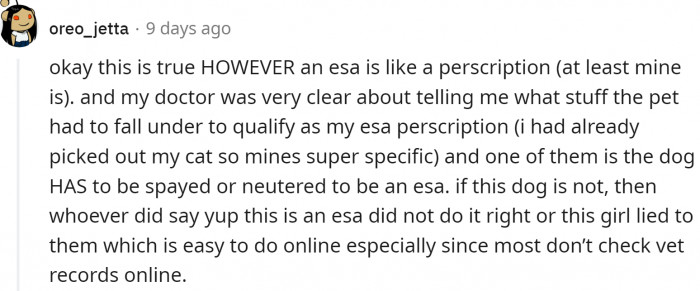
ESA is like a prescription
Any animal can be an ESA

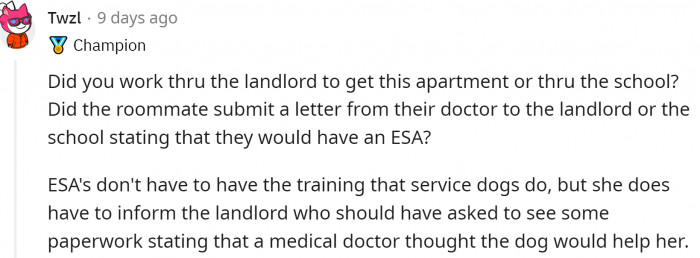
There are some technicalities and paperwork to be filled out before being allowed to take one into the apartment:
Living with an untrained pet can introduce significant stressors, particularly in shared living situations like college dorms.
It’s similar to the woman refusing her roommate’s severe anxiety and depression ESA request.
Sharing a living space can evoke a wide range of emotions, especially when unexpected factors come into play.
Can student housing help?
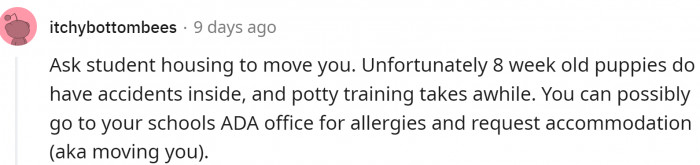
The situation is not likely to improve any time soon because the puppy is too young to be properly potty-trained

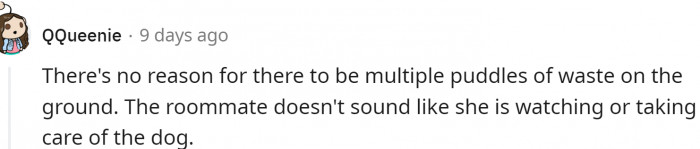
This is very true:
Implementing structured routines for training and care can also foster accountability and reduce tension. Engaging in joint training sessions can promote bonding between roommates and the pet, ultimately creating a more supportive environment.
Furthermore, seeking professional guidance from animal behaviorists can provide valuable insights into effective training strategies, benefiting both the pet and its owner.
Additionally, regular check-ins can foster open communication and address any issues before they escalate.
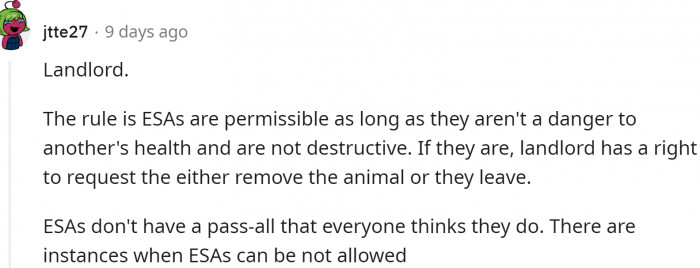
ESAs are permissible only when they don't harm anyone
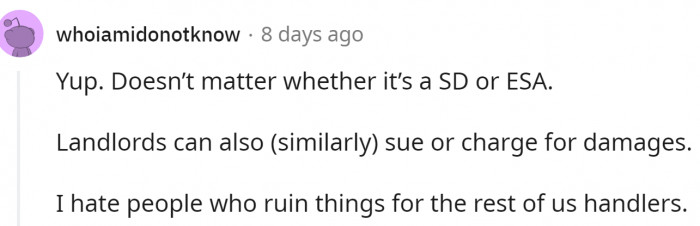
Landlords can sue for damages
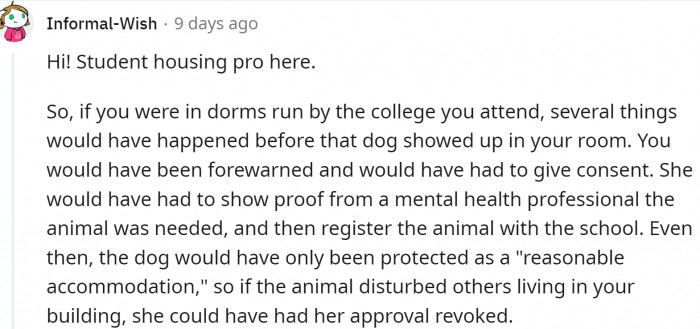
Student housing pro says:
The dynamics of roommate relationships hinge on the balance between personal needs and communal responsibilities.
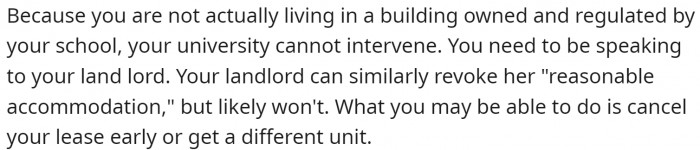
The University cannot intervene because it is a privately owned building
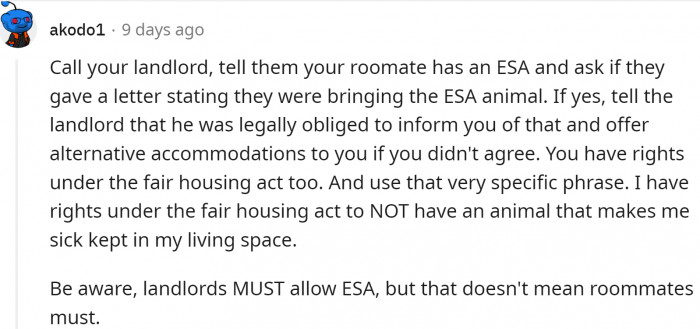
Redditors say that OP should call her landlord
People need to realize how emotional support works. The pet is not there to cater to your needs and lift your spirits only when you need it.
It doesn’t have an On and Off button. You can’t just turn it off and put it in your closet when you are done playing.
Emotional support works both ways, the pet takes care of you, and you take care of it. And that’s a very important part of the relationship.
By taking care of the pet, people will become more active; their self-esteem will improve knowing someone depends on them. In other words, they will be important to someone, and that someone will show them gratitude and love.
By the looks of it, the roommate in this story is not really ready or willing to take care of the animal.
Ultimately, understanding the emotional and practical implications of pet ownership in shared living spaces can lead to more harmonious relationships.
Experts advocate for a proactive approach that includes setting boundaries and fostering understanding between roommates.
Living with a roommate who brings an untrained puppy into the mix can significantly complicate the dynamics of shared living. As highlighted in the article, the introduction of a pet, particularly one as young as eight weeks, can lead to various challenges that require more than just tolerance. This designation may evoke differing opinions on responsibilities and boundaries within the living space.
To foster a harmonious environment, both parties must engage in open dialogue about the implications of having a pet in the home. This includes discussing potential messes, noise levels, and the puppy's training needs. By approaching these discussions with empathy and a willingness to collaborate, roommates can navigate the complexities of living together more effectively, ensuring that both the human and furry residents feel comfortable and respected.
The situation surrounding the new roommate and her untrained puppy raises significant questions about the nuances of Emotional Support Animals (ESAs). While the article emphasizes the excitement of finding a new roommate, it also highlights the potential disruptions that come with a pet that lacks training. The responsibilities of pet ownership extend beyond mere companionship; they require a commitment to proper training and communication. Without these, the dynamics of shared living spaces can quickly deteriorate. The introduction of an untrained puppy into a shared environment could lead to conflict and stress, undermining the benefits that an ESA is meant to provide. It is crucial for individuals to understand that empowered ownership not only enhances their own mental well-being but also fosters a harmonious living situation for everyone involved.
For another roommate blowup, read how an allergic guest on the couch sparked a fight.
Share this article: