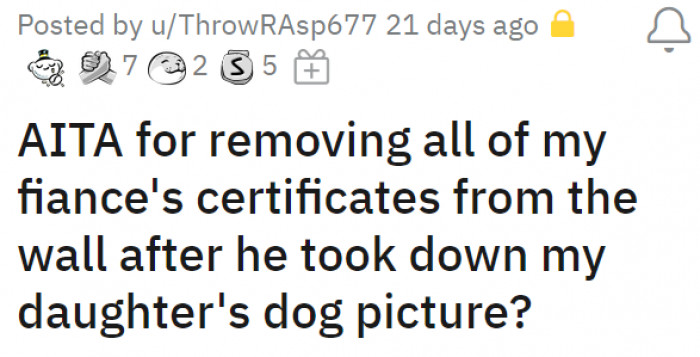
Woman Takes Down Fiancé's Certificate Displays After He Took Down Her Daughter's Photo Of Their Deceased Dog

Some arguments start over money, chores, or family, but this one started with a photo of a dead dog. A woman says her fiancé moved into her home, then decided a framed picture of her 12-year-old daughter’s beloved pet did not belong on the living room wall. Instead of leaving it alone, the fiancé took it down, which left the girl upset and pushed her mother to retaliate by removing his certificate displays.
Now the whole household is stuck in a tense standoff, and people online have plenty to say about it. Read on.
OP posted her situation in the r/AITA subcommunity—asking strangers if she is, in fact, the a-hole in this whole mess.
Apparently, her fiancé just moved into their apartment and started to help her out with the rent. OP already has a daughter named Ruby, who's just 12 years old—and an animal lover.
Ruby's favorite pet, Tic, passed away, but she wanted to pay tribute to the dog by hanging up a photo of him on their living room wall.
In relationships, conflicts often arise from differing values and emotional attachments.
However, much to her surprise, her fiancé found the photo somehow revolting, saying that it was strange and distracting.
It seemed to have bothered him a lot, to the point that he really took it down without caring that he was hurting a child's feelings. OP found Ruby crying in her room because her fiancé told her she was not allowed to have it up in the living room.
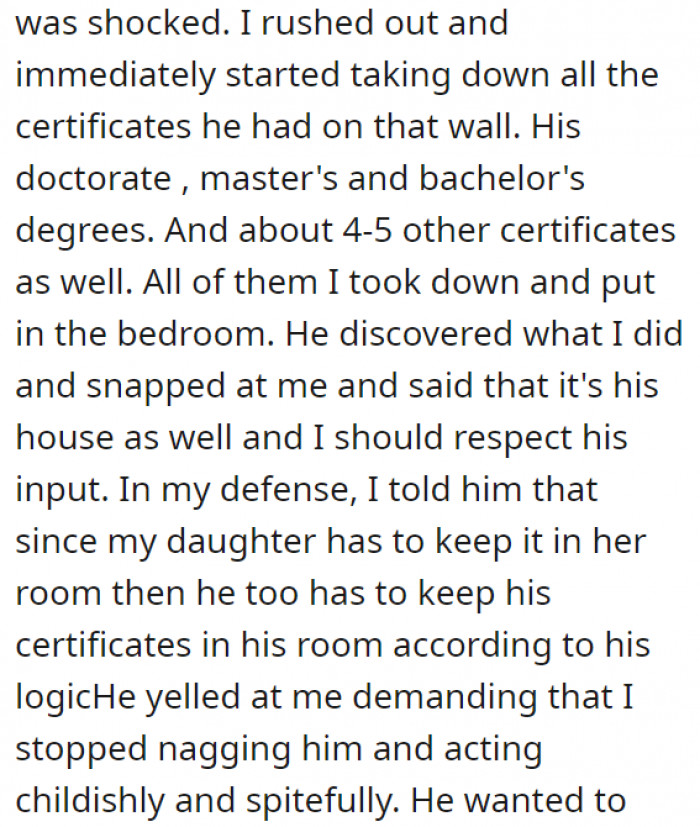
Acting out of fury and love for her daughter, OP decided to take down all her fiancé's certificates on the wall—defending her actions by her fiancé's logic that he should keep them in his own room, much like how he told Ruby to keep the dog's photo out of sight.
Grief is a complex emotional process that varies significantly among individuals, influenced by attachment styles and past experiences.
The fiancé got mad and proceeded to call out OP for "disrespecting" him and his achievements.
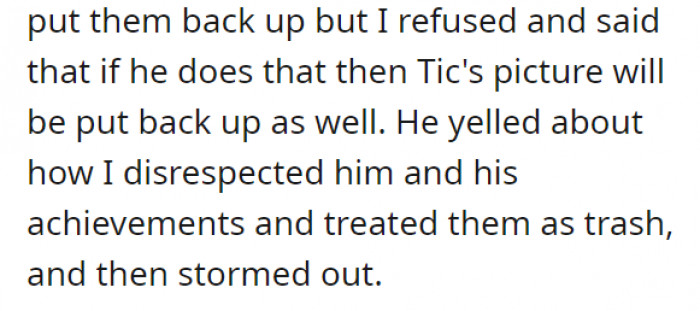
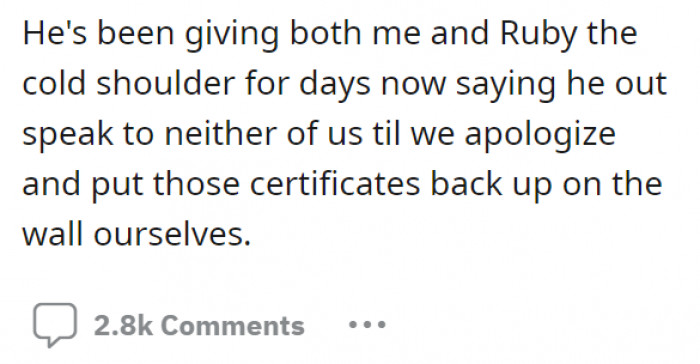
And now, the mother-daughter duo has been given the silent treatment for days. Who do you think is at fault here?
Take a look at what people have to say:
When one partner dismisses the other's feelings, especially regarding shared losses, it can lead to resentment and a breakdown in communication.
Therefore, it’s vital for individuals to practice active listening and validation in their interactions. This can involve acknowledging the significance of the deceased pet to the grieving partner and expressing understanding of their emotional pain.
Right, he's been in the house for two months, yet he's acting like he has owned the place for years.
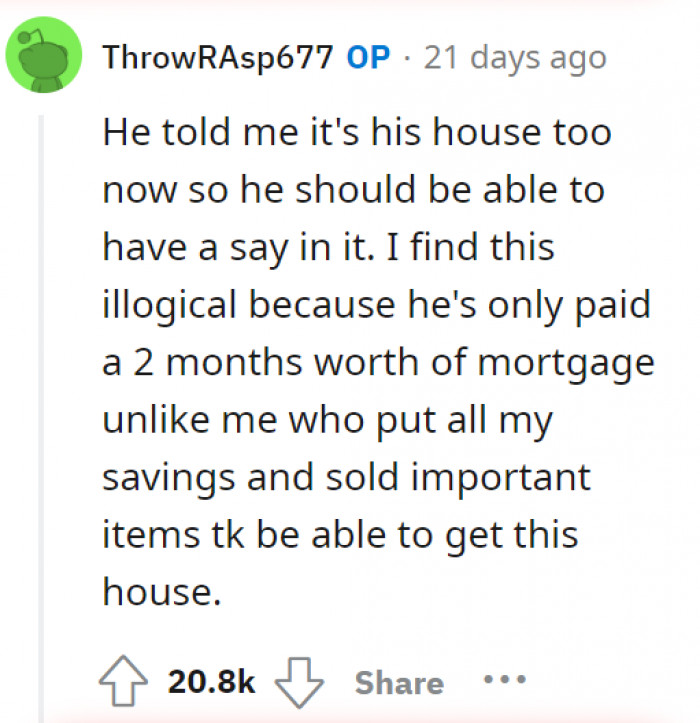
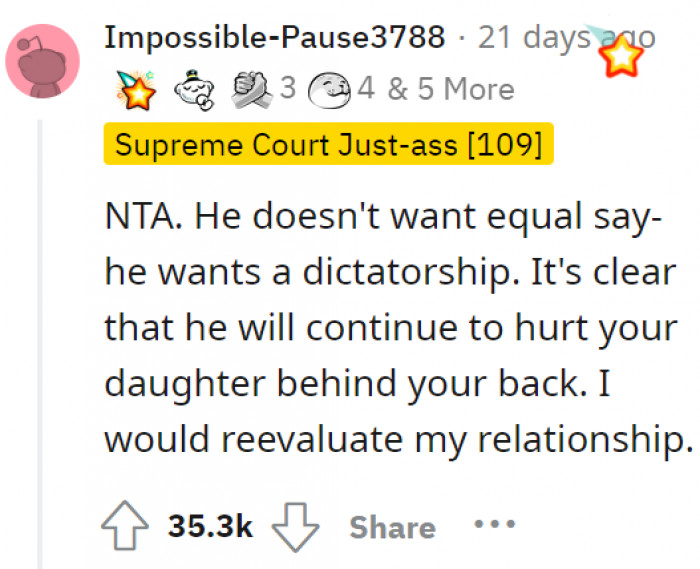
Most comments have been urging OP to rethink her decision about having this man in their lives.
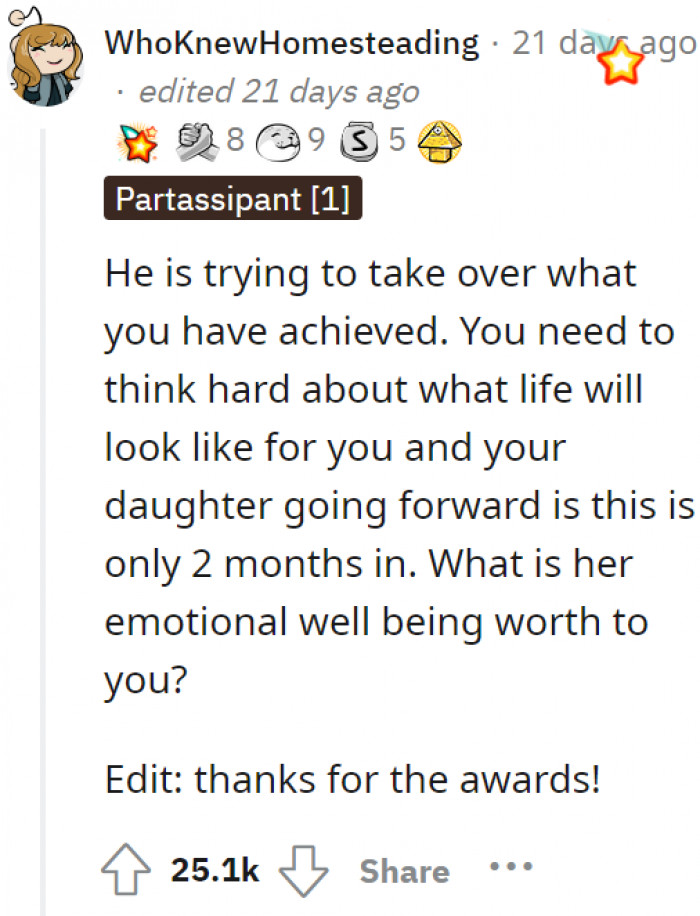
It's indeed a pivotal moment for their relationship.
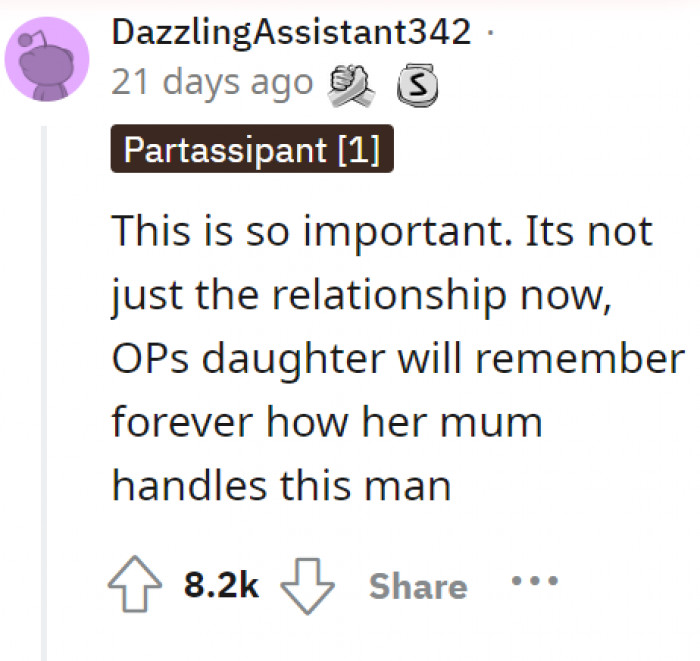
Coping mechanisms play a crucial role in how individuals handle loss and conflict.
This drama echoes the moment one fiancé’s family got involved after he put her daughter’s cat outside.
With the way he's acting, we can rightfully agree that he is indeed self-centered.
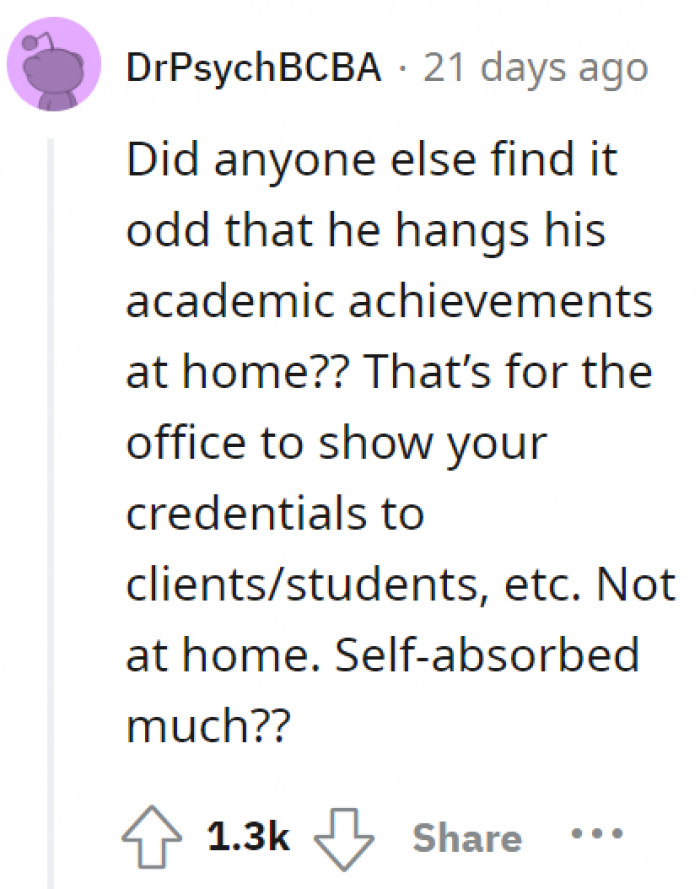
Some of them have been giving OP pro-tips, just in case the man tries to take ownership of the property.
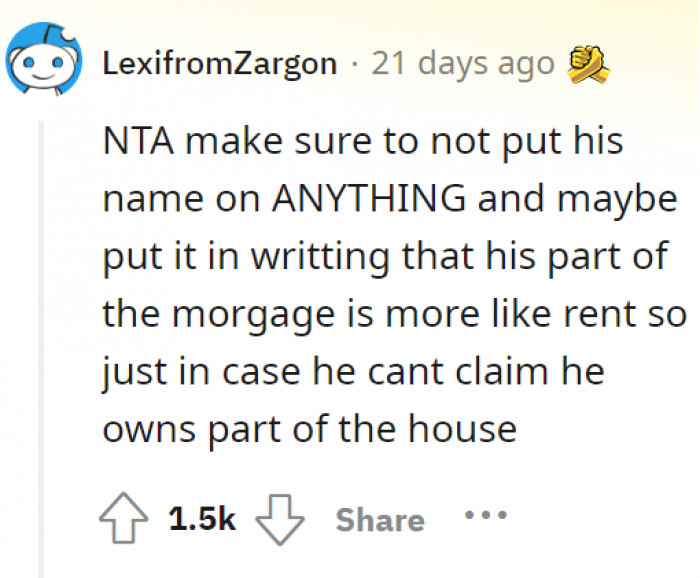
To put it simply, run!
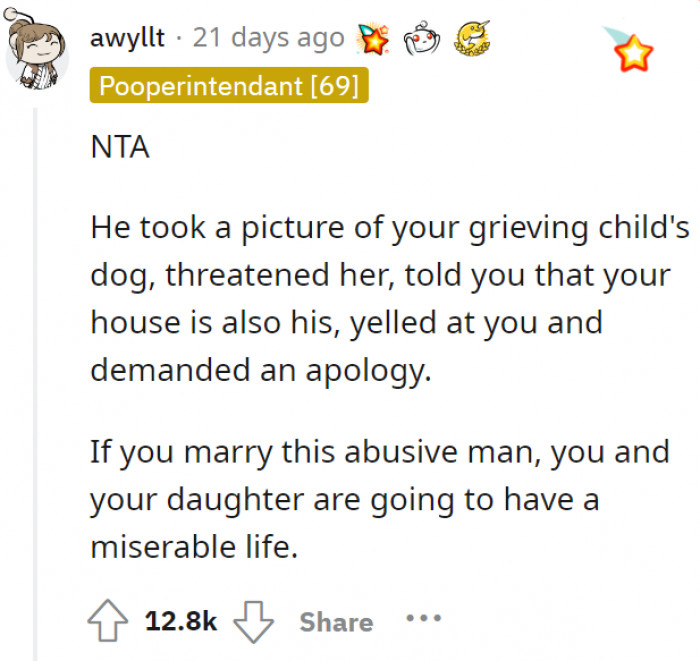
Attachment styles significantly influence how individuals respond to emotional situations.
It's definitely very traumatic already for a 12-year-old.
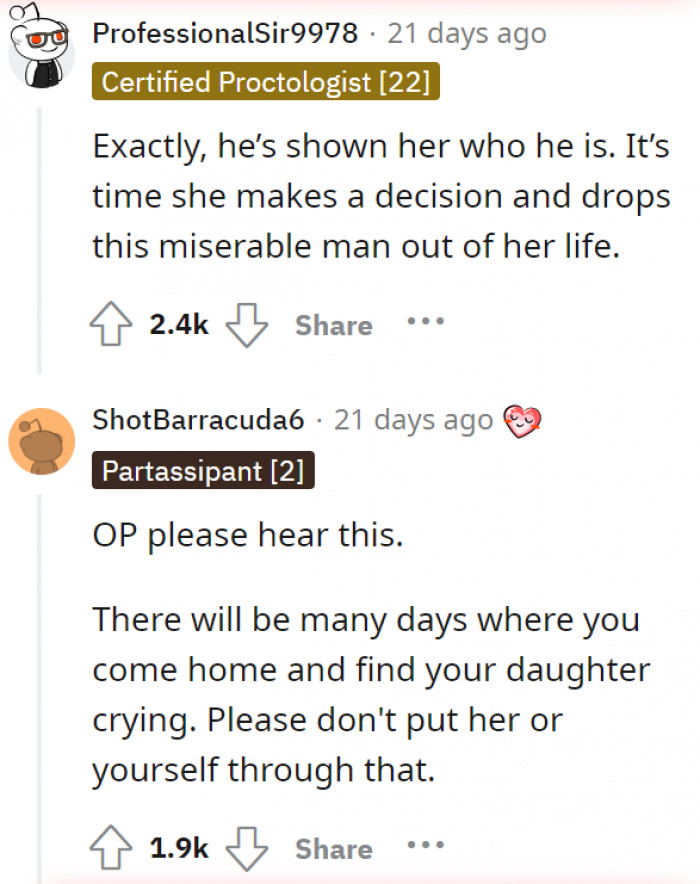
We're betting OP will choose her daughter any day, given how she reacted when she found out her fiancé hurt her feelings.
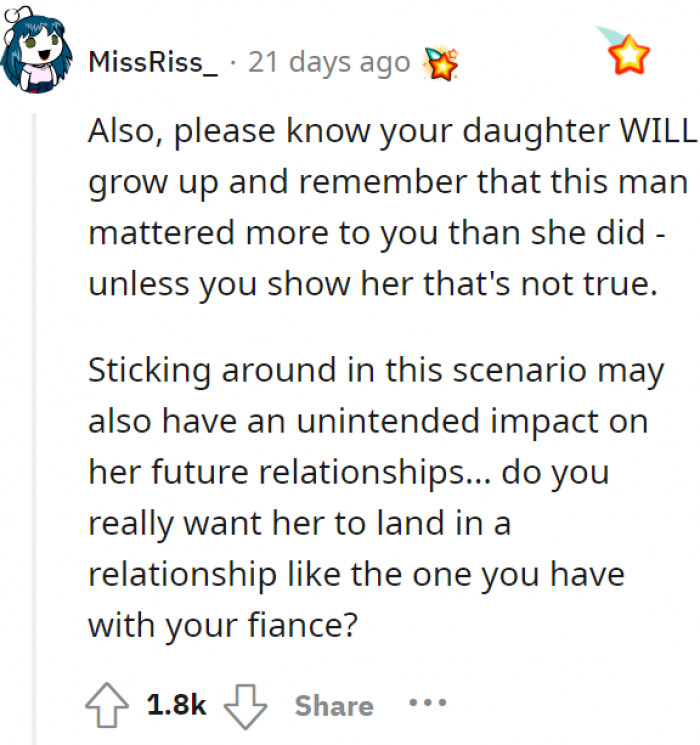
Seems like he's got some issues.
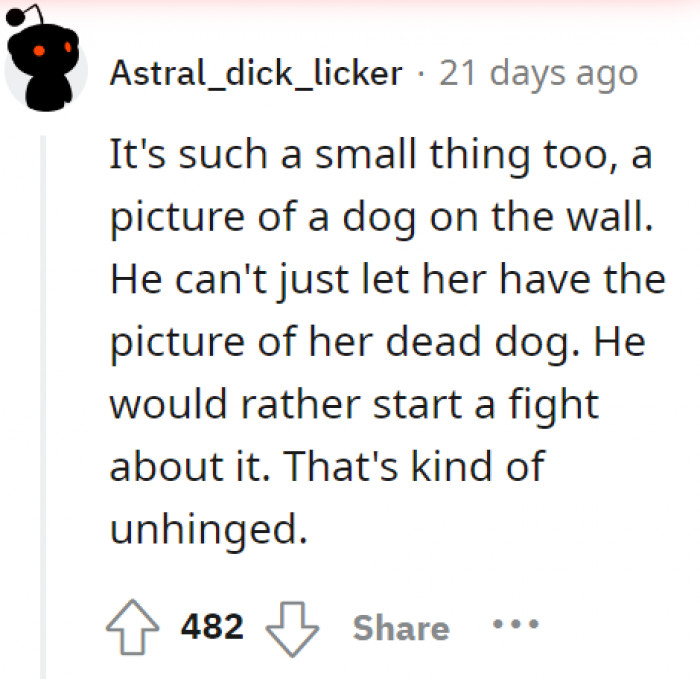
The recent conflict surrounding the removal of a beloved pet's photo highlights the deep emotional attachments that pets inspire in our lives. In this case, the fiancé's decision to take down a photo of the deceased dog, which likely held significant sentimental value for his partner, led to a breakdown in communication that underscores the importance of honoring shared memories. Rather than letting such disputes escalate, couples would do well to engage in shared rituals that celebrate the life of their pet, like creating a scrapbook or hosting a small remembrance ceremony. These acts not only serve as a tribute to the pet but also foster emotional healing and can strengthen the bond between partners.
Furthermore, when navigating the complexities of grief and emotional needs, seeking professional support can be invaluable. Couples therapy offers a safe space for partners to learn effective communication strategies and develop coping mechanisms together. By working with a therapist, couples can address their grief in a constructive way, ultimately reinforcing their connection while honoring the memories of their beloved companions.
It's crimson red.
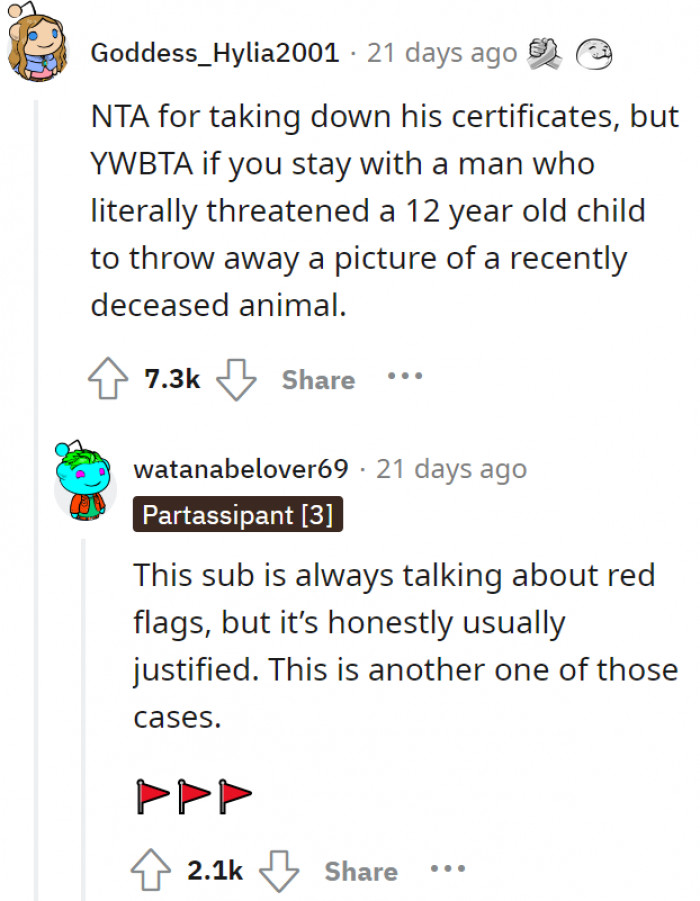
Something about a grown man feeling repulsed by a photo of a deceased dog just doesn't sound right.
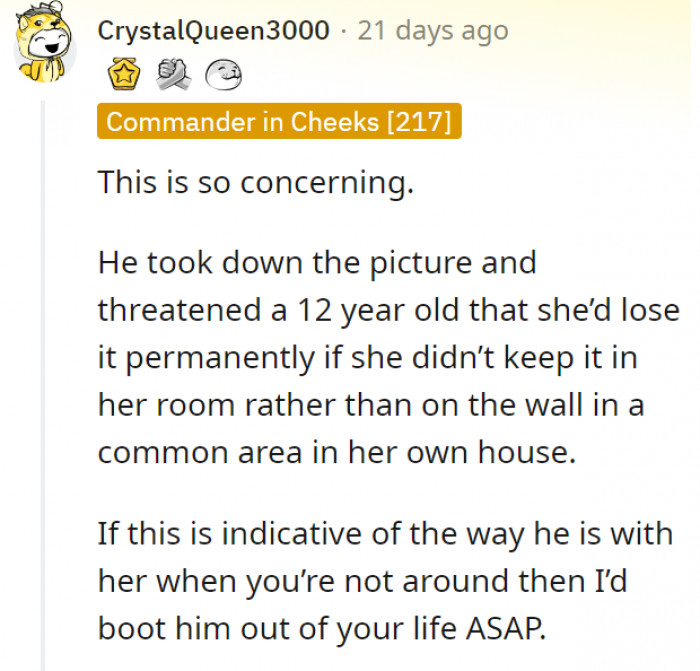
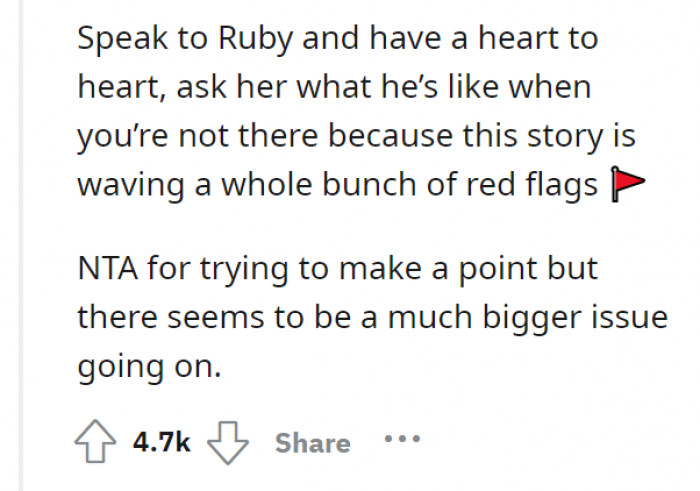
The emotional fallout from the removal of a beloved pet's photo is a powerful reminder of how deeply intertwined loss and relationship dynamics can be. The incident involving the fiancé's decision to take down a photo of the woman's deceased dog serves as a poignant illustration of how grief can manifest differently within a couple. This disparity can lead to misunderstandings and emotional rifts, particularly when one partner feels their affection for a pet is dismissed. The need for open communication becomes paramount in these moments, as navigating the nuances of each other's grieving process is essential for emotional connection. Furthermore, fostering empathy between partners is crucial. When individuals in a relationship can genuinely appreciate each other's perspectives during such painful times, they can build a more resilient bond. This situation underscores the necessity of supportive dialogue to help couples weather the storms of grief together, ultimately reinforcing their relationship rather than allowing it to fracture in the face of loss.
How would you feel if you had a fiancé who just moved in but has started to act entitled like this one, not to mention how he's treating his future stepchild? We're definitely hoping that OP puts his ego in check and lets him move out with all those certificates!
Comment down your thoughts, or share this article for all your family and friends to see!
The recent incident involving a woman removing her fiancé's certificate displays after he took down a photo of her deceased dog highlights the intricate dynamics of grief and emotional attachment within relationships. This conflict underscores the importance of effective communication and emotional validation during times of loss. The woman's response to her fiancé's actions reveals how essential it is for partners to acknowledge and respect each other's grief. By failing to honor the memory of her beloved pet, the fiancé may have inadvertently weakened their bond. Couples facing such emotional challenges must engage in open discussions and develop shared coping strategies to not only navigate their individual losses but also to strengthen their connection, ensuring they can support each other in honoring the memories of what they have lost.
Before you judge, read how this mom secretly “fixed” her daughter’s dog and caused a spiral.
Share this article: