Humans Need To Talk To Dogs More, And 7 Pet Owners Reveal Compelling Reasons Why

One simple thing can turn a normal dog day into a full-blown “we get each other” moment, and it’s not treats or toys. It’s the constant chatter, the little directions, and the way a human voice sounds when it’s calm, excited, or proud.
This story starts with a person who noticed their dogs understood phrases like “Inside,” “Outside,” “Upstairs,” “Downstairs,” and “This way.” Their first Springer Spaniel, Dewey, always wanted to be ahead, but he did not always know where “ahead” was supposed to go, until the words started lining up with the path. From there, the same talking routine spread across all the dogs, plus praise like “good dog,” and commands like “Sit,” “No bark,” and “Leave it.”
And when you live alone with four dogs, that voice becomes more than background noise, it becomes the whole conversation.
Doggos love it when their hoomans talk to them.
In my experience, my dogs liked it when I talked to them. They also learned to recognize certain phrases, which became helpful.
For example, my first Springer Spaniel, Dewey, always wanted to be ahead of me, but he often did not know where I was going. I would say, “Inside,” “Outside,” “Upstairs,” “Downstairs,” or “This way” for turns, and it did not take long for him to learn what I meant.
He would confidently move along in the direction I had indicated, which made life easier for both of us. I’ve done the same thing with all the dogs I have had since then.
I also tell them what good dogs they are. I give them commands like “Sit,” “No bark,” or “Leave it.”
I often just talk with them. I think they can tell what my mood is from the tone of my voice. They are so perceptive and smart. I believe they feel more included in my life because I talk to them.
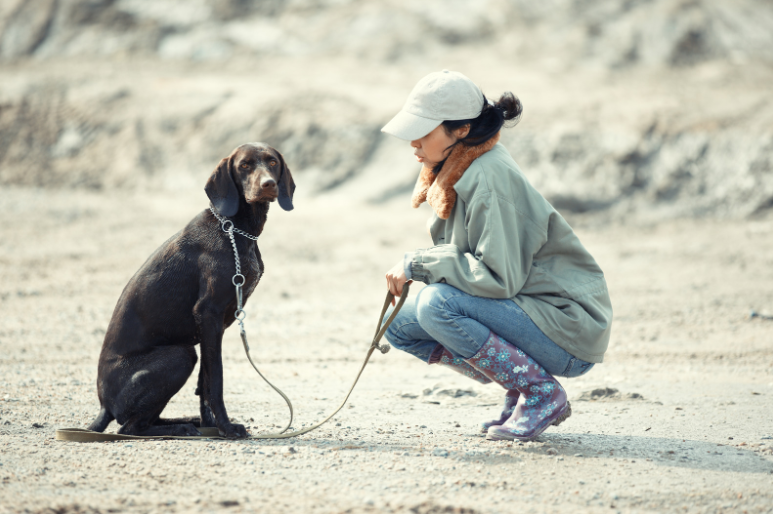
The sound of their human's voice is enough to soothe a dog.
Even though your dog's vocabulary is more limited than a human's, the sound of your voice is comforting to them, and if you have a good relationship, your praise is immensely valuable to them…
Just quietly talk to your dog and tell them they are good…
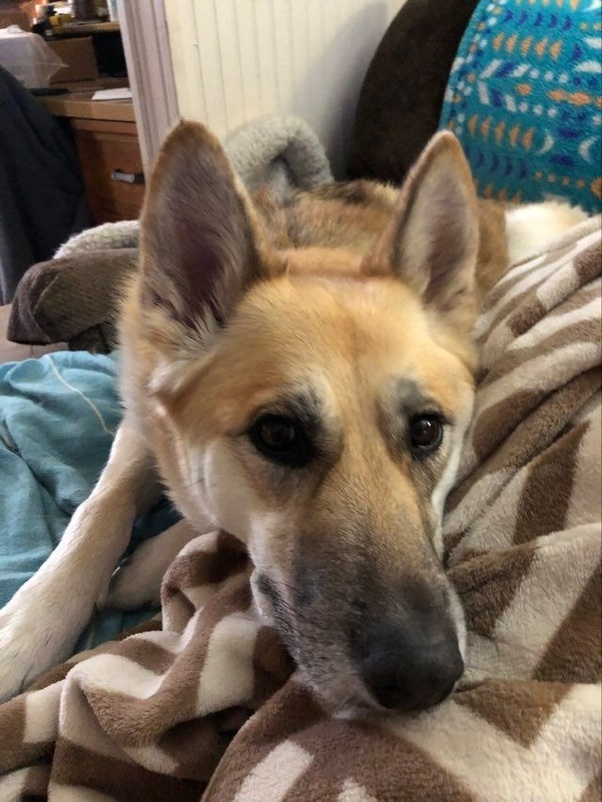
Talking to pets strengthens the bond.
Oh wow. I have four dogs. They respond to your tone. Each is different. It builds a stronger bond.
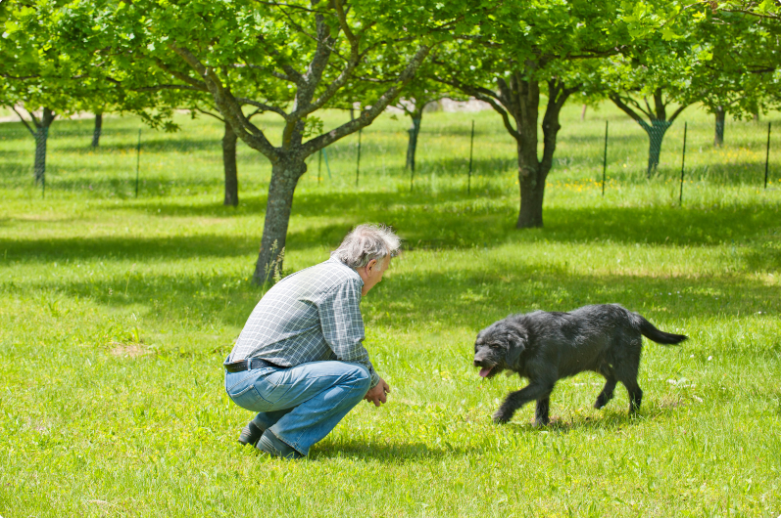
If you live alone, you just can't help but talk to your dog more.
Because if you live alone—as I do—sometimes your dog is the only being you talk to all day!
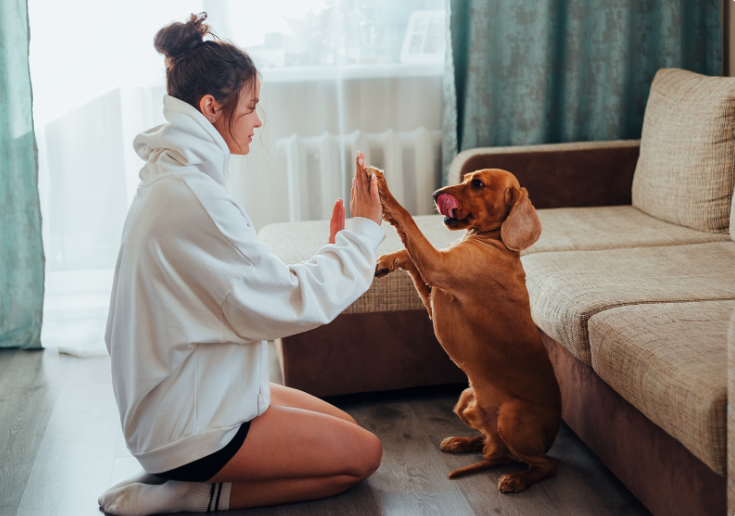
You can also "listen" to your dog.
For the same reason you talk to plants or other living beings… communication. By talking to them, you watch and see the way they respond, and that is the beginning of learning to communicate.
Not everything is communicated through words. That’s the main source for humans, so they talk.
Plants and animals use other means to communicate. You use what you can, but don’t forget that it’s a two-way street; you’re trying to talk to them, and they are trying to “talk” to you.
Are you paying attention to what they are saying, or are you the only one “speaking”?
You have to learn to listen with more than your ears.
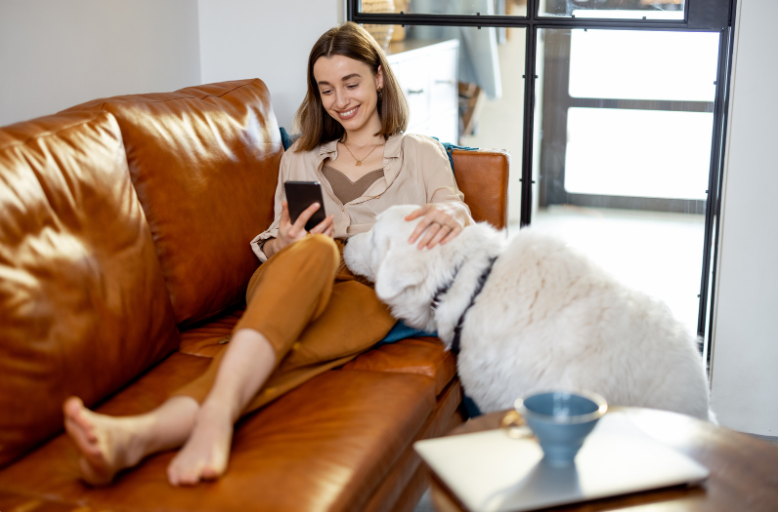
Dogs feel included when their humans talk to them.
People should talk to their dogs more because it strengthens the bond between them. Dogs respond well to human voices and can understand basic commands and emotions.
Talking to them can also make them feel loved and included in the family, which can improve their behavior and overall well-being. Plus, it's just plain fun to have conversations with our furry friends!
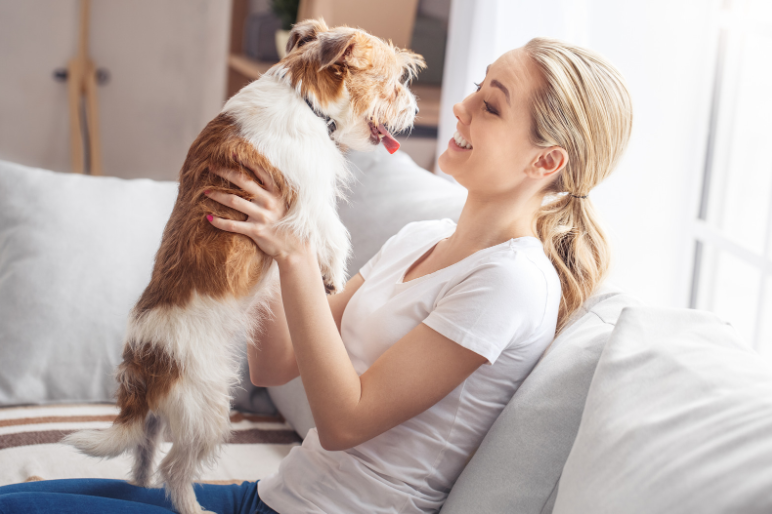
Talking to dogs can lessen unwanted behavior.
Because you don’t want your dog to think it’s a fish or a wild animal; you don’t want your dog to start acting wild. People who talk to their dogs give their dogs more love and don’t have their dogs being intentionally naughty.
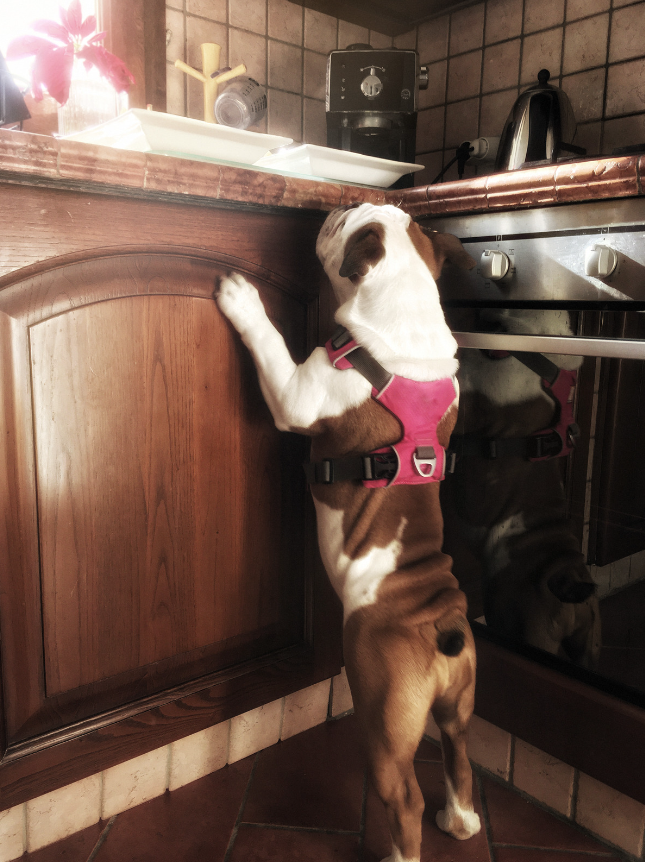
That first Springer Spaniel, Dewey, basically became a living GPS once those turn-and-direction words stuck.
Want more bonding tips like the patience-first approach from pet lovers who shared sweet ways dog owners build lasting bonds?
Then the story zooms out to the bigger pattern, the way each dog reacts differently to the tone behind “good dog” and “Sit.”
Because when you have four dogs and you’re the only human around, the “talk to them” habit turns into your daily soundtrack.
And once you start “listening” for the responses, it stops being one-way commands like “Leave it” and starts feeling like real communication.
Dogs are part of the family. To strengthen that family bond, owners need to make time to talk to their dogs.
Doing this regularly with your beloved canine enhances communication, establishing their understanding of commands during training sessions. With a well-trained dog, not only can you foster obedience but also nurture a well-mannered and delightful companion.
With Dewey and the three other doggos in the house, talking is the fastest way to make them feel included.
Wait, did that owner really raise their dog’s paws to “talk,” and what did it mean? Read Canine Lover Tries To Understand Meaning Behind Dog Raising Paws After Being Petted By Owner.
Share this article: