Meet The Lesser Bird Of Paradise - A Magnificent Species Covered In Gold And Emerald Green

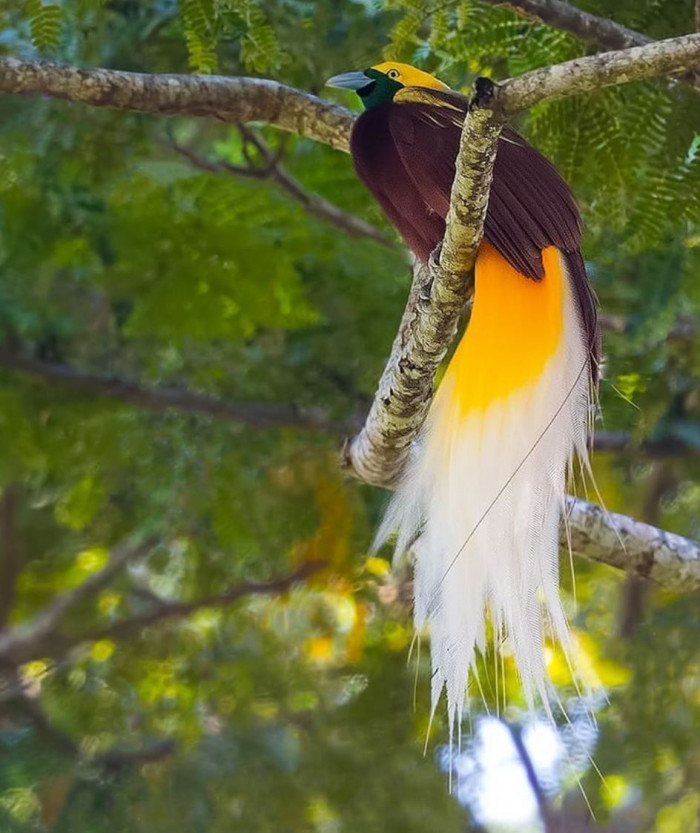
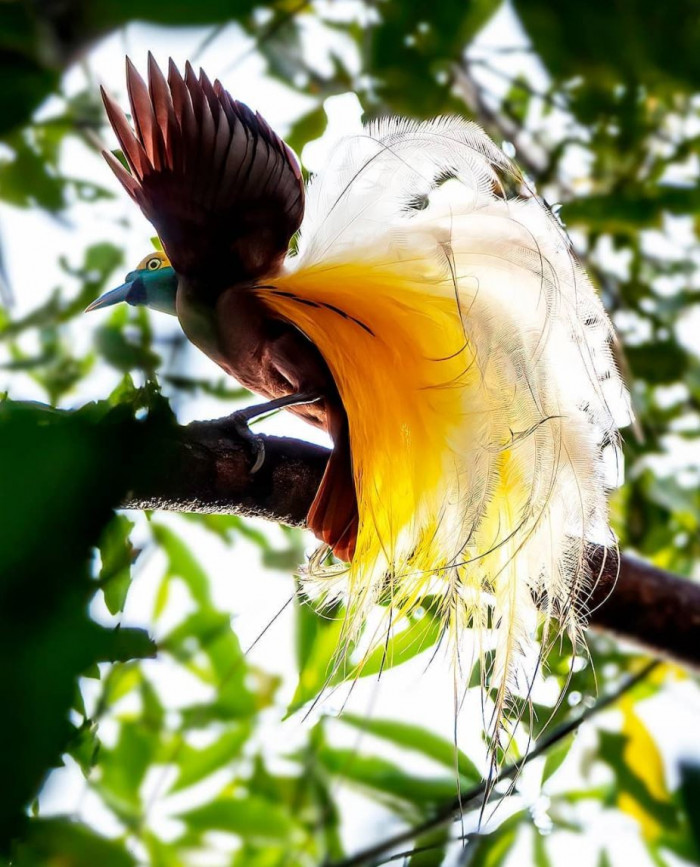
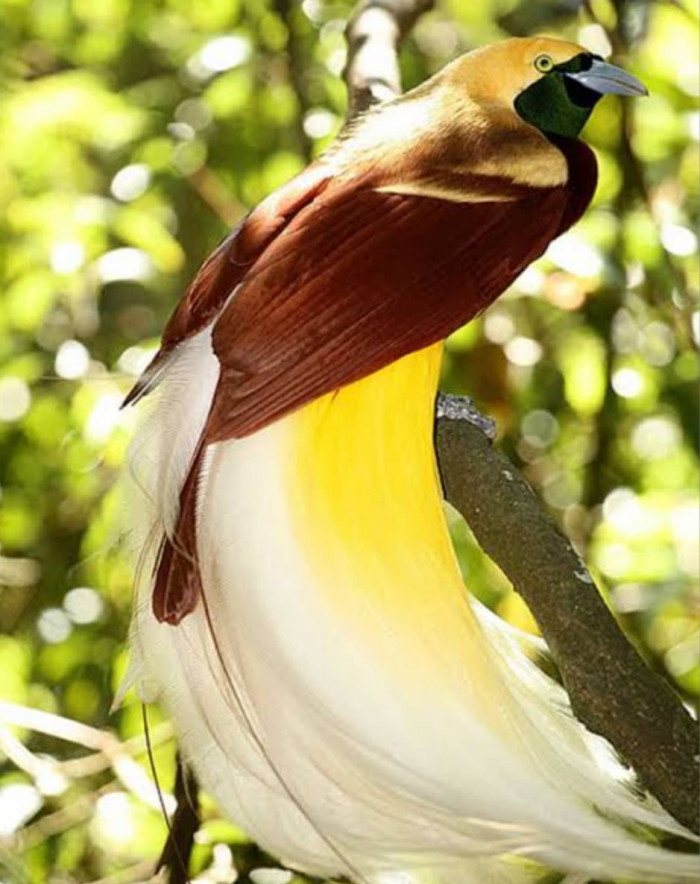
The lesser bird of paradise may be called “lesser,” but there is nothing small about its beauty. With gold, emerald, maroon, and bright yellow on display, this Papua New Guinea native looks like it was dressed for a celebration.
Known scientifically as Paradisaea minor, the species lives in rainforests and swamp forests, where males put on elaborate displays and females handle nest building and raising the young. Their habits, colors, and courtship rituals make them one of the most striking birds in the world.
From their unusual plumage to their careful breeding routine, there is plenty to admire here. Read on.
Males are polygamous and court females in leks!
A single lek can have up to 12 adult males or a combination of juveniles and adults, all with the single aim of impressing the female. Older males occupy the center of the lek.
They're mostly hunted by snakes, owls, and hawks.
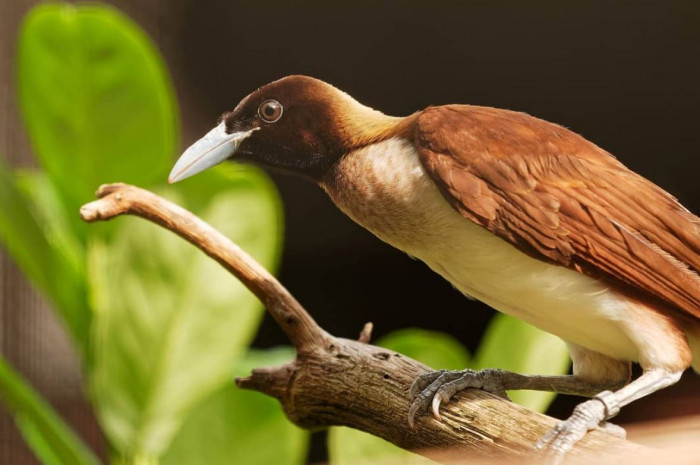
Although their population is declining, they're not endangered. According to experts, they're not globally threatened.
They're solitary birds who come together only during mating.
And if you love camouflage, check out the leaf-tailed gecko that disappears by blending into bark.
The average lifespan of these birds is five to eight years.
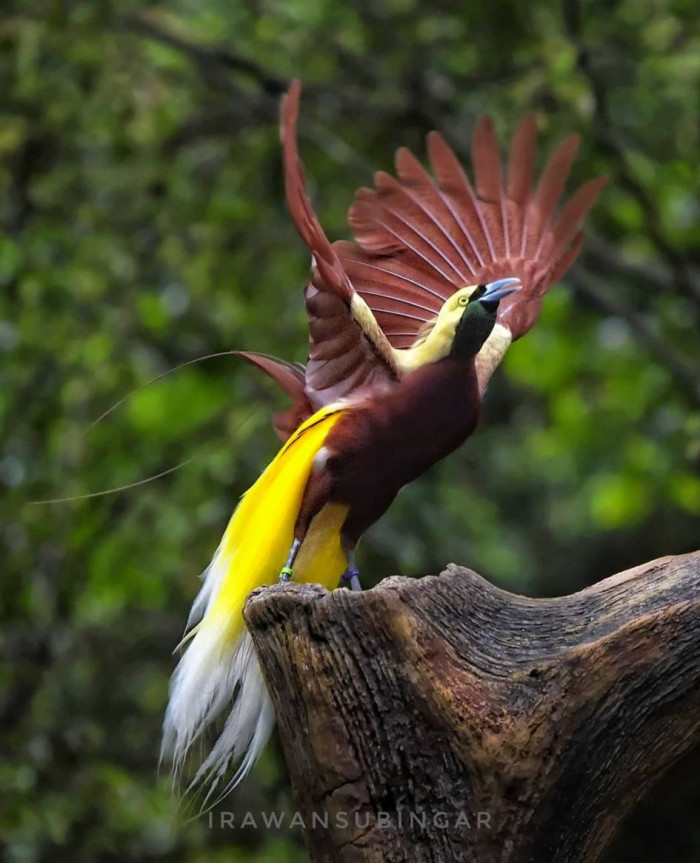
Juvenile nestlings leave the nest about 20 days after hatching.
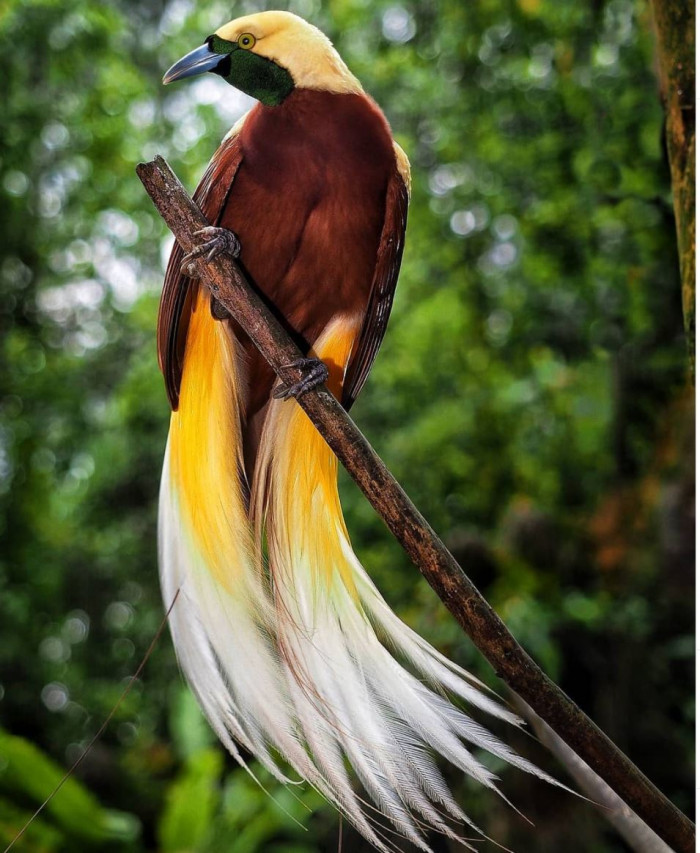
Although these birds are tolerant, their temperament can change if their territory is invaded.
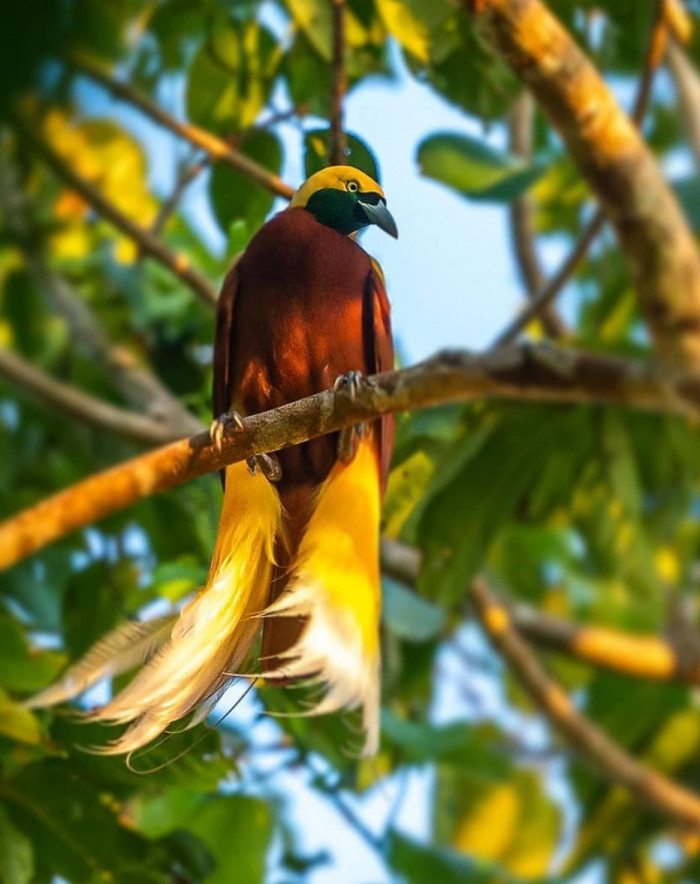
They use a series of high-pitched "wak" sounds to communicate with each other. Their long notes include "wik-wong-wau-wau."
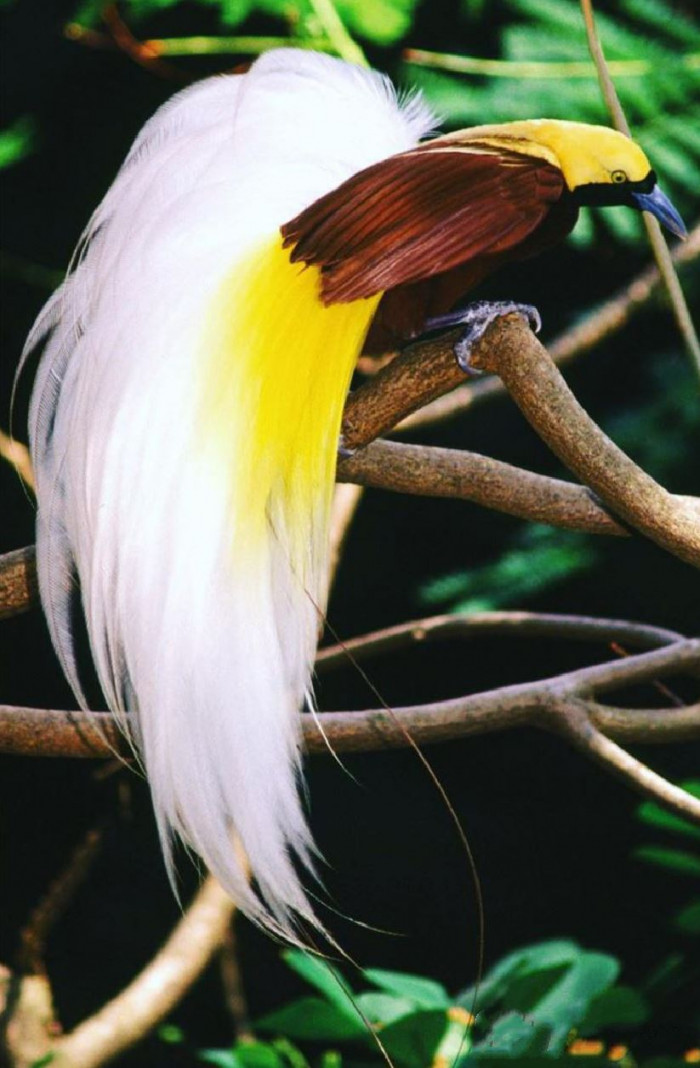
Listen to the majesty of the lesser bird of paradise below:
While the lesser bird of paradise may not possess any harmful traits, it exhibits a strong preference for solitude. This aversion to disturbance emphasizes the significance of preserving their natural habitats. These birds thrive in environments where they feel secure, which highlights the necessity of respecting their space. In the wild and in specially designed zoos, they flourish best, reinforcing the idea that they are not suitable as household pets. The beauty of the lesser bird of paradise is undeniable, and it certainly does not deserve to be overshadowed by its larger relative. This species stands out with its stunning gold and emerald plumage, proving that it is anything but "lesser" in the realm of avian magnificence.
Want slowness as a survival trick? Meet the world’s slowest animals at this guide.
Share this article: