Mother Sloth Joyfully Reunites with Lost Baby After Heartbreaking Separation

Wildfires in northeastern Bolivia didn’t just scorch the forest, they scattered it. Among the fleeing animals was a mother sloth, clutching onto her tiny baby as the smoke and fire forced everything to scramble for higher ground.
But in the chaos, the pair got separated. And with a baby sloth so dependent on its mom, that gap was basically a countdown, not just a heartbreak. To make it worse, sloths are built for treetops, not open ground, so every second on the wrong side of the forest is a big deal.
Then, somehow, the miracle happened: the mother sloth was reunited with her lost baby, alive and clinging on like nothing ever changed.
After devastating wildfires hit northeastern Bolivia, wild animals had to flee for their lives. Among them was a mother sloth with her tiny baby.
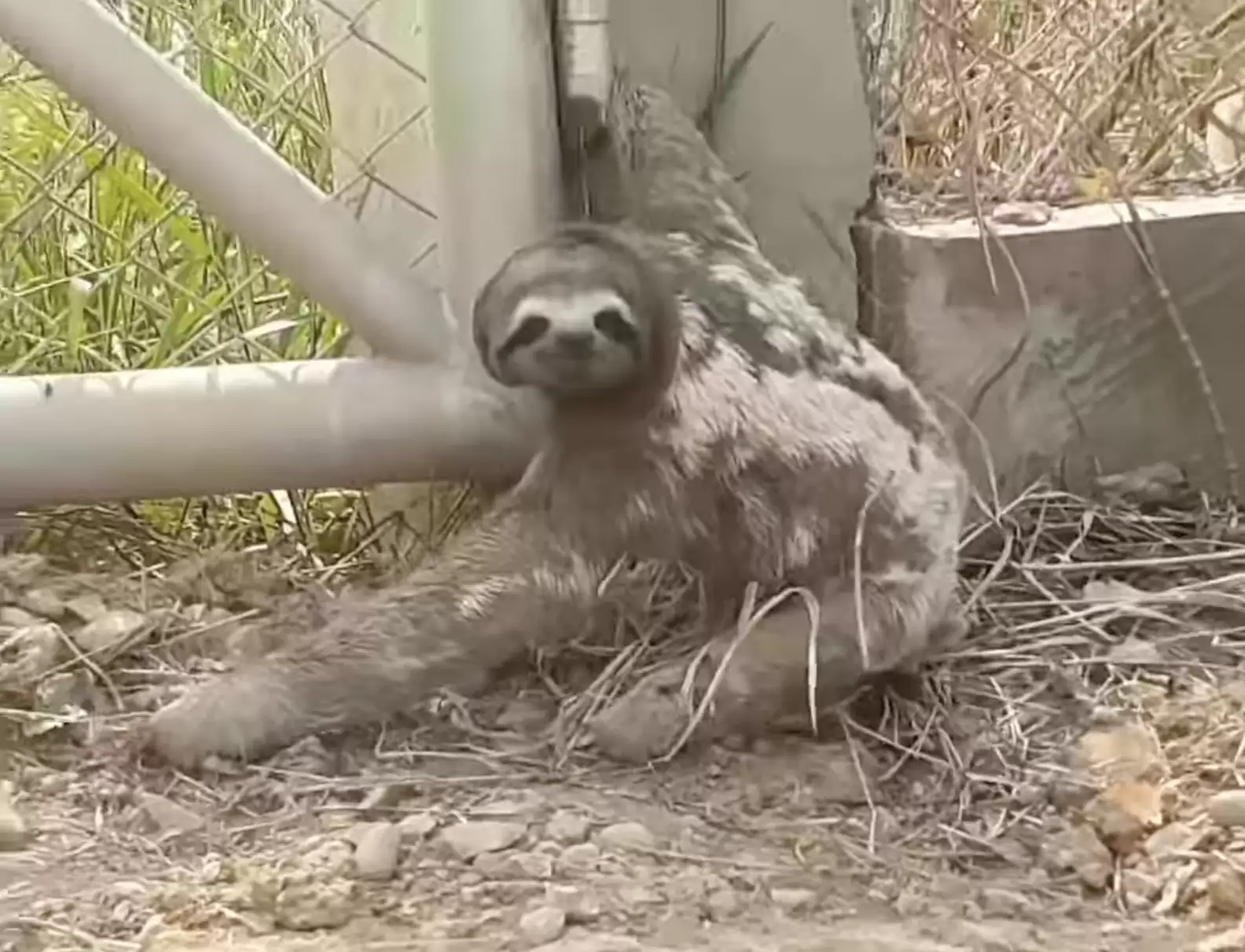
Unfortunately, in their rush to find safety, they became separated. With the baby sloth relying so heavily on its mom, it would have needed a miracle to survive.
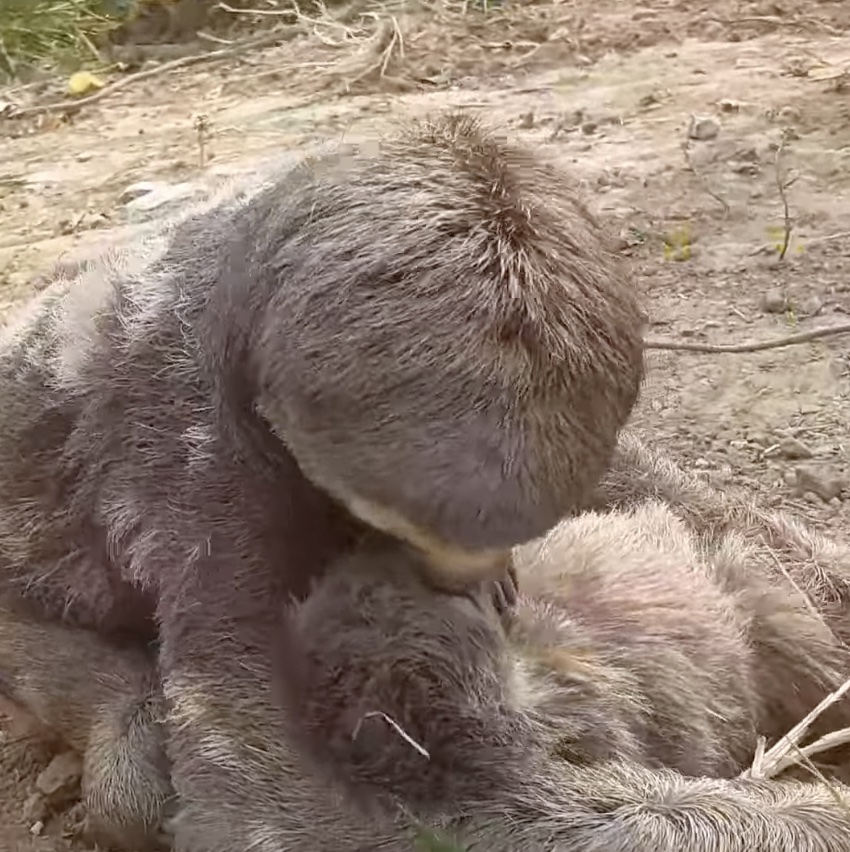
That’s when the wildfire chaos turned into a full-on survival story for a mother sloth and her baby, with every lost branch feeling like a lost chance.
These slow-moving creatures are native to the tropical rainforests and spend most of their lives in the treetops.
Their unique lifestyle and adaptations have captivated researchers and nature enthusiasts alike. Sloths in Bolivia are often found in the Amazon basin, which provides an ideal habitat with its lush vegetation and abundant tree cover.
These animals have adapted to a life of hanging from branches, with their long claws helping them navigate the forest canopy. They are known for their slow metabolism, which suits their low-energy diet primarily consisting of leaves.
Despite their slow pace, sloths help with seed dispersal and create habitats for other organisms through their fur, which can host algae and various insects. This symbiotic relationship enhances biodiversity in their environment.
While the fire kept pushing animals out of their treetop routines, the baby sloth still needed its mom, which made the separation hit even harder.
The emotional bond between mother sloths and their young is strikingly evident, especially in the wake of the devastating wildfires in Bolivia's northeastern region. As seen in the heartwarming reunion of a mother sloth with her lost baby, these connections are essential for their survival in the face of chaos. The separation caused by the wildfires undoubtedly inflicted significant stress on both the mother and her offspring, which could have hindered their chances of thriving in such a perilous environment. The reunion not only restored their emotional bond but also provided them with a renewed sense of security, enhancing their ability to navigate the challenges of the wild together.
It also echoes the maternal pit bull warming an orphaned squirrel, treating her like family.
What happened next was a touching reunion. The heartbroken mother couldn’t believe her eyes when she saw her beloved baby alive.
They were taken to the clinic for a checkup, and both the mother and the baby were perfectly healthy!
The reunion was so emotional it basically rewrote the ending of the whole wildfire episode, because the mother finally got to see her baby alive.
The sloth family's reunion is a beautiful example of the incredible nature of animals, especially in Bolivia's lush forests. This heartwarming story highlights the importance of helping one another and caring for our environment.
When a baby sloth became separated from its family, a group of dedicated rescuers stepped in to help. Their tireless efforts and determination paid off when the sloth family was finally reunited. This touching event emphasizes our role in protecting and preserving wildlife.
After that, the next step was practical, they were taken to a clinic for a checkup, and the story shifted from panic to relief.
Wildlife rehabilitation experts advocate for community involvement in rescue efforts, especially in the aftermath of disasters like wildfires.org'>Carl Safina Center, local residents play a pivotal role in locating and providing care for orphaned wildlife.
To improve outcomes, they recommend training programs for locals on how to identify and respond to distressed animals. This proactive approach not only aids individual animals but also fosters a community's understanding of wildlife conservation, enhancing respect for nature and its inhabitants.
The reunion of the mother sloth and her baby highlights not just individual stories of resilience but also the broader implications of wildlife conservation efforts. Experts stress the need for community education and awareness to prevent such separations in the future.
Building partnerships between local residents and wildlife organizations can lead to more effective rescue operations and better preparedness for future crises. As the environment continues to face challenges, each small action can contribute significantly to protecting vulnerable wildlife and their habitats.
Nothing about those wildfires was gentle, but seeing that mother sloth find her baby again was pure, undeniable hope.
After a sloth got trapped on a highway, police stepped in to rescue it.
Share this article: