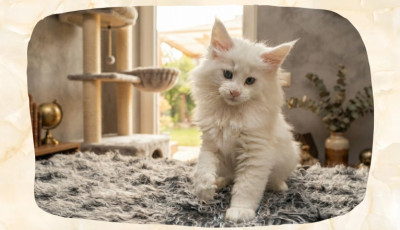
21 Photos That Prove Nature Can’t Be Rushed

A 28-year-old woman refused to rush a single frame, and the whole point of her work is that nature does not care about deadlines. Anette Mossbacher does not “snap and move on,” she waits, follows, and crosses continents until the animal finally gives her the real moment.
Her office is not an office at all, it is a dusty trench in the Serengeti or a frozen ridge in the Arctic. She travels between sweltering jungles and icy corners, chasing the unpolished pulse of wildlife, even though the rest of the world is speeding through perfectly polished digital images like it is nothing.
Here’s the twist: the longer she waits, the more complicated it gets to explain why her pictures feel more true than anything you can fake in seconds.
"Moms Are Always Best"
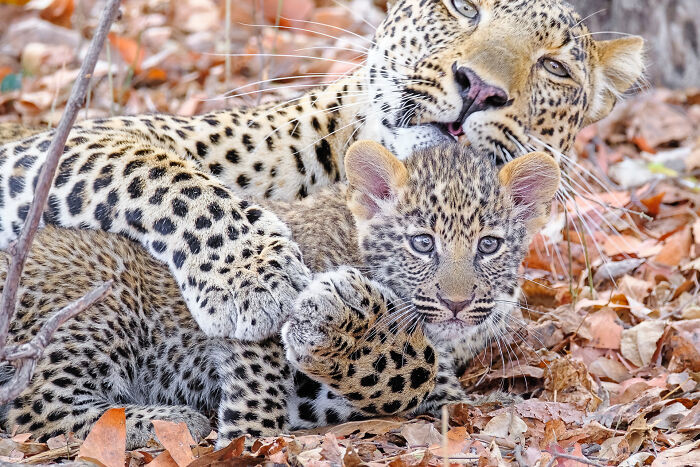
"Zero To Sixty"
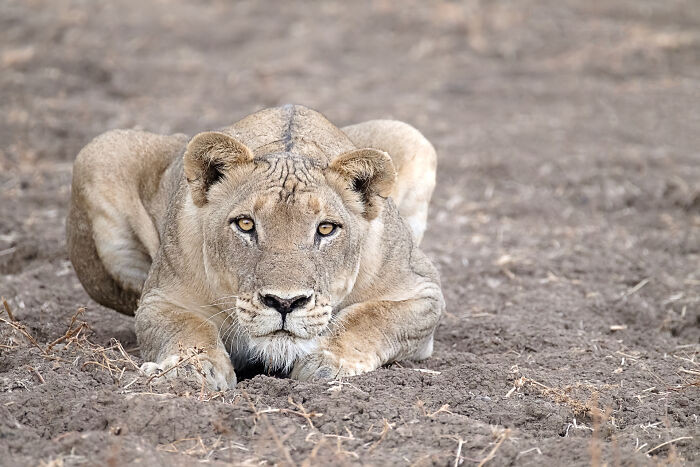
Anette Mossbacher’s office isn't a cozy room with a view; it’s more likely a dusty trench in the Serengeti or a frozen ridge in the Arctic. Her obsession with the wild started simply, trailing behind her father through sun-dappled forests as a child, and that childhood spark has turned into a life defined by the 'long wait.'
She doesn’t just show up for the shot; she lives it, crossing from the sweltering jungles to the world’s iciest corners to meet her subjects on their own terms. While she has the 'heavyweight' credentials—28 international awards and features in National Geographic and Forbes—Anette remains a purist at heart.
Whether she’s judging global competitions or tracking a polar bear, her mission is the same: capturing the true, unpolished pulse of nature. Every fine art print she produces is a piece of earned reality, hand-captured and deeply personal. Now split between Switzerland and Southern Africa, she isn't just selling a photograph; she’s inviting you to see the world through the eyes of someone who still finds magic in the mud.
"High-Level Curiosity"
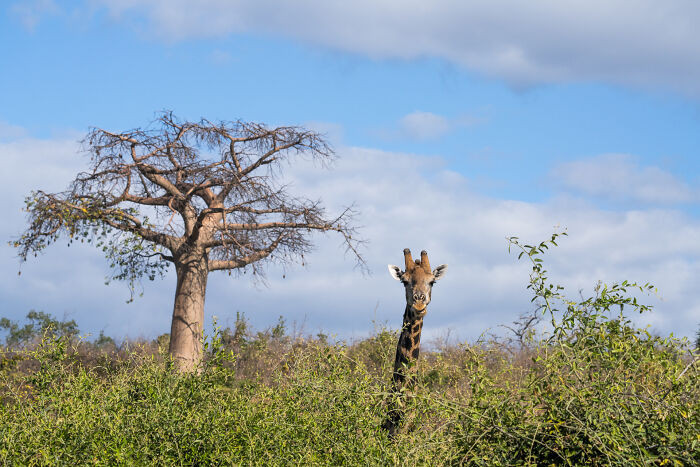
The Clash of Perceptions
This article highlights a fascinating conflict: the dissonance between perfection and the raw authenticity of wildlife photography. Readers are caught between the allure of flawless images and the gritty truth that a dedicated field photographer faces in capturing the unpredictable behavior of animals. The photos included in the piece serve as a reminder that nature isn't curated; it's wild and messy.
In an age where a perfect digital image can be created in seconds, these photographs compel us to appreciate the patience and skill involved in capturing a fleeting moment. It's a challenge to our perception of beauty and truth in art, making us reconsider what we value in the stories told through photography.
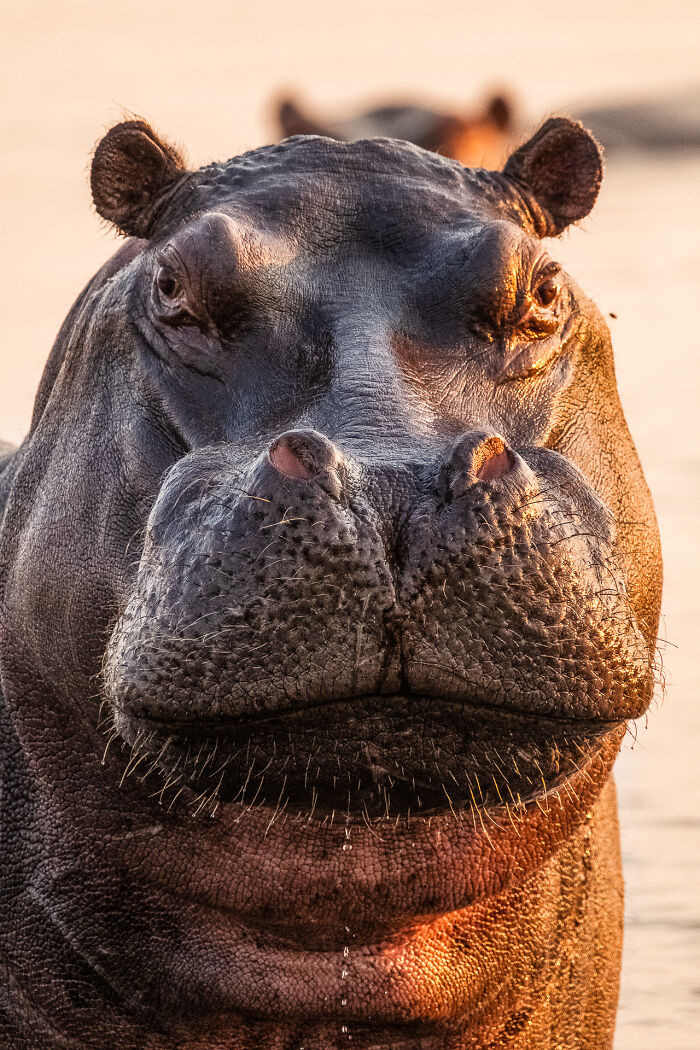
"The Heavyweight Champion"
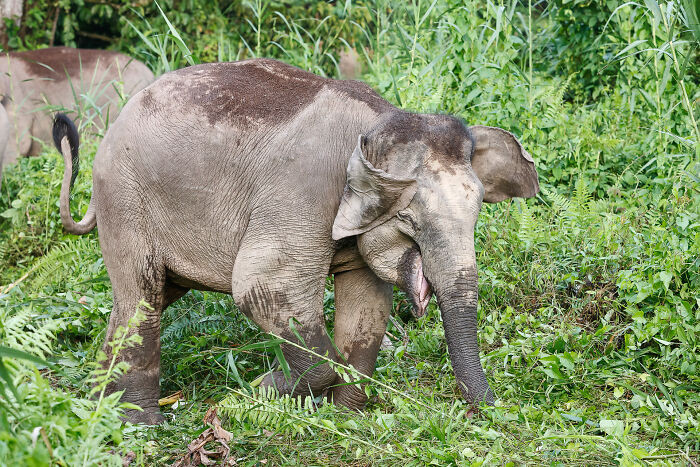
"The Jungle Wanderer"
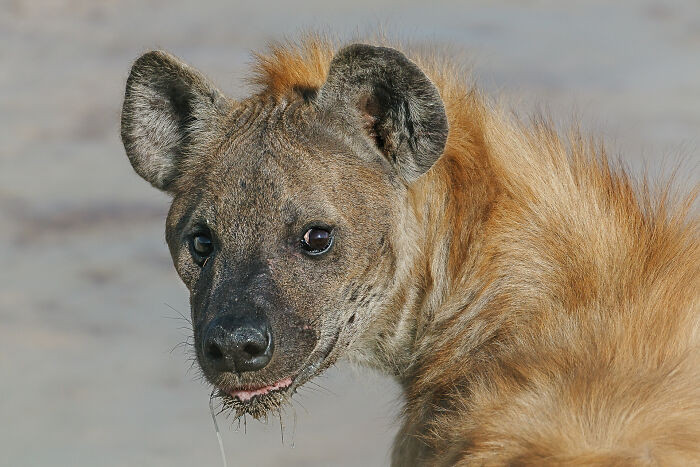
"The Misunderstood"
That “long wait” is exactly why Anette’s shots look earned, not staged, even when she’s trudging through the Serengeti like she has all the time in the world.
Nature's Unscripted Drama
The piece underscores the unscripted nature of wildlife photography, something AI simply can't replicate. The photographers featured here have spent countless hours—often in harsh conditions—waiting for that perfect shot. This dedication brings to light the significant emotional and physical investment behind each image.
By showcasing this commitment, the article not only validates the hard work of wildlife photographers but also invites readers to reflect on the stories behind the images they consume. It raises a compelling question: when we opt for the instant gratification of AI imagery, do we lose the appreciation for the stories that come from real experience?
"The Boss"
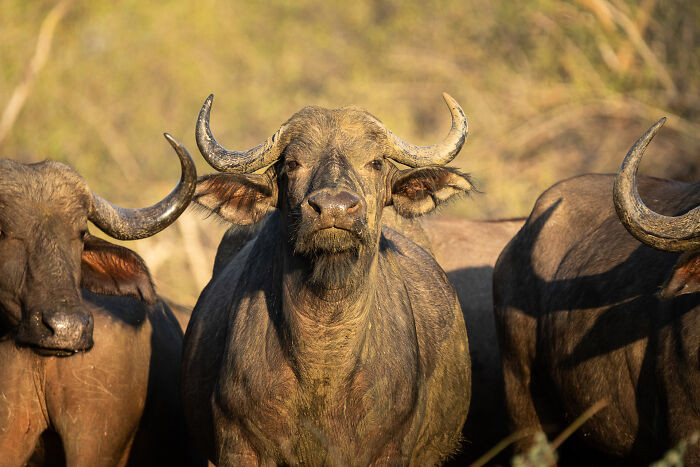
"I See You"
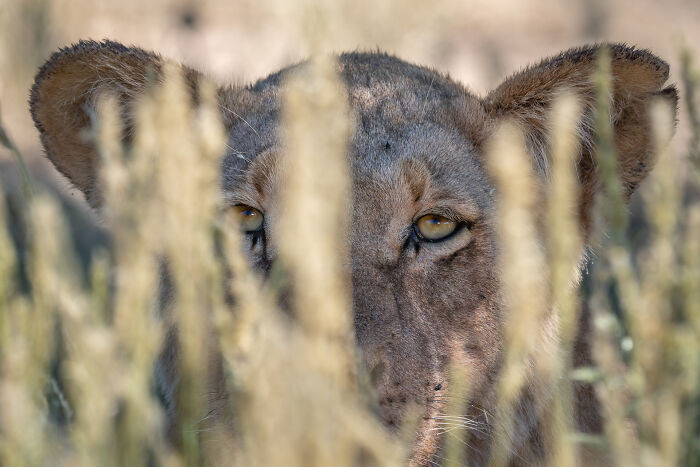
"A Life Lived"
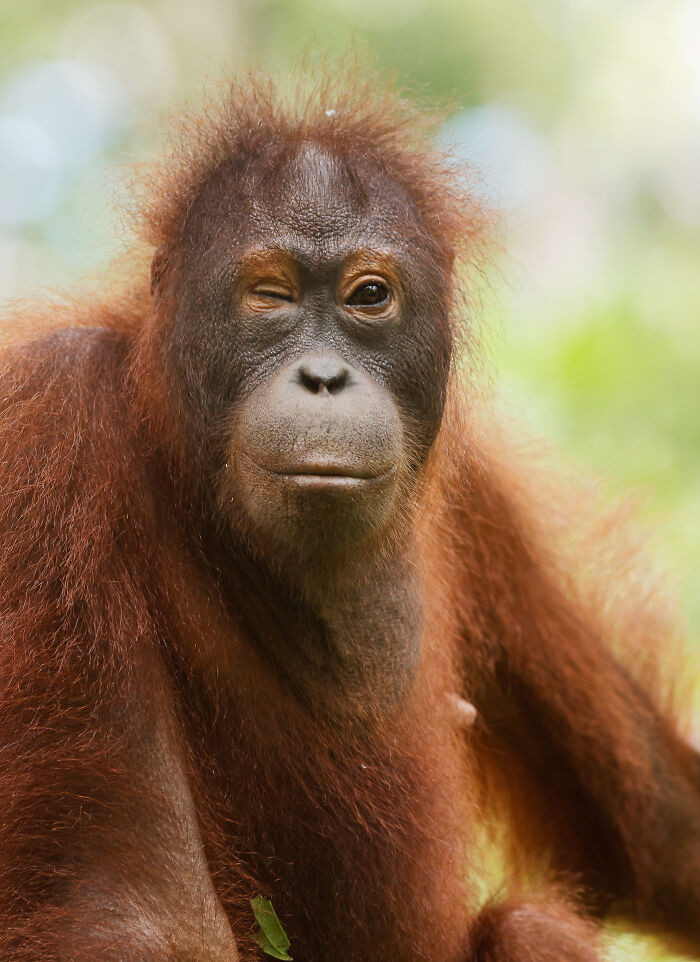
And when she swings from the Arctic’s frozen ridges to Southern Africa’s sweltering jungles, the gap between what people expect and what animals actually do gets painfully obvious.
A Growing Discontent
The public's growing discontent with imagery speaks to a larger societal desire for authenticity. In a world saturated with digital perfection, there's a yearning for the imperfect, the genuine, and the real. This sentiment resonates deeply with readers who may feel overwhelmed by the inauthenticity that often floods social media feeds.
By showcasing wildlife photography, the article reminds us that nature doesn't conform to our idealized standards. The tension between AI's capabilities and the rawness of real life reflects a broader conversation about our values in an increasingly virtual world.
And if you’re drawn to the patience behind the lens, explore the raw human emotion driving the Siena International Photo Awards.
"Sunseeker"
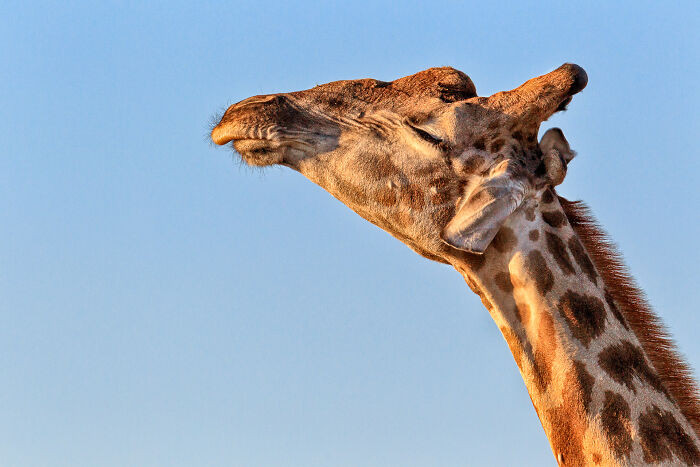
"Mom, Stop!"
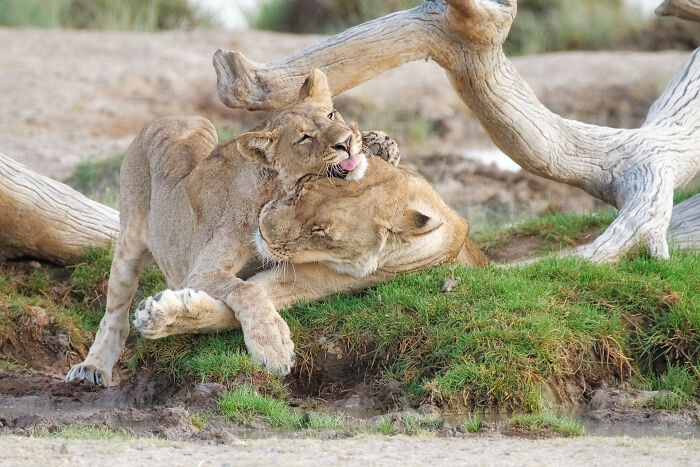
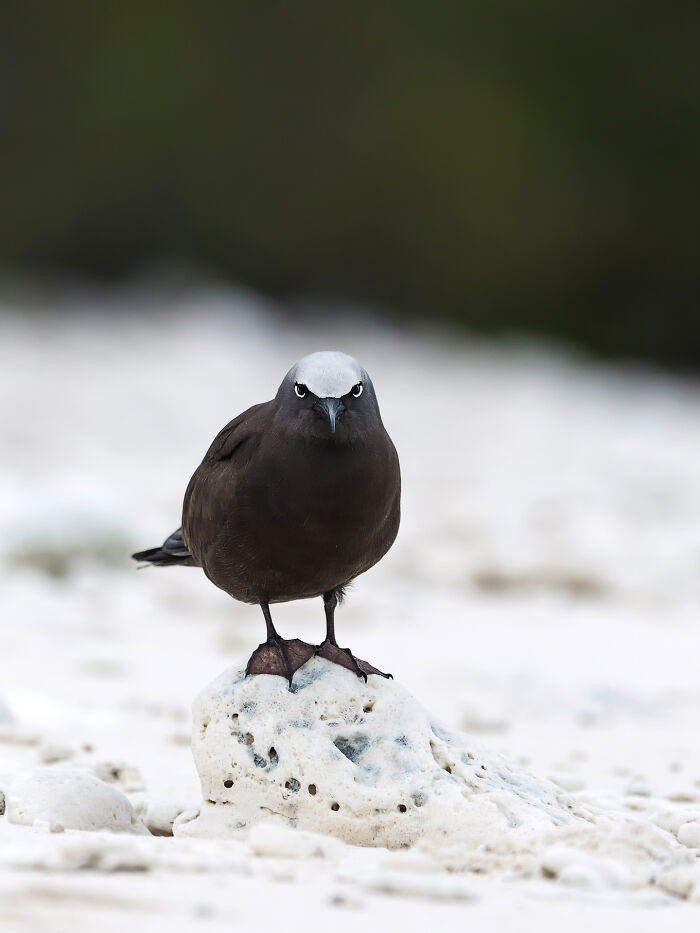
"The Angry Minimalist"
A Call to Slow Down
In fast-paced digital landscapes, this article serves as a poignant reminder that not everything can or should be rushed. The title hints at the very essence of nature: its rhythm and cycles can't be hurried. Wildlife photographers embody this truth as they often wait for extended periods to capture their subjects in their most authentic moments.
This slower approach contrasts sharply with the instant nature of AI, which can produce images in seconds. It raises an important question: in our quest for speed and perfection, are we sacrificing the deeper connections we can have with our environment and the stories it tells?
"The Thinker"
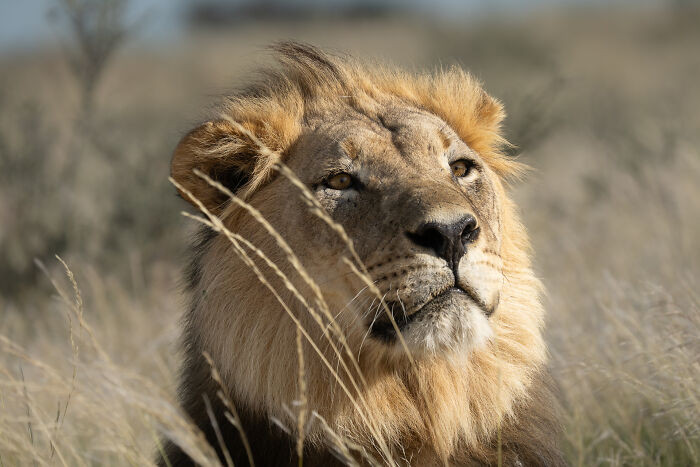
"Caught Ya"
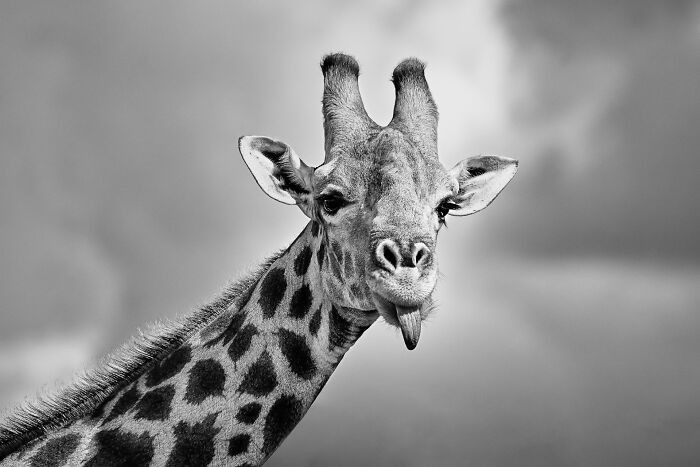
"Pink Silence"
This is where the whole perfection versus grit conflict hits, because Anette’s 28 awards and National Geographic features still do not change the fact that nature plays by its own rules.
The Moral Complications
The moral implications of using AI to generate wildlife imagery can't be ignored. With the rise of this technology, we face a dilemma: is it ethical to replace genuine experiences with something created by a machine? While AI can produce stunning visuals, it lacks the emotional depth and narrative context that come from real-life encounters.
This article invites readers to consider the consequences of relying on AI for art and storytelling. Are we undermining the very essence of what makes nature photography special? The push and pull between technology and authenticity is a debate that’s only just beginning.
"The Look Of Focus"
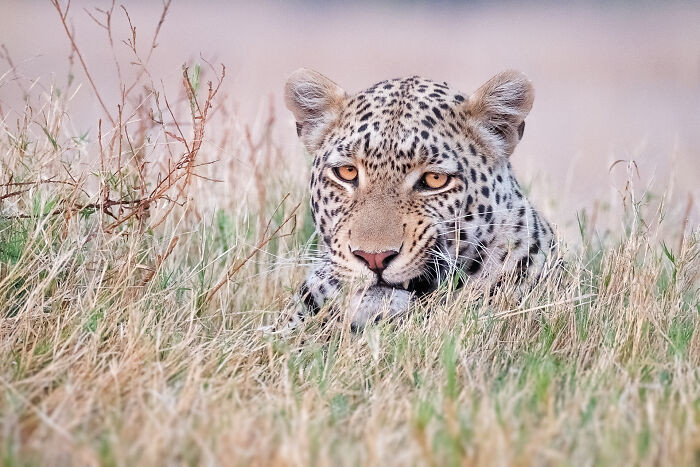
"Caught In The Act"
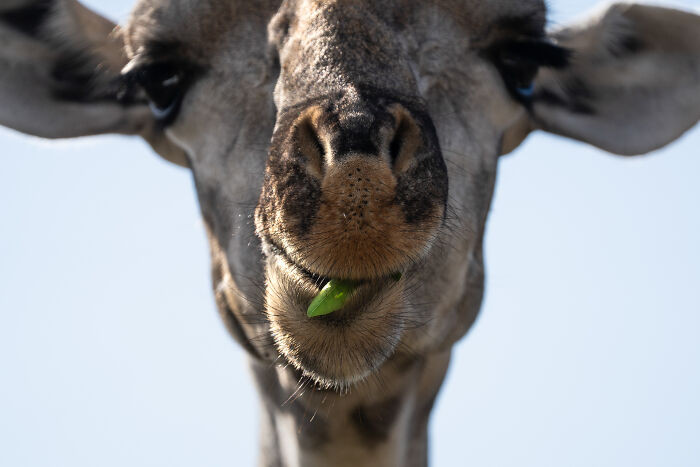
"The Judgment"
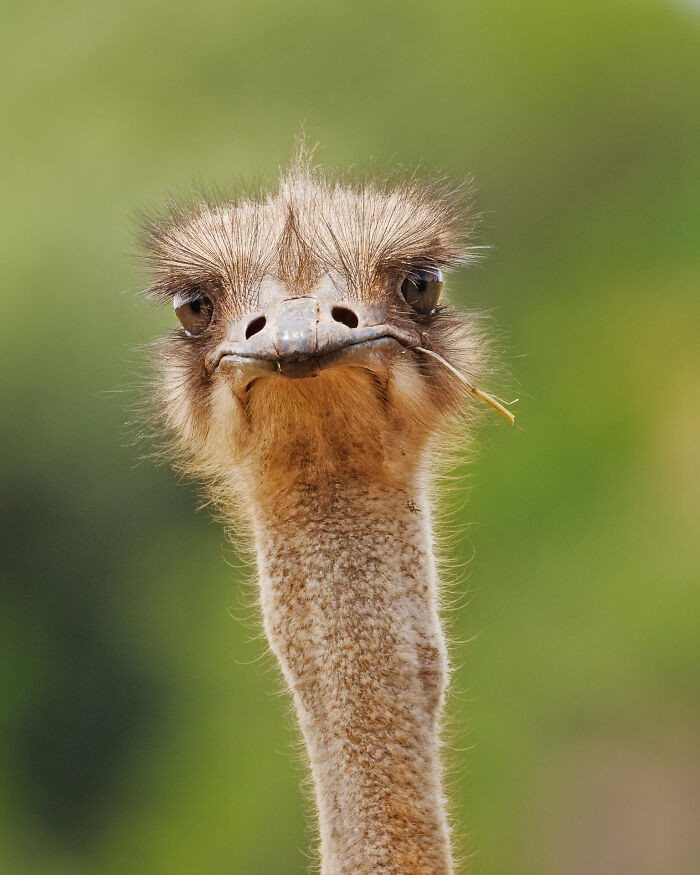
By the time you see her hand-captured fine art prints, you realize the real “competition” is between an instant filter and a moment that took days to show up.
The community reaction to this article has been diverse, with some readers celebrating the return to authenticity while others argue that AI can enhance creativity. This split reflects a broader societal divide about technology's role in art. Some see AI as a tool for exploration, while others view it as a threat to traditional forms of expression.
This discourse is vital, as it challenges us to articulate our values around nature and art. Are we willing to embrace the imperfections of reality, or do we prefer the sleek allure of images? This conversation is crucial as we navigate our relationship with technology.
"The Morning After"
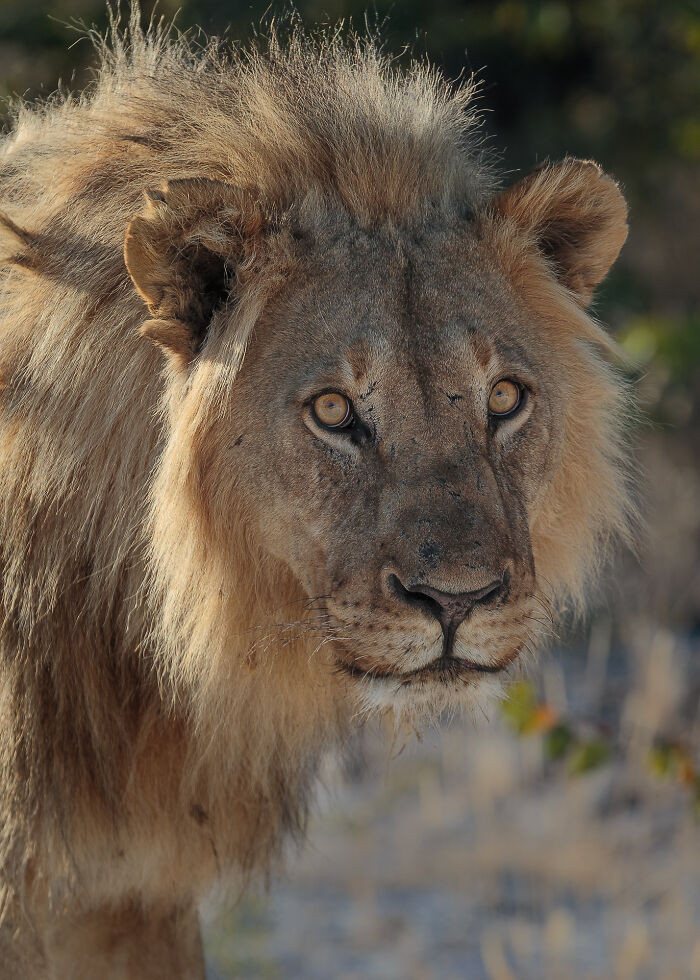
"The Art Of Doing Nothing"
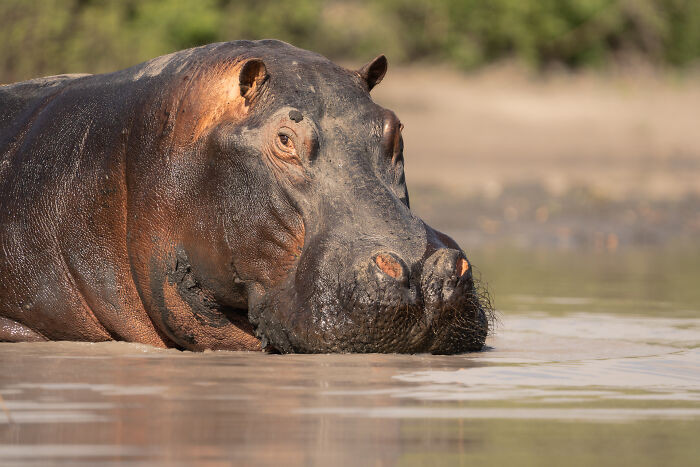
"The Welcoming Committee"
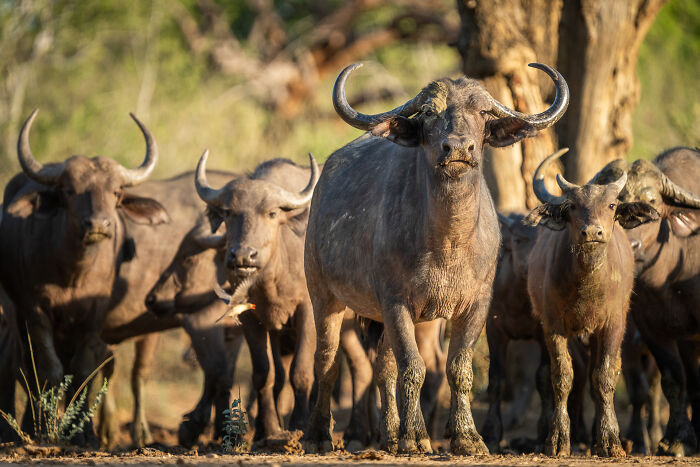
The Essence of Time
Time is a recurring theme in this piece. The article emphasizes how wildlife photographers invest hours, days, or even weeks waiting for the right moment. This notion of time contrasts starkly with the instantaneous nature of AI imagery, which can be produced at a moment's notice.
By focusing on the essence of time in wildlife photography, the article asks readers to think about what it means to truly engage with nature. In our busy lives, do we take the time to appreciate the world around us? These photographs remind us that beauty often lies in the waiting, a lesson that feels increasingly relevant today.
The magic isn't in the perfect lighting or a staged pose; it’s about that raw, unscripted moment that actually happened. While AI can simulate beauty, it can’t replicate the numb legs and the quiet thrill of a hard-earned wait.
We need to value the soul of a genuine shot over digital perfection. Let’s stop chasing the flawless and start celebrating the messy, beautiful truth of being a witness.
This article compellingly illustrates the tension between perfection and the authentic experiences that wildlife photography offers. It challenges readers to reconsider their relationship with both nature and technology. As we navigate this complex landscape, the question remains: will we choose the quick fix of digital perfection or embrace the messy, beautiful reality of the natural world? In a society that often prioritizes speed, perhaps it's time we slow down and savor the moments that truly matter.
If you want nature on your schedule, Anette’s photos will ruin that plan.
Want more fragile beauty like these AAP Magazine winners, see the wildlife photos redefining modern nature photography.
Share this article: