
Exploring The Raw Human Emotion Behind The Siena International Photo Awards

The Siena International Photo Awards don’t just hand out trophies, they freeze raw emotion into frames that feel almost too real to look at for long. One image can hit like a memory you forgot you had, and suddenly you’re not watching a photo anymore, you’re standing inside someone else’s moment.
Take Tzahi Finkelstein’s “The Happy Turtle,” and it’s not the cute title that grabs you, it’s the contrast it sets up, joy pressed against a backdrop that feels unforgiving. Or consider Talal Al Rabah’s “Naughty Boy,” Mousam Ray’s “Floral Bath Tub,” and the way these works keep tugging at the same thread: beauty, mischief, and tenderness, all tangled with hardship and the bigger world around it.
By the time you reach Sascha Fonseca’s “The World Is Mine” and Peter Lik’s “Spirit Of The Universe,” you realize the awards are really about the human mess behind the lens, not just the camera trick.
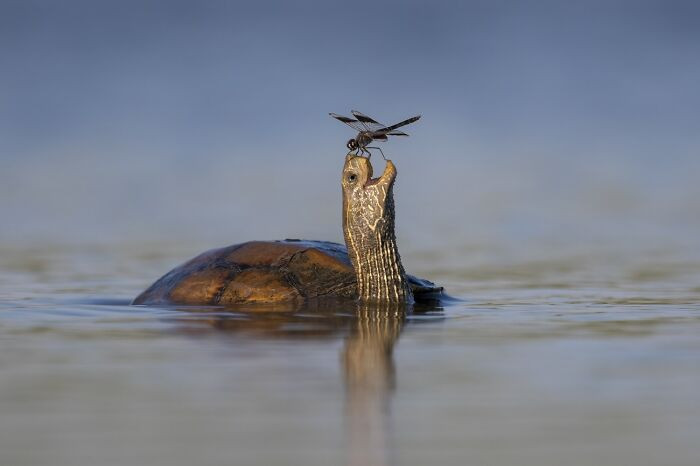
“The Happy Turtle” By Tzahi Finkelstein
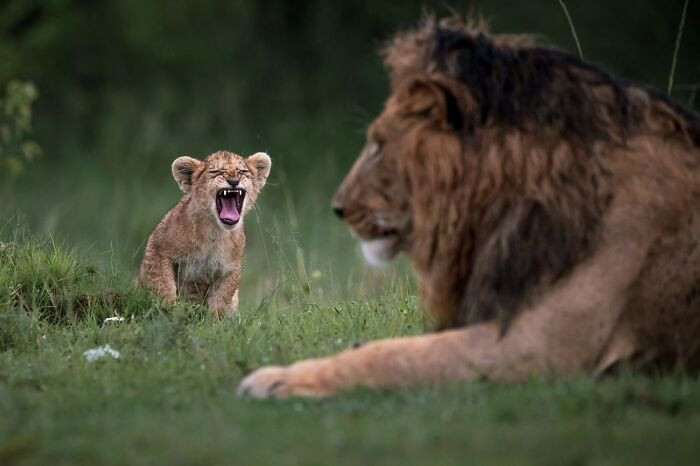
“Naughty Boy” By Talal Al Rabah
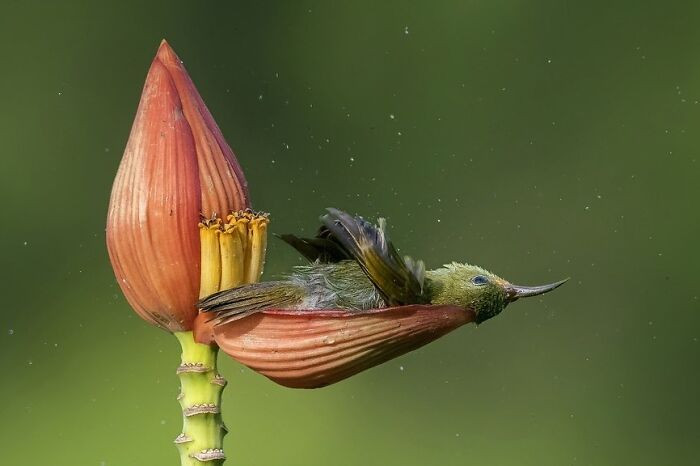
“Floral Bath Tub” By Mousam Ray
The Power of a Single Moment
The Siena International Photo Awards really highlights how just one well-timed shot can encapsulate complex human emotions. Each photo isn't merely a picture; it's a narrative that invites viewers to dive deeper into the story behind the image. For instance, capturing a child's laughter against a stark backdrop of poverty not only shows beauty but also raises questions about inequality. This juxtaposition resonates powerfully, pushing viewers to reflect on their own experiences with joy and hardship.
These images create a visceral connection that goes beyond aesthetics, urging us to engage with the narratives woven through them. That’s the genius of this award—it's not about the technical prowess alone but about the human stories that photos can tell.
“The World Is Mine” By Sascha Fonseca
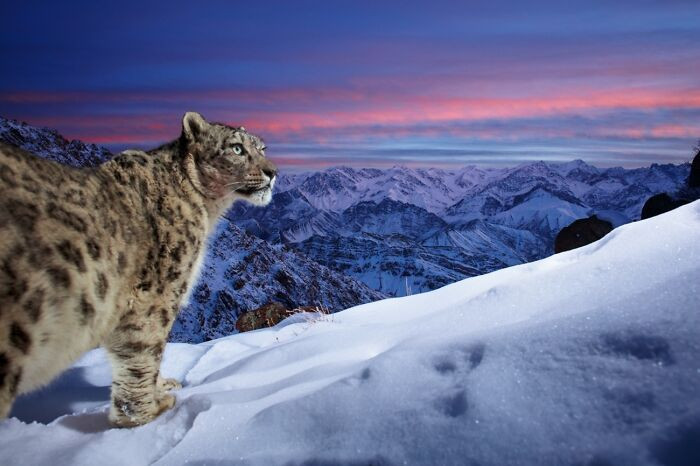
“Spirit Of The Universe” By Peter Lik
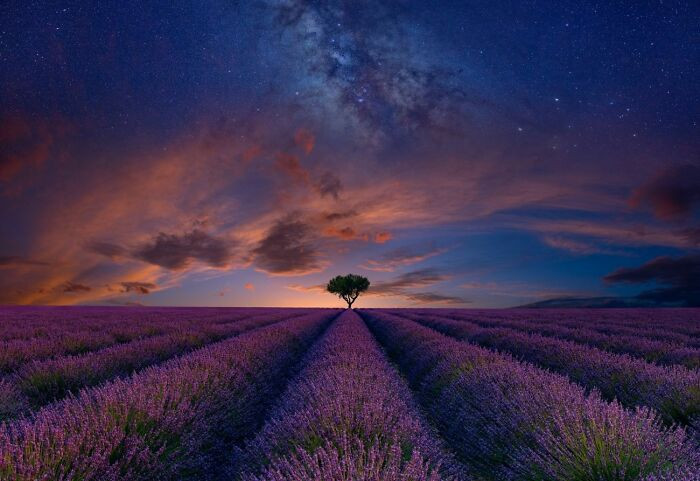
“Stars At Waterhole” By Rajarshi Banerji
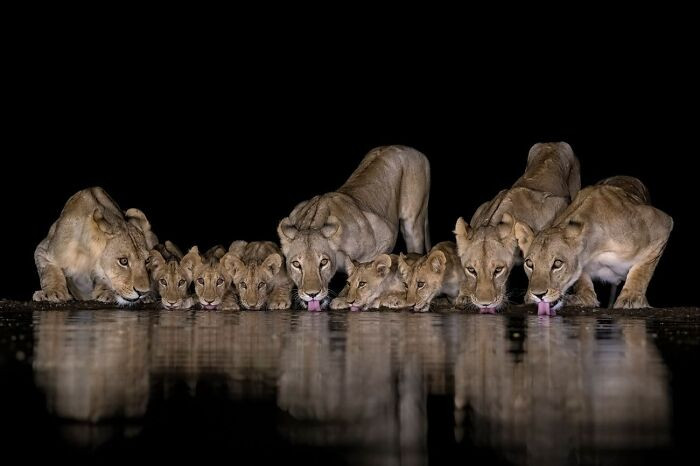
Behind the Lens: A Cultural Reflection
The photographers showcased in the Siena International Photo Awards often operate in environments that challenge both their skills and their perspectives. When they choose to document themes like migration, conflict, or cultural celebrations, they're not just snapping photos; they're engaging with complex socio-political landscapes. For instance, a photographer capturing the resilience of a community in crisis isn't just an observer but a participant in that story.
This layered involvement raises ethical questions about representation and responsibility. How do these artists balance their roles as documentarians and advocates? This tension is what makes the awards so intriguing, pushing us to think about the implications of their work.
“Eye To Eye” By Bence Mate
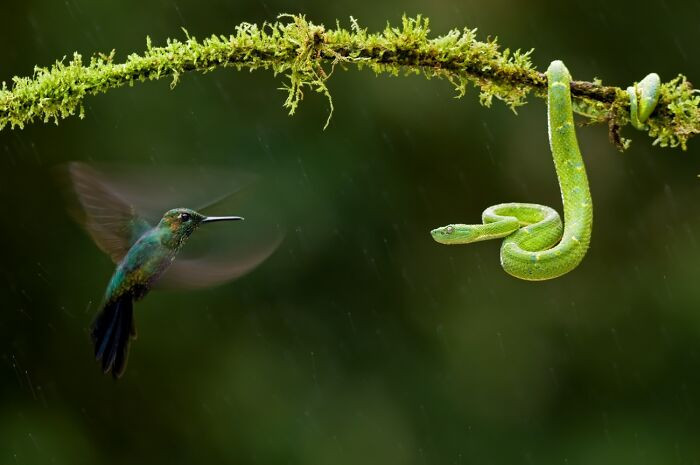
“Pretty Thief” By Patrizia Ricci
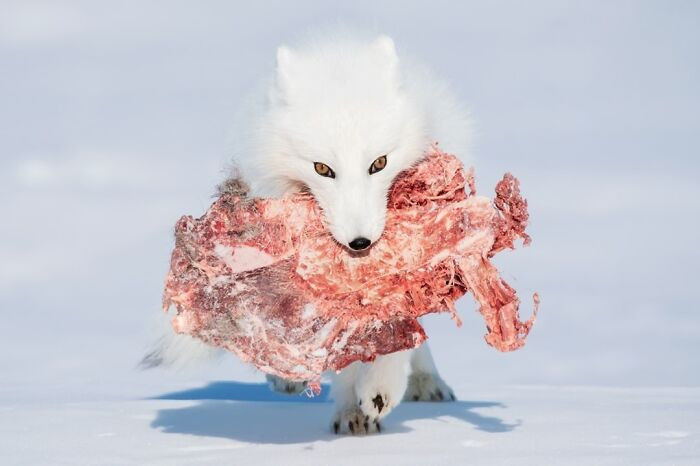
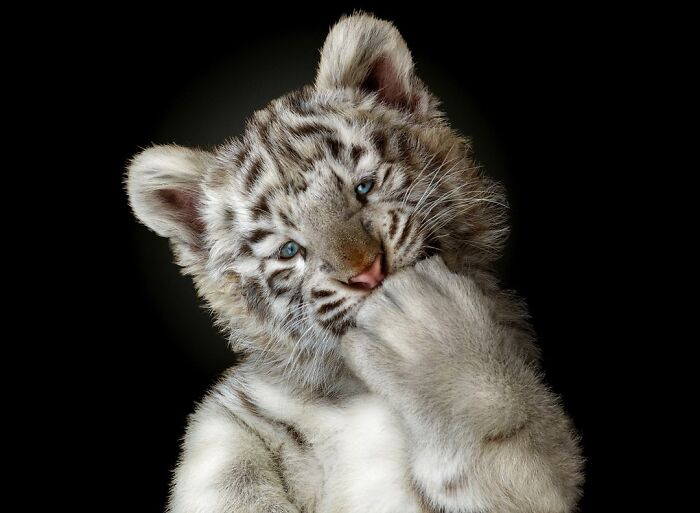
“Oops! Did I Scare You?” By Pedro Jarque
The Emotional Impact of Visual Storytelling
One of the most compelling aspects of the Siena International Photo Awards is how they reveal the raw emotions tied to global events. Each photo serves as a reminder of shared humanity, whether it’s a moment of joy, sorrow, or resilience. This emotional weight resonates strongly with audiences, especially in a world filled with constant, often overwhelming news cycles.
By presenting these snapshots of life, the awards create a space for reflection and connection. Viewers are prompted to consider not just what they see but how those moments relate to their own lives. It’s a powerful reminder that while we may live in different contexts, our emotional experiences can be strikingly similar.
“This Is My Jungle!” By Sergey Savvi
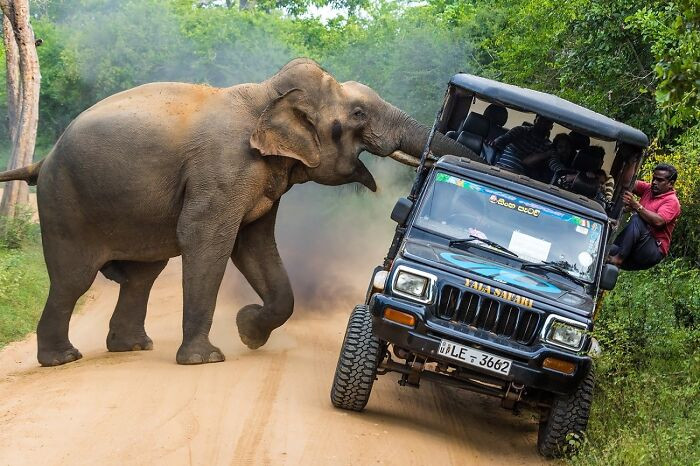
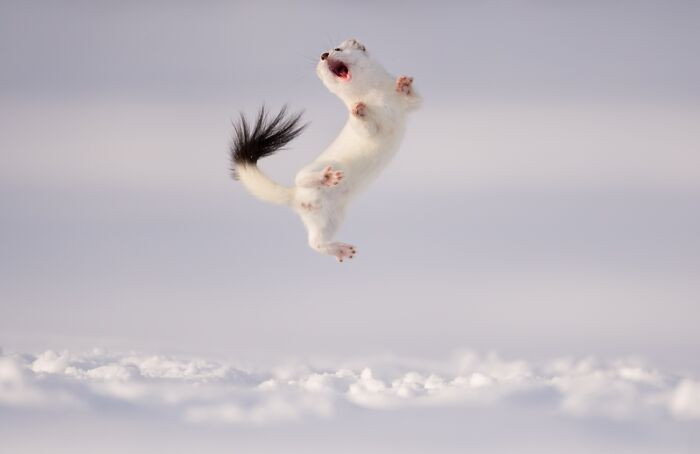
“Stoat's Game” By Jose Grandío
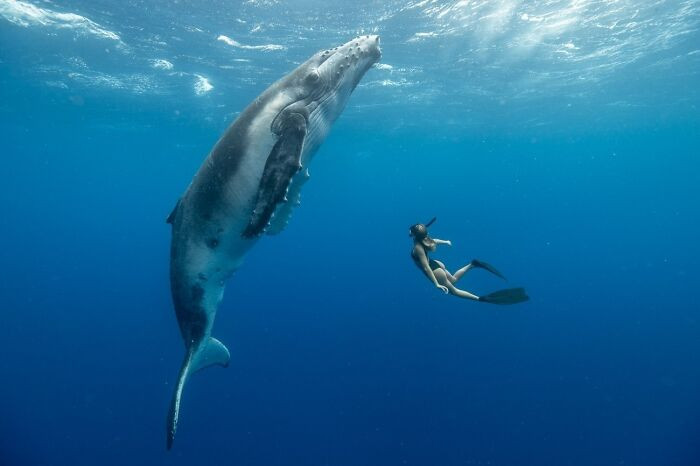
“Two Worlds” By Karim Iliya
That’s why “The Happy Turtle” by Tzahi Finkelstein hits harder than it should, because the laughter feels earned, not staged.
The Ethics of Representation
The awards bring to light a crucial conversation about the ethical responsibilities of photographers. When images of suffering or struggle are showcased, it raises questions about exploitation versus advocacy. Are the photographers capturing these moments to raise awareness, or are they merely profiting from someone else's pain? This moral grey area can lead to heated debates within the photography community.
For example, when a photographer decides to highlight the plight of refugees, it’s vital to consider how that narrative is framed. Are they providing agency to their subjects or reinforcing stereotypes? The answers to these questions can dramatically influence how viewers perceive the images and the stories they tell.
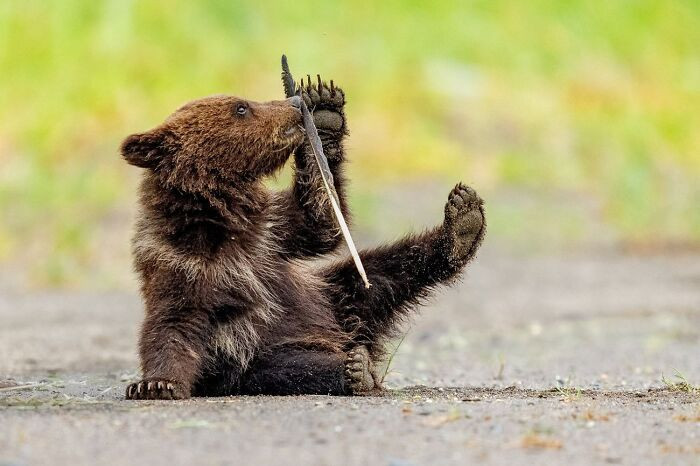
“Feather Cub At Play” By Charles Janson
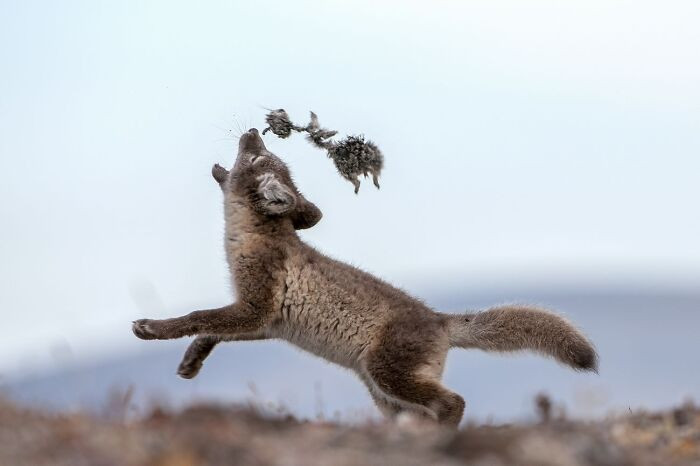
“Arctic Fox” By Sergey Gorshkov
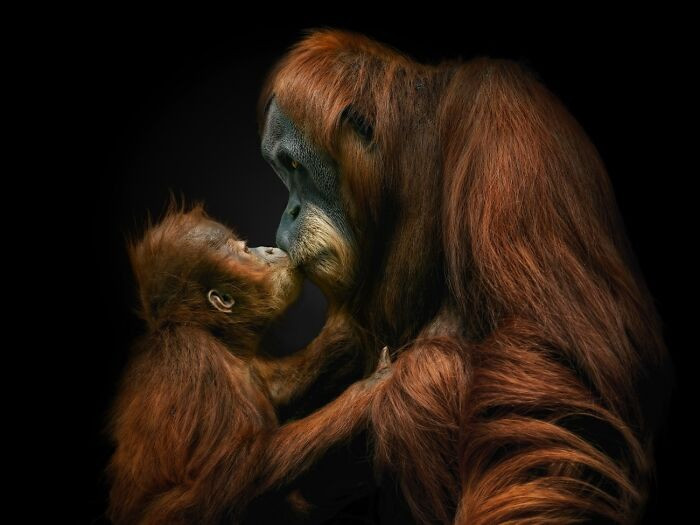
“Deep Bonds” By Pedro Jarque Krebs
Audience Engagement: More Than Just Aesthetic
What’s fascinating about the Siena International Photo Awards is how they engage not just seasoned photographers but also everyday viewers. The ‘Photo of the Day’ series generates a sense of anticipation and community, allowing audiences to connect with each other over the shared experience of visual storytelling. It’s more than just appreciating art; it’s about participating in a dialogue about the human condition.
This level of engagement fosters a community that can debate and discuss the implications behind each image. The emotional responses elicited from viewers often lead to deeper conversations about the issues depicted. In this way, the awards become a platform for collective reflection and action.
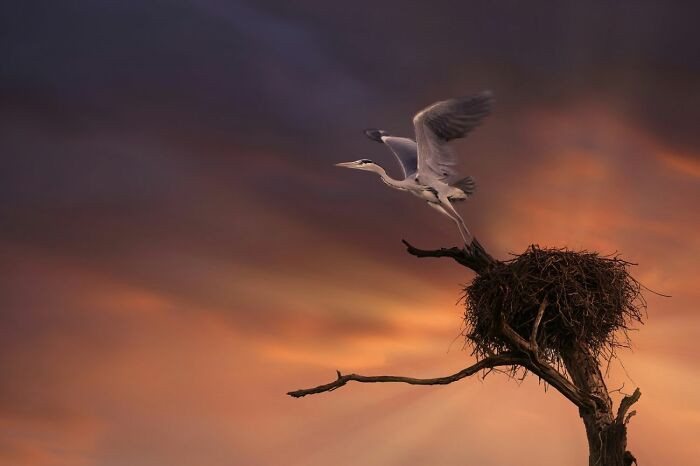
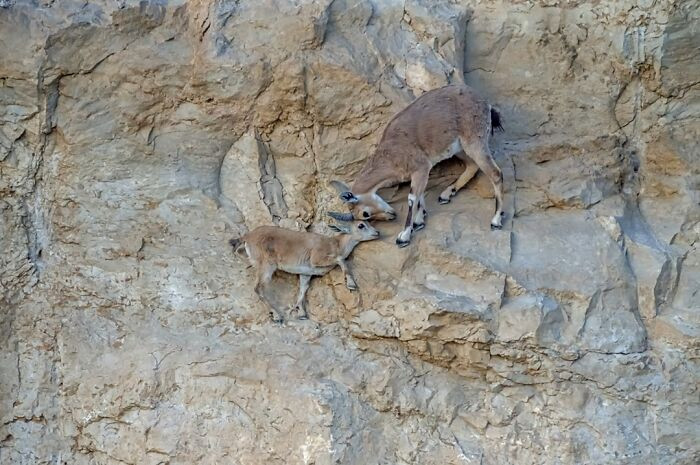
“Heron Taking Off” By Zdeněk Vošický
“Mother Cares” By Nachum Weiss
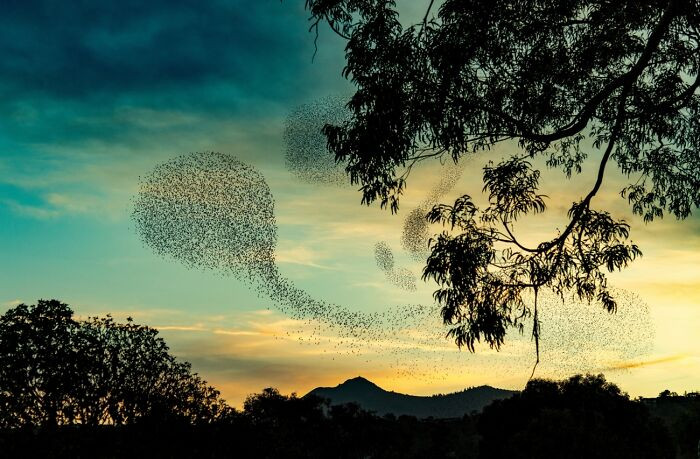
“Murmuration Sunset” By Aya Okawa
In an era where smartphone cameras are ubiquitous, the Siena International Photo Awards still manages to elevate traditional photography to an art form. The distinction between amateur and professional work seems blurred, yet the awards showcase how technical skill, vision, and a unique perspective remain crucial elements in impactful photography. It’s not just about having the latest gear; it's about how one perceives and captures a moment.
This tension between accessibility and expertise adds an interesting layer to the competition. It challenges aspiring photographers to think critically about their craft and encourages them to find their own voices in a saturated market. It’s a reminder that at its core, photography is about capturing stories, no matter the equipment used.
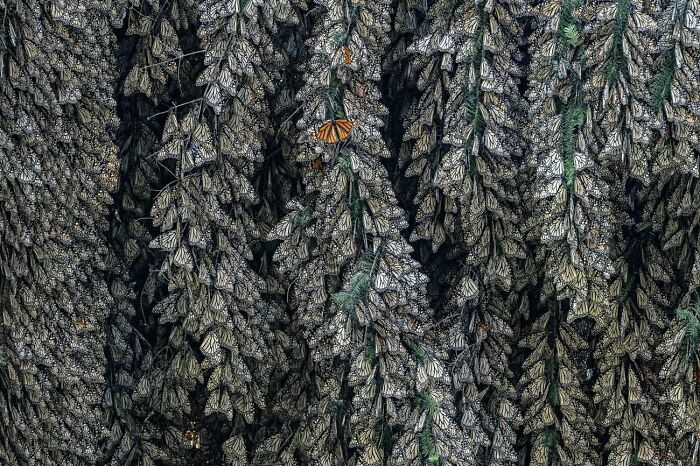
“The Last Monarch” By Jaime Rojo
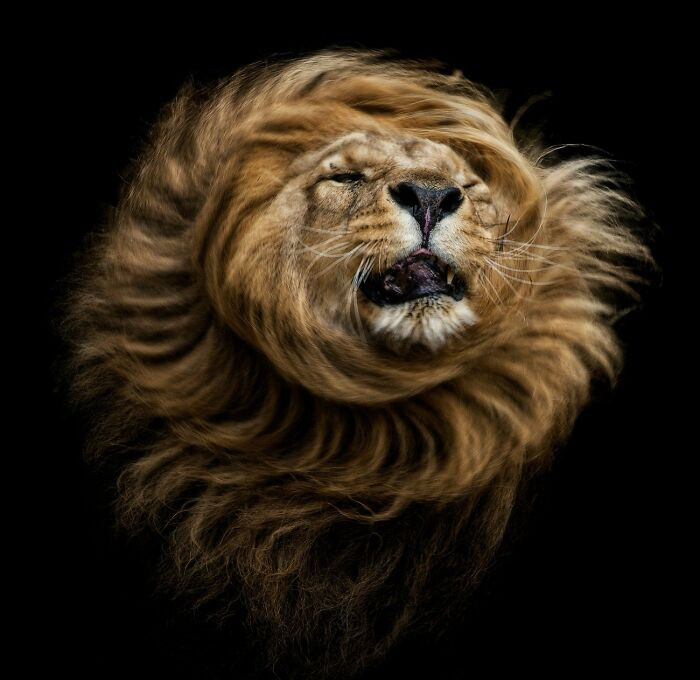
“The Sun King” By Pedro Jarque Krebs
“Bathing With Giants” By Hannes Lochner
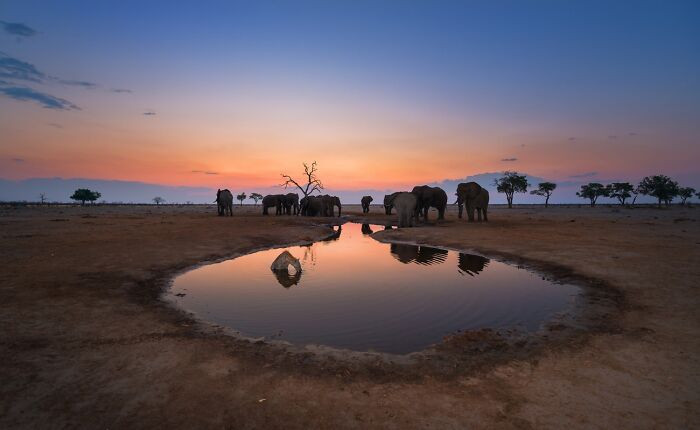
Celebrating Diversity Through Photography
The Siena International Photo Awards does an impressive job of highlighting the diversity of human experiences across cultures.
“Warrior” By Hugo Hebbe
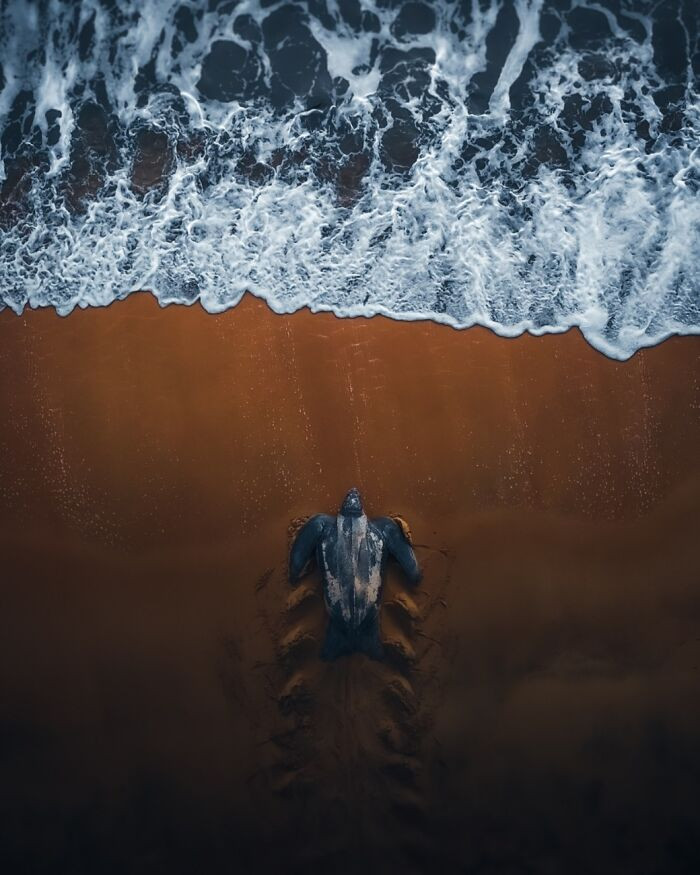
“The Laughing Panda” By Dafna Ben Nun
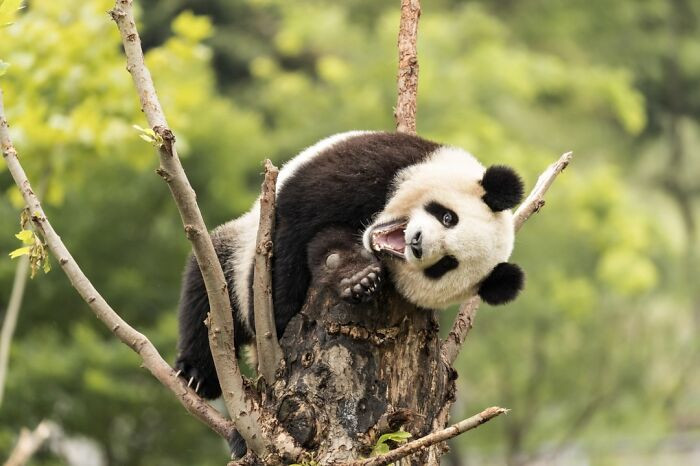
“Bambi” By Geza Attila Szabo
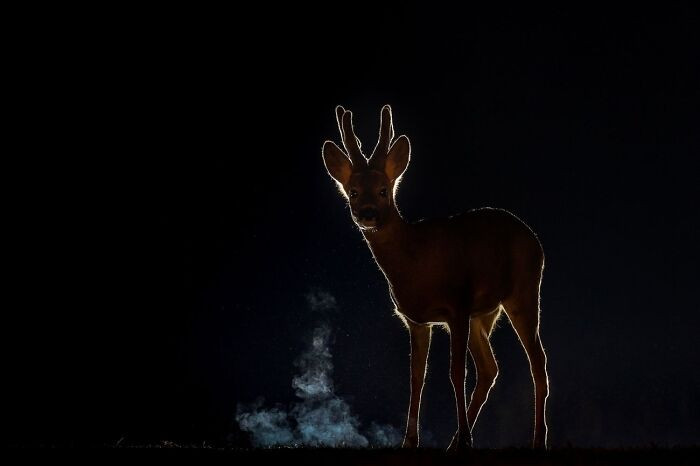
Then “Naughty Boy” by Talal Al Rabah and “Floral Bath Tub” by Mousam Ray shift the mood, turning everyday scenes into emotional traps you can’t unsee.
The Intersection of Art and Activism
One of the most compelling aspects of the Siena International Photo Awards is how it blurs the lines between art and activism. Many of the captured moments serve as visual protests against social injustices, making each photo a powerful call to action. For instance, an image depicting environmental devastation can spark conversations about climate change and responsibility.
This intersection invites audiences to not just appreciate the aesthetic value of the images but also to engage with the urgent issues they represent. It’s a reminder that art can be a catalyst for change, inspiring viewers to reflect on their own roles in addressing these global challenges.
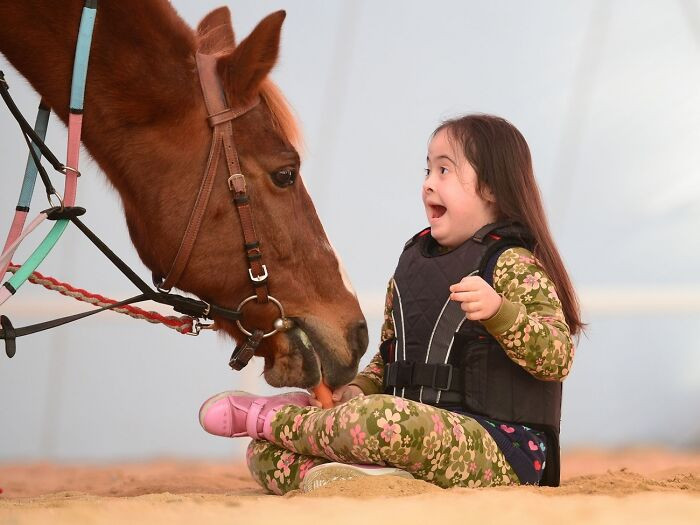
“Horse And Girl Happy” By Kadir Civici
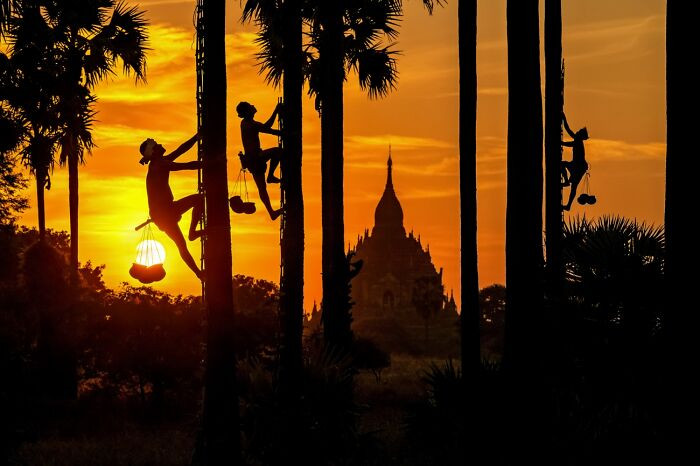
“Tapping Sun Into The Pots” By Zay Yar Lin
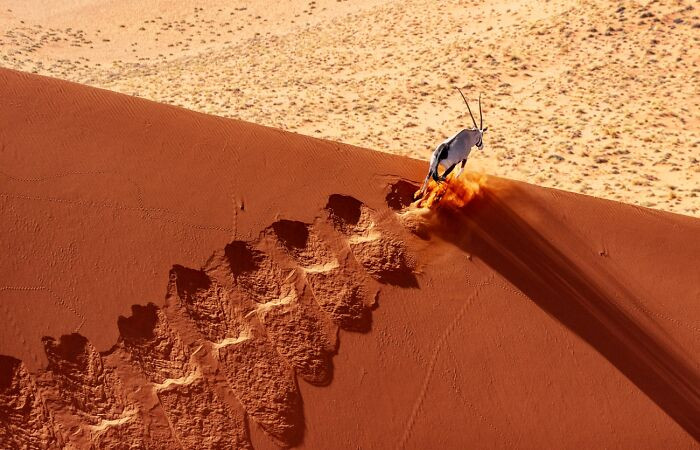
“Travels To The Edge - Namib Desert Oryx” By Prince Eleazer
Lessons in Vulnerability
The raw intimacy captured in many of the photos from the Siena International Photo Awards reveals a profound lesson in vulnerability. When photographers choose to document moments of sorrow, joy, or resilience, they invite us to confront our own vulnerabilities. For example, a striking image of a grieving parent can resonate deeply, urging viewers to consider their own experiences with loss.
This openness creates a space for empathy and understanding. As audiences, we are not merely passive observers; we become participants in the stories being told. This emotional engagement is what makes the awards so impactful, encouraging a dialogue that transcends cultural and geographical boundaries.
If you’re drawn to emotion like Siena’s “The Happy Turtle,” you’ll love these award-winning animal photos capturing life, emotion, and movement.
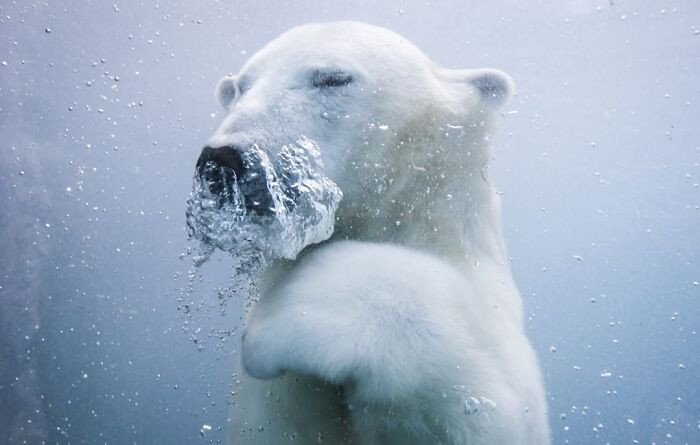
“Polar Bear” By Mathieu Belanger
“Judique” By Robert Macinnis
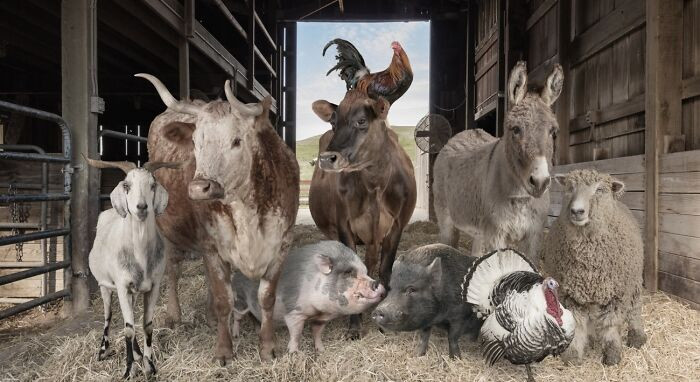
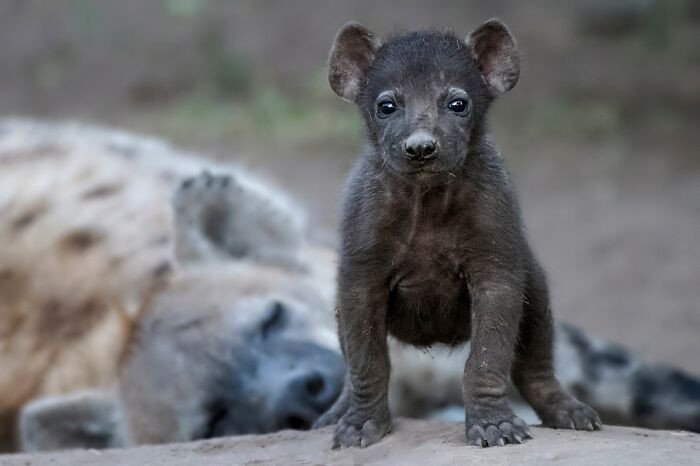
“Hyena With Pup” By Johan J. Botha
The Siena International Photo Awards underscores the significance of cultural context in photography. Each image tells a story that’s deeply rooted in its environment, and this can evoke a wide range of emotions and reactions from viewers. For instance, a photograph capturing a traditional celebration can evoke nostalgia and pride for those within that culture, while it might serve as an exotic curiosity for others.
This duality creates an interesting dynamic in viewer interpretation, leading to discussions about representation and understanding. It challenges us to question our own biases and assumptions about cultures different from our own, making it an essential aspect of the awards.
“The Breakup” By Janessa Anderson
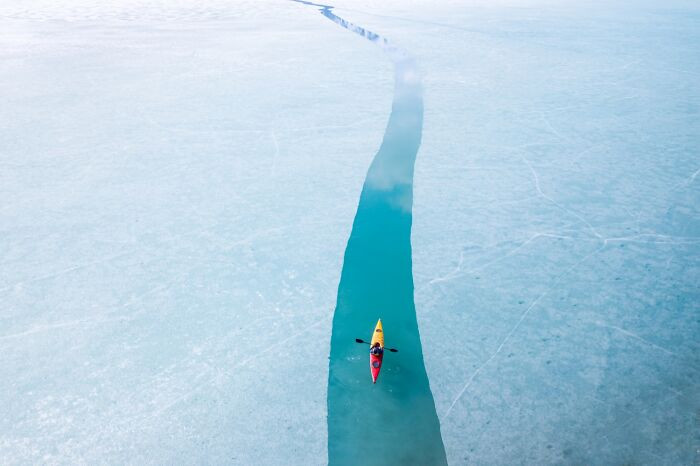
“Digging In” By Rick Beldegreen
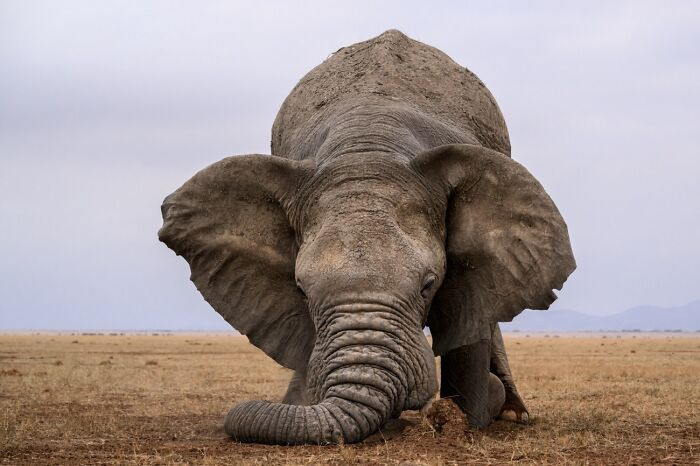
“Invisible” By Marek Biegalski
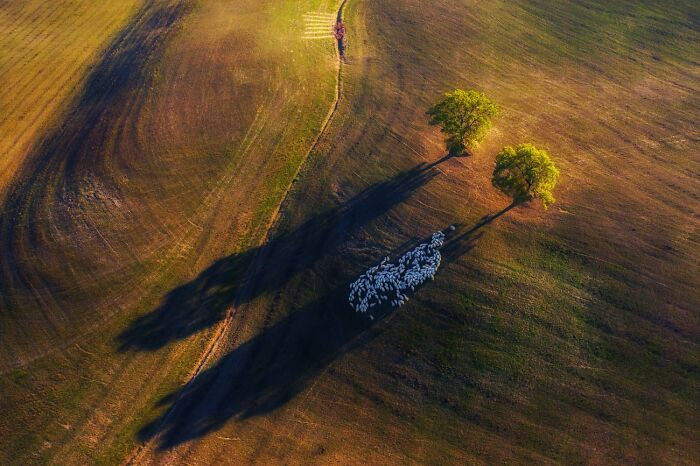
In the world of photography, especially in competitions like the Siena International Photo Awards, there's a delicate balance between aesthetics and the harsh realities that images can depict. A beautifully composed shot of a disaster zone can be visually striking, but it also risks romanticizing suffering. This tension raises important questions about the responsibility of the artist.
Photographers must navigate this fine line carefully, ensuring that while their images may be visually compelling, they do not detract from the gravity of the situation. This ongoing debate adds depth to the awards, encouraging both artists and audiences to reflect on the ethical implications of visual storytelling.
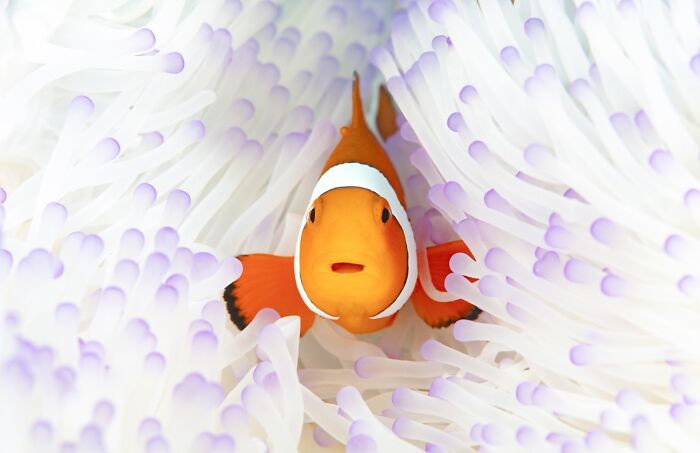
“White House” By Reiko Alice Takahashi
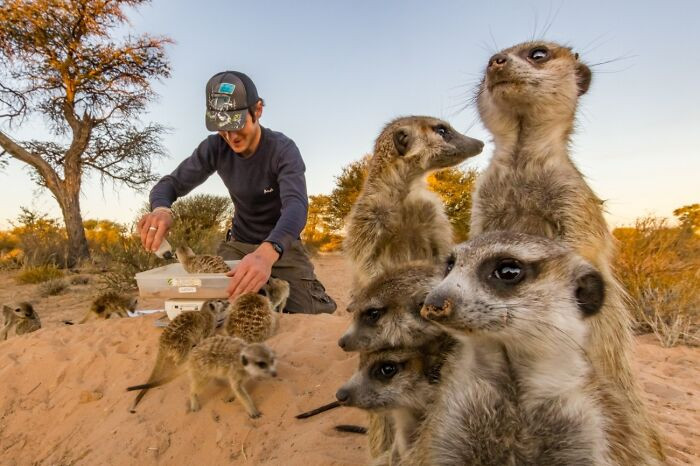
“The Collaborators” By Jenguyton
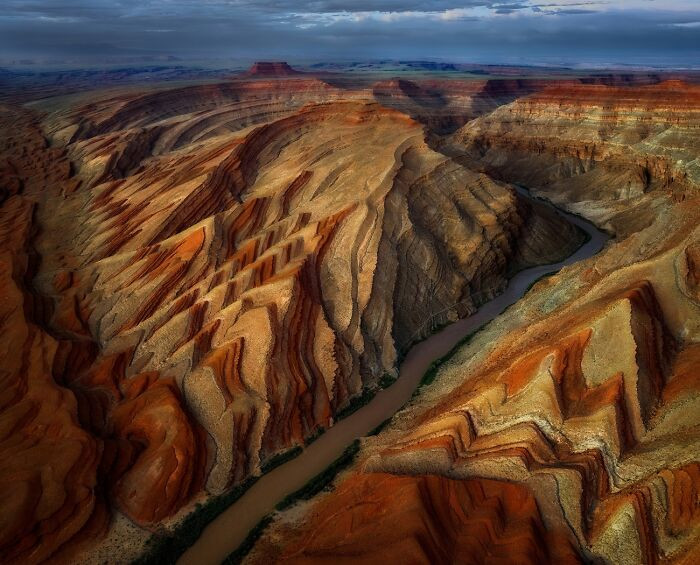
“Art Of The San Juan River” By Douglas Bennett
The Community’s Role in Storytelling
The Siena International Photo Awards serves as a reminder of how community plays a crucial role in storytelling. Many photographers collaborate with local communities to capture authentic narratives, ensuring that the subjects have agency in how their stories are told. This collaborative approach not only enriches the images but also fosters trust and respect between the photographer and the community.
However, it also raises questions about ownership and representation. Who gets to tell the story, and how do we ensure that it’s told accurately? These discussions are vital in creating a more inclusive narrative landscape, making the awards a significant cultural event.
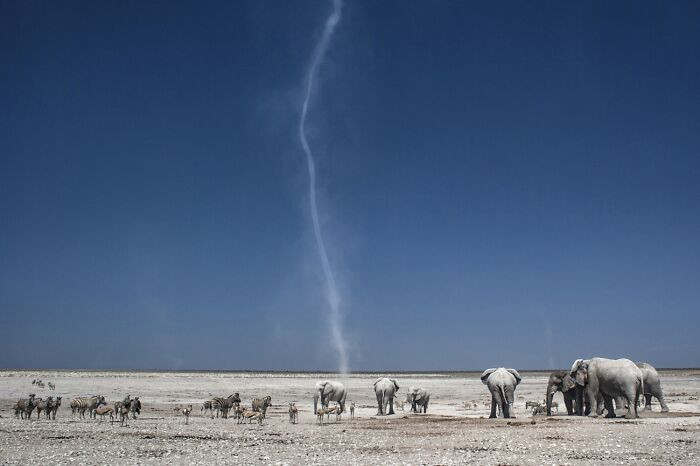
“Etosha Twister” By Jodi Frediani
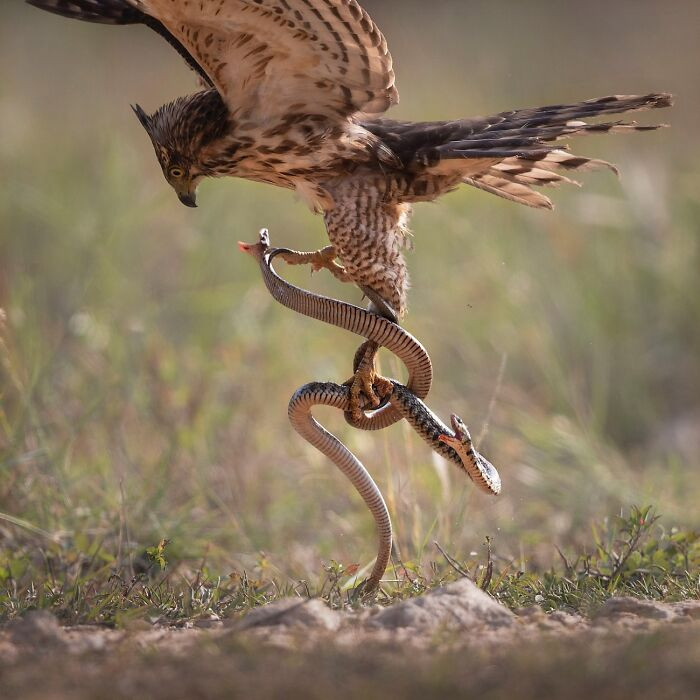
“Skull Smoking” By Daniel Viñé Garcia

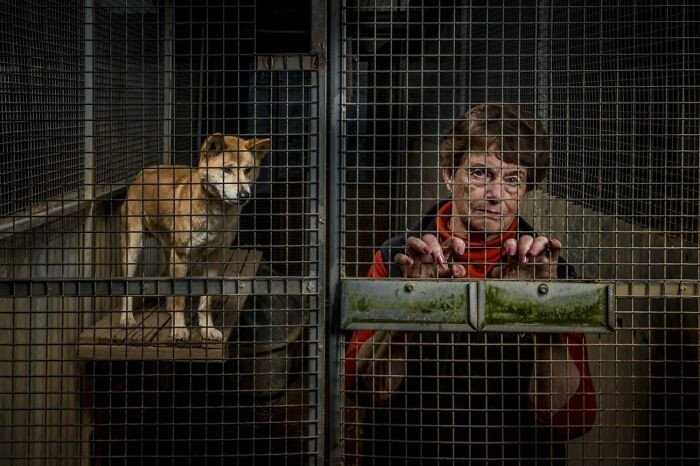
“On The Side Of Dingos” By Doug Gimesy
And once you land on “The World Is Mine” by Sascha Fonseca, the award stops feeling like a gallery and starts feeling like a moral argument about who gets to be seen.
In the world of photography, the emotional impact of an image can significantly enhance viewer engagement. The Siena International Photo Awards showcases this principle beautifully, with many images eliciting strong emotional responses. When viewers connect with a photograph on an emotional level, it often leads to a more profound understanding of the issues represented.
This emotional resonance is what makes the awards stand out. It transforms a simple photo into a conversation starter, inviting viewers to reflect on their own lives and experiences. It’s this connection that helps these photographers create lasting impressions and inspire change.
“The Battle” By Jianjun Luo
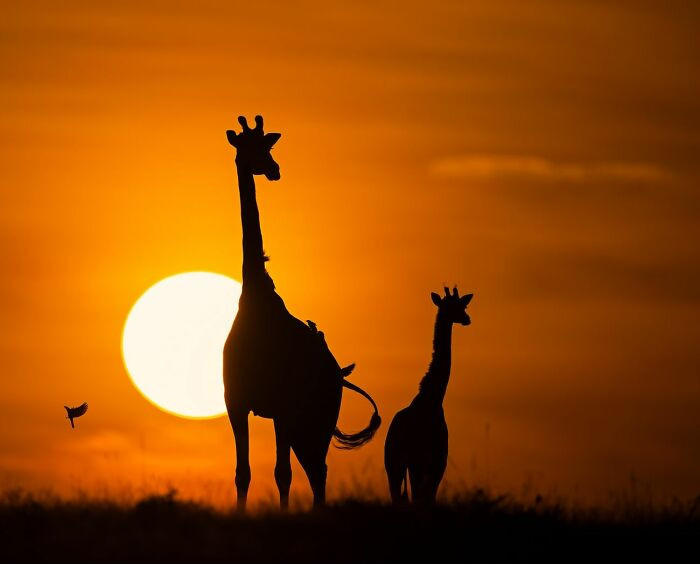
“Light Bulb Giraffe & Oxpeckers” By Raad Al Btoush
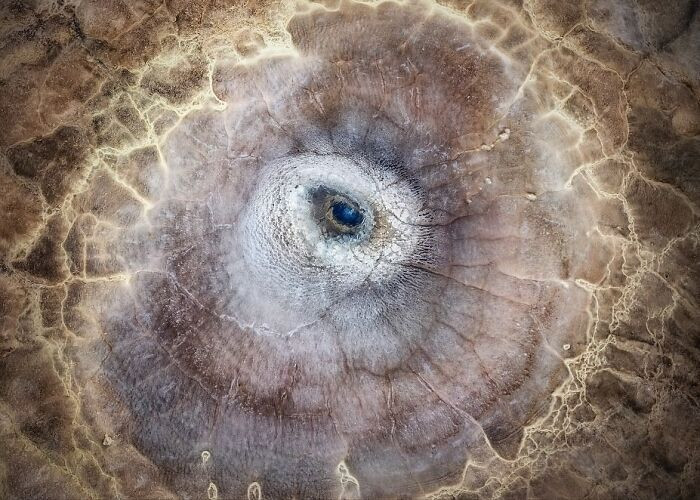
“The Eye” By Pawel Zygmunt
The Intersection of Personal and Collective Stories
What’s particularly fascinating about the Siena International Photo Awards is how individual stories often intersect with collective experiences. A photo of a solitary figure in a crowded street can speak volumes about loneliness in urban life, reflecting broader societal issues. This dual storytelling invites viewers to consider both personal and communal narratives.
This approach encourages a deeper engagement with the images, as audiences are prompted to think about how their personal experiences relate to the wider world. It’s an essential reminder that while we all have unique stories, we’re also part of larger narratives that shape our understanding of humanity.
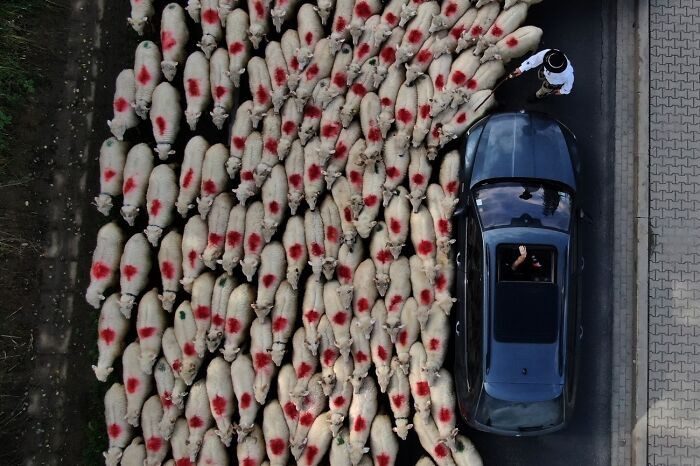
“Traditional Polish Redyk” By Bartlomiej Jurecki
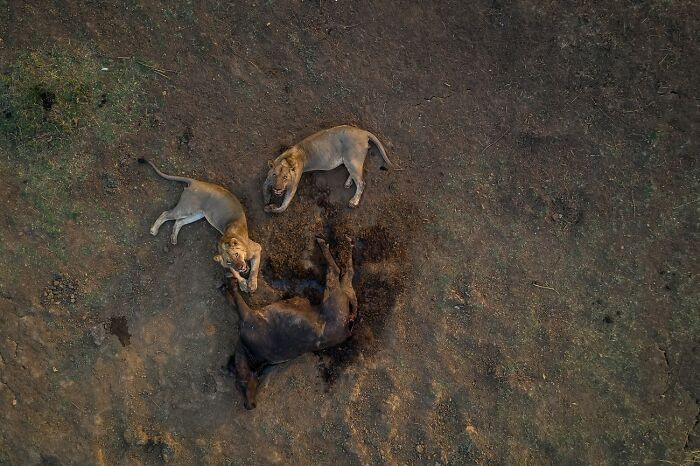
“The Kings” By Igor Altuna
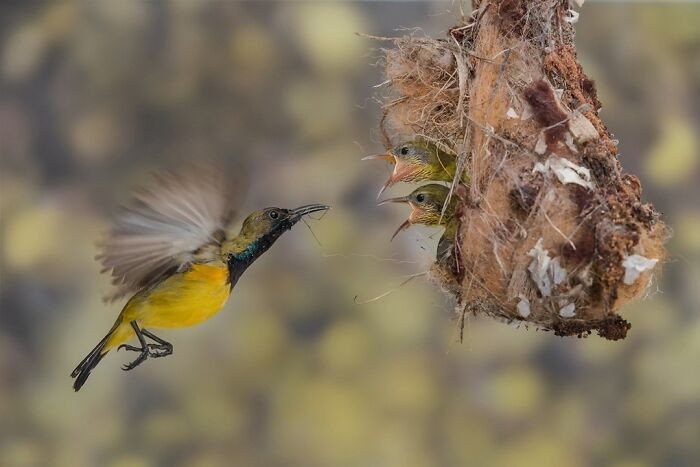
“Daddy Is Here” By Shing Yaw Lee
Why This Competition Matters
The Siena International Photo Awards isn’t just another photography competition; it’s a crucial platform for amplifying diverse voices and stories. In a world saturated with images, the awards shine a spotlight on photographs that challenge the status quo and provoke thought. They encourage photographers to delve into complex themes and emotions, creating a rich tapestry of human experience.
By elevating these narratives, the awards contribute to a greater understanding of global issues, fostering empathy and awareness among audiences. This is why the competition matters—not just for photographers but for anyone interested in the stories that define our world.
“Table Manners” By Bence Máté
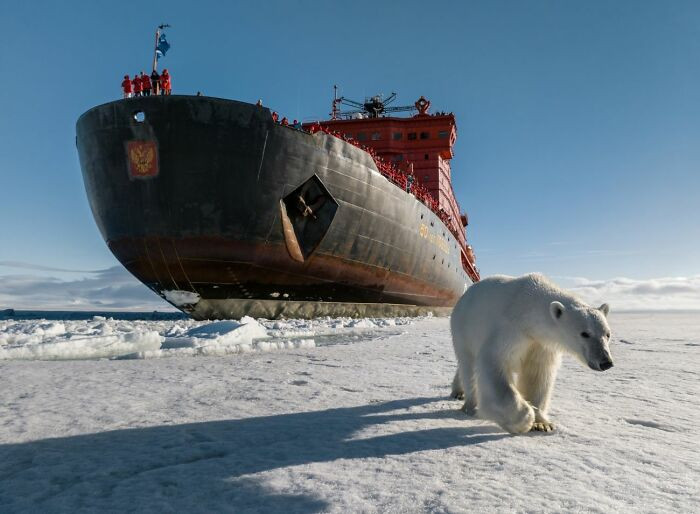
“The Bear On The North Pole” By Vadim Makhorov
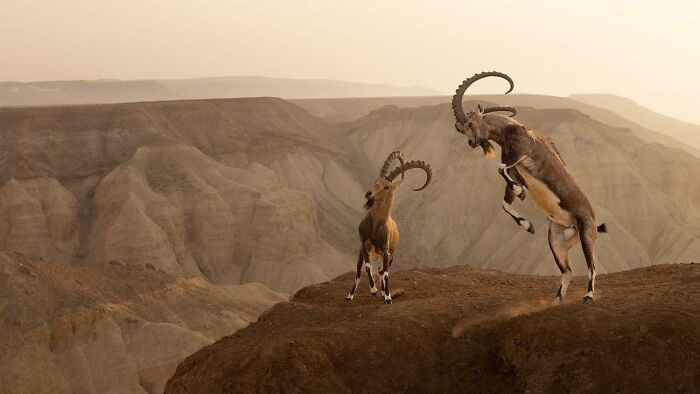
“Life On The Edge” By Amit Eshel
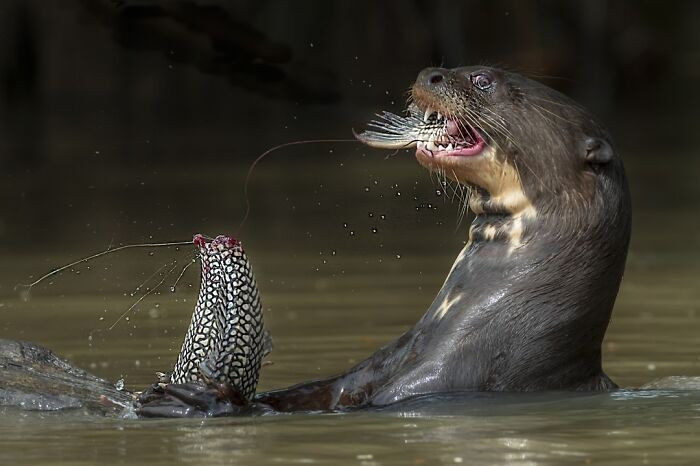
Capturing the Unseen
One striking element of the Siena International Photo Awards is its ability to highlight unseen or underrepresented stories. Many photographers focus on marginalized communities or overlooked issues, bringing them to the forefront of public consciousness. This is particularly important in a media landscape that often prioritizes sensationalism over substance.
By capturing these narratives, the awards encourage viewers to engage with stories they might otherwise ignore. It’s a powerful reminder of the responsibility that comes with storytelling—especially when it involves vulnerable populations. This focus on the unseen adds a layer of urgency to the awards and the stories they represent.
“Heads Or Tails?” By Charles Lynam
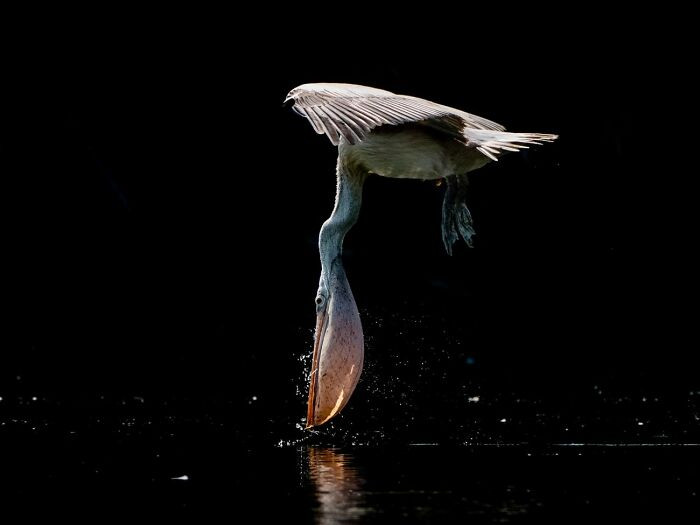
“Pelican Perspective” By Bence Mate
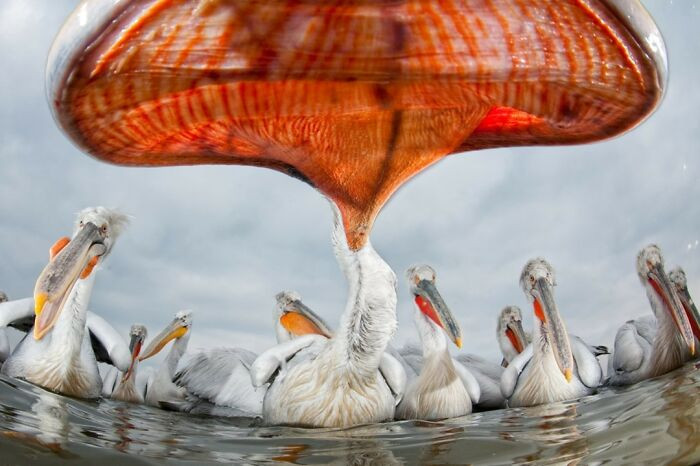
“The Cloud” By Fabrice Guerin
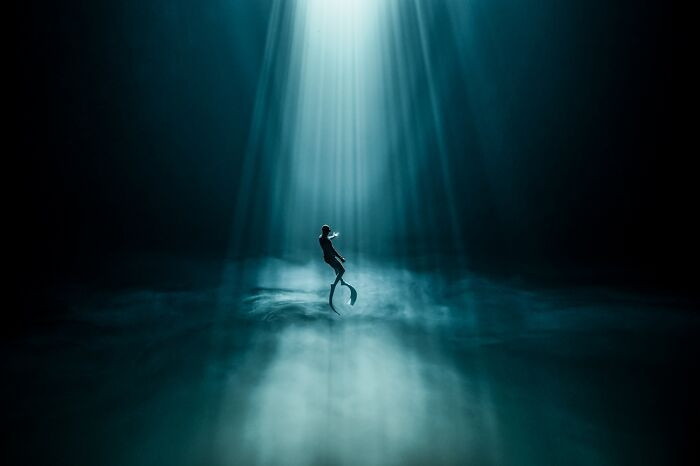
Even the playful panic of Pedro Jarque’s “Oops! Did I Scare You?” makes the whole thing snap into focus, because the emotion is still there, even when the subject is smiling.
The Legacy of Photography in Social Change
Photography has long played a role in social change, and the Siena International Photo Awards reinforces this legacy. By showcasing images that document social issues, the awards highlight the power of visual storytelling in advocating for change. Each photograph has the potential to inspire action, raise awareness, and challenge perceptions.
This legacy is particularly relevant in today’s world, where images can spread rapidly through social media, amplifying their impact. The awards serve as a reminder that photography is not just an art form; it’s a tool for social justice and a catalyst for meaningful conversations.
“Bear Soul” By Reynaud Geoffrey
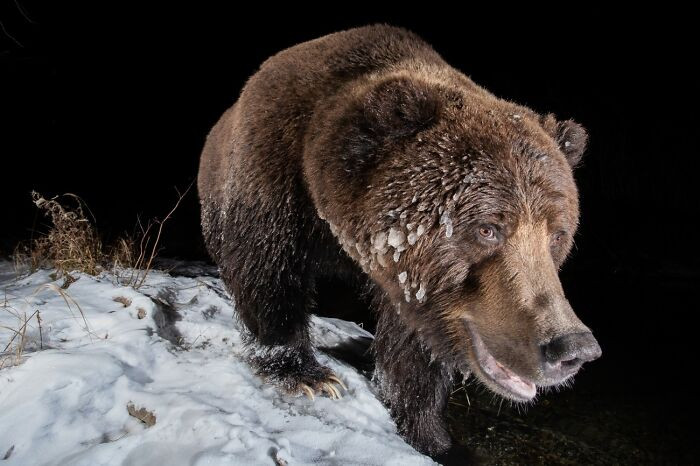
“Father Calling” By Karthik AK
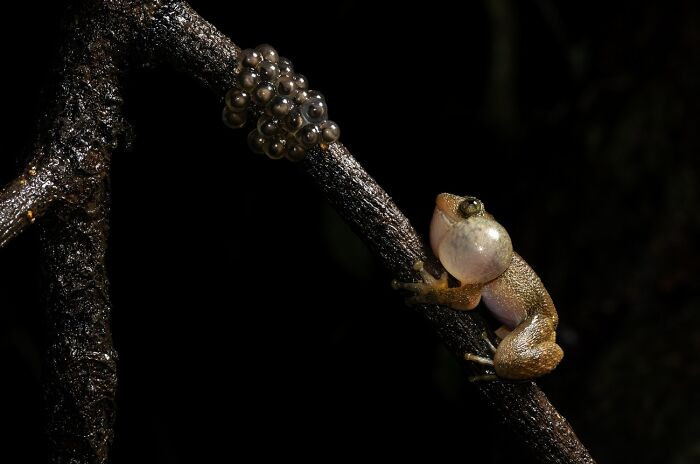
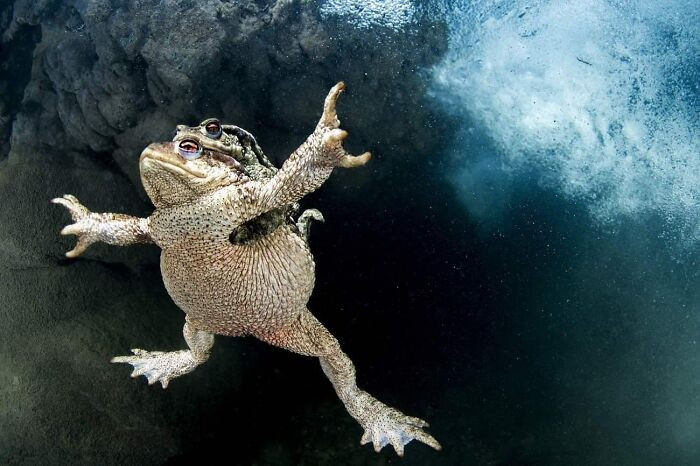
“Amplexus” By Mathieu Foulquié
Creating Global Connections Through Photography
What’s truly remarkable about the Siena International Photo Awards is how they foster global connections through shared narratives. Photographers from diverse backgrounds come together to showcase their work, creating a rich tapestry of perspectives. This element of the awards celebrates the interconnectedness of human experiences, regardless of geographical boundaries.
In a world that often feels divided, these photographs serve as a bridge, encouraging viewers to find common ground. They remind us that while our circumstances may differ, our emotions and experiences can resonate with one another, fostering a sense of unity in diversity.
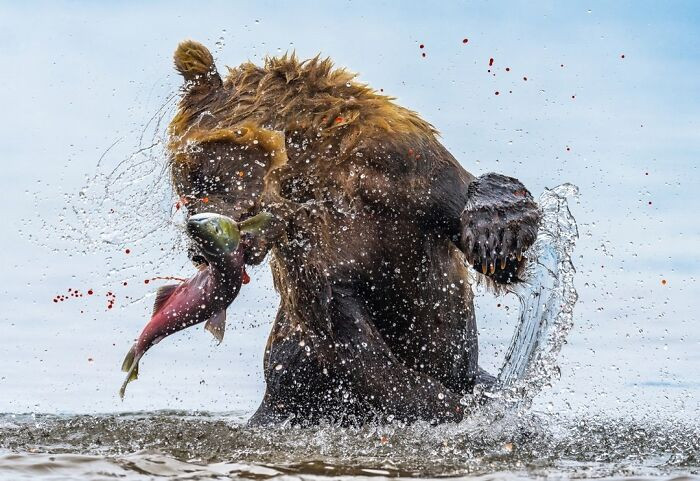
“Bear-Spoilt Eggs” By Jon Langeland
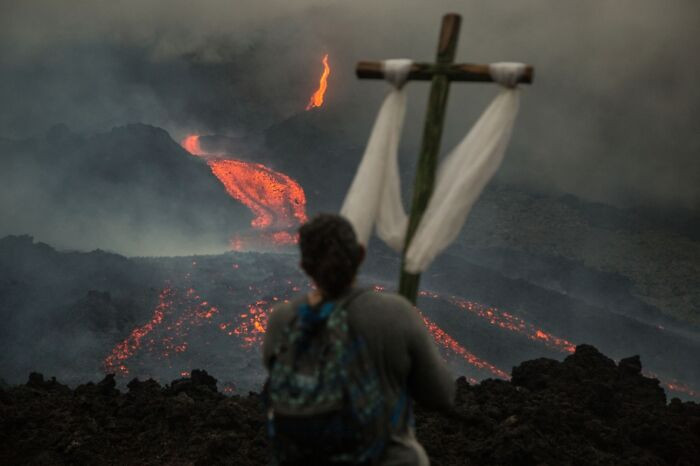
“Pray” By Esteban Biba
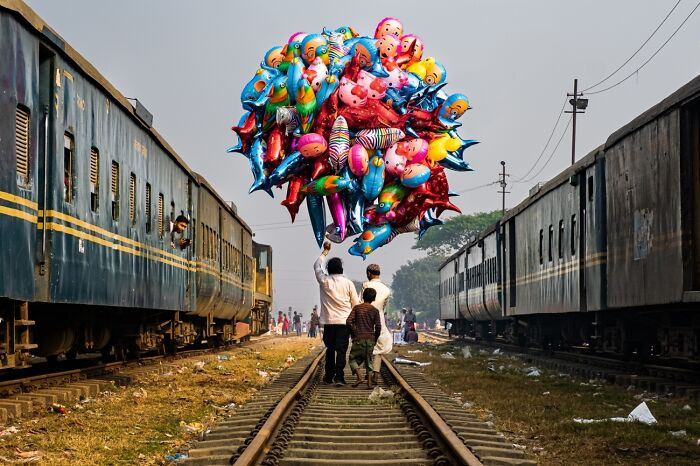
“Out For Prayers” By France Leclerc
The Future of Photography and Its Impact
The Siena International Photo Awards not only celebrates contemporary photography but also shapes the future of the medium. By emphasizing the importance of storytelling and emotional engagement, they set a standard for what impactful photography should aim to achieve. This forward-thinking approach challenges photographers to push their creative boundaries and explore new narratives.
This evolution is crucial as the landscape of photography continues to change with technology and societal shifts. As photographers adapt to new tools and platforms, the awards serve as a guiding force, encouraging them to remain committed to the essence of storytelling that resonates on a human level.
“Light Born” By Sho Otani
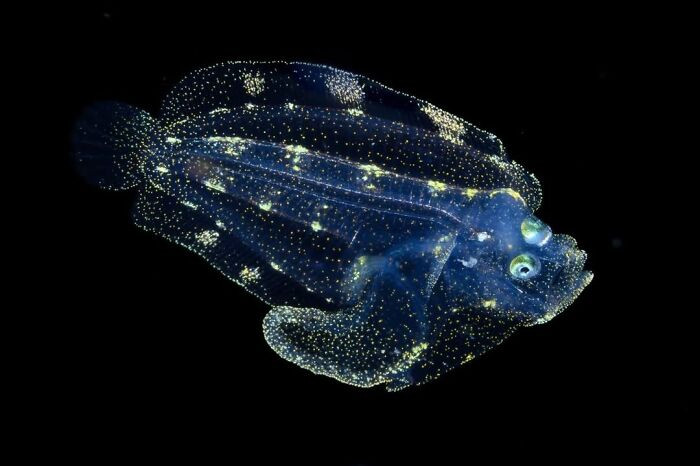
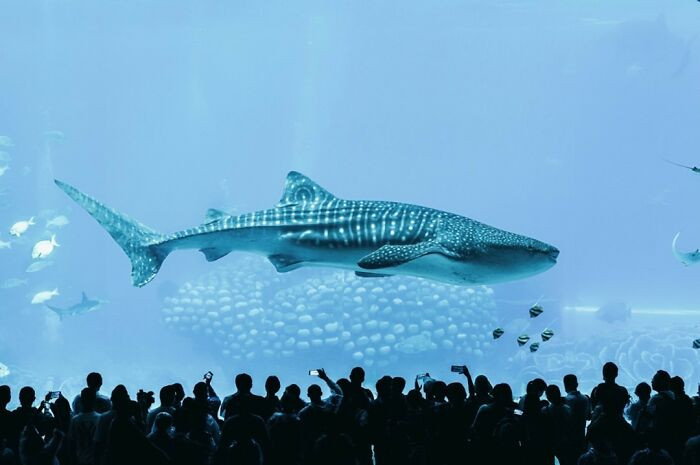
“Super Big Fish In The Aquarium” By Chen Hang
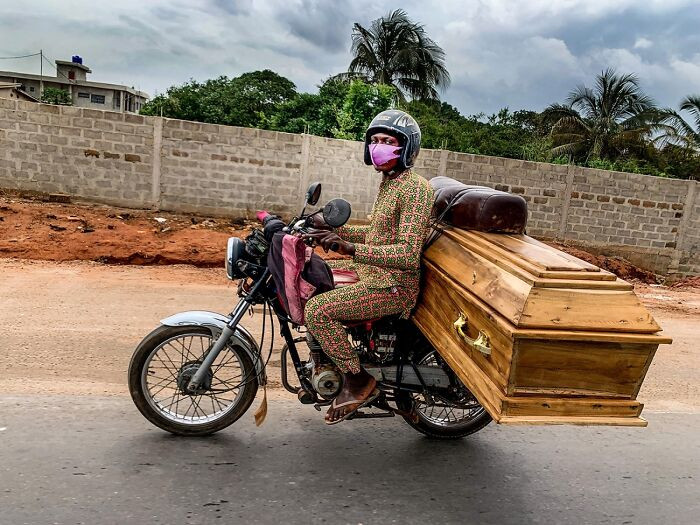
“Dead Man On The Bike” By Valerio Bispuri
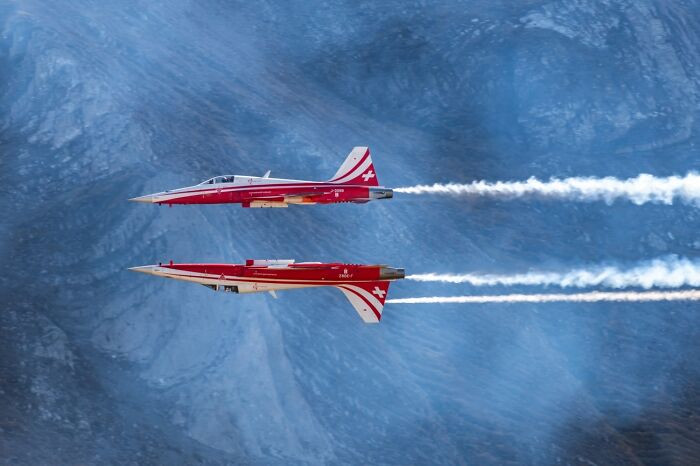
“High Speed Sync” By Conor Ryan
“2019 Australian Motogp - Dominique Aegerter” By Dave Hewison
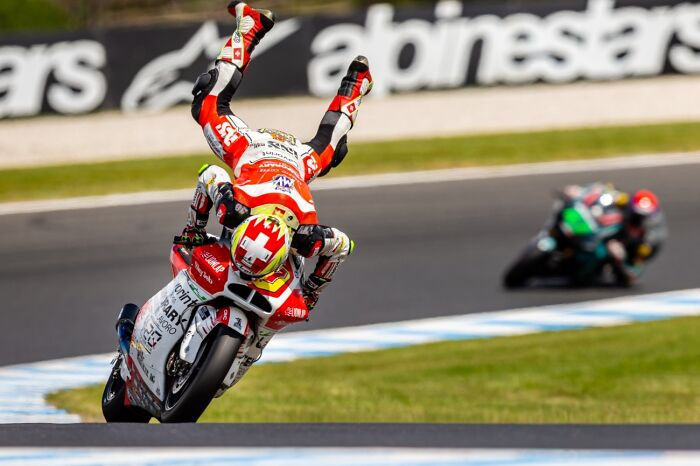
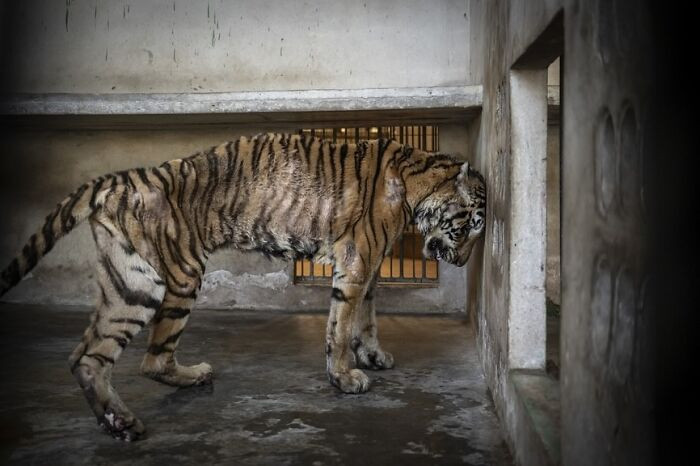
“Breeding Machine” By Amy Jones
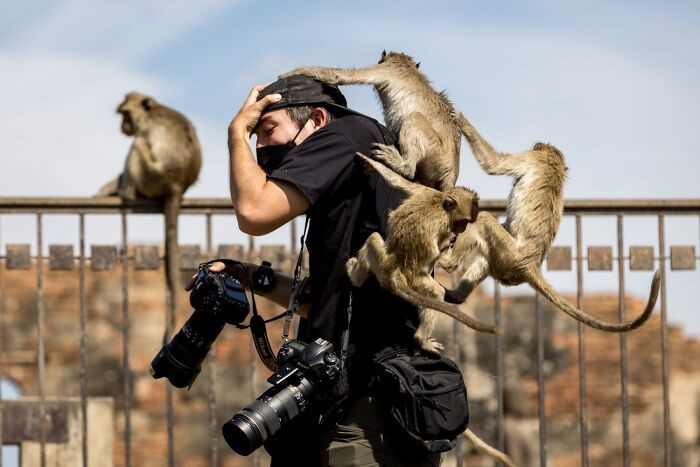
“Lopburi Monkey Festival” By Jack Taylor
“Anthropocene” By Marcus Westberg
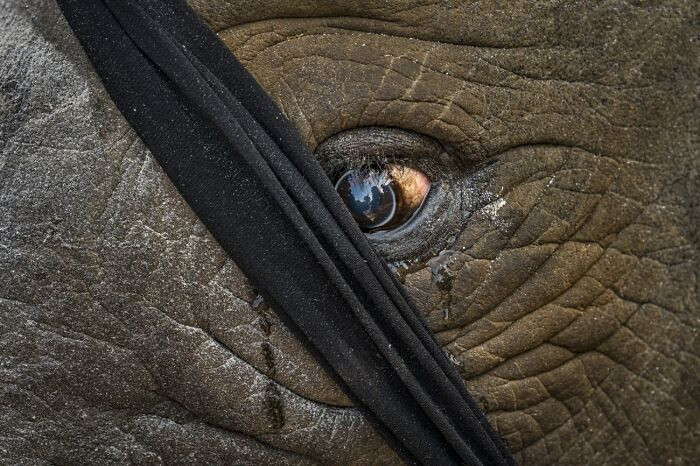
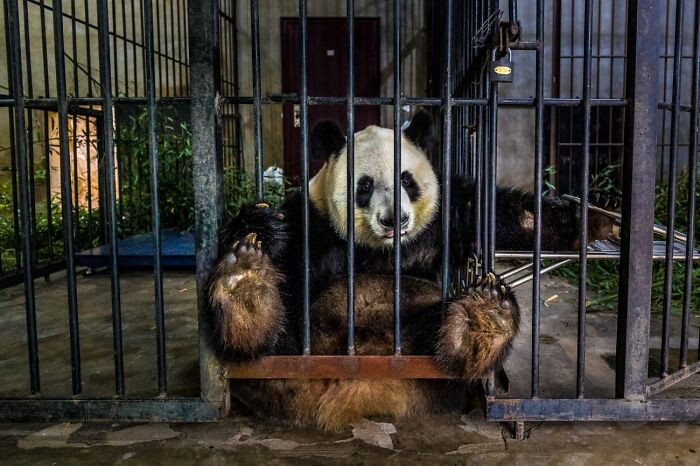
“Captive” By Marcus Westberg
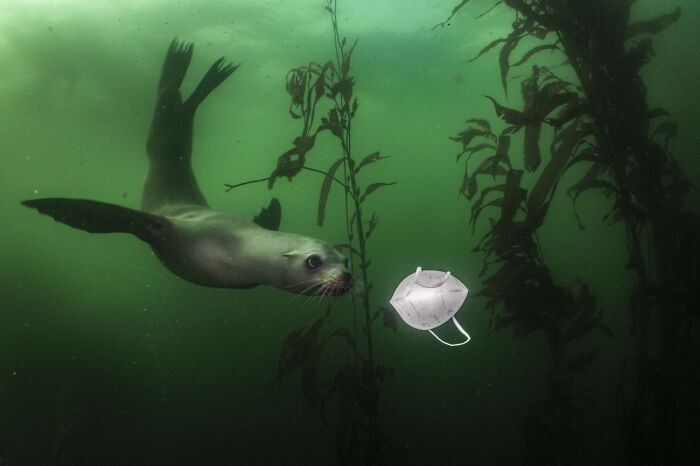
“Sign Of The Tides” By Ralph Pace
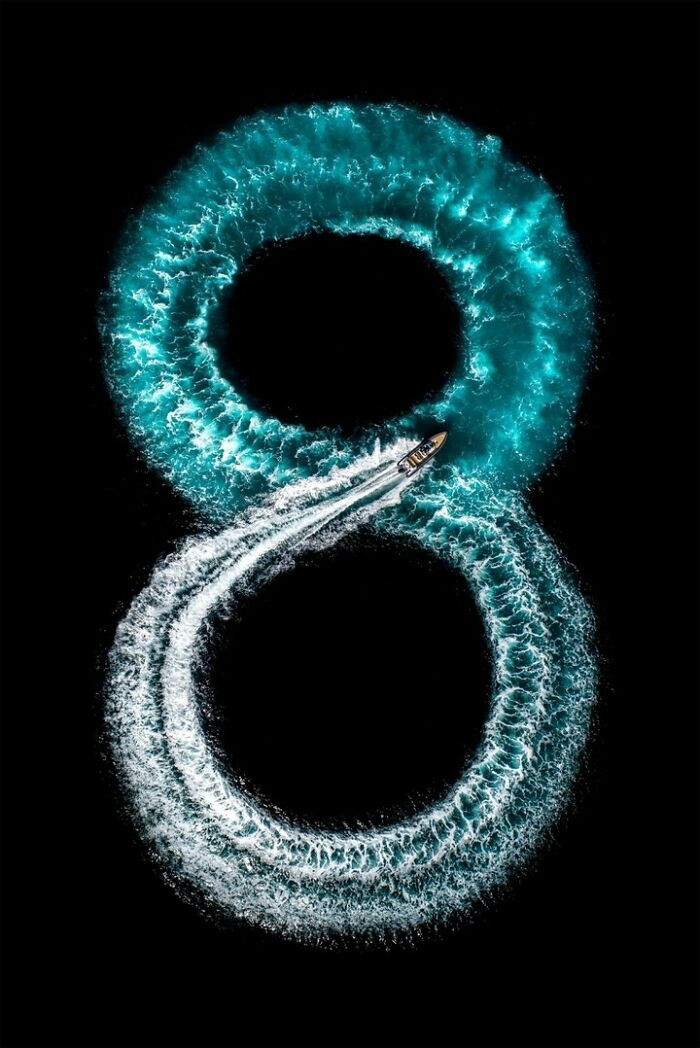
“Infinity Eight” By Marc Le Cornu
These images show us that we’re all connected by the same raw emotions. Whether it’s a shared laugh or a moment of pure wonder, these photographers have captured the heartbeat of our world in a way words simply can't.
As we wait for the 2026 winners to take the stage this October, let these frames stay with you. In the middle of our busy lives, there is always something extraordinary happening if we just take a second to look.
The Takeaway
The Siena International Photo Awards truly encapsulate the power of photography as a means of storytelling, bridging cultural gaps and elevating underrepresented voices. They challenge both photographers and audiences to engage deeply with the images and the narratives they represent. As we continue to navigate complex global issues, these awards remind us of the shared humanity behind every photograph. What stories will you choose to tell through your lens, and how will you engage with the world around you?
The Siena winners prove that one frame can hold an entire life, and it never lets you walk away clean.
Want more raw, rule-breaking moments from non-pro photographers? See the 2025 International Photography Awards non-professional winners.
Share this article:





