25 Images Redefining Modern Nature Photography

A leopard is climbing down from a tree, Roberta Pagano is sleeping with her mum in the white silence of Svalbard, and Turgay Uzer is catching an “now is not a good time” moment with African wild dogs. These images are not waiting politely for you to admire them, they hit you like a story you did not know you needed.
What makes it complicated is the setting, the stakes, and the way these photographers frame urgency as something you can almost feel. From Graham Hobart’s “Africa - In A Different Light” to Eduardo Salvador’s “Inside The Macro World,” the series choices pull you into fragile ecosystems that are slipping away, faster than anyone wants to admit.
And once you see the urgency in a single frame, the whole gallery starts acting like a warning label.
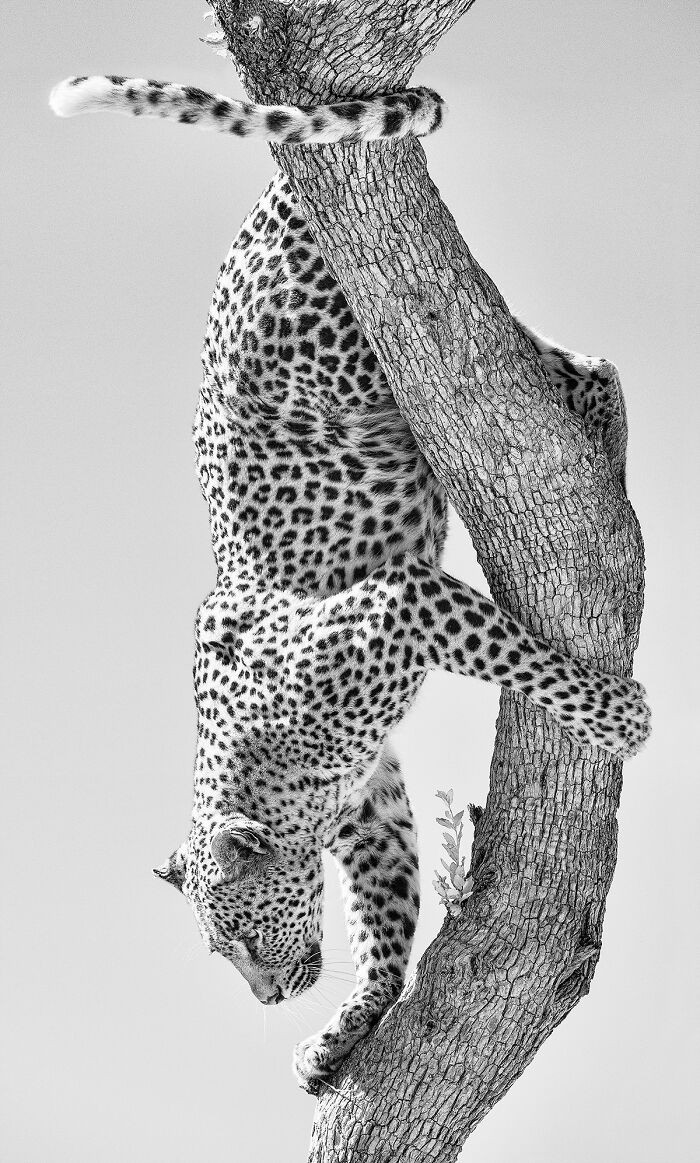
Leopard Descends Tree #1 From The Series 'Africa - In A Different Light' By Graham Hobart
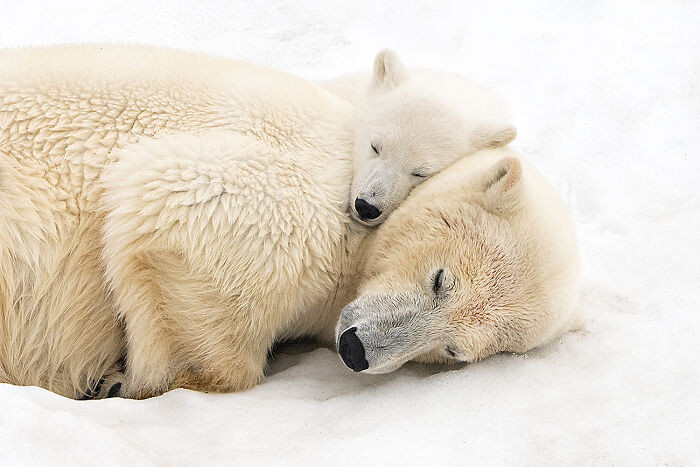
Sleeping With Mum From The Series 'Svalbard: The White Fragile Kingdom' By Roberta Pagano
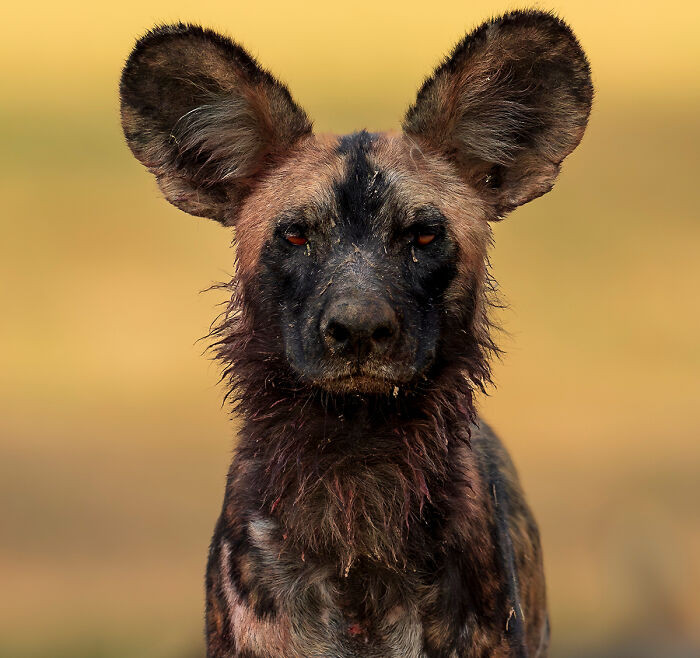
Now Is Not A Good Time From The Series 'African Wild Dog Portraits' By Turgay Uzer
The Power of Visual Storytelling
The latest winners from AAP Magazine showcase more than just pretty pictures; they redefine how we perceive nature. Unlike traditional nature documentaries, which often take a clinical approach, these images evoke deep emotional responses. The photographers capture not just the beauty, but also the fragility of ecosystems that are rapidly disappearing. This shift in perspective resonates with audiences who are increasingly aware of environmental issues.
In a world where climate change feels overwhelming, these images serve as a rallying cry. They remind us that nature's magnificence is worth protecting, and that the stories we tell about it matter immensely.
Capturing Urgency in a Frame
The urgency captured in these photographs goes beyond aesthetics; it’s a visual representation of a ticking clock. As environmental issues become more pressing, these images serve not just as art but as a call to action. Every shot is steeped in significance, reminding us that time is running out to act.
The idea that we may be witnessing the last of certain landscapes or species adds a layer of poignancy that resonates deeply with viewers. This sense of urgency is what makes the art impactful, and it speaks to the need for immediate action.
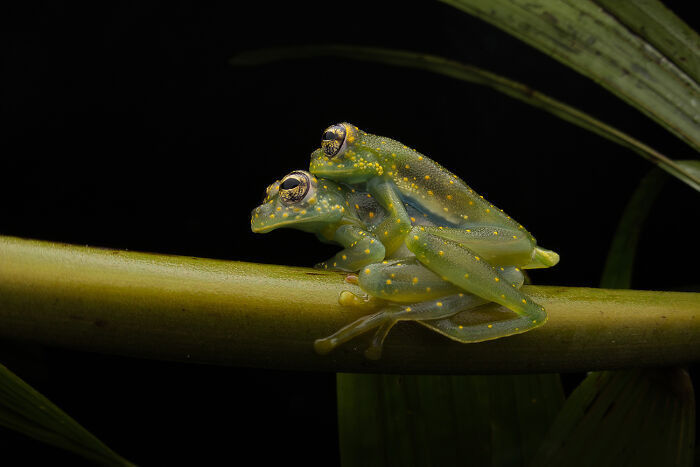
Glass Embrace From The Series 'Inside The Macro World' By Eduardo Salvador
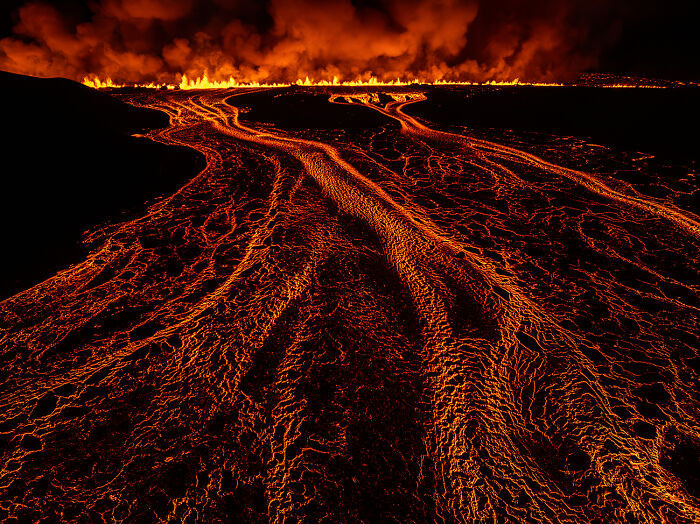
Earth Veins From The Series 'Restless Island' By Marco Di Marco
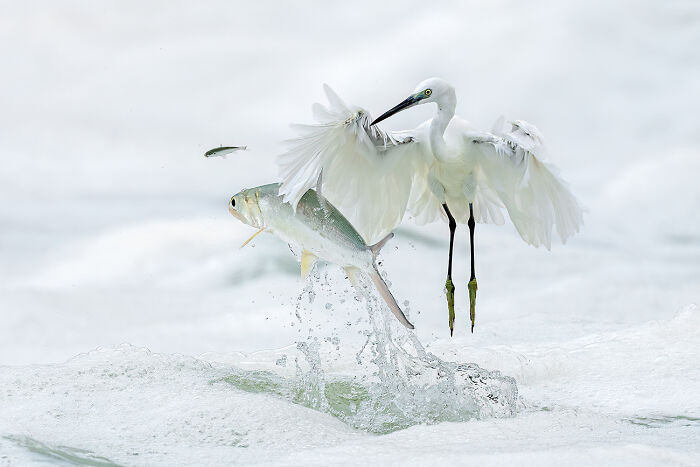
Pass By From The Series 'The Epic Of Survival In The Waves' By Xiaoping Lin
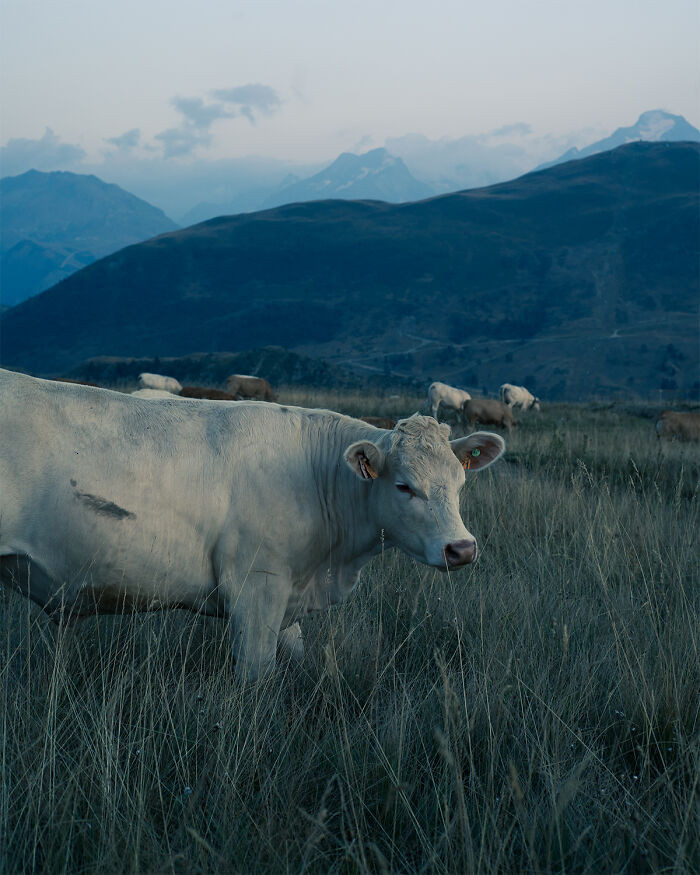
That leopard descent in Graham Hobart’s “Africa - In A Different Light” is the first gut-punch, and suddenly the gallery feels less like viewing and more like witnessing.
A Call to Action
This isn’t just a gallery of beautiful photographs; it’s a clarion call to acknowledge the environmental crises we face. Each winning image tells a story about the delicate balance of ecosystems and the impacts of human actions. For instance, the stark contrast between serene landscapes and the visible scars left by industrial activities highlights a moral tension that many readers feel.
People are increasingly looking for ways to engage with these stories. The emotional weight of these images drives home the urgency of environmental activism, compelling audiences to consider their role in this ongoing narrative.
Portrait From The Series 'Natural Self-Disconnection' By Alessandro Natalini
Mushroom – Number 05 From The Series 'I’m A Fun Guy' By Michael Ritzie
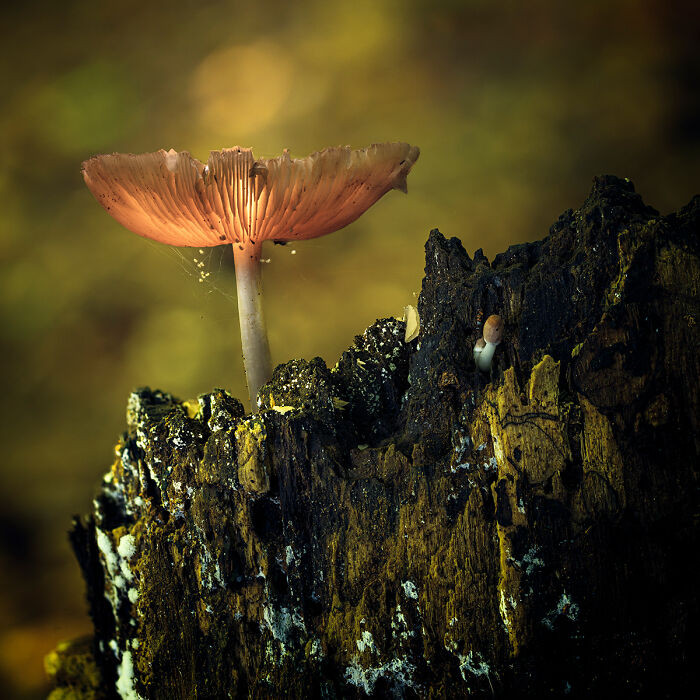
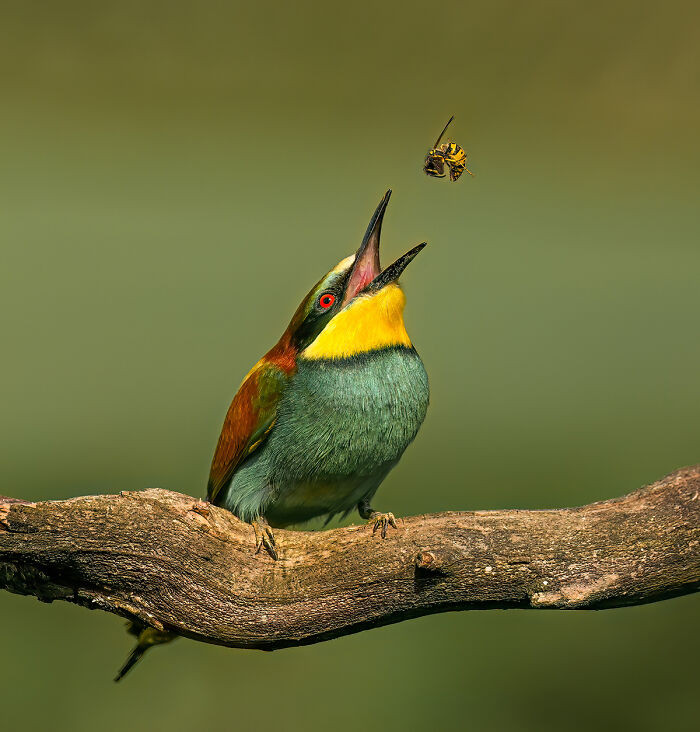
Bee Eater By Conrad Peloquin
Contradictions in Nature Photography
The juxtaposition of beauty and destruction in the winning images poses a fascinating contradiction. While they celebrate nature’s splendor, they also remind us of what we stand to lose. This duality creates a moral grey area: is it ethical to profit from nature’s beauty while also documenting its demise? As photographers capture these breathtaking scenes, they also raise questions about exploitation and representation.
This tension invites viewers to reflect on their relationship with nature. Are we mere observers, or should we become active participants in its preservation?
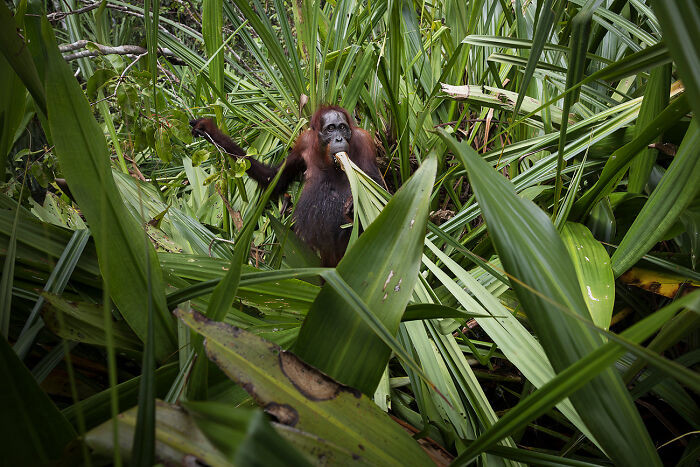
Picnic From The Series 'The Vulnerable Temple Of The Orange Spirit' By Benoit Rondelet
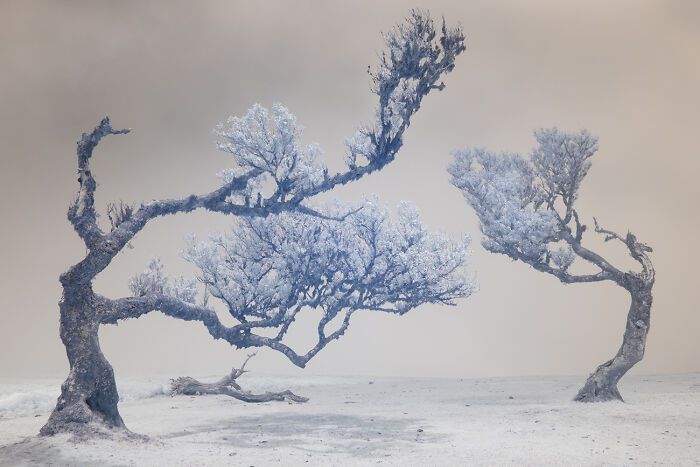
Vira Laurisilva From The Series 'Flora Da Madeira' By Nat Coalson
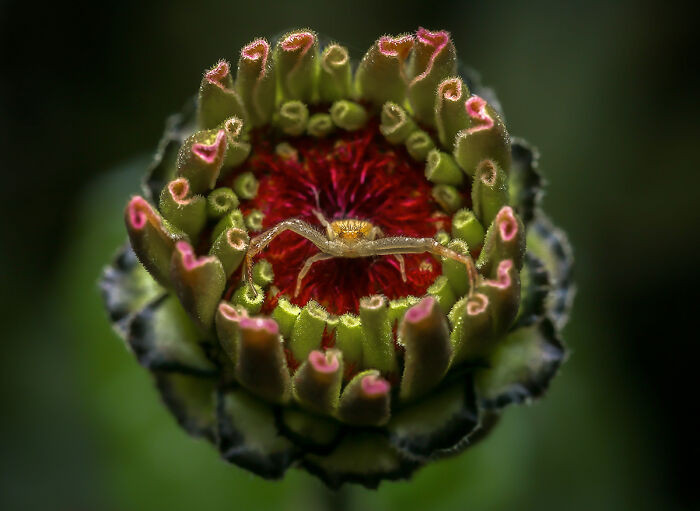
Crab Spider On Her Throne From The Series 'The Small Stuff' By Marta Fiscus
Then Roberta Pagano’s “Sleeping With Mum” in Svalbard brings the emotional weight closer, like you are intruding on something tender that should never be endangered.
For more boundary-pushing nature shots, check out the wildlife images on display at London’s Natural History Museum.
Community Reactions to Nature's Fragility
The response to AAP Magazine’s showcase has sparked conversations within the photography community and beyond. Many viewers express admiration for the artistic prowess displayed, but there's also a palpable sense of urgency in their comments. People are hungry for more than just art; they want to know how these visuals can translate into action.
This desire for engagement speaks to a larger societal shift. Audiences are craving content that not only entertains but also informs and inspires meaningful change in how we interact with the environment.
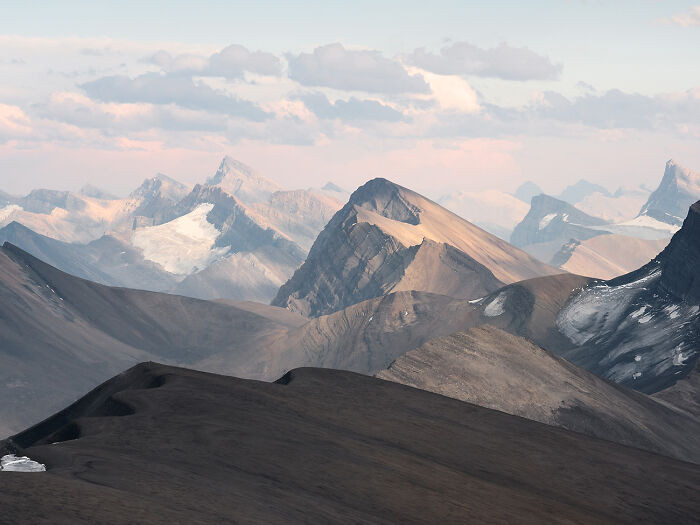
Tangle Ridge, Jasper National Park, Alberta From The Series 'Above The Treeline' By Sean Du
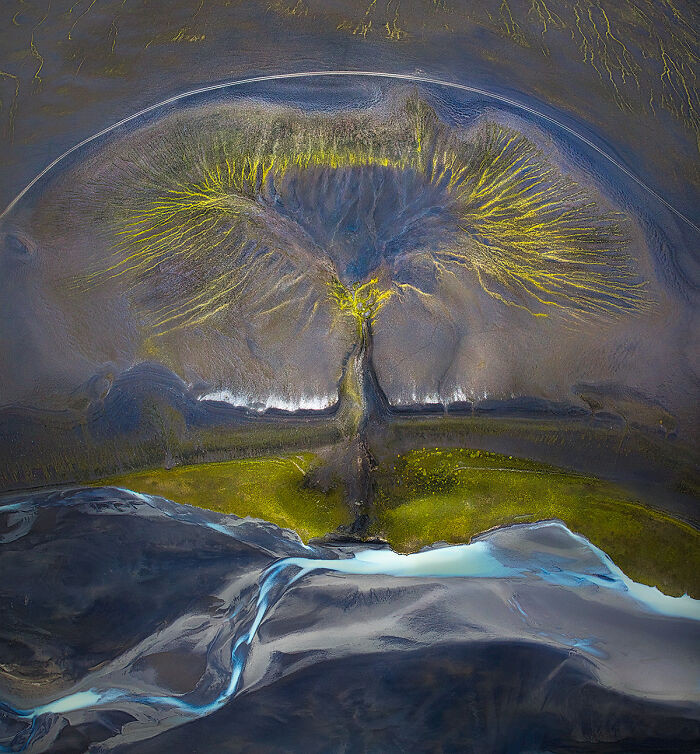
Tree Of Life From The Series 'Resiliency Of Nature' By Isabella Tabacchi
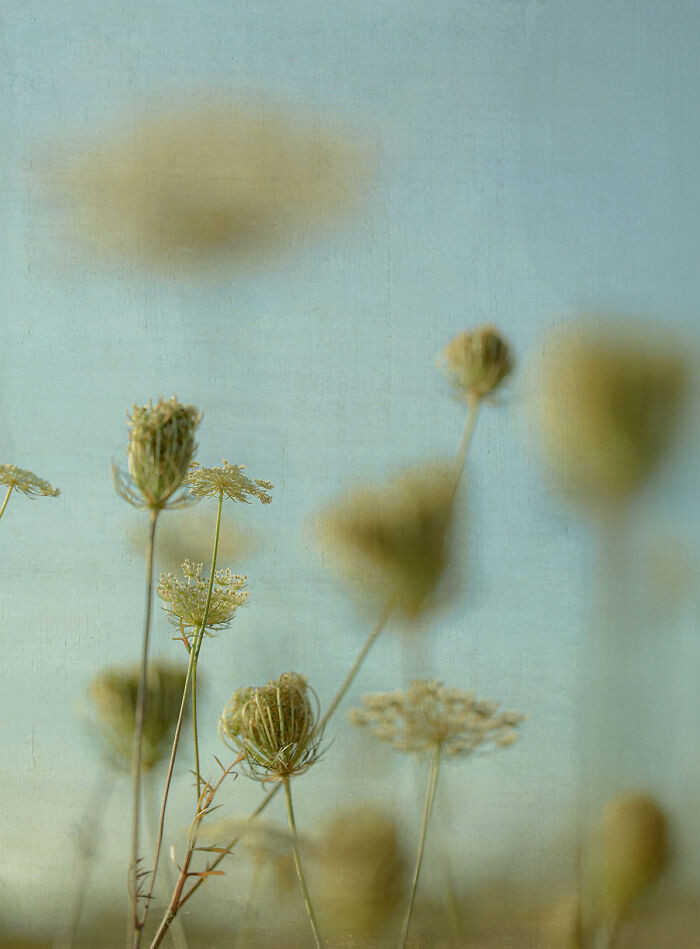
Drifting Stillness From The Series 'Many Lives In A Flower' By Julie Wang
After that, Turgay Uzer’s “Now Is Not A Good Time” flips the mood, because the African wild dogs look like they are running out of options, not just out of patience.
The photographers behind these winning images play a crucial role in shaping the narrative around nature and conservation. They’re not just artists; they’re storytellers with a responsibility to convey the truth about what’s happening to our planet. Their choices—what to capture and how to frame it—carry significant weight.
In an age where visual content is consumed at lightning speed, these photographers help slow down the conversation and provoke thought. They challenge viewers to consider the stakes involved in environmental degradation and the urgency of action.
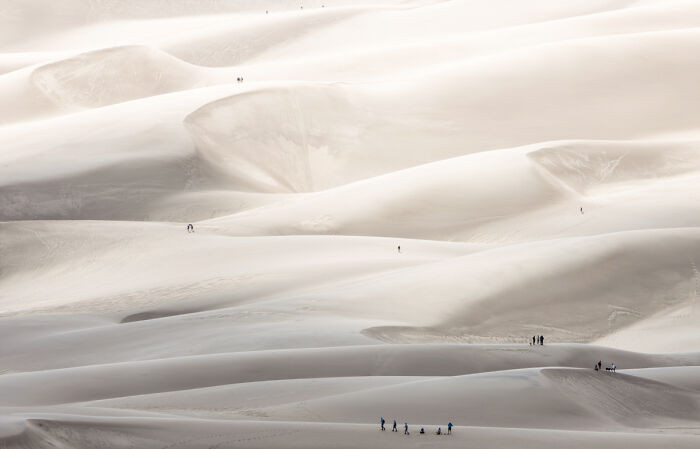
Dunes 7 From The Series 'Thresholds' By Tracy Burk
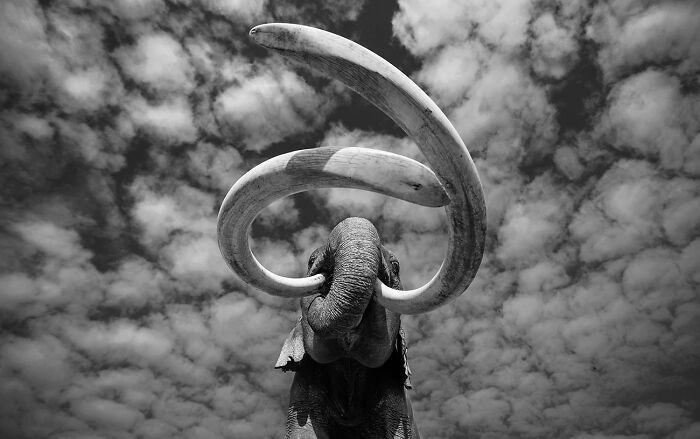
When Mammoths Ruled The Earth From The Series 'Dian's Legendary Super Tuskers' By George Dian Balan
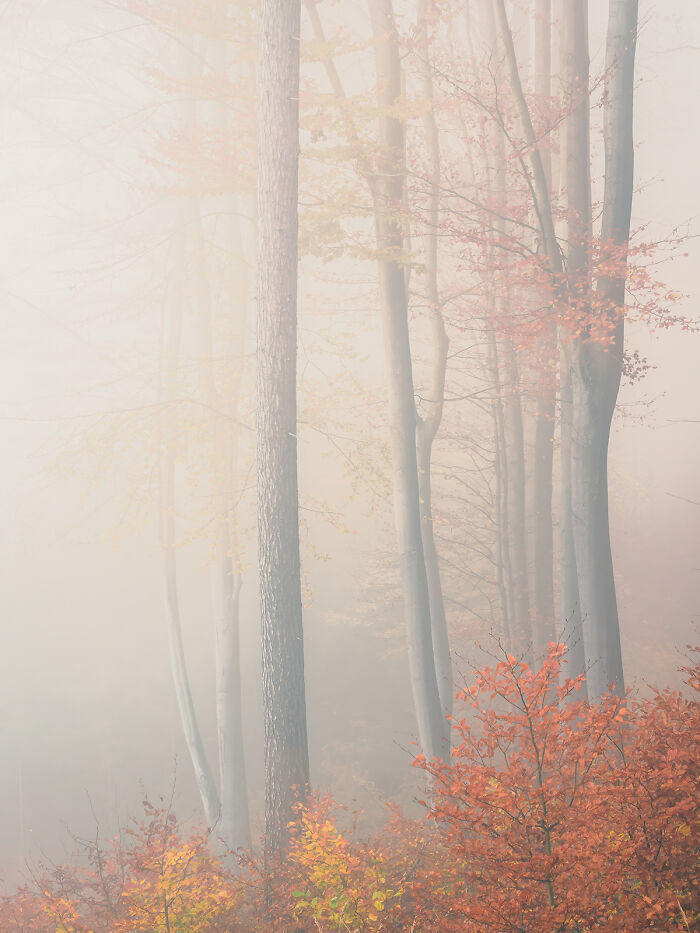
Foggy Forest From The Series 'Autumn In Austria' By Guenther Reissner
Why This Matters Now
The timing of AAP Magazine’s showcase couldn’t be more critical. With climate change and biodiversity loss at the forefront of global discussions, these images serve as poignant reminders of what we have and what we risk losing. They act as visual evidence in a world where skepticism often overshadows scientific consensus.
By spotlighting these moments of fragile beauty, the magazine taps into a collective anxiety about the future. This isn’t just about art; it’s about a shared responsibility to advocate for the planet.
The Most Beautiful Anthropocene #55 From The Series 'The Most Beautiful Anthropocene' By Aindreas Scholz
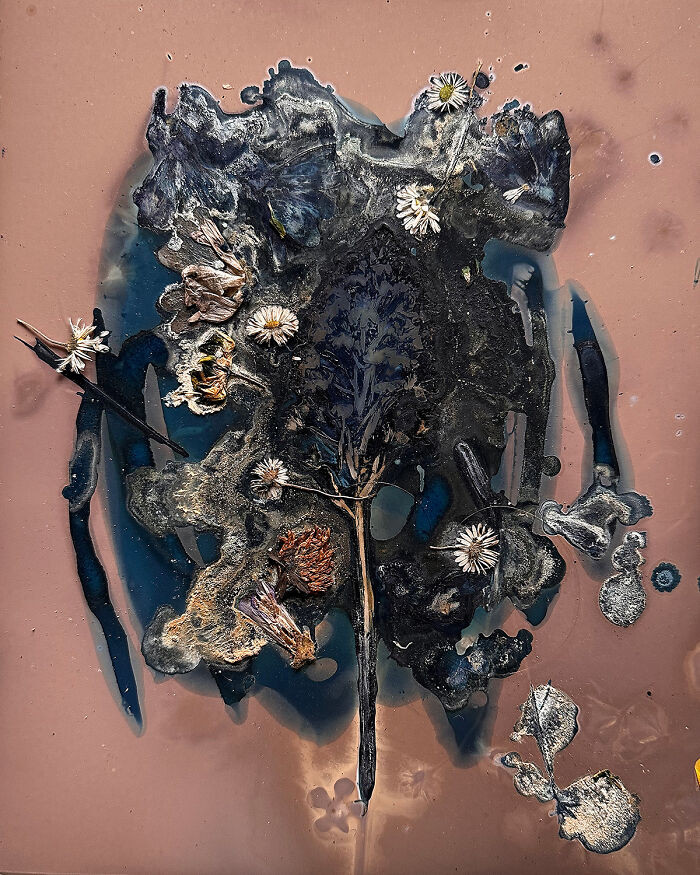
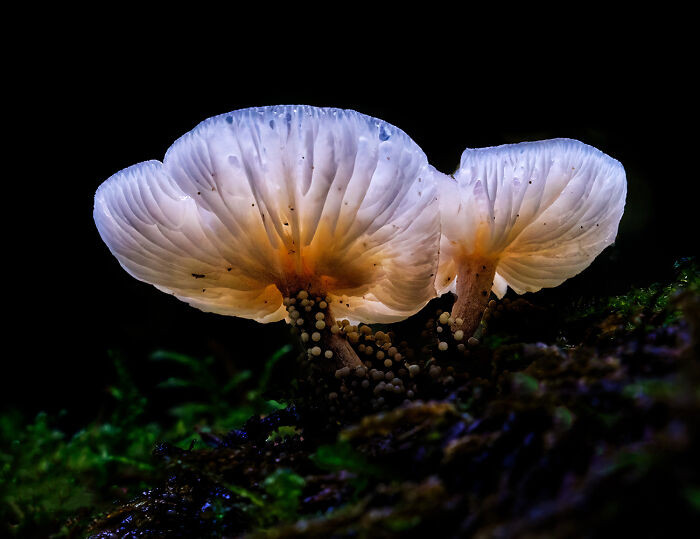
Backlit Mushroom From The Series 'Fungus Among Us' By Don Jacobson
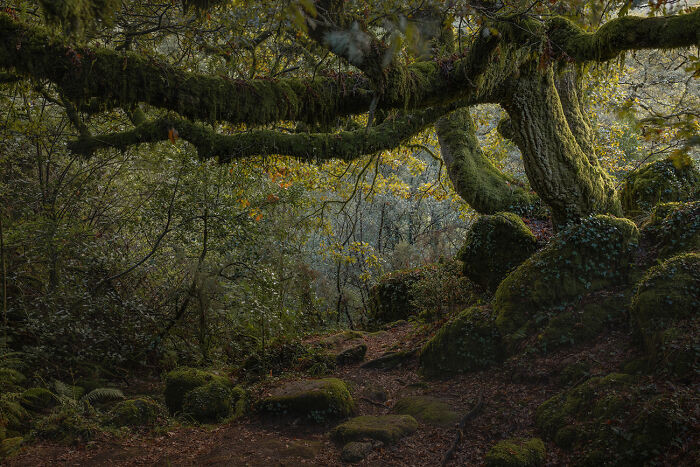
Last Stretch From The Series 'Intimate Landscape' By Abilio Magalhães
And by the time you reach Marco Di Marco’s “Earth Veins” and Xiaoping Lin’s “Pass By” in the waves, the urgency stops being background noise and becomes the entire plot.
A Deep Dive into the Human-Nature Connection
The showcase dives deep into the human-nature connection, reminding us that our lives are intertwined with the natural world. The stunning visuals draw viewers in, but they also compel us to confront the environmental challenges we face. Each photograph carries the weight of its own story, inviting reflection on the impact of human behavior on fragile ecosystems.
This relationship is complex; it raises questions about what it means to coexist with nature. As we appreciate its beauty, we must also take responsibility for its preservation.
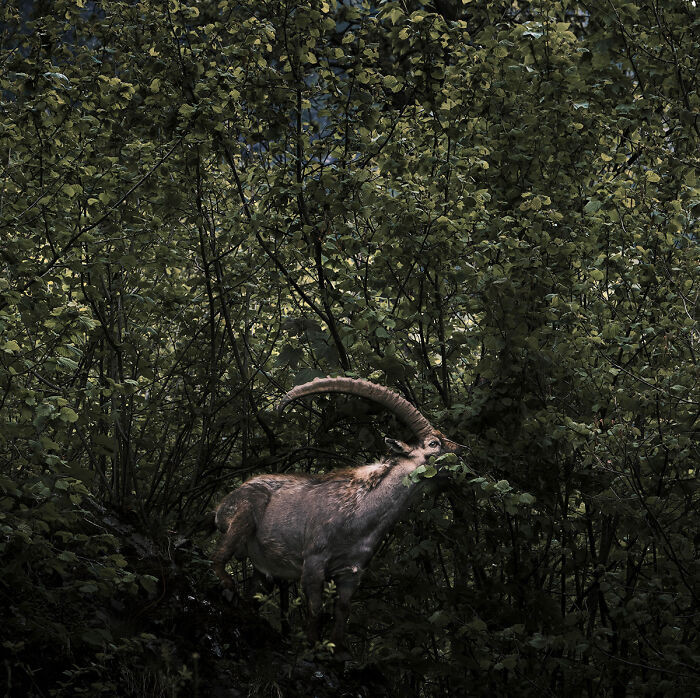
Like In A Fairy Tale By Stefano Battistelli
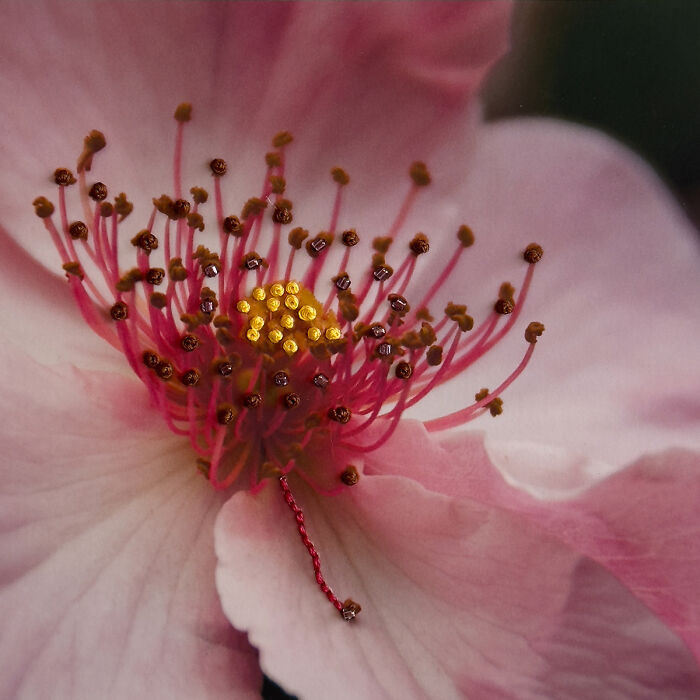
Wild Rose From The Series 'Nature Embroidered: Writing With Light And Thread' By Myrtie Cope
Morning Light Park Avenue From The Series 'Sacred Spaces: National Parks And The Soul Of America’s Wild Places' By Gary Wagner
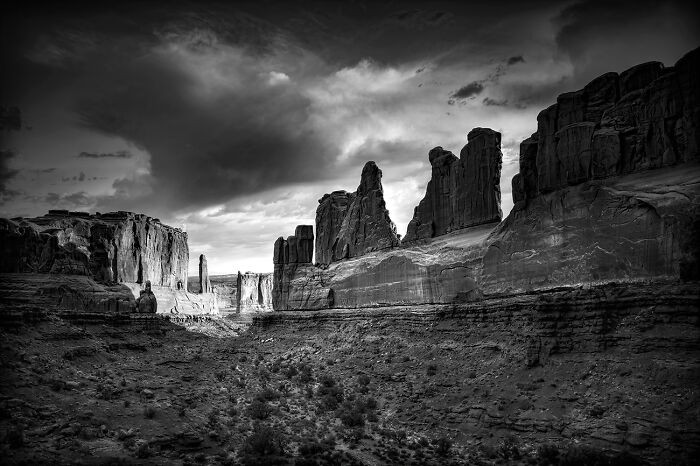
The emotional resonance of these images can't be overstated. They evoke feelings of awe, sadness, and even guilt, pushing viewers to confront their own roles in the environmental crisis. The tension between appreciation for nature's beauty and the reality of its decline creates a rich emotional landscape. This is what makes the showcase so powerful.
As viewers engage with these powerful images, they’re also wrestling with their feelings about the future of our planet. It’s a complex emotional terrain that can stir both inspiration and despair.
Polar Mood From The Series 'Cold Composition' By Jens Rosbach
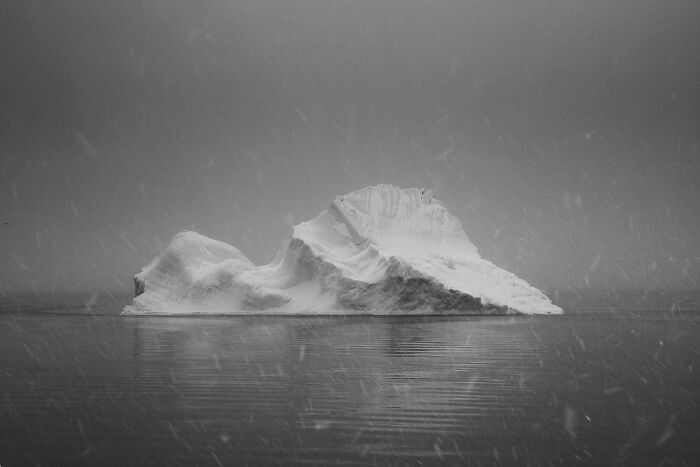
These works show us why we remain so utterly obsessed with the outdoors. It is unpredictable, indifferent to our presence, and breathtakingly beautiful. In a world increasingly dominated by artificial pet photos, these images act as a much-needed grounding wire, pulling our attention back to the dirt, the water, and the wild pulse of the earth.
Why This Story Matters
In a world increasingly aware of environmental challenges, AAP Magazine’s showcase serves as a vital reminder of both nature's beauty and fragility. The photographs not only captivate but also compel us to reflect on our roles as stewards of the planet. As we navigate the complexities of appreciation and responsibility, how can we translate our emotional responses into tangible actions for preservation? This is the pressing question that lingers long after the images fade from view.
This gallery does not just show nature, it makes you feel the clock ticking.
Want more than wildlife? See how Siena winners capture human tension and beauty behind every frame.
Share this article: