Redditor Wonder If They're The Bad Guy If They Call The RSPCA On A Neighbor That Treats Their Dog Poorly

One Redditor is wondering if they would be the bad guy for reporting a neighbor over the way the neighbor treats their dog.
The situation is messy, because the neighbors insist they are doing enough, while OP says the dog is being yelled at and generally treated poorly. OP has already tried speaking up, but that only seems to have made things more tense.
Now the question is whether calling the RSPCA is the right move, or whether OP is about to make a neighborhood problem even bigger. Here's the full story.
OP asks:

It all started when the new neighbors moved in
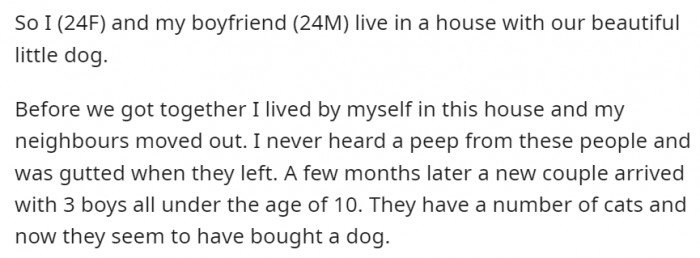
For starters, they made an absolute mess of their property and refuse to be called out on it
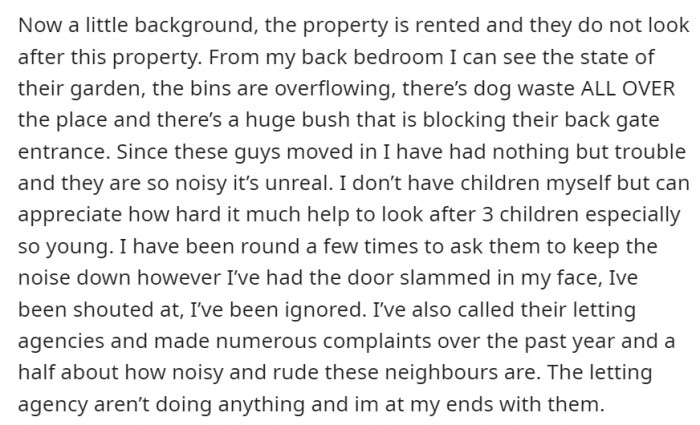
OP says the new neighbors moved in and quickly made a mess of their property, then brushed off any attempts to call them out on it.
Things got worse once their dog became part of the picture.
Original Post
Additionally, it seems that they only got a dog so they could have something to scream at without hesitation all day long
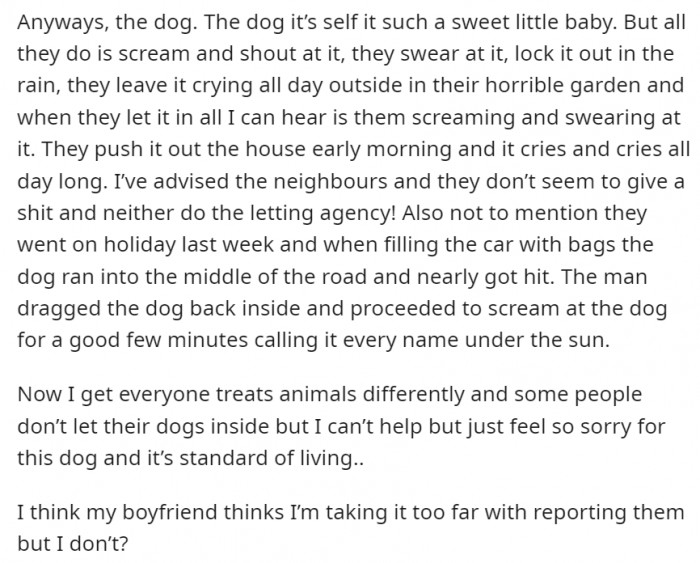
If you're a pet lover, it can be incredibly distressing to see the way they treat their dog. No dog deserves that kind of treatment, especially since most dogs just want nothing more than to gain the approval of their people.
The neighbors' attitude is also quite rude. OP is a concerned neighbor trying to talk with them properly; however, she's only been met with disrespect.
While this might be a less-than-ideal situation, the people in the comments section are a little divided on whether OP should call animal services. Here are the top comments.
1. The poor dog must have been desperate to run away from that poor situation of his
2. OP's attempts at reaching out to her neighbors properly didn't deserve the rudeness they showed her
That is where the debate really starts.
When faced with the decision to report animal neglect, individuals often experience cognitive dissonance. This internal conflict can lead to paralysis in decision-making, making it difficult to take action.
The psychological phenomenon known as the bystander effect can play a significant role in these situations. Individuals may refrain from reporting neglect because they assume someone else will take action, leading to a diffusion of responsibility.
Research shows that the more people witness a situation, the less likely any one person is to intervene. This is particularly relevant in cases of animal neglect, where the stakes may feel lower than in human-related crises.
Understanding this dynamic can empower individuals to overcome their apprehensions and take action when needed.
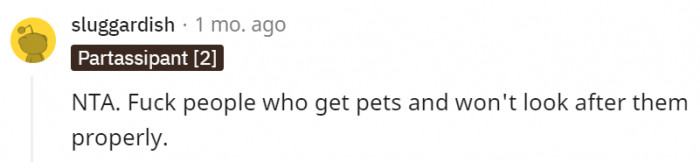
3. Although some people could afford pets, that doesn't mean that they should get one
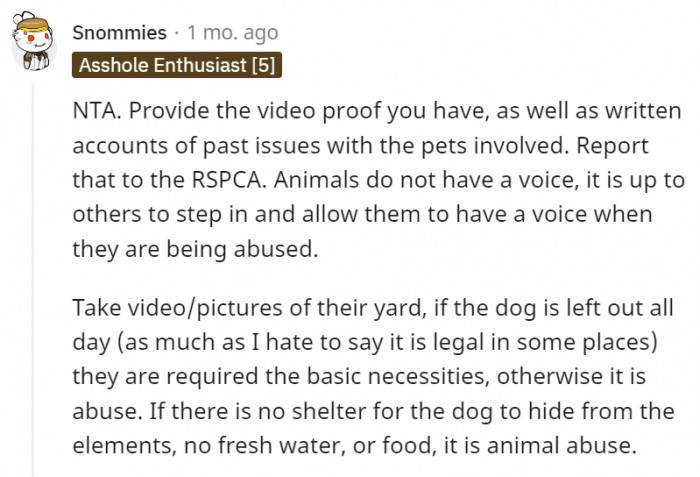
4. Animals don't have a voice, and it is up to us humans to give them a helping hand when they need it
5. Just because you're moving away doesn't make it any less your problem
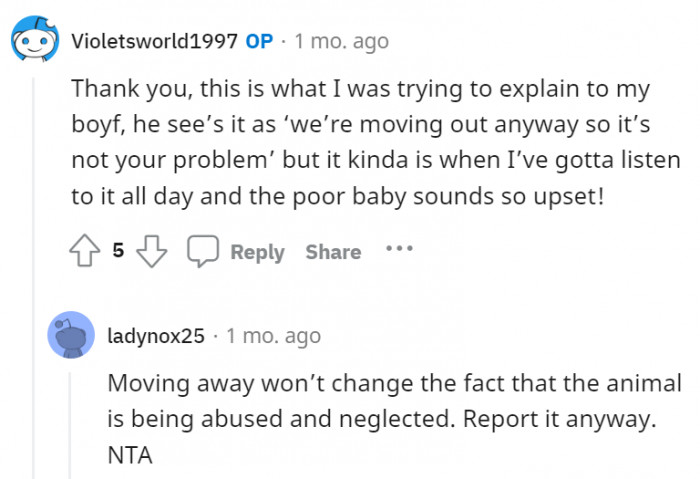
Some commenters think OP should not ignore it just because the neighbors are difficult.
This feels like the neighbor-dog attack story, where an unleashed dog attacked her pet.
Community norms and ethics play a significant role in shaping individual behaviors regarding animal welfare.
Community norms play a critical role in shaping individuals' decisions to report animal neglect. In neighborhoods where animal welfare is prioritized, individuals are more likely to take action, while in others, reporting may be frowned upon.
Studies indicate that perceived community support can significantly influence an individual's likelihood of intervening in neglect situations.
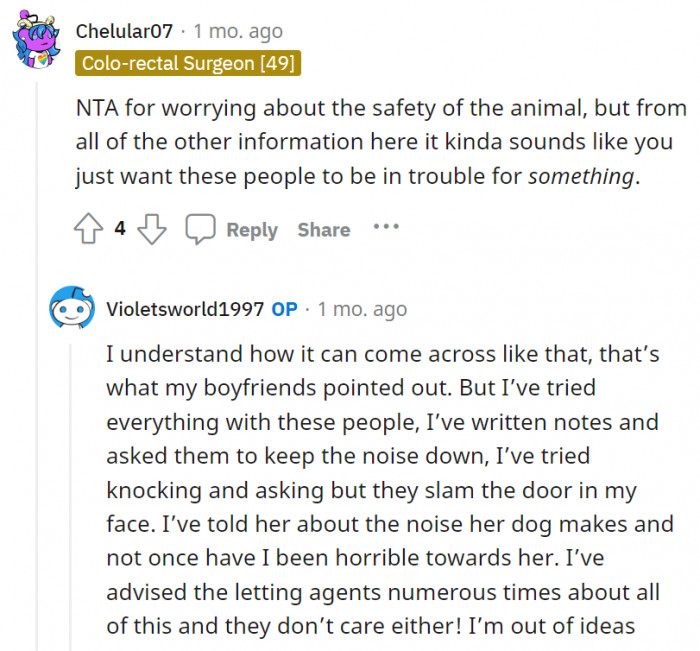
6. On the other hand, it can be easy to assume that OP is just being a Karen who doesn't agree with her neighbor's actions
7. OP would really need plenty of solid proof that the dog is being neglected or abused to create a report people would act on
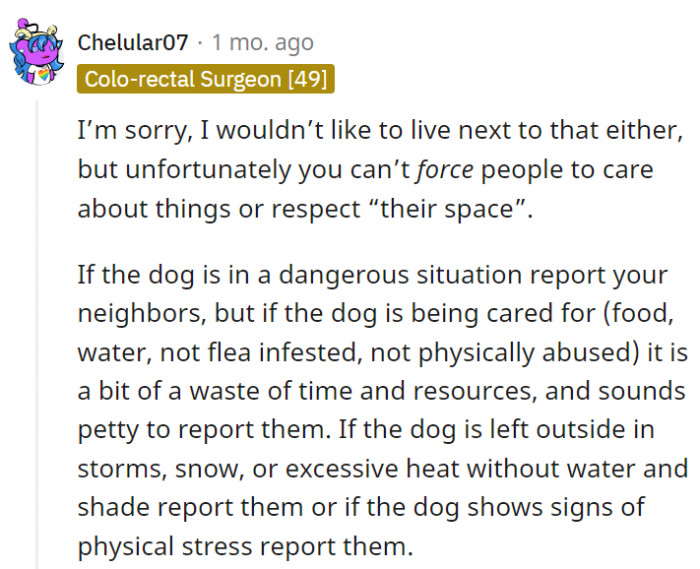
8. It's a mystery why they even put up with the dog if they can't treat it properly anyway
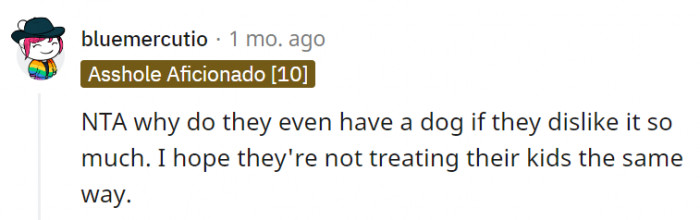
Others think OP would need solid proof before making a report that anyone would take seriously.
To navigate the complexities of reporting neglect, individuals can benefit from seeking advice from animal welfare organizations. These organizations often provide resources and guidance on how to handle such situations sensitively. Research suggests that informed action is more effective in addressing welfare concerns while minimizing conflict.
To encourage reporting, community leaders can implement educational programs that emphasize the importance of animal welfare and the role of individuals in safeguarding it.
Providing accessible resources can empower individuals to take action while feeling supported by their community.
9. It would not be an easy case to fight, but it may be a worthwhile one, especially for the poor pup
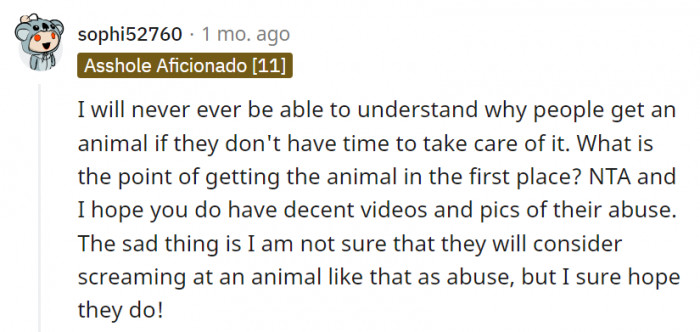
10. They only feel regret when they're made to face the consequences of their actions
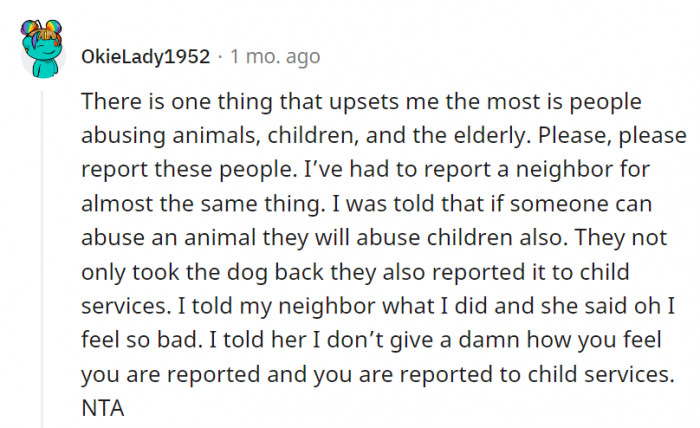
11. They may not be physically abusing the animal, but all that screaming will take a mental toll on the poor thing
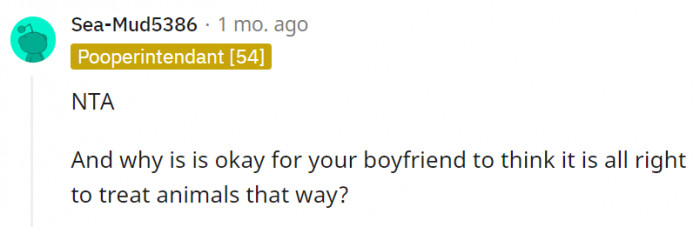
For a lot of readers, the screaming alone is enough to make this feel wrong.
Witnessing animal neglect can take an emotional toll on individuals, leading to feelings of guilt, helplessness, and frustration.
12. Just because the dog waste is within their backyard doesn't mean it doesn't affect anybody else
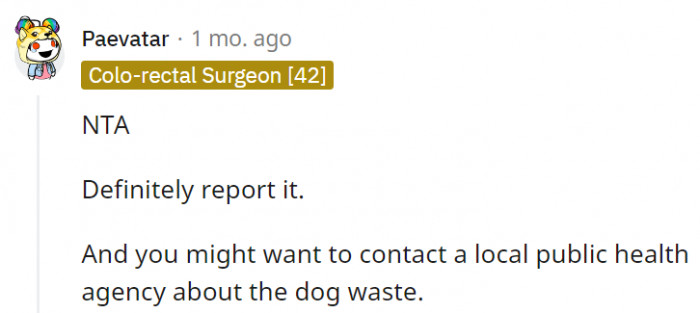
13. People who aren't willing to learn or understand the proper way to care for pets shouldn't really be getting pets
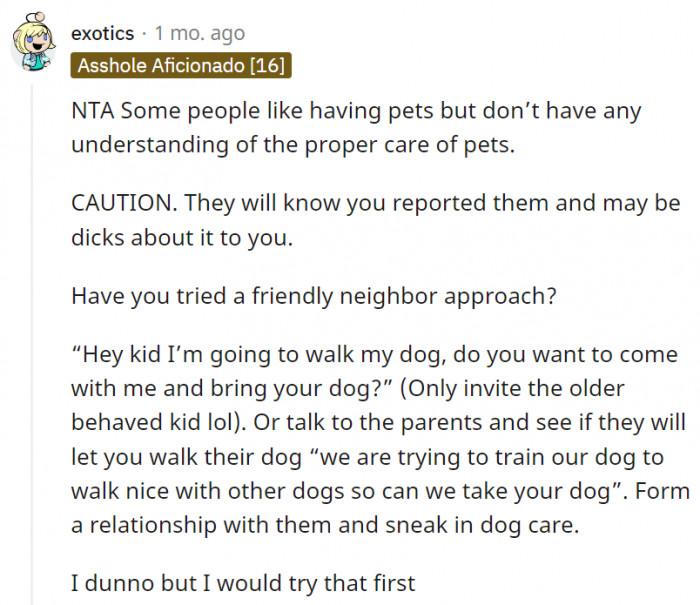
Making a decision like this is not an easy one because OP might face some repercussions as well. Plus, she'll really have to fight her case if she wants animal control to take action for the poor pup.
Hopefully, though, she can reach a decision that will end up being for the good of everybody involved in the situation.
Engaging in self-care practices can help individuals cope with the emotional burden of witnessing animal neglect.
Creating a supportive culture for reporting can make all the difference.
To create a culture that encourages reporting neglect, communities should celebrate and recognize individuals who take action to protect animals.
Positive reinforcement can motivate others to follow suit, creating a ripple effect of responsible behavior.
Ultimately, addressing animal neglect requires a multifaceted approach that combines education, support, and recognition.
The dilemma faced by the Redditor highlights a critical issue in our communities regarding animal welfare. The question of whether merely providing food and shelter constitutes adequate care for a dog exposes a broader societal misunderstanding of what it means to truly care for a pet. Many would argue that true responsibility involves more than just meeting basic needs; it requires a commitment to the emotional and psychological well-being of the animal.
By fostering a culture that values education and awareness around animal care, communities can empower individuals to take decisive action when they witness neglect. The hesitation felt by the Redditor to involve the RSPCA underscores the need for a supportive environment where concerned citizens feel justified in reporting mistreatment without the fear of being labeled as intrusive.
Ultimately, cultivating compassion within our neighborhoods can lead to a collective prioritization of animal welfare, ensuring that all living beings are treated with the dignity they deserve.
The dilemma faced by the Redditor highlights the intricate balance between ethical responsibility and community relations when it comes to animal welfare. While some may argue that simply providing food and shelter meets the minimum standards of care, those who truly love their dogs recognize that emotional well-being and social interaction are equally essential. This situation underscores the importance of empathy and understanding in addressing potential neglect. By encouraging a supportive community dialogue, individuals can be empowered to take compassionate action, fostering a more humane environment for both pets and their owners.
Now OP just has to decide whether to report it.
Wondering about the next step? See how a woman tried calling animal control on her neighbor.
Share this article: