
Wildlife Gone Wild: 51 Animals Unaware That Cameras Were Rolling And Ended Up Delivering Comedy Gold

Trail cams were supposed to catch deer patterns, fox traffic, maybe a quick coyote cameo. Instead, they started rolling on animals doing what animals do best, absolutely zero awareness that a camera is silently judging them like it’s a reality show.
One family checked their feed expecting “some movement on their trail cam,” and got something far stranger, like the wildlife version of showing up in the wrong group chat. Another person’s dad snapped a photo that made everyone stop scrolling, while a few other clips turned into full-on comedy sketches, from the deer that looked offended to the flying squirrel that went full chaos gremlin.
And once you see the fox pups, the “excuse me” moment, and the mandatory camera sniff, you’ll never look at a trail cam the same way again.
1. Fox Pups
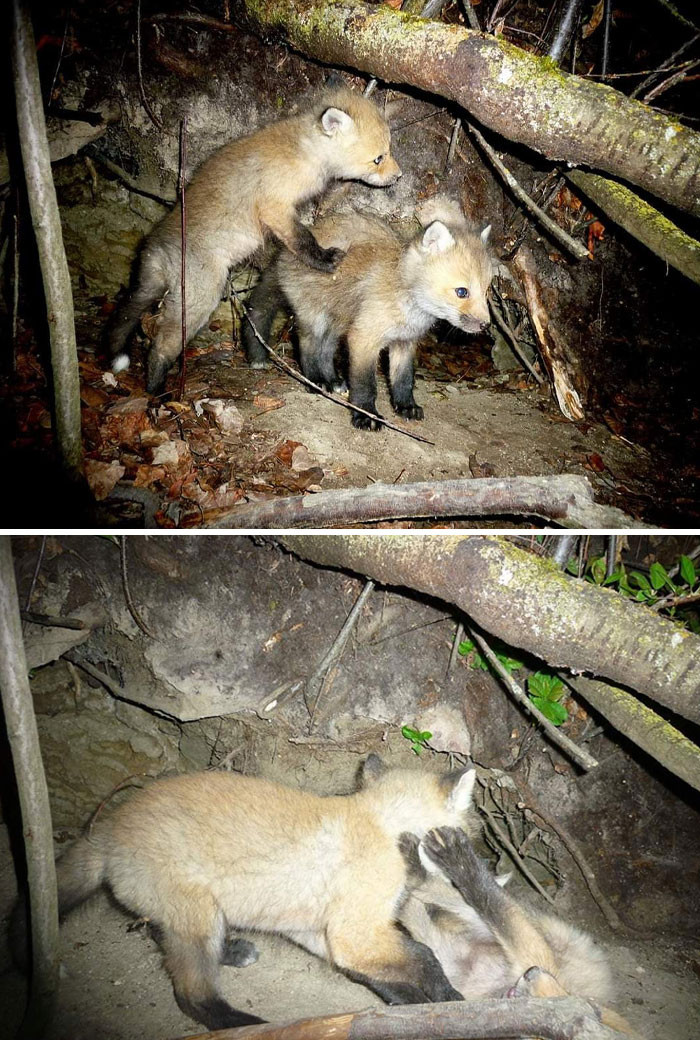
2. Excuse Me
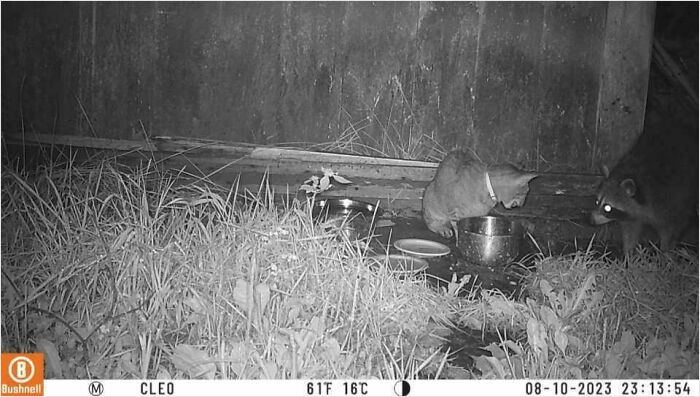
3. My Parent's Got A Snapshot Of Some Movement On Their Trail Cam. Wasn't Exactly What They Expected
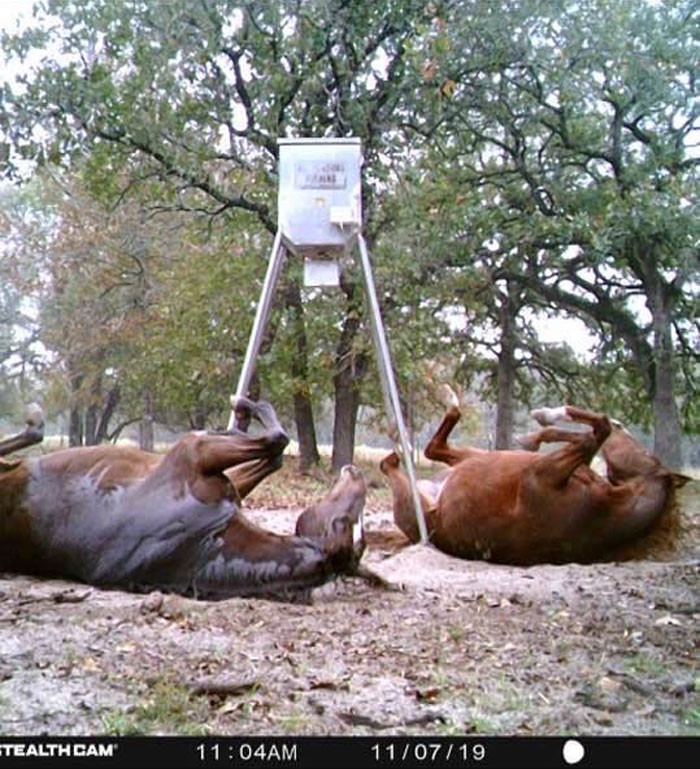
These cameras allow researchers to gather data on animal behaviors without imposing human presence, which can alter natural activities. This technology enables a more authentic glimpse into the lives of animals, revealing fascinating insights about their interactions and routines.
Moreover, these observations can lead to better conservation strategies, as understanding behavioral patterns is crucial for effective wildlife management.
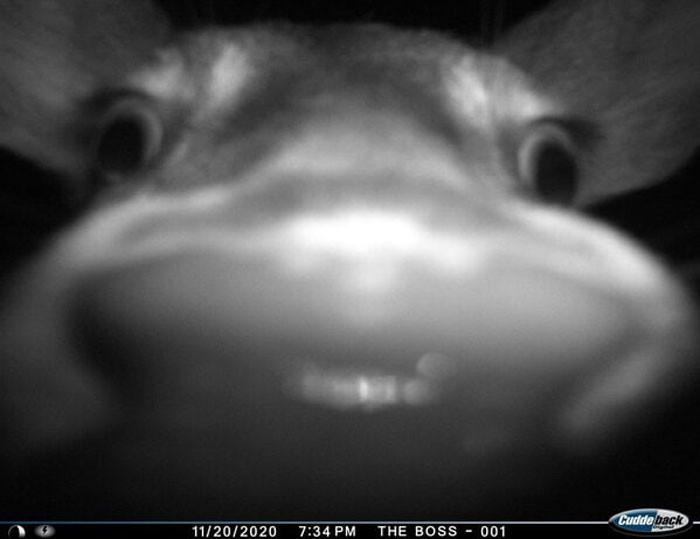
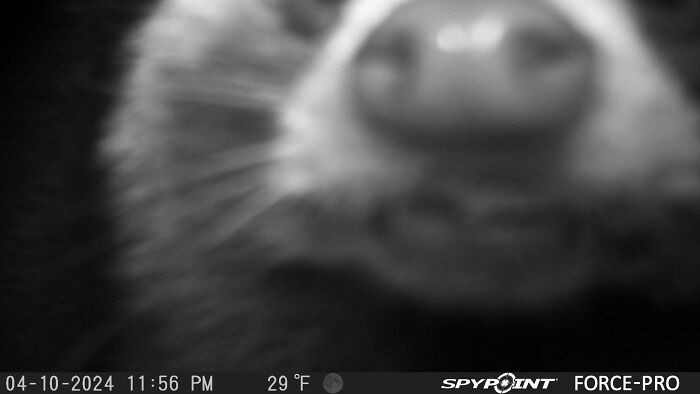
4. Mandatory Camera Sniff
5. Two Deer On A Trail Cam
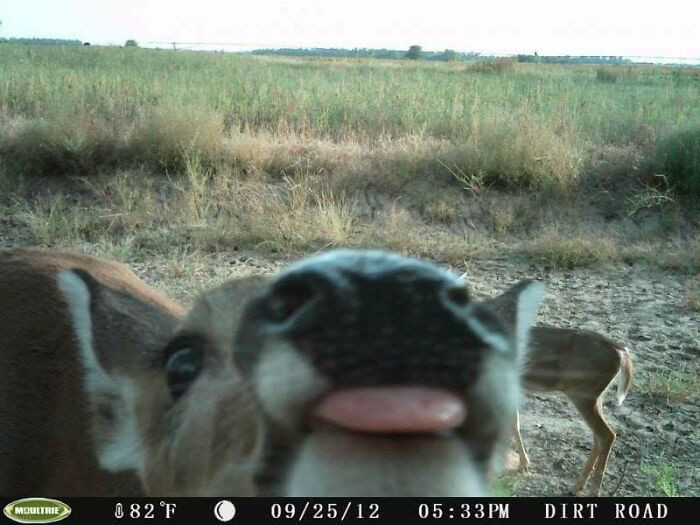
6. My Dad Got This Picture On His Trail Camera
Wildlife journalist Jennifer Holland notes that advancements in camera technology have not only enhanced our understanding of wildlife but have also brought humor into nature documentation.
She states, "These candid moments captured by trail cameras remind us that animals have personalities too!" This perspective fosters a connection between humans and wildlife, encouraging more people to engage in conservation efforts.
As these amusing encounters circulate through social media, they raise awareness about the importance of preserving natural habitats.
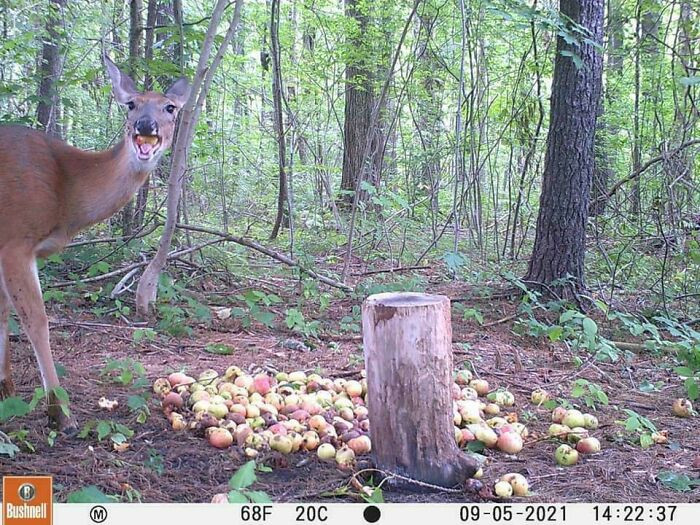
7. Don't Chew With Your Mouth Open
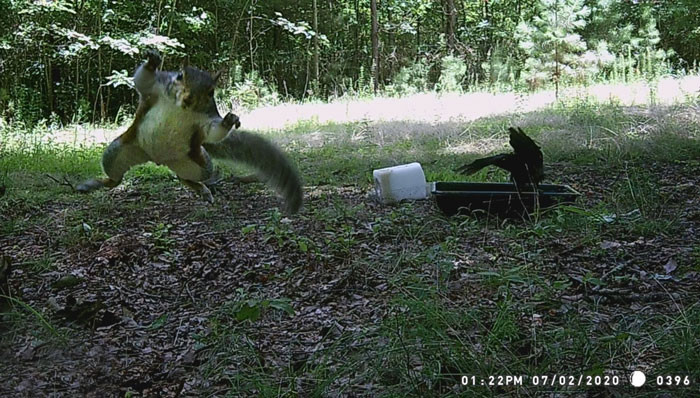
8. Flying Squirrel
9. Silly Deer
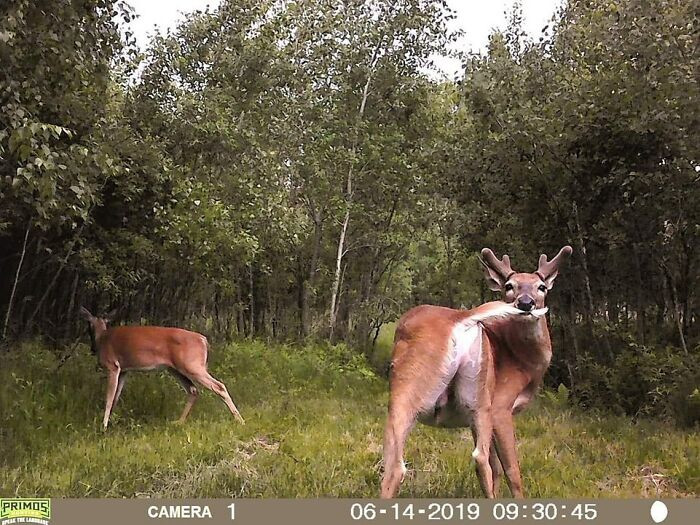
After the fox pups and that “excuse me” frame, the whole situation stops being “data” and starts being comedy timing.
Wildlife photographer and conservationist Chris Packham explains the significance of trail cameras in documenting elusive species. In his experience, knowing how different species behave in their natural habitats is vital for conservation efforts.
Packham advocates for the integration of these cameras into educational programs, allowing students to observe wildlife behaviors firsthand, fostering a sense of responsibility towards nature.
10. Coyote
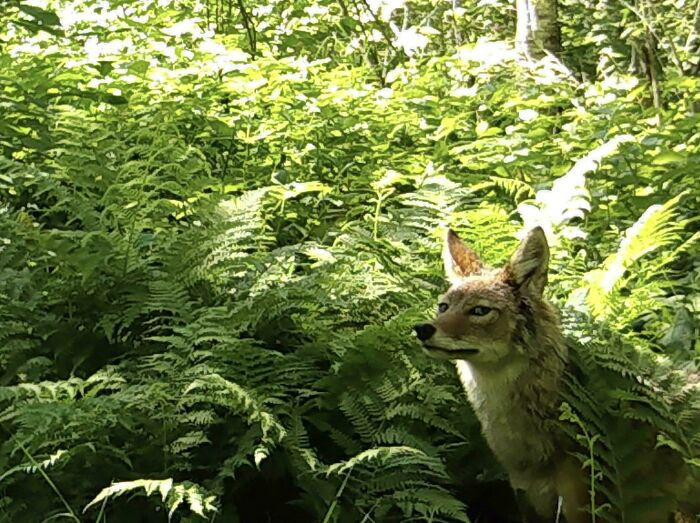
11. Caught This On My Cam, Thought It Was Kinda Funny
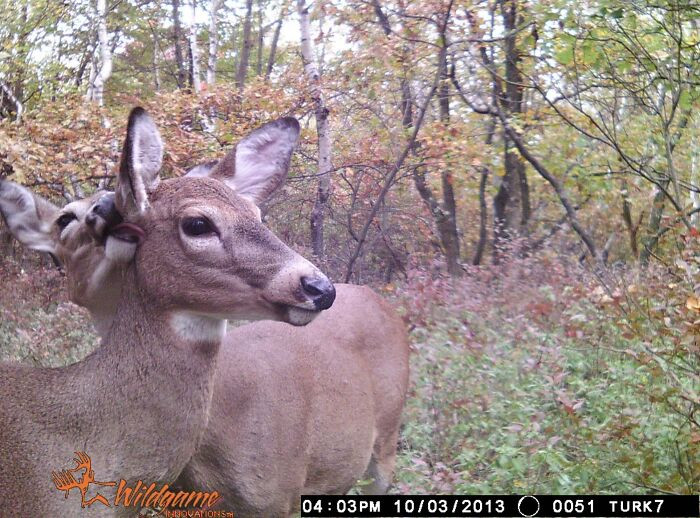
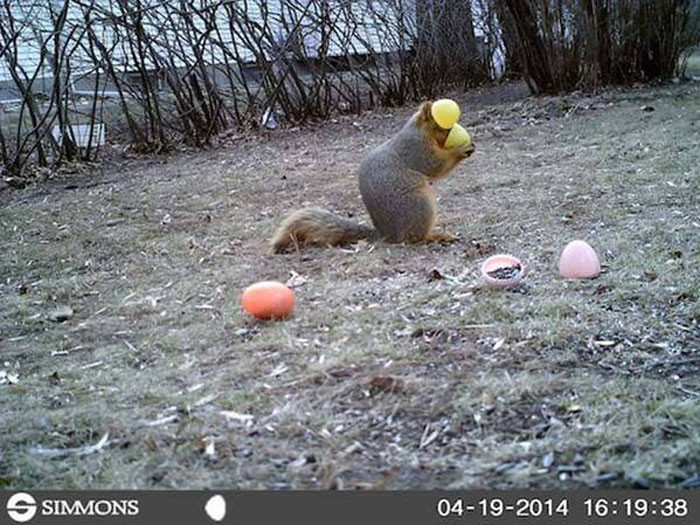
12. An Easter Adventure
Engaging the Next Generation
Jane Goodall emphasizes the importance of engaging youth with wildlife through accessible technologies like trail cameras.
13. She's Not Very Photogenic
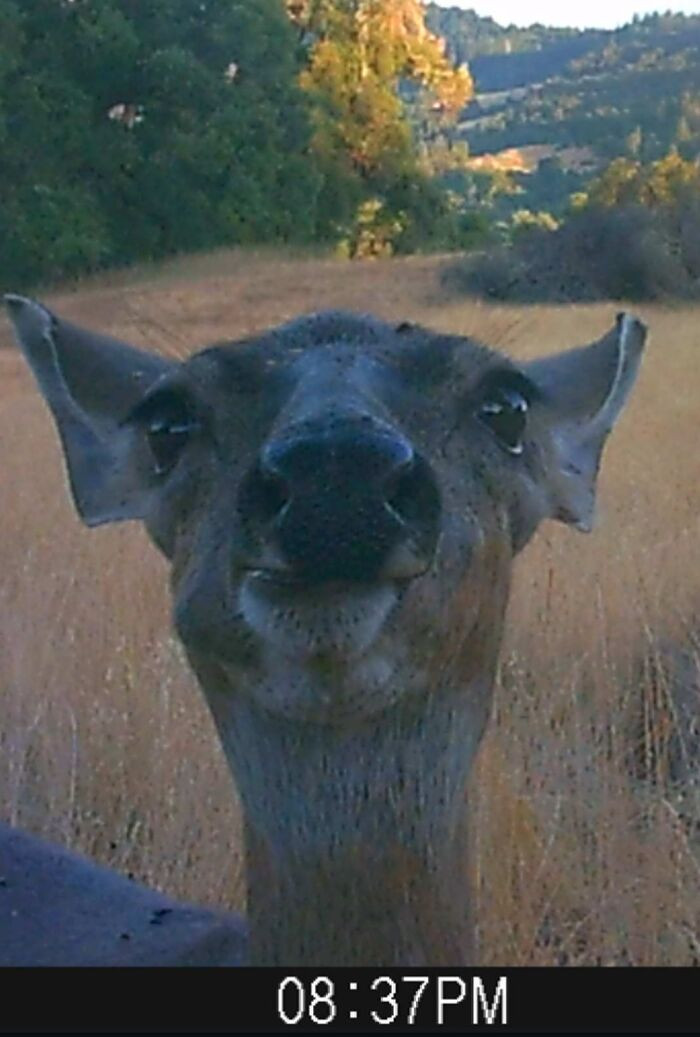
14. One Of The Funniest Trail Cam Pics I Have Recorded
15. Strollin' On By
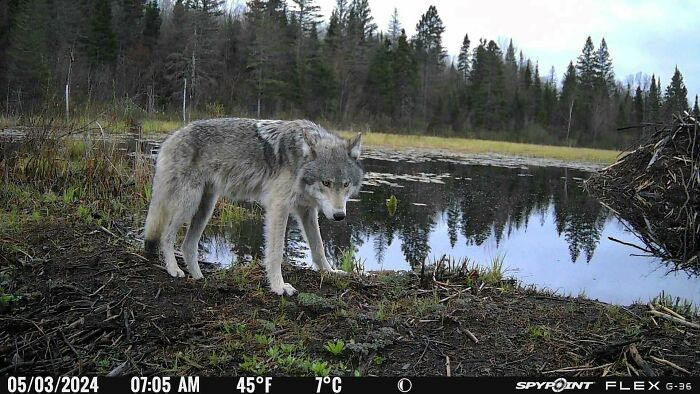
Enthusiasts should be mindful of placing cameras in locations that minimize human impact.
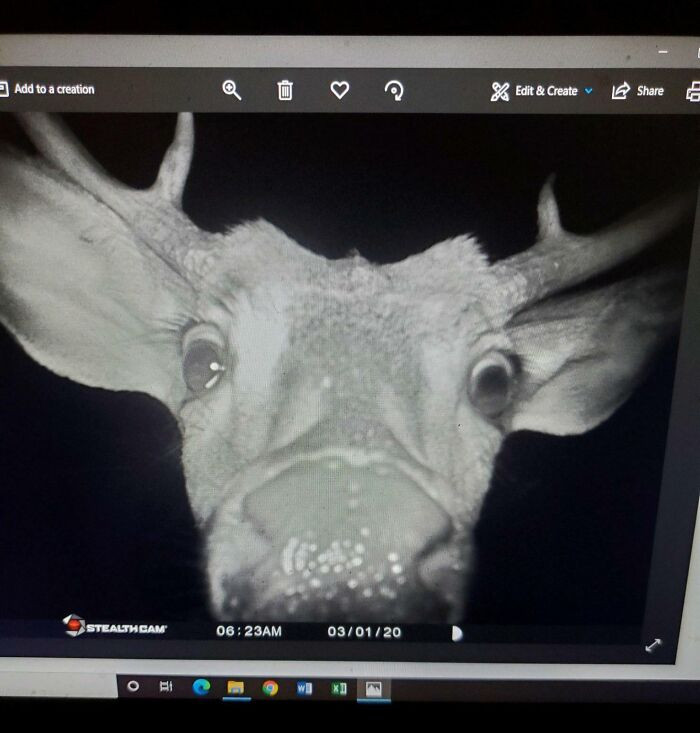
16. Deer Found The Stealth Cam
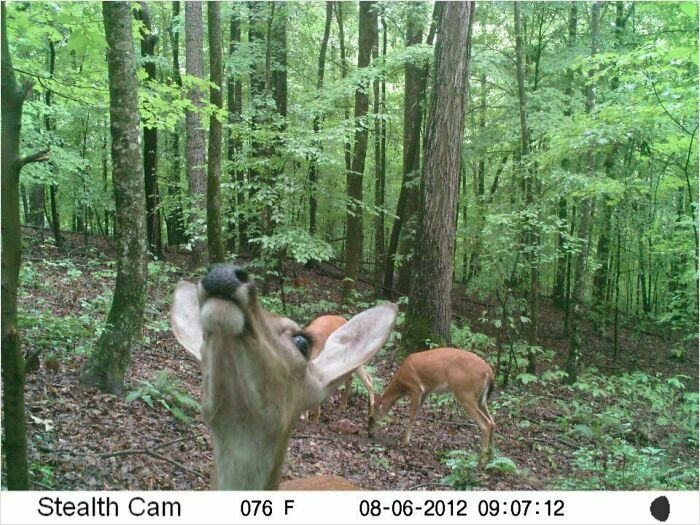
17. Hands Down The Coolest Trail Cam Pic I’ve Ever Got
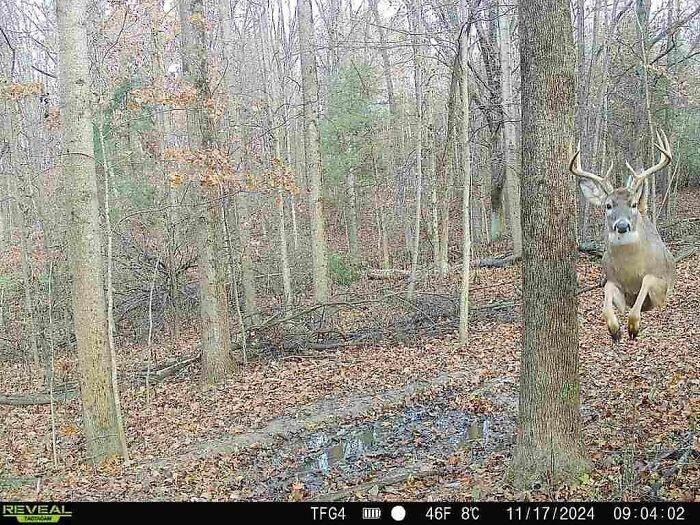
18. My Dad Captured This Little Guy On His Trail Cam
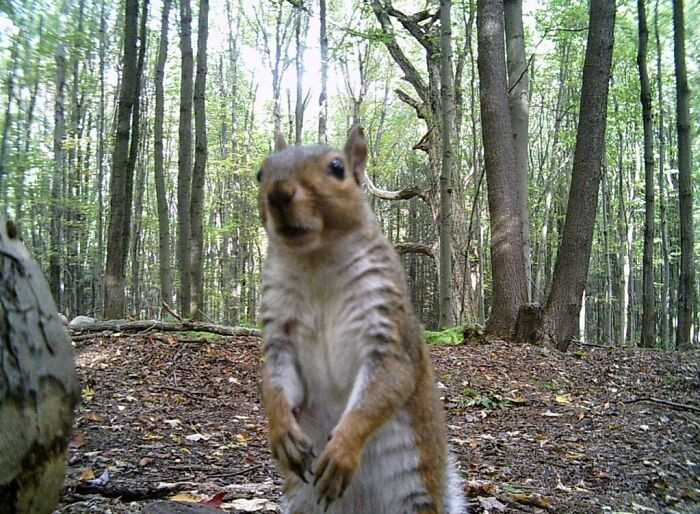
In the realm of wildlife photography, the unexpected moments captured on camera often serve a dual purpose: they entertain and inform. The article highlights how humorous images of animals, caught in candid and amusing situations, foster a sense of relatability among viewers. This light-hearted portrayal not only captivates audiences but also plays a crucial role in conservation messaging.
By showcasing animals in a comedic light, these images help dismantle the barriers between humans and the animal kingdom. As people engage with these funny snapshots, they begin to appreciate the complexity of animal behavior and the need for their protection. The laughter elicited from these moments can transform casual observers into advocates for wildlife preservation, emphasizing the importance of seeing animals as sentient beings worthy of care and respect.
19. My Dad's Deer Cam Caught Something Interesting
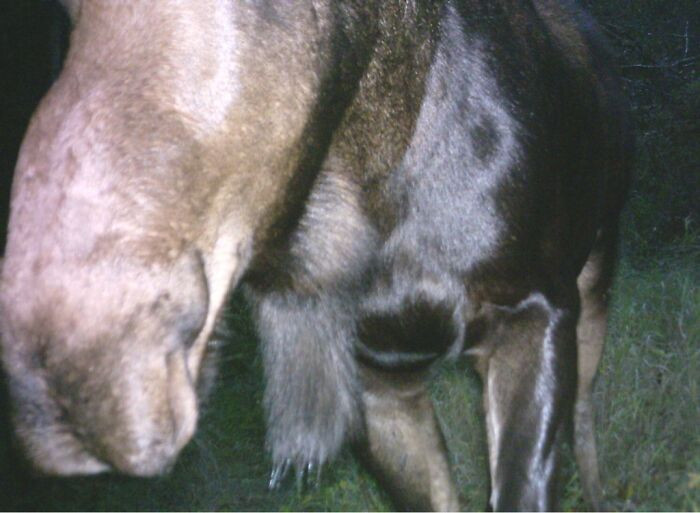
20. You Touched My Toes
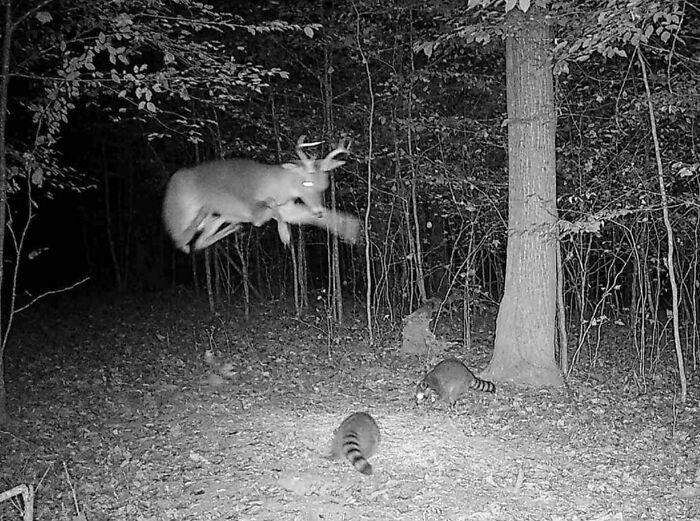
21. Passport Photo
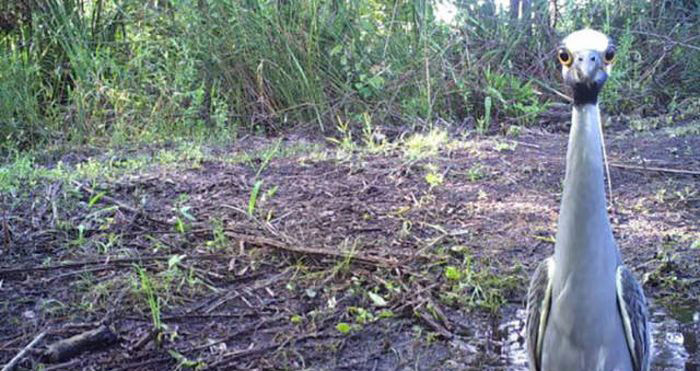
Then the family realizes their trail cam caught exactly what they did not expect, and now every rustle feels personal.
As technology evolves, experts advocate for the use of artificial intelligence in analyzing footage from trail cameras. AI can identify animal species, count populations, and even track migration patterns, offering invaluable insights for researchers. This technological integration allows scientists to process vast amounts of data more efficiently.
Combining AI with traditional observation methods will lead to groundbreaking discoveries in animal behavior and ecology.
And for more “wait, what just happened?” moments, see the remarkable animal moments caught on camera.
22. Deering Around
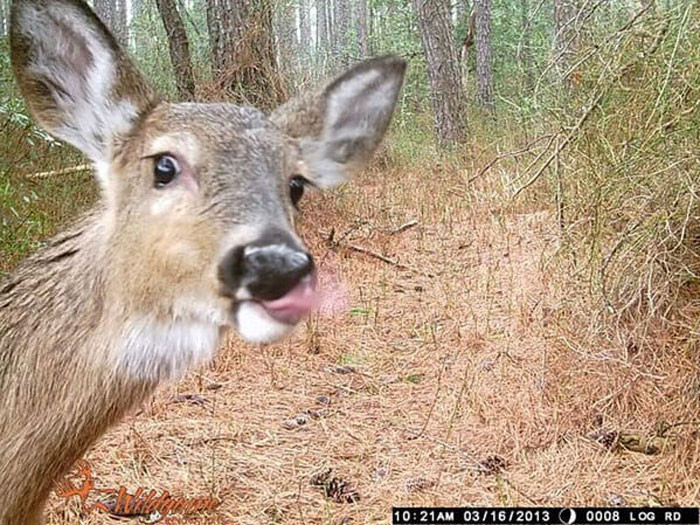
23. Coyote Stole My Newspaper
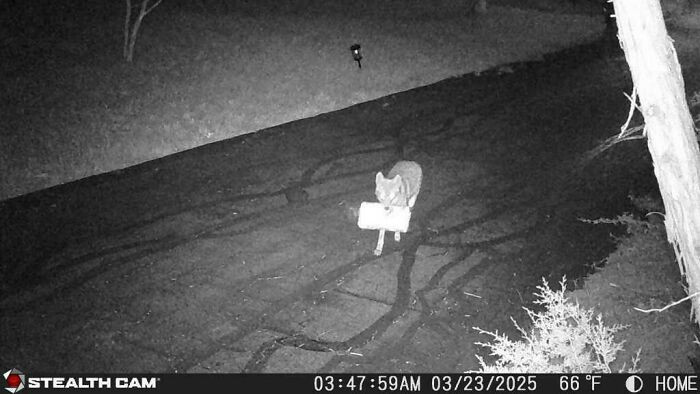
24. Yup. The Trail Cam Works
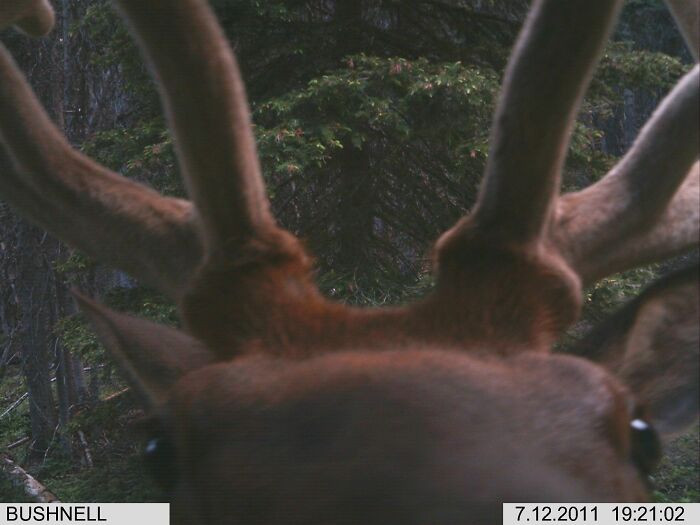
Promoting Ethical Wildlife Photography
Ethical wildlife photography is essential for protecting animal welfare.
25. Fat Daddy
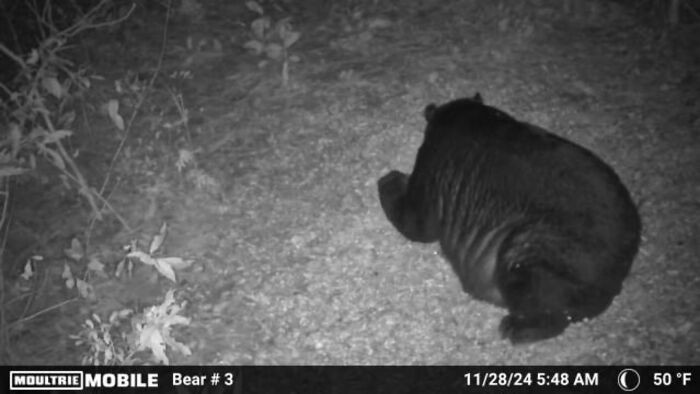
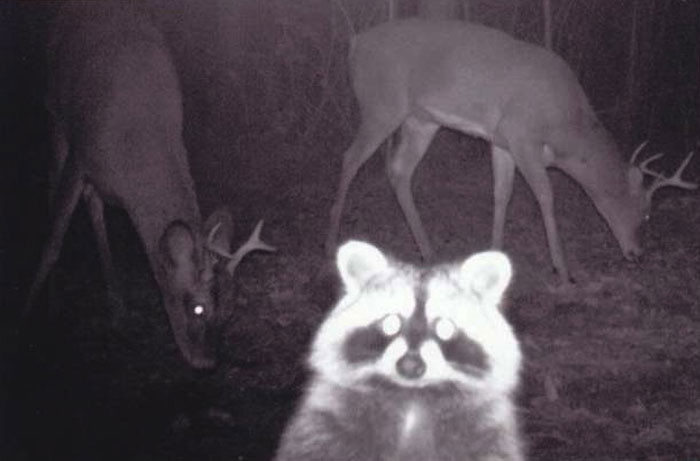
26. A Raccoon Photo Bombing
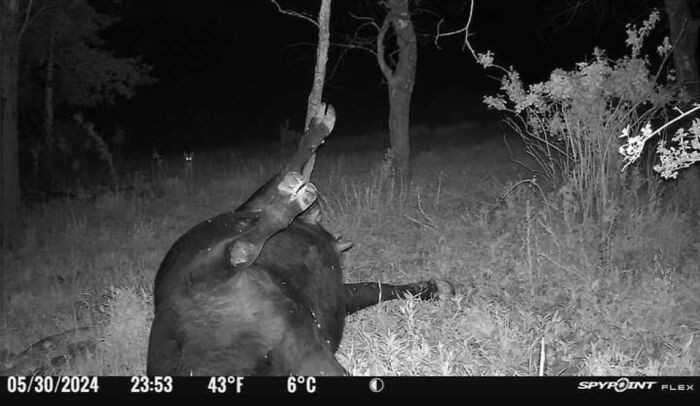
27. Anyone Know What This Is? (Ignore The Cow)
This insight allows us to appreciate their experiences on a more profound level.
Creating narratives around these captured moments can enhance public interest in wildlife conservation, encouraging people to advocate for animal rights and habitat preservation.
28. Kids Playing Around
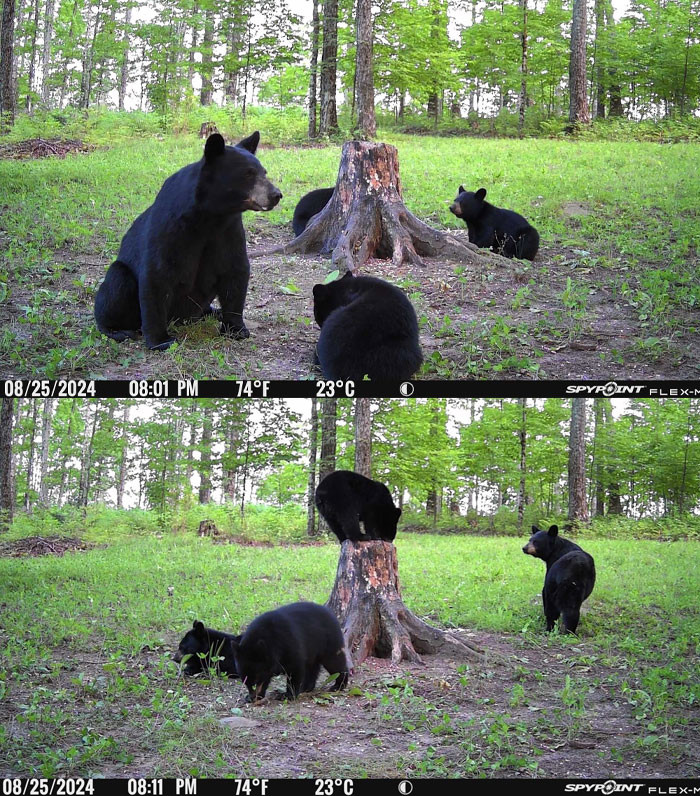
29. Favourite Camera Trap Snap To Date
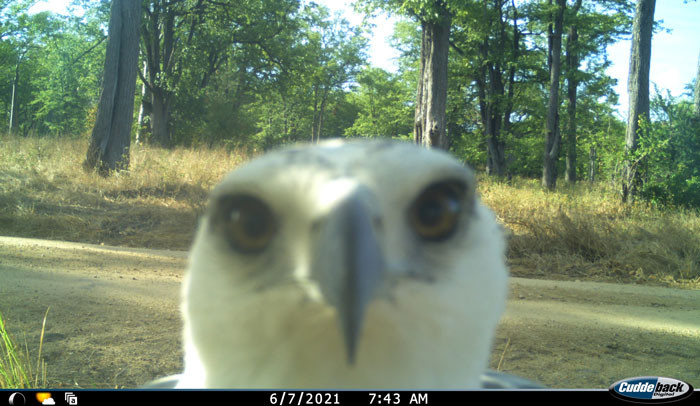
30. Some Friendly Cats
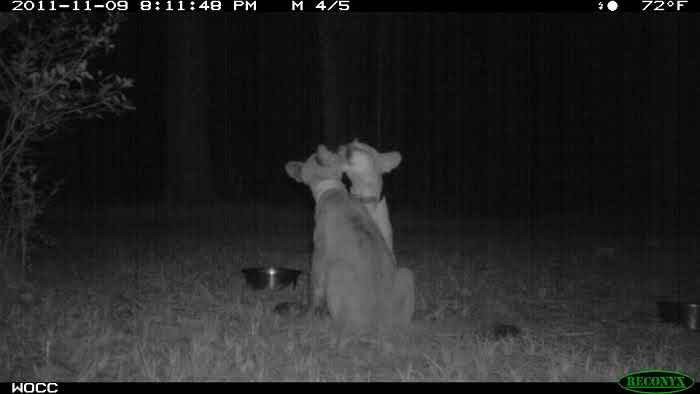
When the “mandatory camera sniff” and the silly deer show up, it’s like the animals are auditioning for their own wildlife special.
Educational Value of Trail Cameras
Wildlife educators recommend using footage from trail cameras as a teaching tool in schools. Visual learning enhances engagement. Incorporating wildlife videos into curricula can spark curiosity and encourage discussions about ecosystems and biodiversity.
By showcasing real-world animal behaviors, educators can foster a greater understanding of the interconnectedness of life and the importance of conservation efforts.
31. The Orb Has Claimed Yet Another Soul
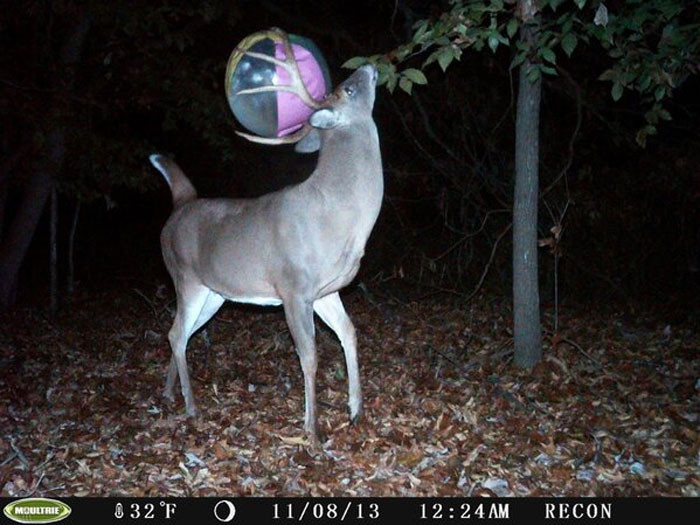
32. Deer Are Majestic Creatures
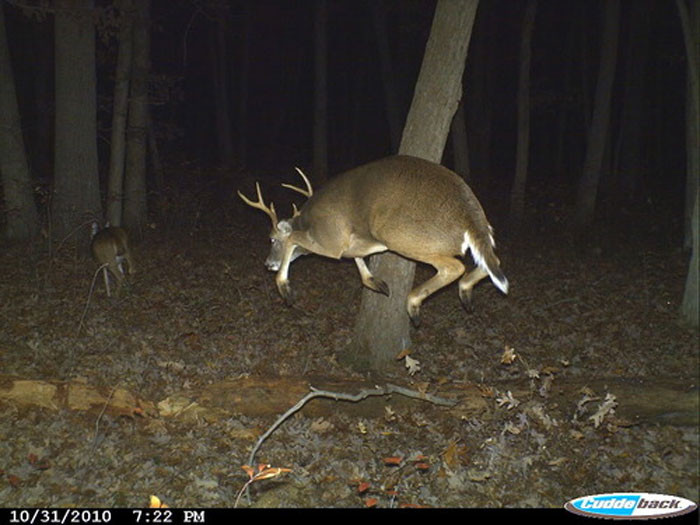
33. Mama And Her Babies
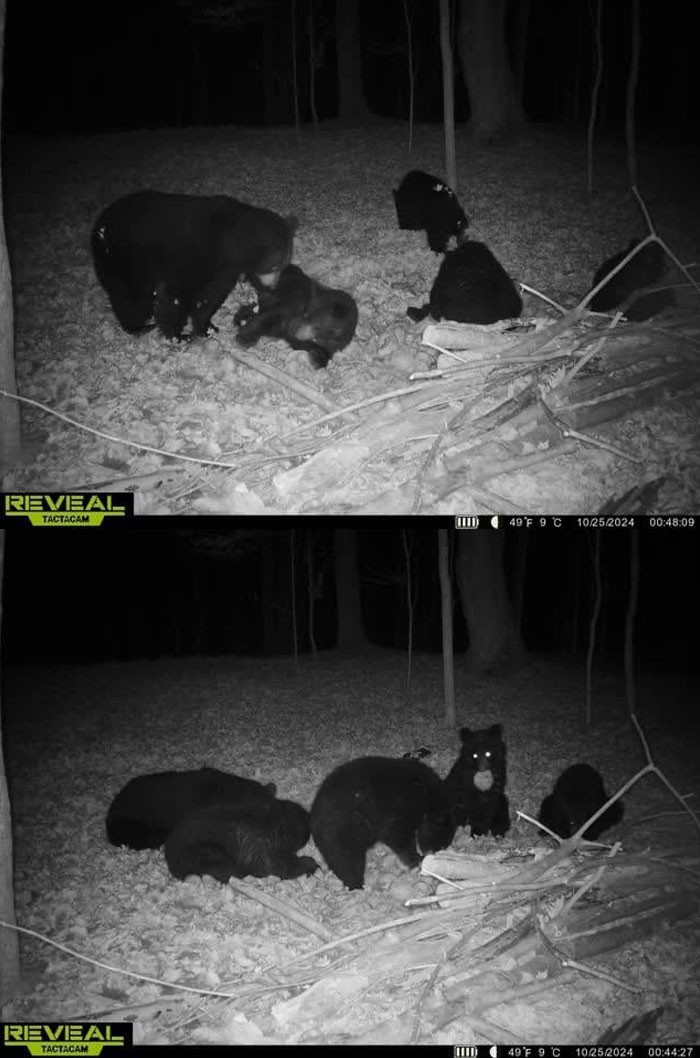
Ecologist Carl Safina asserts that the laughter elicited by funny wildlife moments can serve as a catalyst for change. Engaging storytelling that incorporates humor can inspire individuals to take action.
Safina suggests that conservation groups utilize these lighthearted moments in their campaigns to form emotional connections with potential supporters.
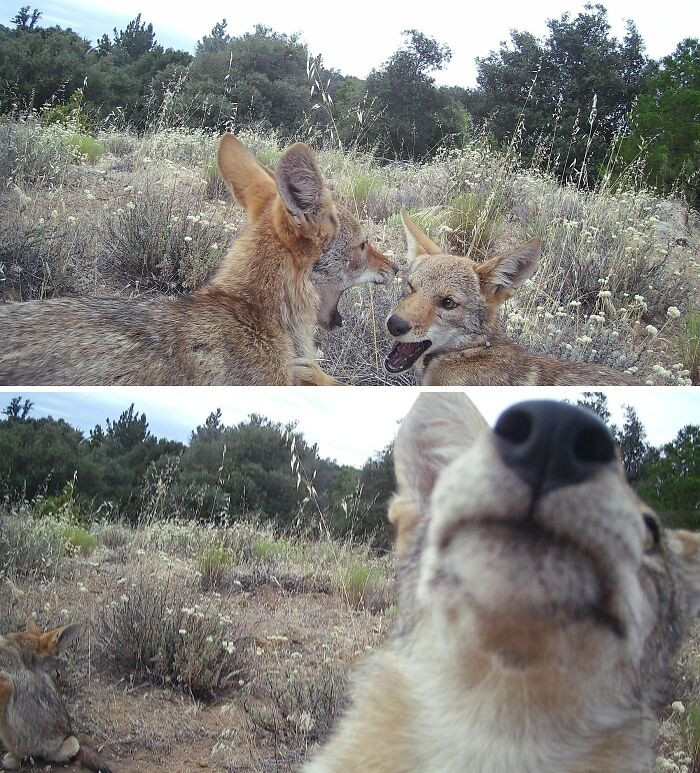
34. Coyote Puppies In Southern California
35. One Awesome Picture
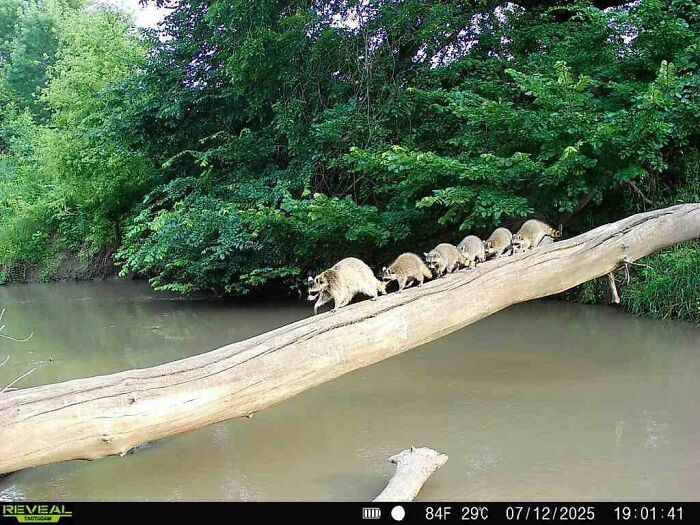
36. Hello
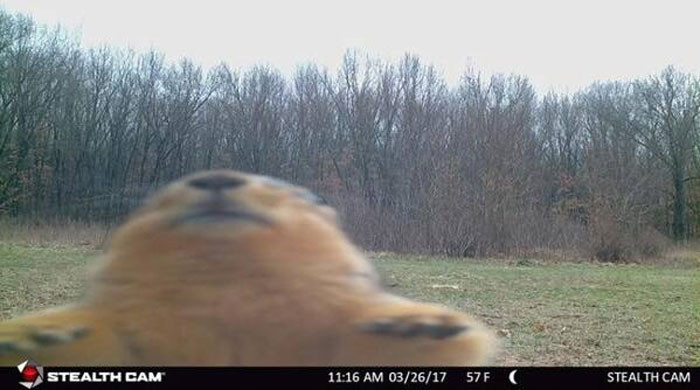
Capturing the Essence of Wildlife
Wildlife filmmaker and conservationist Steve Irwin once stated that capturing the essence of wildlife is about more than just footage; it's about storytelling. Trail cameras provide unique opportunities to tell these stories authentically. Irwin believed that showcasing both the playful and serious aspects of animals can create a more relatable image.
By emphasizing the joy and humor in wildlife, we can foster a deeper appreciation for the natural world.
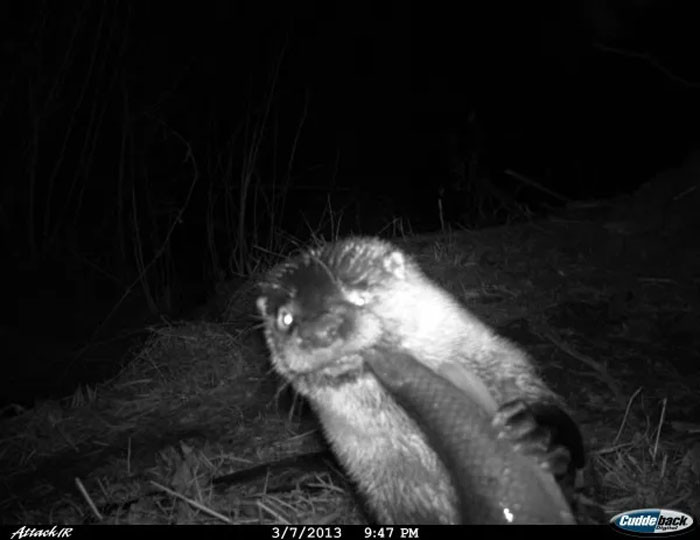
37. An Endangered Northern River Otter Is Photographed Dining On A White Sucker Fish
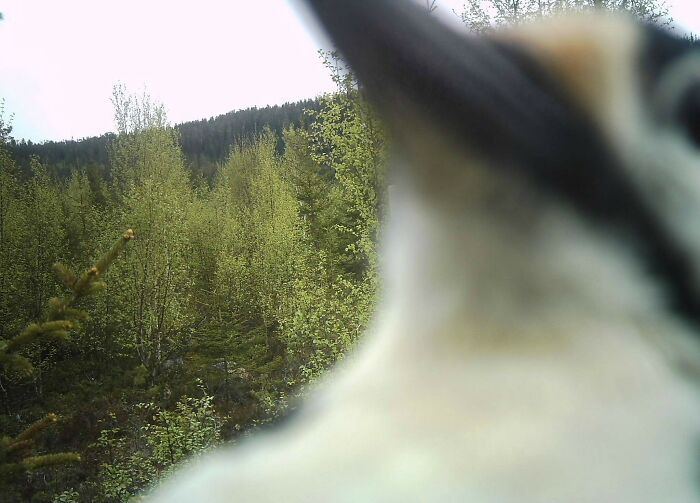
38. I'm Watching You
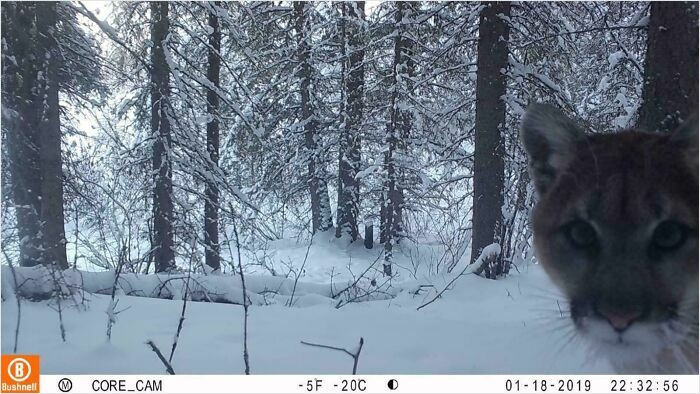
39. My Friend Found His Trail Cam Destroyed, As If Someone Had Stabbed The Lens With A Screwdriver. This Was The Last Picture It Ever Took
By the time the coyote clip and the Easter adventure hit, even the trail itself feels like it’s part of the joke.
Understanding human-animal interactions when analyzing trail camera footage is important. These interactions can offer insights into how animals adapt to human presence. Researchers should focus on the behavioral changes prompted by human encroachment.
This understanding can help inform conservation strategies that respect both animal welfare and human needs.
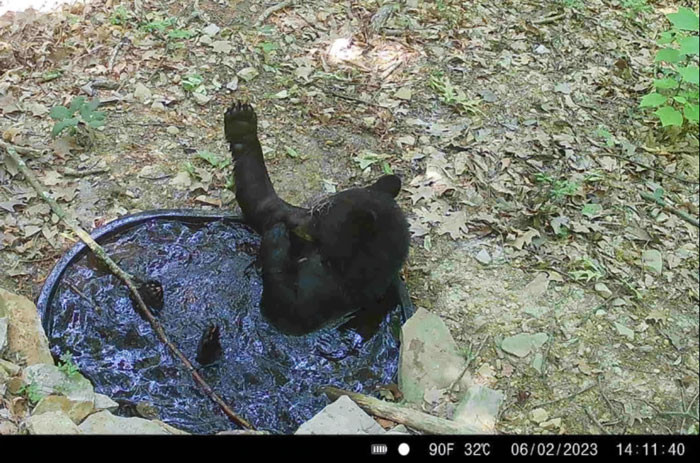
40. For The Moment, At Least, This Bear Did Seem To Have Forgotten About Their Worries And Their Strife
41. I Set My Deer Feeder High Off The Ground, So The Raccoons Couldn't Reach It
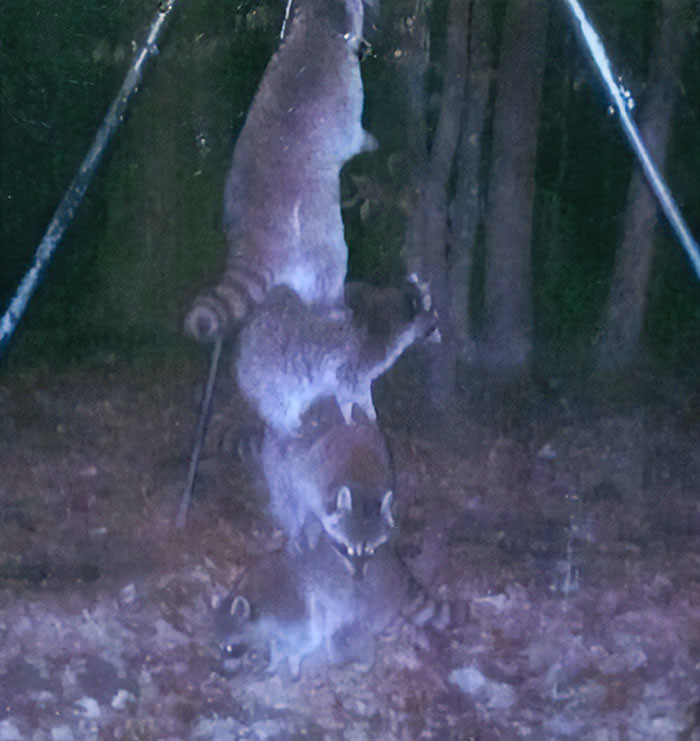
42. Guess The Critter
Future of Wildlife Observation
Integrating various data sources, including trail cameras and satellite imagery, will enhance our understanding of ecosystems.
This comprehensive approach can lead to more effective conservation strategies, ensuring that both wildlife and their habitats are protected for future generations.
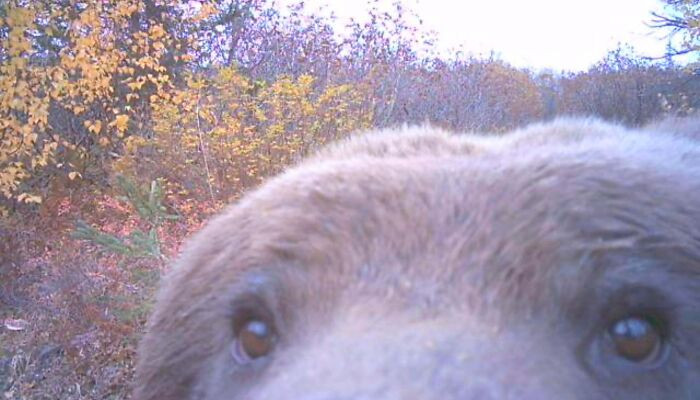
43. Grizzly
44. Just Helping Himself To A Couple Of Fresh Asian Pears
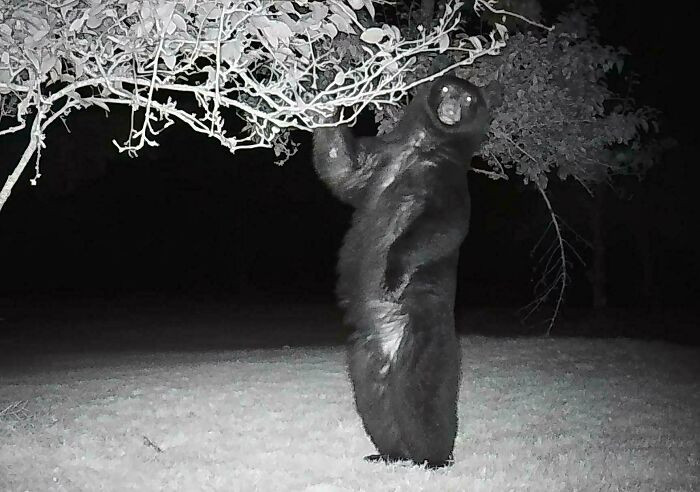
45. A Deer Spooked By A Flying Squirrel
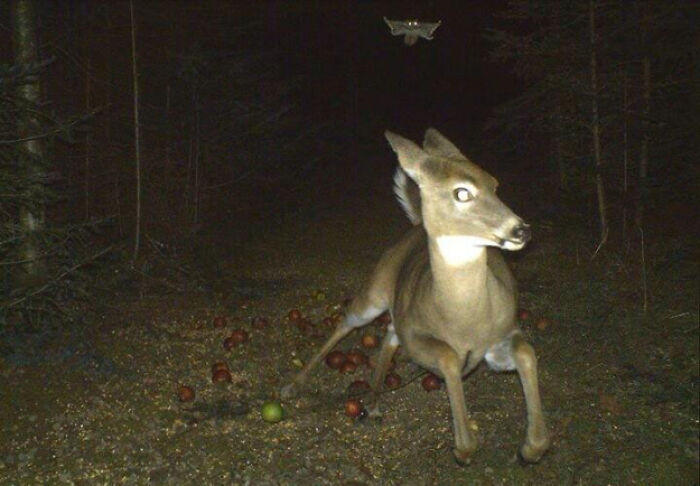
Wildlife experts advocate for the responsible use of trail cameras to prevent potential ethical dilemmas. Capturing images of animals in distress can impact public perception. Organizations should focus on showcasing positive moments to inspire action rather than depicting fear or suffering.
This strategy can cultivate a more hopeful narrative around conservation, encouraging individuals to participate actively in wildlife protection efforts.
46. What Hog Problem?
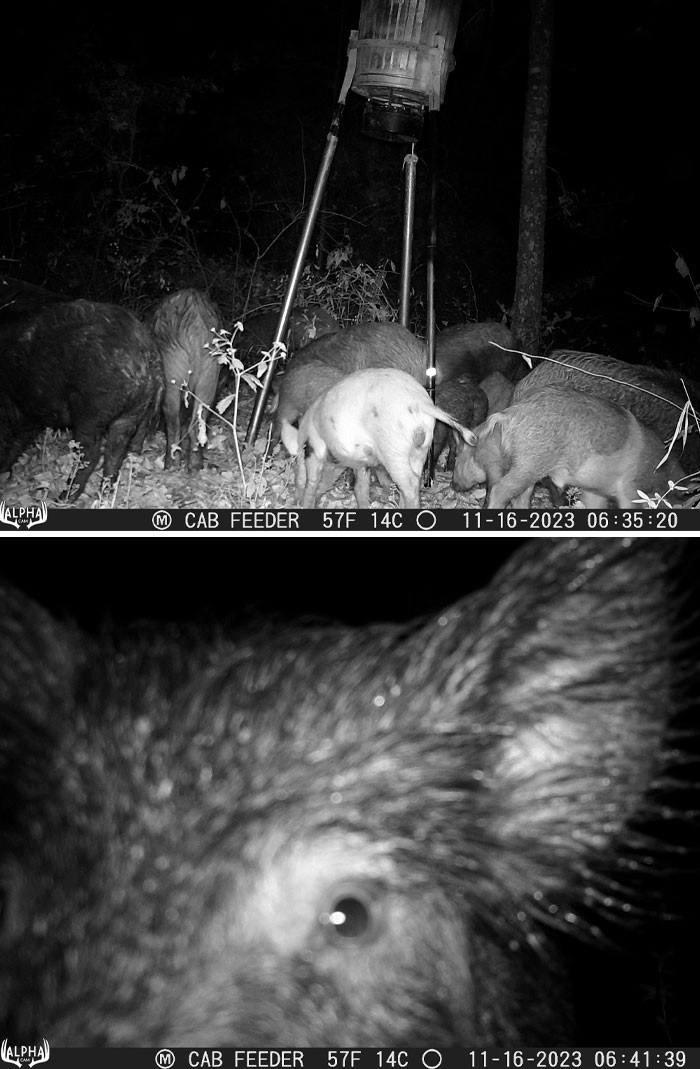
47. Young Fox Checks Out The Game Cam
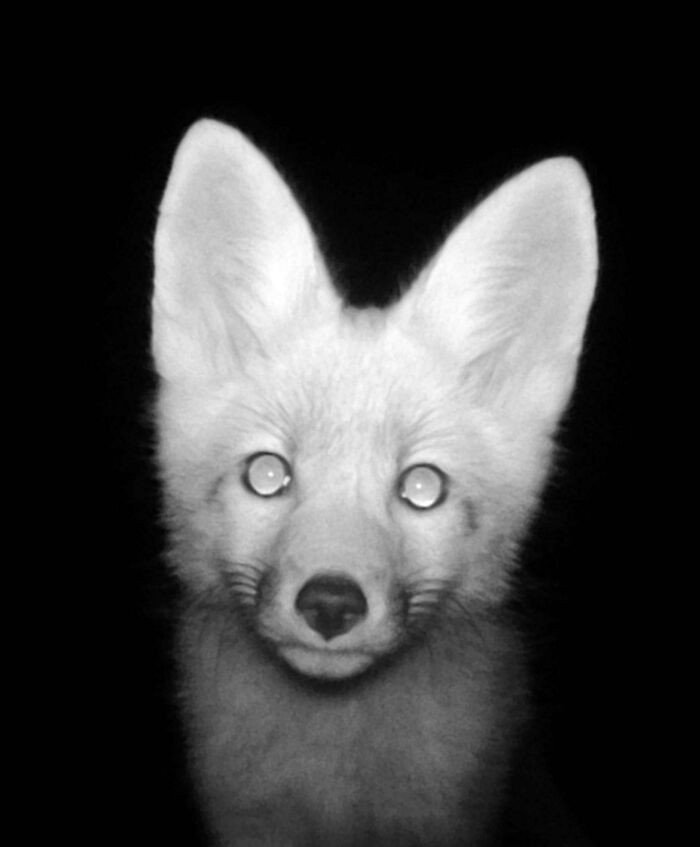
48. Little Ones
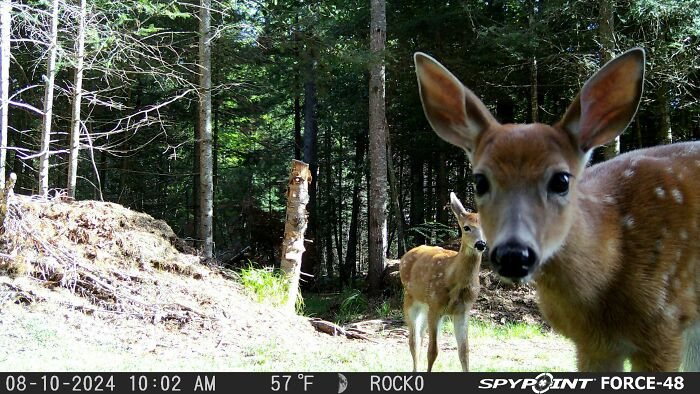
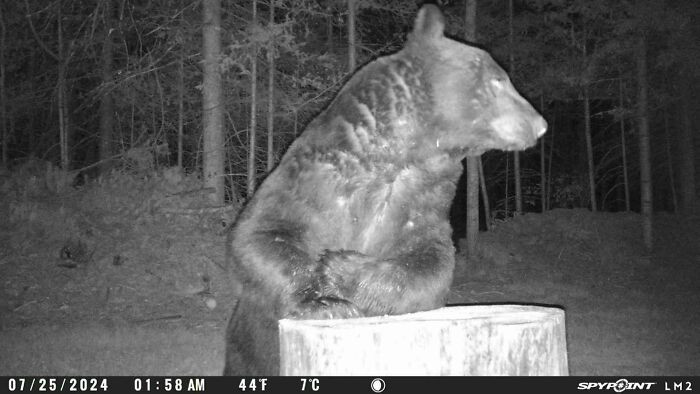
49. Bartender, I'll Have Another
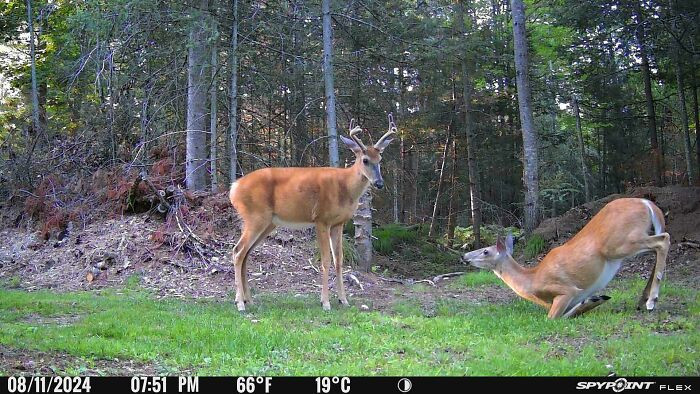
50. Downward Doe
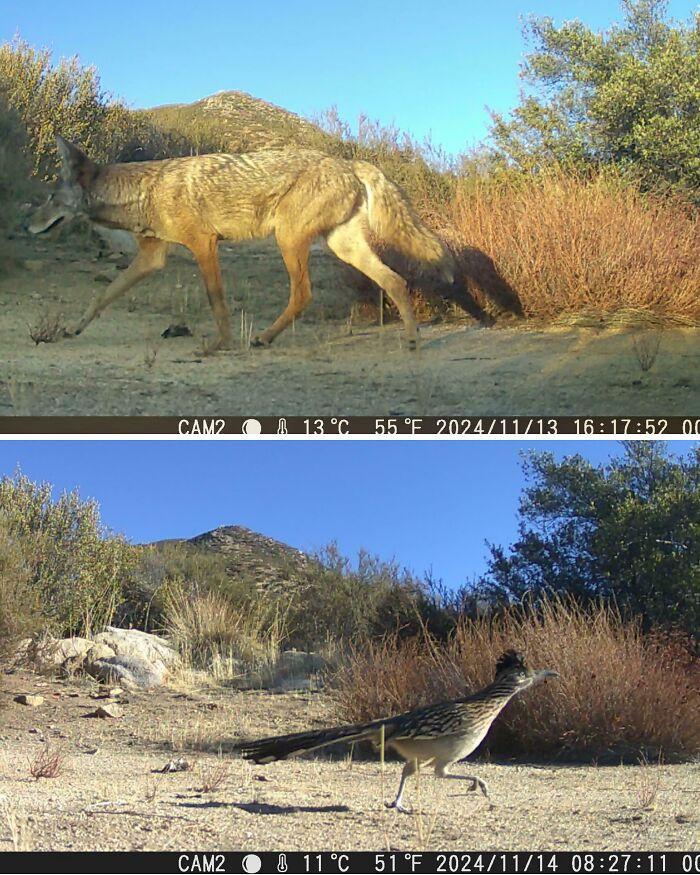
51. Mortal Enemies
So there you have it—proof that the animal kingdom is full of comedians, models, and absolute goofballs. Trail cameras may have been made for research, but they’ve also gifted us with endless entertainment straight from the wild.
Next time you’re out in nature, remember—you might not see them, but the animals are definitely watching… and probably striking a pose.
The use of trail cameras in wildlife observation has transformed how we interact with the animal kingdom, offering both comedic relief and valuable insights into behavior. As seen in the article's collection of amusing animal antics, these cameras capture spontaneous moments that reveal not just the quirks of wildlife but also their unfiltered interactions with their environment.
This blend of humor and information underscores the importance of ethical wildlife observation. By sharing these engaging narratives, the article promotes a stronger bond between humans and animals, fostering greater public interest in conservation initiatives. Such connections are vital for galvanizing support to protect our planet's biodiversity, ensuring that future generations can continue to appreciate the wonders of the natural world.
Nobody expects a trail cam to roast wildlife, but somehow it always delivers.
Still not over the awkward animal timing, check out those 30 photos that caught animals at the most awkward times.
Share this article:





