
People Online Are Sharing Amazing Tips On The Best Way To Train A Dog As A Responsible Pawrent

Some dog owners learn quickly that a cute puppy can turn into a handful without the right training. That is the tension running through this story, where people online are swapping their best dog training tips and arguing over what actually works.
The post brings together a mix of opinions on obedience, positive reinforcement, early training, and the everyday chaos that comes with raising a dog. Some comments focus on simple consistency, while others point to the frustrations of living with a dog that has never really learned the rules.
By the end, the advice gets personal, practical, and a little blunt. Read on.
Someone asked:
Training starts with the person holding the leash.
1. "Training YOURSELF first… Start here…"
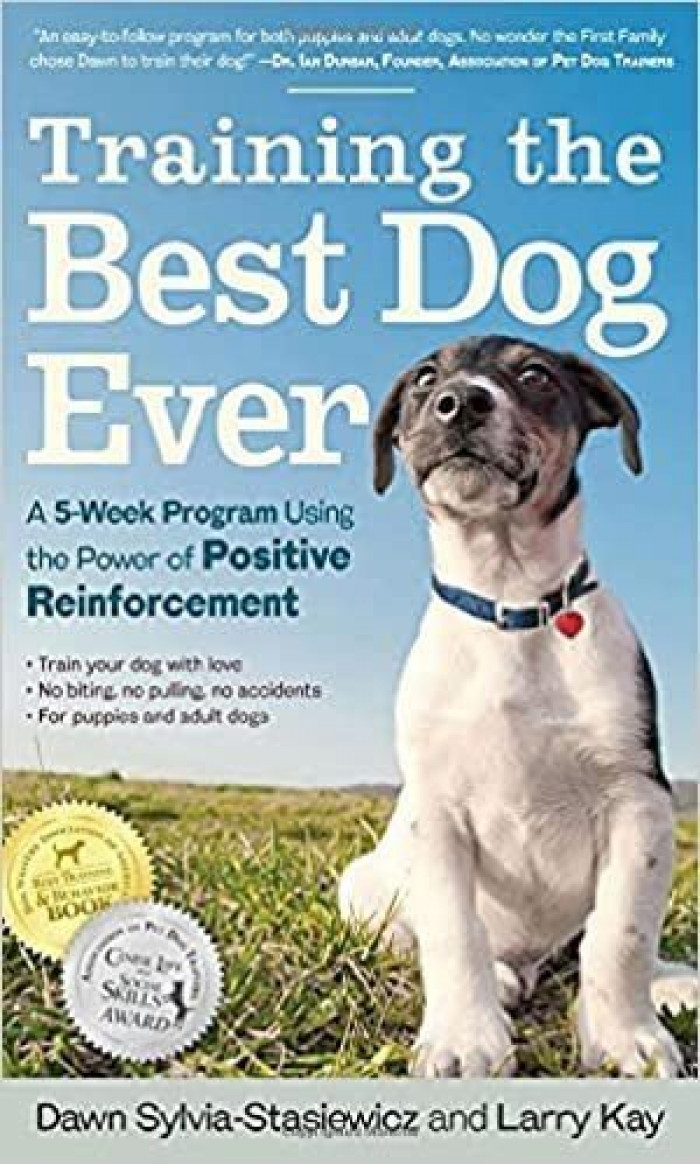
2. Positive reinforcement

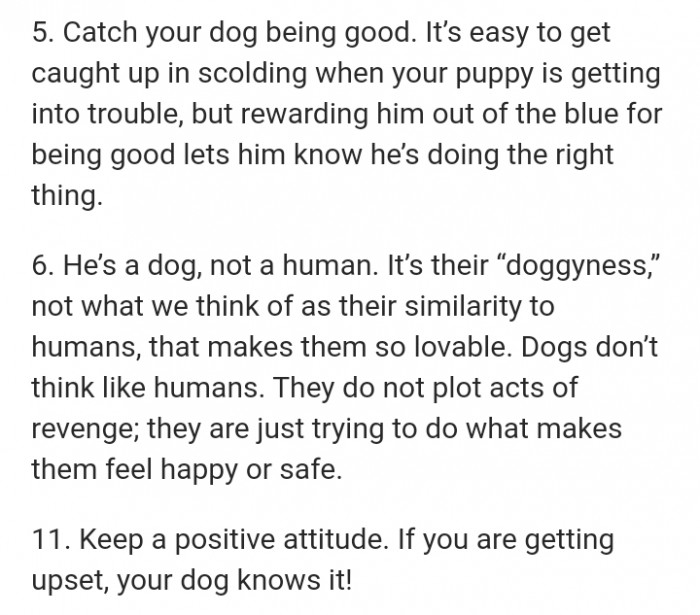
All dogs are born good.
Never hit your dog

That part seems to be the main point here.
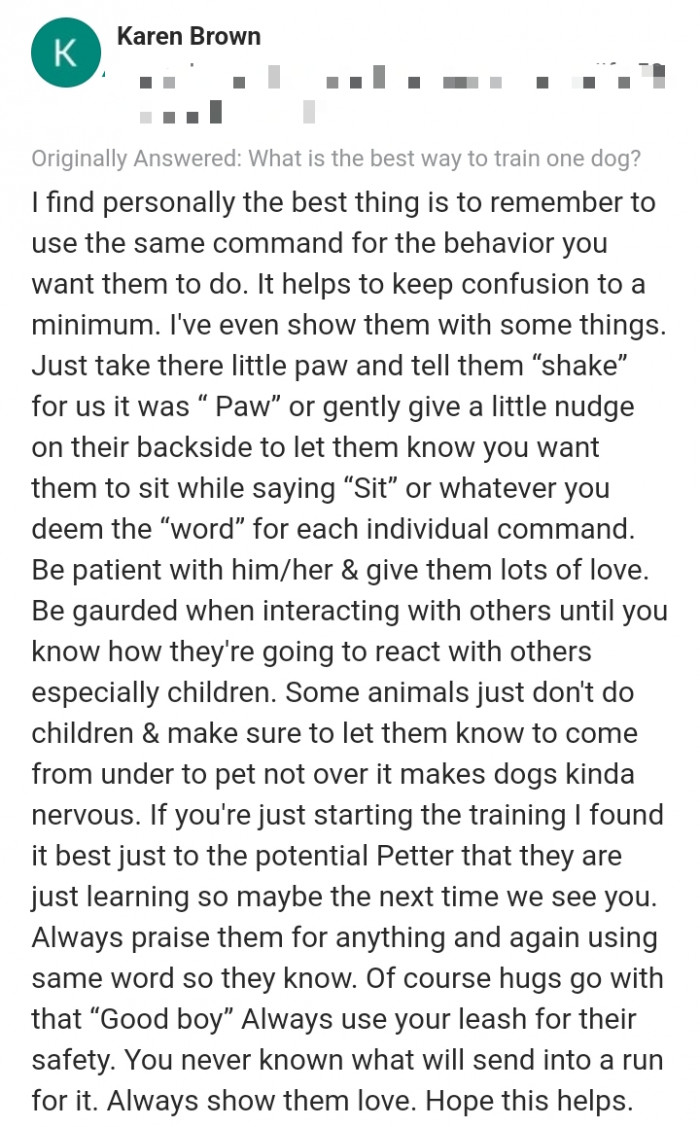
3. Avoid confusion
4. "I find no difference in size, while breed certainly affects trainability."
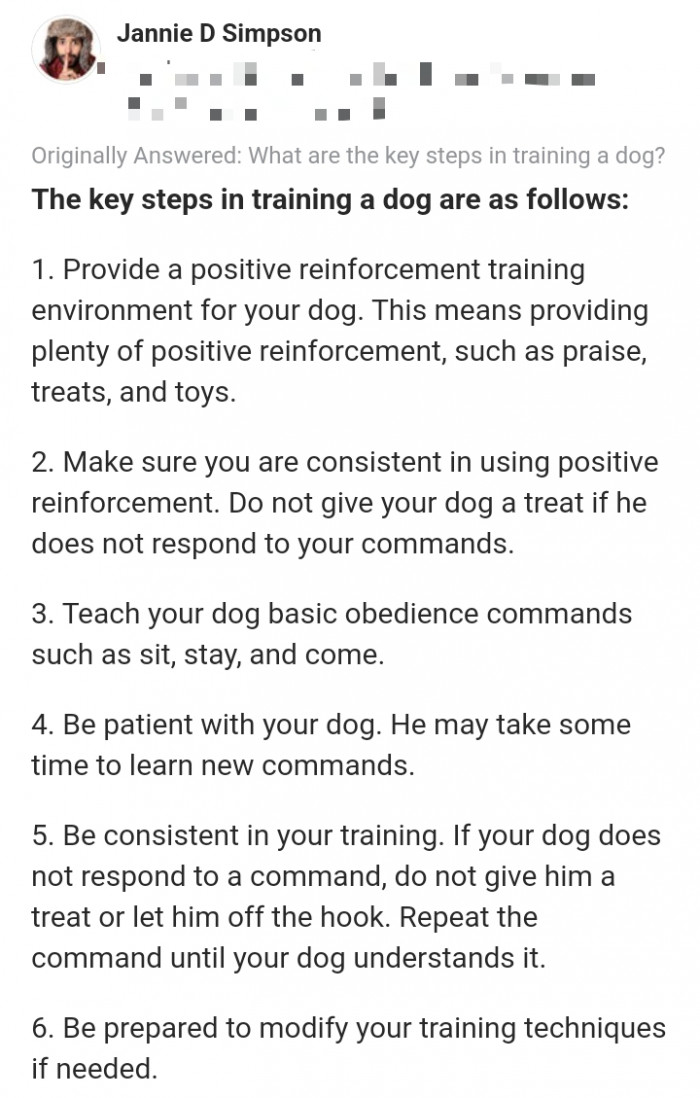
5. Key steps:
6. The Cocker Spaniel
The first thing that you need to understand is that various breeds of dogs are extremely different in terms of their ability to learn, and that’s simply because they have been bred to do different things.
Some dogs are extremely easy to train because they have been bred to be smart (e.g., border collies, poodles, German shepherds, Australian shepherds, rottweilers, golden retrievers, Doberman pinschers, and English Labradors).
Some dogs, on the other hand, are almost impossible to train because they have been bred to be less intelligent (e.g., basset hounds, bulldogs, beagles, shih tzus, chihuahuas, mastiffs, dachshunds, and Great Danes).
If you want an easily trainable dog, choose an intelligent breed, but remember this: the more intelligent they are, the more time and attention they require. If you only have a limited amount of time to spend with your dog, you will be better off choosing a less intelligent breed—more difficult to train, yes, but much less demanding of your time and energy.
For what it’s worth, I think that the Cocker Spaniel is the perfect combination of lovable, friendly, affectionate, loyal, and beautiful for a dog that’s both smart and trainable, yet not too demanding for someone who needs to work eight hours a day, five days a week, and can’t devote an enormous amount of time to their dog.

Some of these replies are very specific.
It also mirrors the in-laws who brought a “nonchalant” fighting dog, and the man who refused to train it.
See why he wouldn’t train his in-laws’ dog.
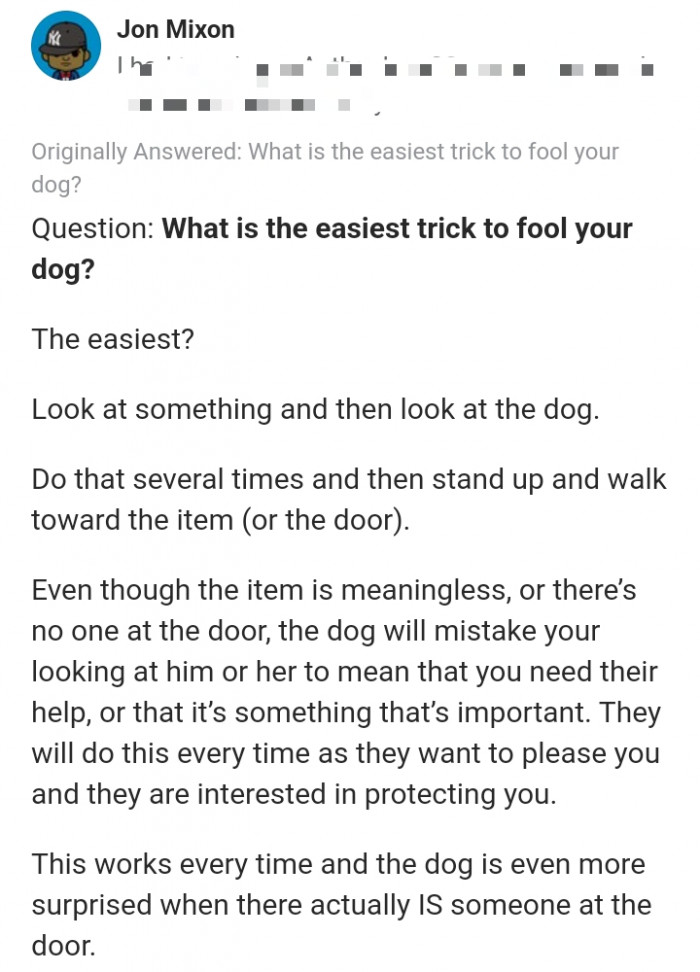
7. The easiest trick:
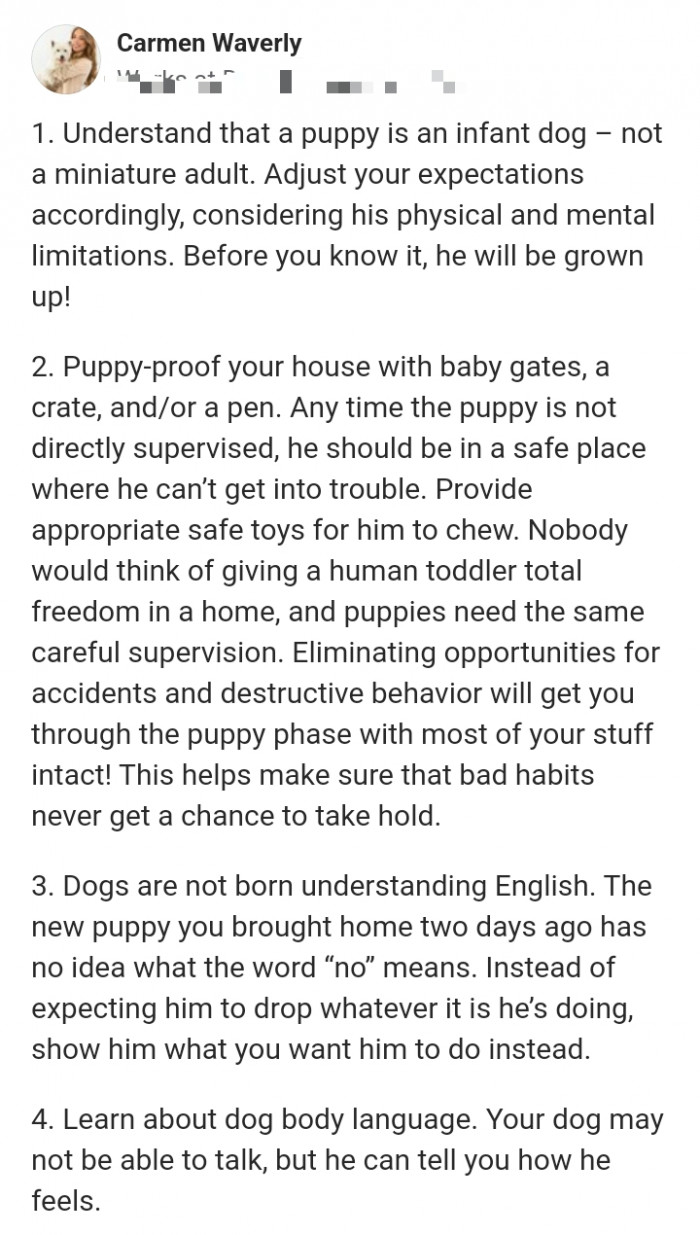
8. The puppy is an infant dog, not a miniature adult
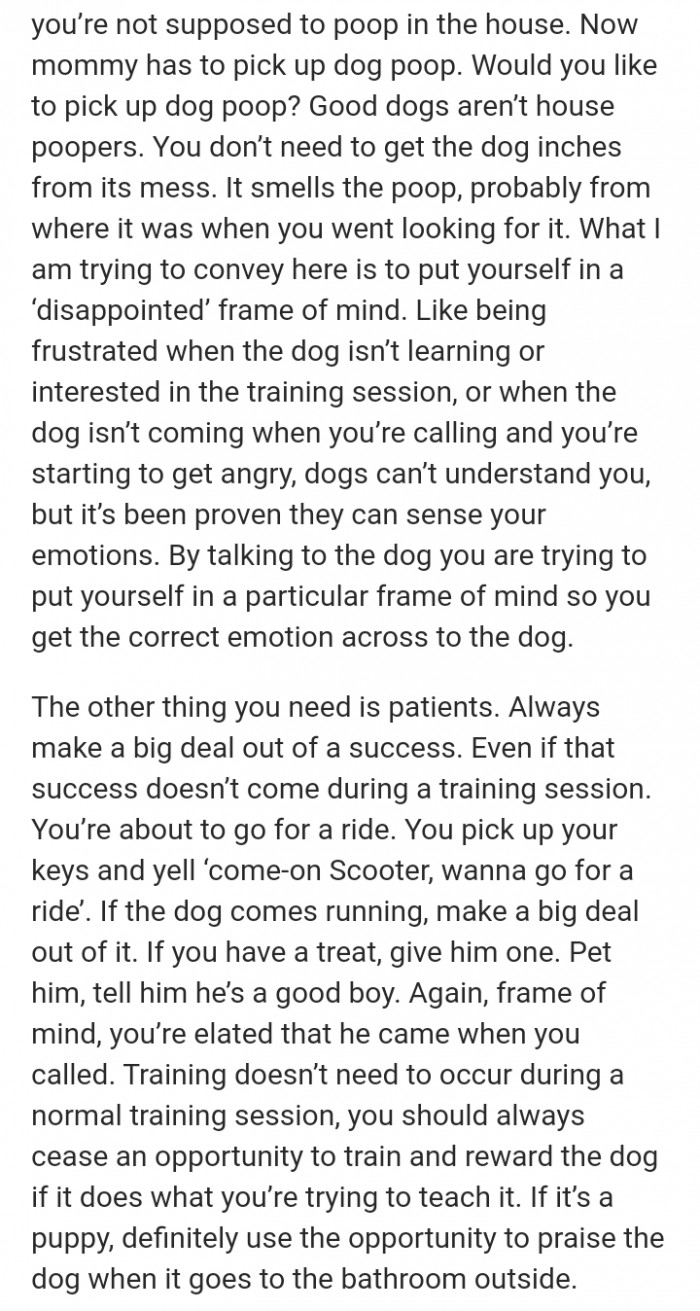
Catch your dog being good
9. "This little guy has been incredibly easy to train."

Then the thread shifts into real-life examples.
2 years later:
He had maybe two messes in the house while he was potty training. He only chewed the corner of one piece of furniture before he learned that we chew toys, not furniture.
Two years later, he’s got some work left to do, but he’s a great dog.
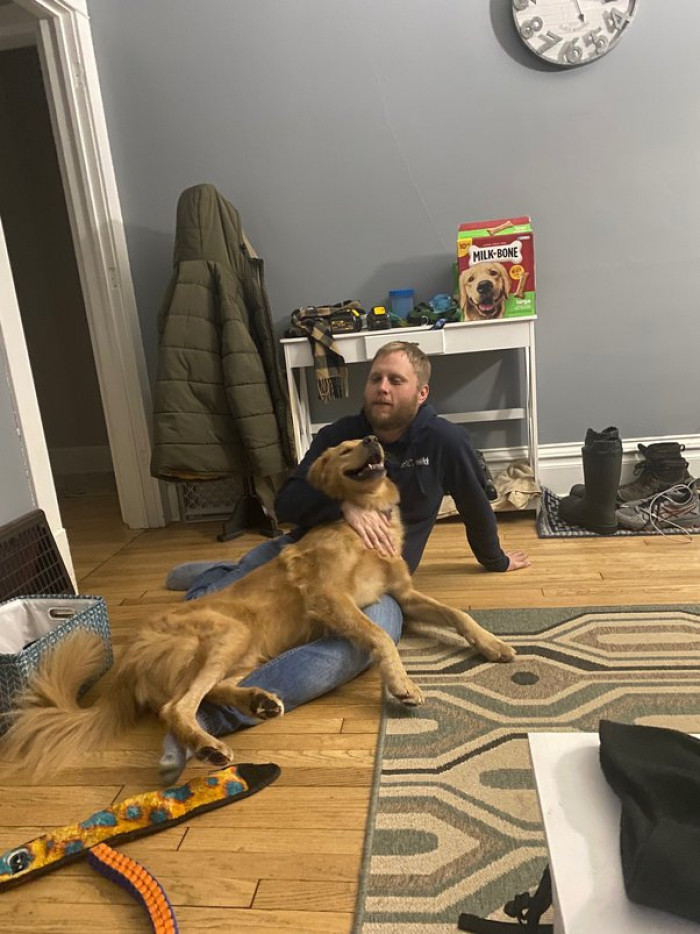
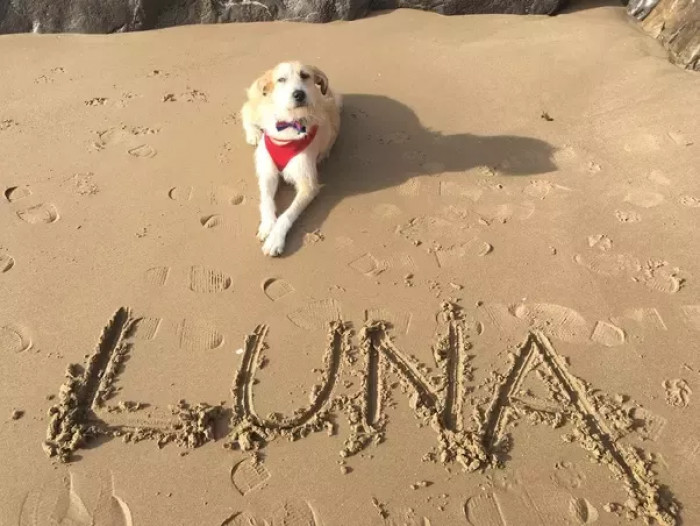
10. This is Luna

Luna had almost no training
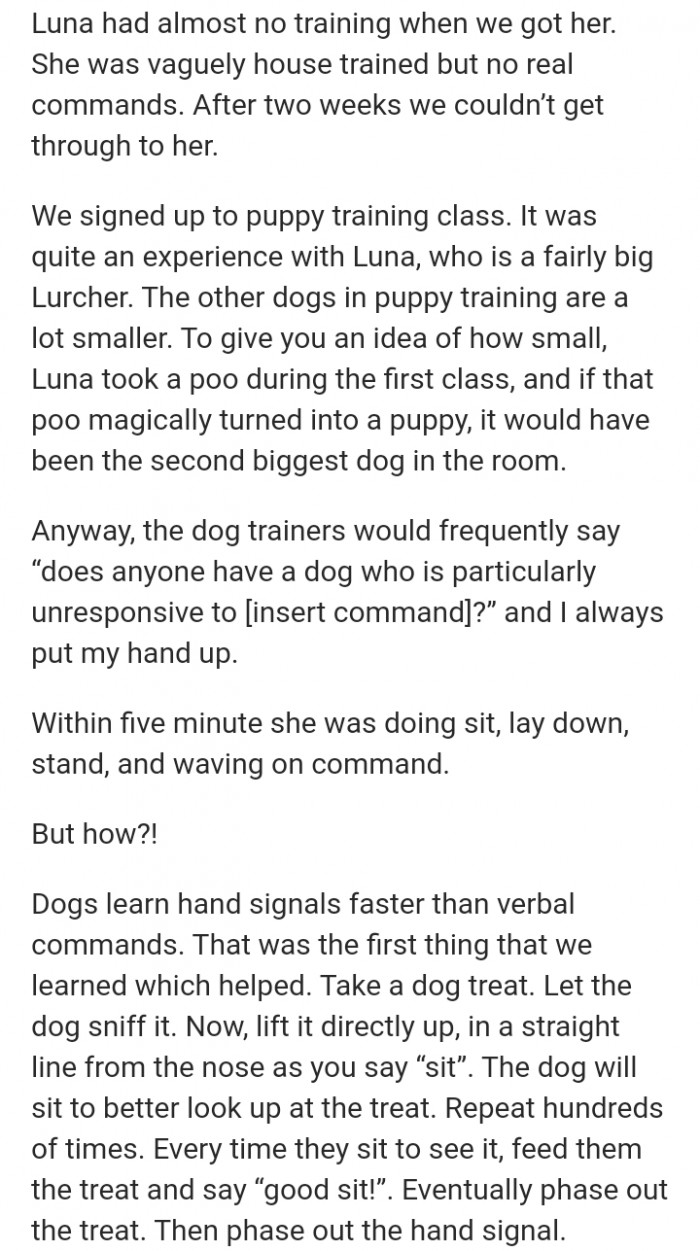
Let them sniff the treat
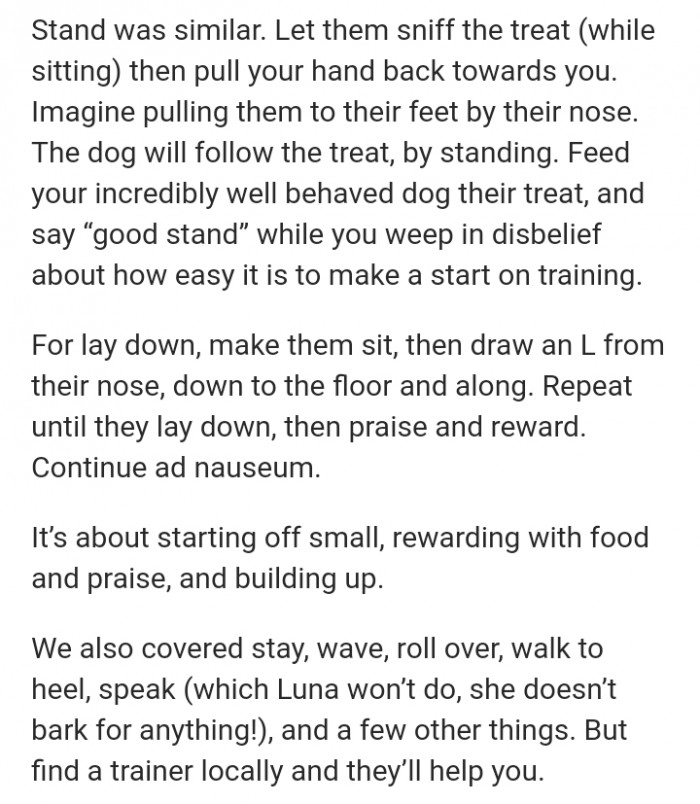
Here is another picture of Luna
11. Start training as early as possible
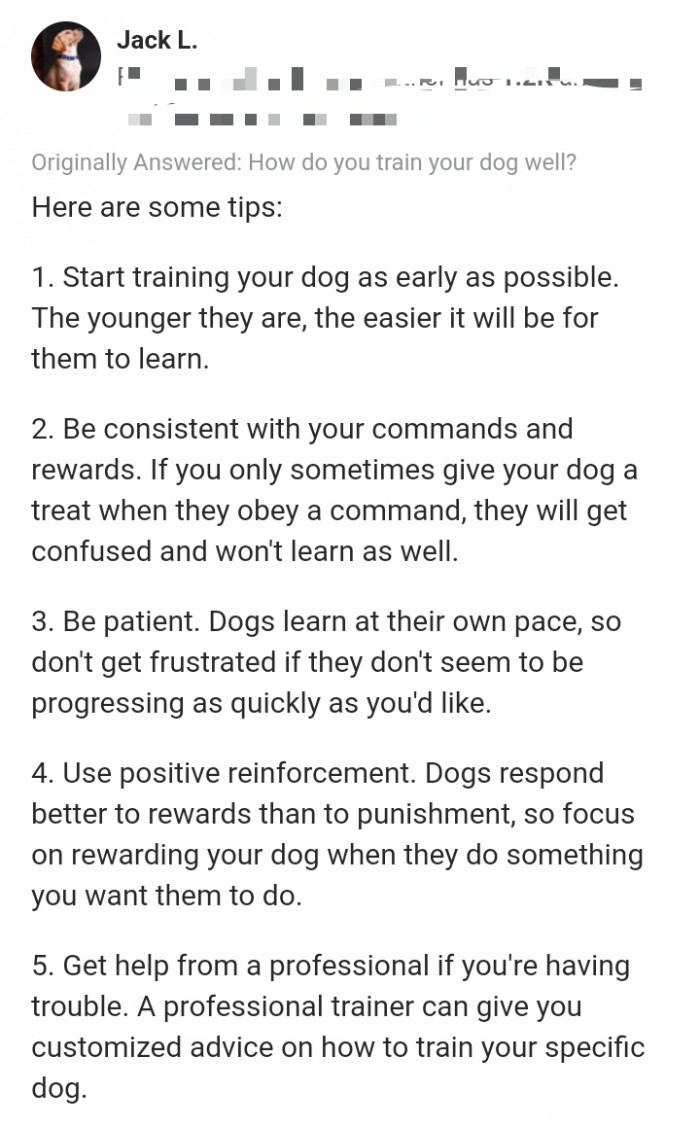
12. How to train a small dog:

That last one lands with a bit of attitude.
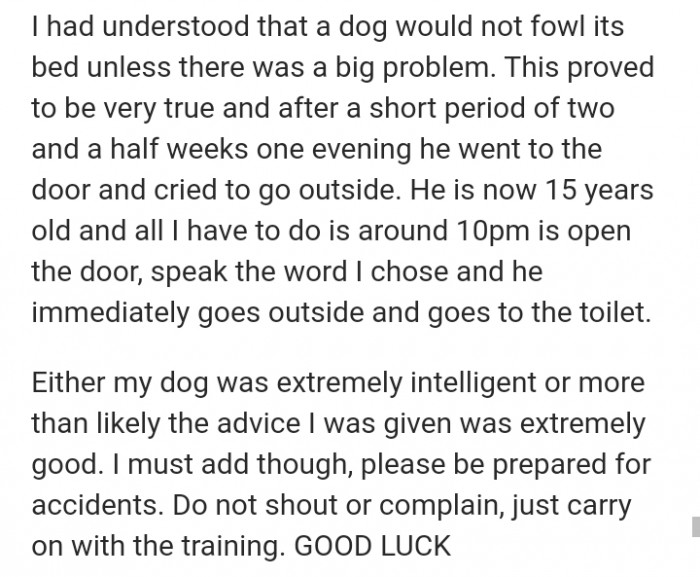
Do not shout
We should feel happiness, joy, and pride while we are with our dogs. However, dealing with a dog who consistently disobeys or displays behavioral problems can be a constant source of stress for both us and the dog.
Every dog, regardless of age, breed, or temperament, can benefit from some training. So go ahead and share this post with others too.
Good training makes life easier for everyone.
Got crate-training blues too, like the dog that needed patience for separation anxiety? Read how they handled crate training and separation anxiety.
Share this article:





