
Wildlife Photographer Captures Amazing Images Of Churchill Polar Bears in Northern Canada

George Turner has photographed lions, chimps, and now one of the most iconic animals on earth, polar bears in northern Canada. His latest trip took him to Churchill, Manitoba, where the frozen edge of Hudson Bay draws the world’s most accessible polar bear population.
Turner joined a Churchill Wild adventure to capture the bears in their natural habitat, far from the usual safari settings he has worked in before. The experience brought him face to face with the reality of climate change, and with a species that depends on the ice for survival.
Then the Arctic delivered the kind of encounter he will not forget anytime soon.
Wildlife photographer George Turner went to northern Canada to photograph Churchill polar bears.
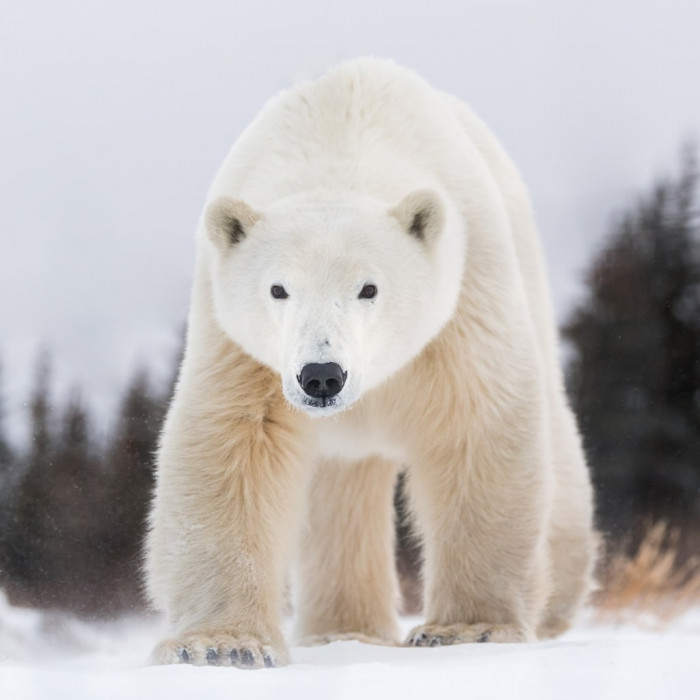
What was Turner's average day like?
"After a night gazing at the Northern Lights, we'd head out to the shores of Hudson Bay in search of the white giants. Once spotted, the guides, with 30 years of experience between them, create a game plan: how we'll approach, the best angles for photography, and so on.
On the approach, the group is in total silence, letting the bear know that we mean no harm. After everyone has their snaps, we leave the same way, quiet as we go."
The routine sounds calm, but the setting is anything but ordinary.
And he got much more than he had hoped for
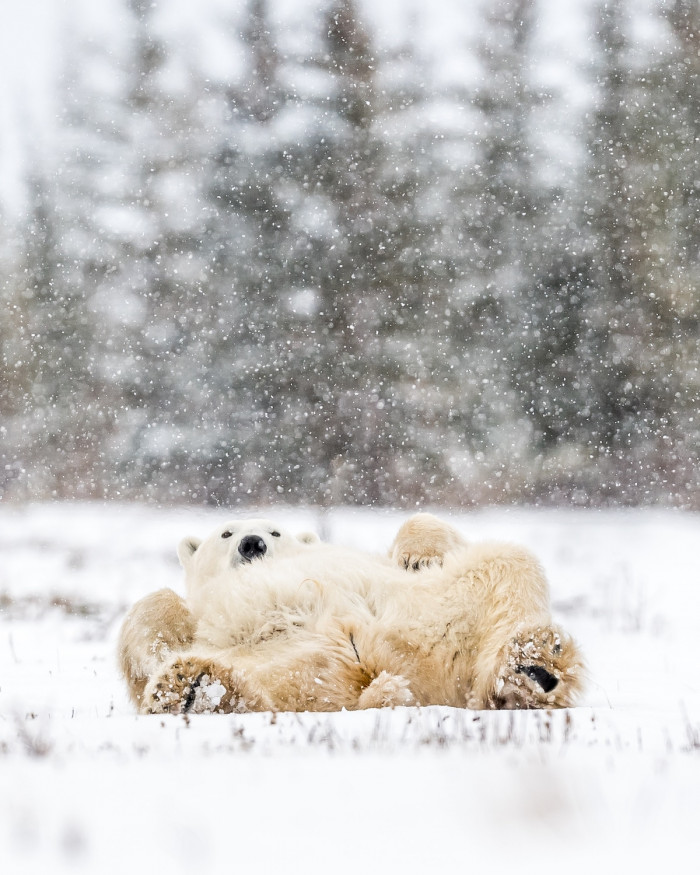
How was it different from his other experiences?
Other than being chillier, it was the intimacy that struck me. In such a silent world, snow snuffles out sound, the stillness creates a magical, ethereal feeling in the air.
Photographically, it's a dream. The crisp, cool air results in super sharp images, with the light interacting with every single snowflake.
That quiet made every moment feel bigger.
He didn't just take photos of them
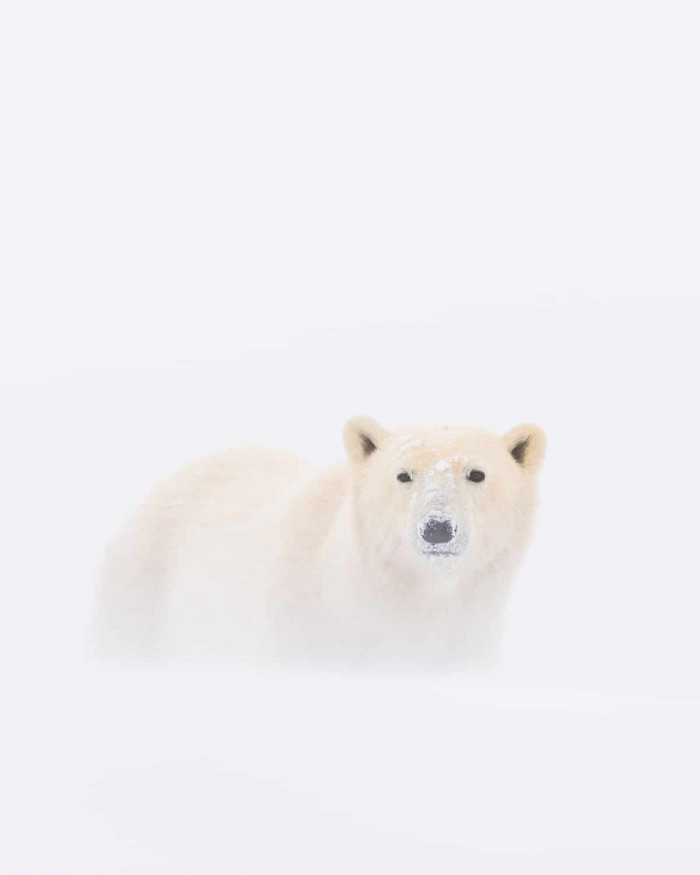
What does he think about polar bears' temperament?
Contrary to popular belief, polar bears are incredibly calm, sociable animals. Never at any point did we feel threatened; we only felt honored to share their home with them.
This is the kind of gut-punch you’ll feel after watching footage of a starving polar bear and realizing climate change is to blame.
He got to know them
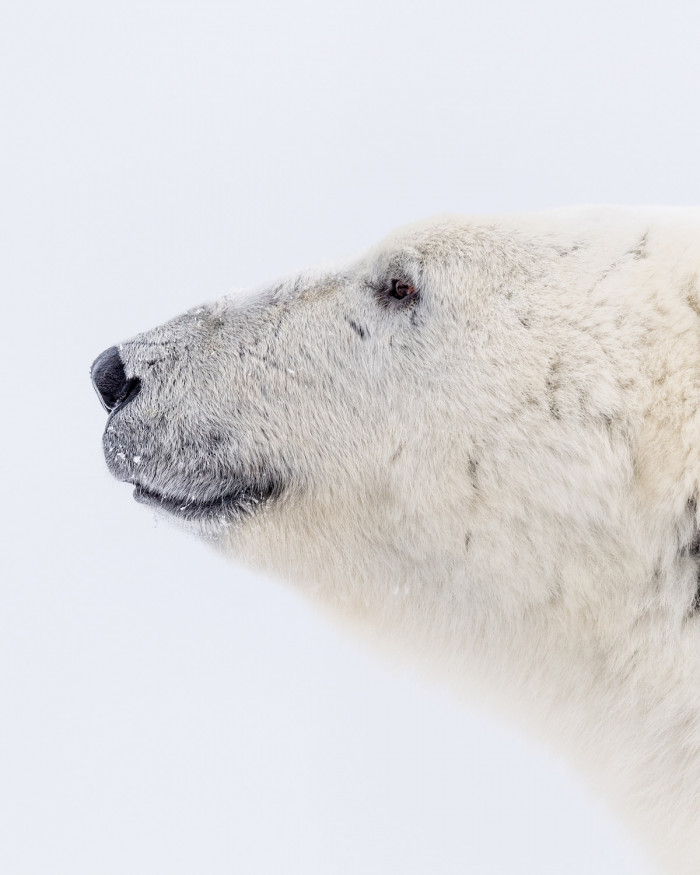
"It's genuinely an experience like no other," Turner says.

"In such a silent world—snow snuffles out sound—the stillness creates a magical, ethereal feeling in the air."

What moment won't he forget?
The first encounter, without a doubt. With the magical Arctic sunset came our first bear, a subadult male. Coming out of the willow bushes, he laid down on the frozen river, directly facing us.
My first 10 shots were blurry, as I was shaking with pure excitement. His stare was incredibly intense; he was looking at me.
That first stare clearly stayed with him.
Contrary to popular belief, polar bears are incredibly calm, sociable animals. Never at any point did we feel threatened; we only felt honored to share their home with them.
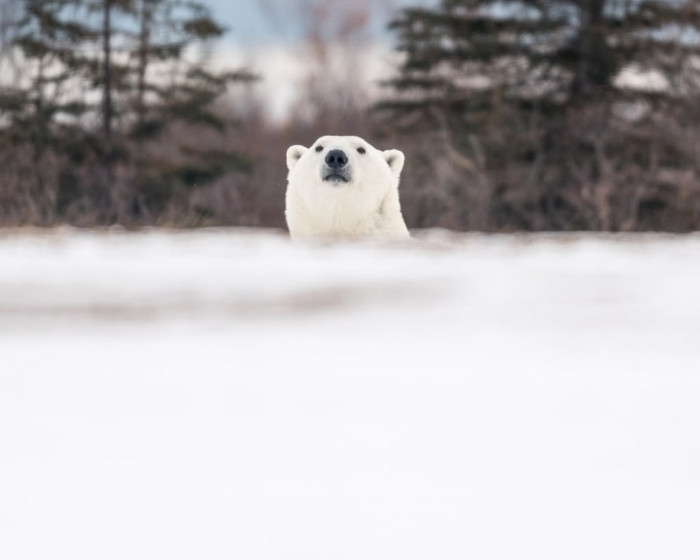
"My first 10 shots were blurry, as I was shaking with pure excitement," the photographer says.

"As a photographer, it's my responsibility to relay and showcase these remote, wild places to people."

"It's my hope that anyone looking at my work takes the time to really look at the images—to properly feel the moment as I felt it."

"As a photographer, it's my responsibility to relay and showcase these remote, wild places to people," Turner says.
"Moreover, these bears are on the edge of climate change. Telling their story is imperative to their survival.
Companies such as Churchill Wild are integral to that; they enable photographers like myself to tell the stories," he concludes.
We couldn't agree more, these animals' stories must be told. They are not scary; they are not doing us any harm.
In fact, we are hurting them. And it's about time we stop.
Churchill's bears deserve the spotlight.
Turner’s polar bear hunt is unforgettable, but wait until you see what 117 hours of brutal cold did for Gilardini’s polar bear photos.
Share this article:





