Racists Have To Find A New Straw To Grasp On Because A Marine Biologist Just Debunked Their Whole Argument About The Little Mermaid

Disney’s live-action The Little Mermaid brought back an old argument in a very new way. Once Halle Bailey was cast as Ariel, the backlash started almost immediately, and a lot of it had less to do with the movie than with racism.
The original animated film made Ariel one of Disney’s most recognizable princesses, but the live-action version pushed some people into a full-blown meltdown over a Black actress playing the role. That is where the debate got messy, and where a marine biologist’s take made the whole complaint look even weaker.
Now the internet has a fresh reason to roll its eyes at the outrage. Read on.
A media personality named Kalen Allen took to Twitter to point out that racism became apparent even when the plotline of The Little Mermaid didn’t address race or its struggles to begin with.

The issue escalated to the point where stubborn individuals created the hashtag #NotMyAriel.
The issue escalated to the point where stubborn individuals created the hashtag #NotMyAriel.
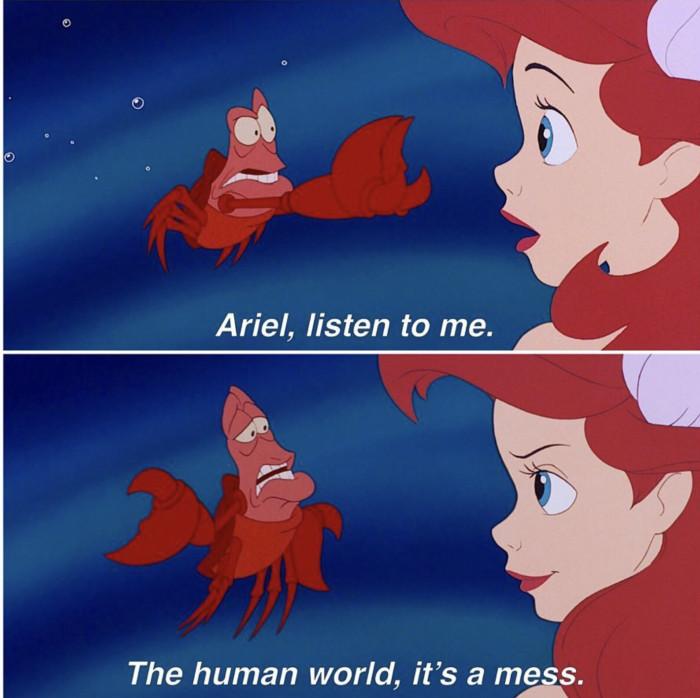
That is when the argument started to wobble.
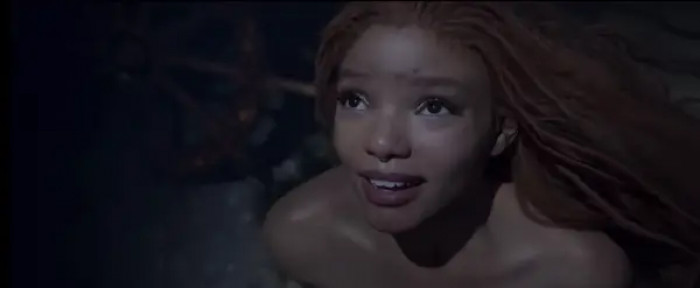
Certain individuals highlighted the fact that even if the plotline of the story doesn’t provide context on what mermaids should be, they pointed out that biologically, Ariel is more likely to be dark-skinned.
And if you think biology drama is intense, researchers spotting a massive prehistoric-looking shark near the New England coast is next-level.
It’s challenging to be completely accurate since mermaids are mythical creatures, but based on where Ariel lives and the knowledge of experts, Halle Bailey is a great choice.

Karen Osborn, a curator from the National Museum of Natural History, shared her insights on how the appearance of creatures affects their survival, starting with their colors.

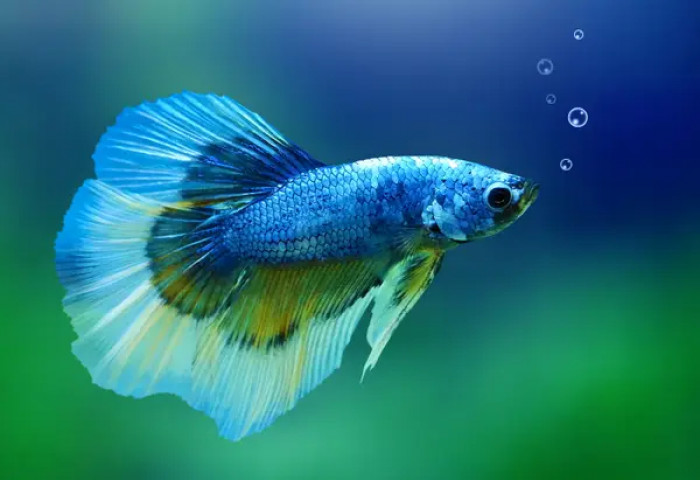
Fish that tend to swim just below the surface are often blue in hue.
This helps them blend in with the sky, providing better protection from predators. There are also mirrored animals that reflect their surroundings for camouflage.
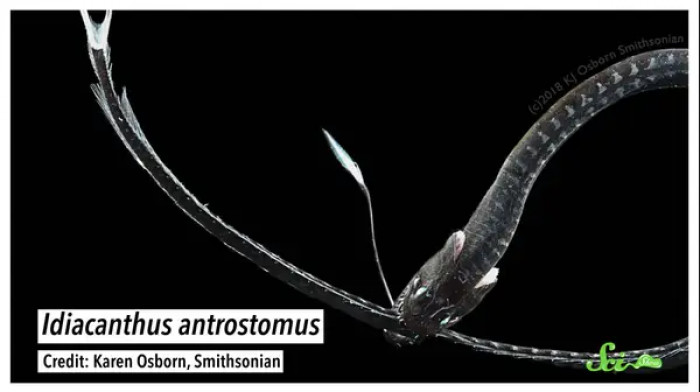
As we go deeper and discover more creatures, animals tend to be redder or more pigmented due to the lack of light.
Specifically, red light isn’t as prevalent, so being red is effective for their protection.
Mermaids are introduced as mythical creatures; the argument about what they could look like relies on many factors and is not exclusive to one specific image. The Little Mermaid live-action is set to tell the tale of Ariel and her fascinating adventure on land, with Halle Bailey as the main star.
If you consider where mermaids live, they usually stay away from the surface and inhabit underwater kingdoms deep in the sea.
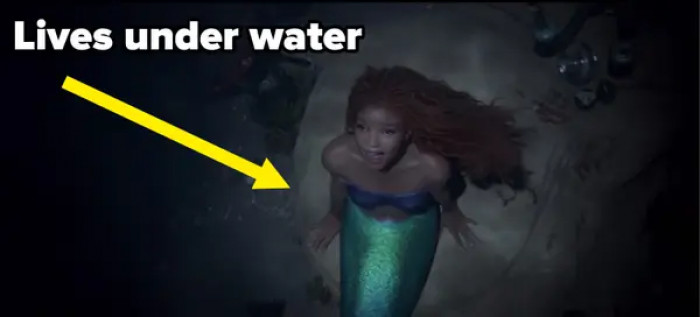
That leaves the outrage looking pretty flimsy.
This makes them better suited to being dark-skinned for protection and reflects the overall makeup of their environment.

Here is the official trailer for Disney's The Little Mermaid 2022.
Wait until you see how Finding Nemo fans reacted after clownfish biology surprised them.
Share this article: