Some Dog Breeds Have Changed Dramatically in The Past 100 Years

Some dog breeds look almost unrecognizable compared with the versions people knew a century ago. Selective breeding changed their size, shape, coats, and even the health problems they carry today.
This roundup looks at 18 popular breeds and how much they have changed over the past 100 years. The side-by-side images make the differences easy to spot, and in some cases, a little surprising.
Read on to see which dogs changed the most.
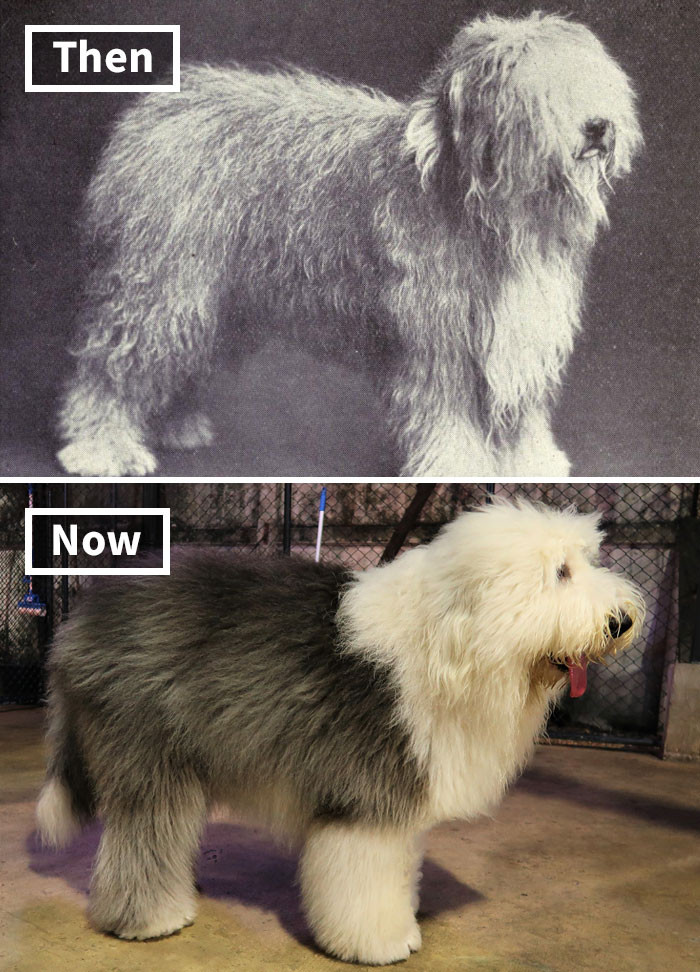
1. Old English Sheepdog
The Old English Sheepdog had longer and thicker hair than it does today. Apart from that, they haven’t changed much.
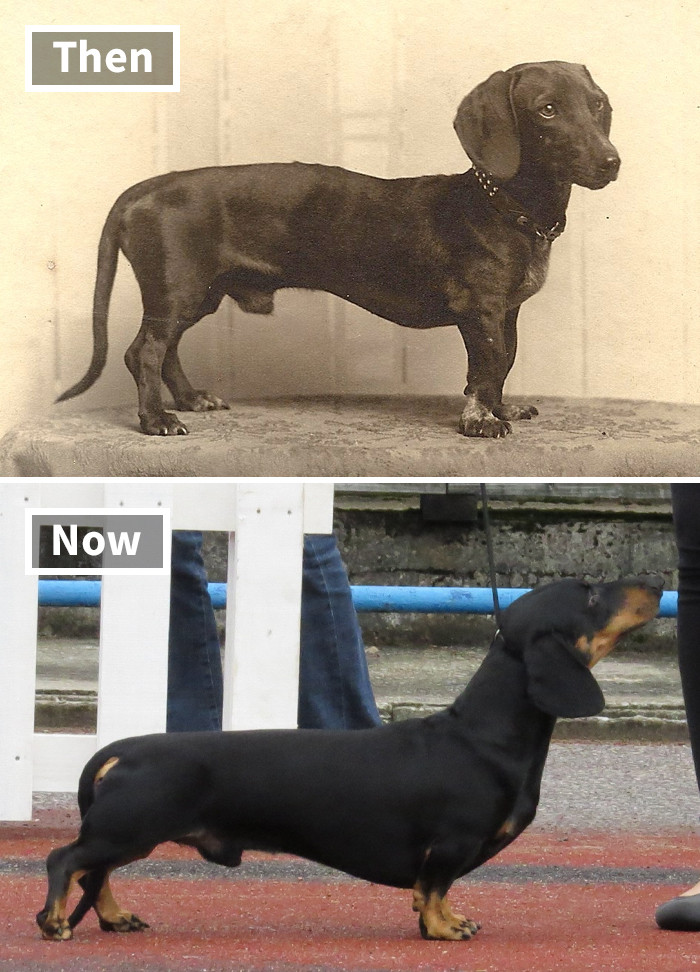
2. Dachshund
Dachshunds are longer than they used to be. Additionally, they now have broader chests and shorter legs.
3. Bull Terrier
Their faces have become shorter, while their jaws and nose bridges have grown larger. Their bodies are more muscular now, and their legs are shorter.

4. Newfoundland
They look similar, but Newfoundlands were much smaller than they are today. According to "Dogs of All Nations," the breed weighed about 100 pounds back in 1915. Today, male Newfoundlands can reach weights of up to 150 pounds.

5. Basset Hound
The rear legs of the Basset Hound are now shorter, and their ears have become much longer. The face is now shorter, and the skin is more wrinkled.

6. Saluki
Salukis are taller and thinner now. They also have longer ears and legs.

7. Dobermann
The body shape has become leaner, and the ears are slightly different. The most significant change is psychological—they are not as aggressive as they used to be.

It also connects to scientists saying modern human influence is reshaping dogs, from workers to companions.
8. Boxer
The body shape has changed dramatically, and the snout used to be longer.

9. West Highland White Terrier
Not many changes have occurred here; their fur has become a little longer and denser.

10. Airedale Terrier
They haven't changed much, except for a hairier coat and a longer head with more fur.

11. Chow Chow
These fur balls weighed about 50 pounds 100 years ago. Now, they can weigh up to 75 pounds. Their faces are more wrinkled now.

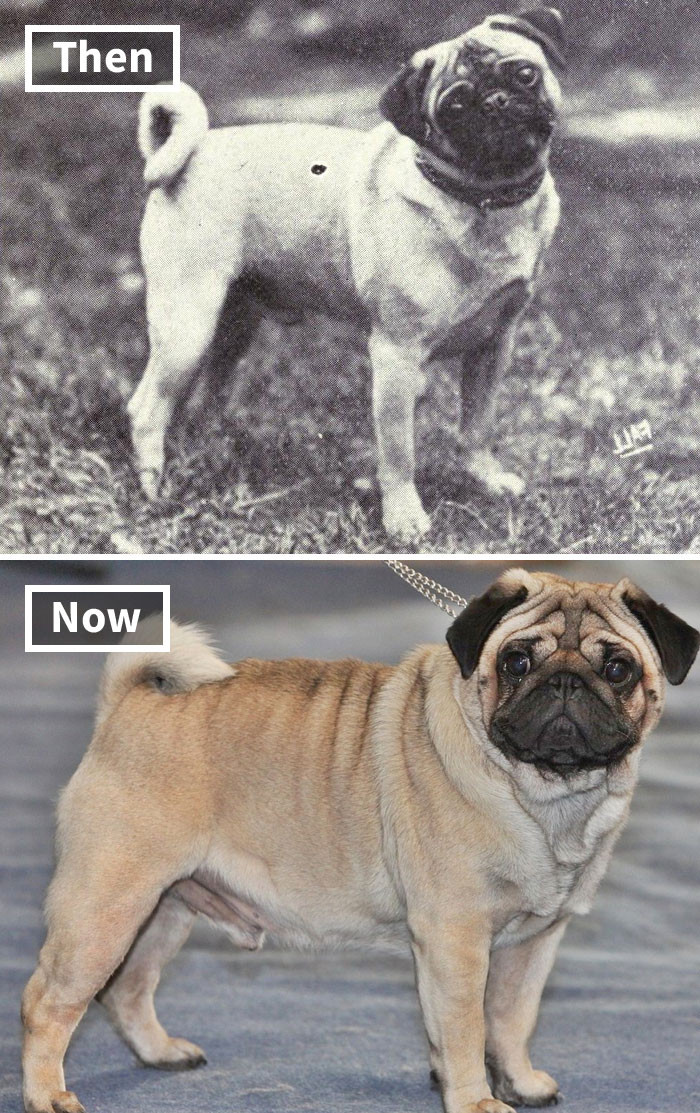
12. Pug
Pugs are approximately the same size they were 100 years ago, but they have been bred to have larger eyes and flatter snouts. Sadly, this has caused breathing problems and other health issues.
13. Great Dane
Great Danes weighed less than they do today. According to "Dogs of All Nations," males reached up to 120 pounds 100 years ago, and today, they can weigh up to 175 pounds.

14. Rottweiler
Rottweilers no longer have docked tails. Additionally, their fur is now thicker and smoother.

15. Shetland Sheepdog
Shetland Sheepdogs have doubled in size, and their fur has also become longer.

16. Irish Setter
Irish Setters haven't changed much—they have developed a longer and denser coat and a slightly thinner body.

17. Scottish Terrier
Scottish Terriers now have much longer and softer fur.

18. German Shepherd
German Shepherds have become larger and have developed longer and thicker fur. Their chests are now wider, and they are more muscular.

Before you assume any breed can be trained, read why the online user asked if “any dog” could become a guide dog at this guide dog question.
Share this article: