
One Reddit Post Sparks A Debate On Different Dog Ownership Cultures - Especially The Differences Between The North And The South

One Reddit post about dog ownership turned into a surprisingly heated debate about culture, geography, and what people think is “normal.”
The original poster said they were tired of the way some Reddit users react to dog-related discussions, especially when those conversations involve countries outside the U.S. From there, the thread opened up into a bigger argument about how dogs are treated in different places, including the North and the South.
What followed was a mix of reactions, examples, and plenty of disagreement. Here’s the full story.
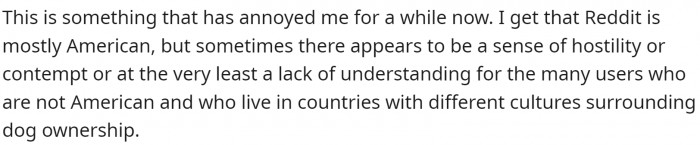
One Redditor wanted to discuss a very important issue:

The problem is - lack of understanding of different dog ownership cultures around the world.
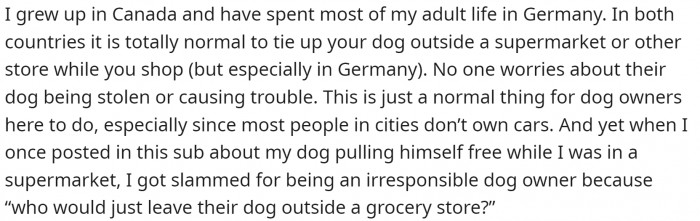
OP grew up in Canada and has lived most of their life in Germany
The debate over dog ownership practices often reflects deeper cultural values and social norms. Research in cross-cultural psychology shows that attitudes towards pets can vary significantly based on societal beliefs about animals and their roles in human life. For instance, in some cultures, dogs are viewed primarily as working animals, while in others, they are considered family members.
This disparity can lead to misunderstandings between dog owners from different backgrounds, particularly regarding training methods and socialization practices.
Dog ownership practices can vary significantly across cultures, influenced by historical, social, and economic factors.
This diversity in perspective can lead to misunderstandings and conflicts, particularly when individuals from different backgrounds interact.
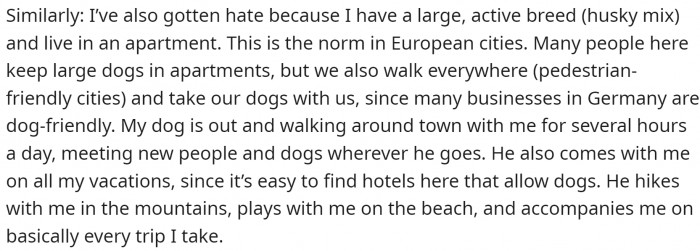
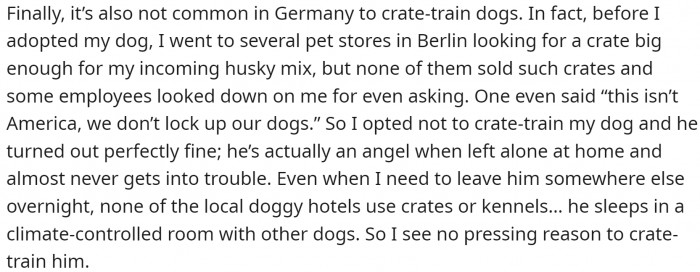
OP was criticized for the way they treat their dog, even though it is normal in European cities
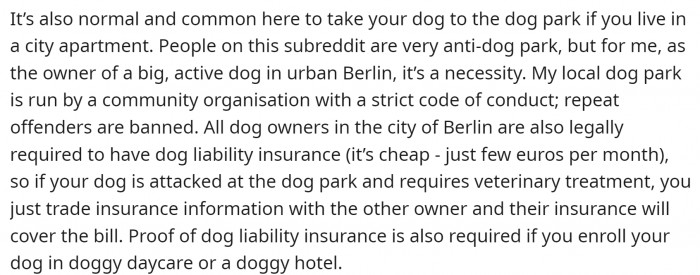
Dog parks are quite popular in Europe
Crate training is not
A study emphasizes that "cultural context plays a pivotal role in shaping our perceptions and responsibilities as pet owners." This insight suggests that discussions surrounding dog ownership should take into account these cultural factors to promote understanding and cooperation among pet owners. By acknowledging and respecting the diverse practices of dog ownership, communities can foster more inclusive and harmonious environments.
In regions where dogs are primarily viewed as working animals, the expectations of behavior and training differ markedly from those where dogs are seen as family members. Understanding these differences is crucial for fostering respectful interactions among dog owners from various cultural backgrounds.
Studies show that cross-cultural communication can enhance mutual understanding and reduce tensions.
People should not forget that dog ownership cultures are different
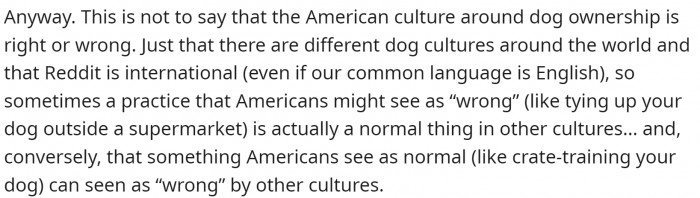
More understanding, people

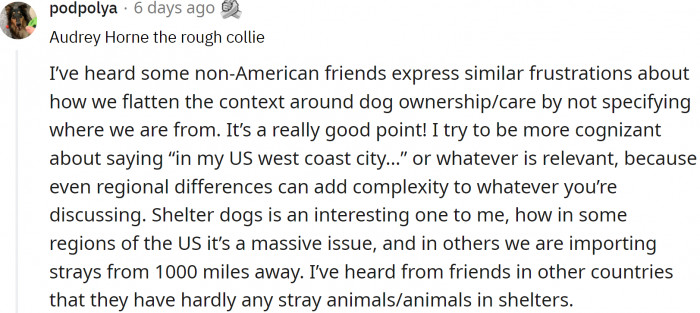
And Redditors agree with OP. There are huge differences even in the U.S.
Effective communication is vital for resolving conflicts related to differing dog ownership practices.
Community involvement plays a significant role in shaping behaviors and attitudes toward dog ownership.
We all have to be open-minded

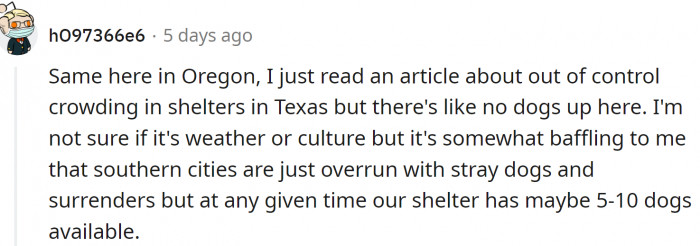
People who live up north don't see many strays
Their shelters are basically empty
Encouraging community events that focus on dog training and socialization can also facilitate better understanding among dog owners. These events provide opportunities for pet owners to share their experiences and learn from one another. Research in community psychology indicates that shared activities can strengthen community bonds and reduce tensions.
Ultimately, fostering a sense of community among dog owners can lead to better communication, reduced conflict, and a more enriching experience for both pets and their owners.
This is similar to the Redditor roasted for carrying dog poop until they reached their personal trash can.
Creating shared spaces, such as dog parks, can also facilitate positive interactions among dog owners and their pets.
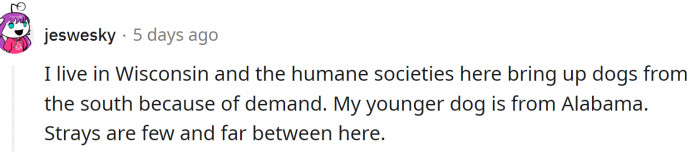
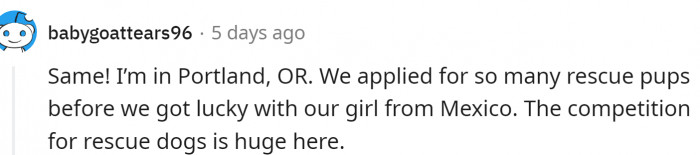
People have to bring in dogs from Mexico
But in the south...

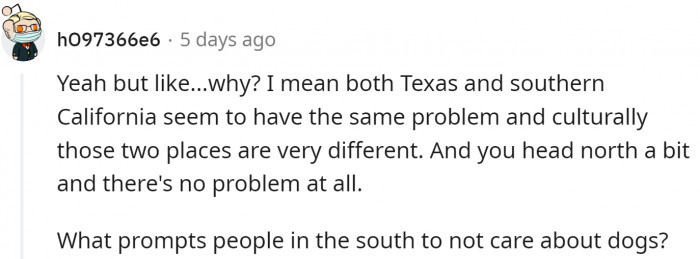
What is it about the south?
Understanding the emotional bond between dogs and their owners can foster empathy among dog owners across different cultures.
Cultural differences...
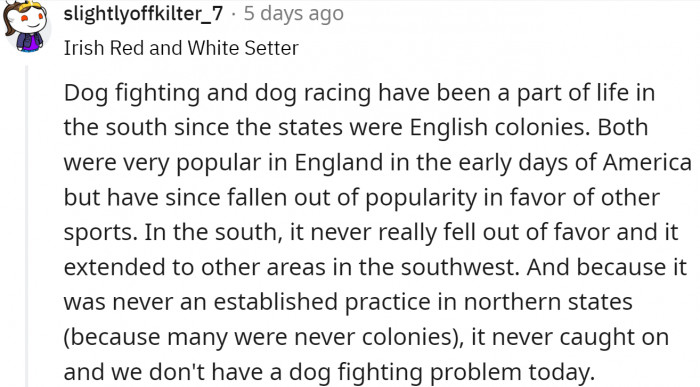
Hunting and working dogs
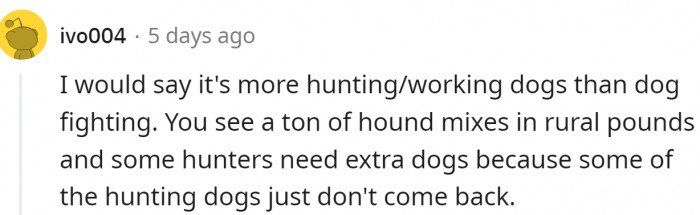
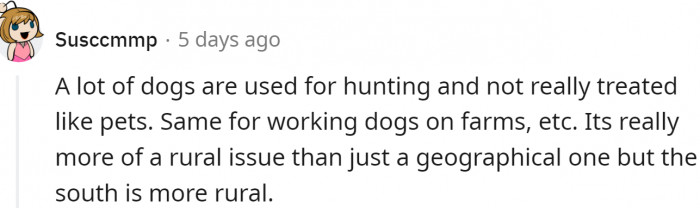
Many of those dogs are not treated as pets
Moreover, sharing stories about dogs can humanize the experience, allowing individuals to relate to one another on a deeper level.
By creating opportunities for dialogue, communities can promote harmony among diverse dog owners.
Maybe it is the weather

Dogs from Virginia and Mississippi end up in New England

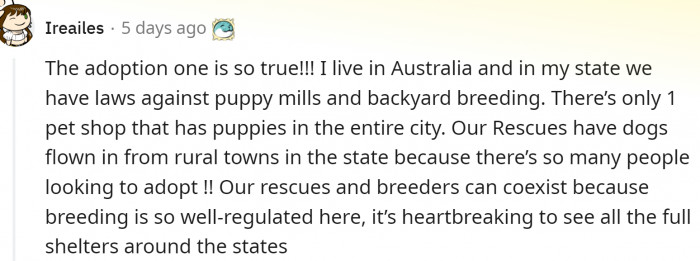
Here is how it is done in Australia:
Responsible pet ownership is essential for ensuring the well-being of dogs and the safety of communities.
Europe has the same "problem." No dogs are available for adoption, so Northern (rich) countries bring them from poorer parts of Europe
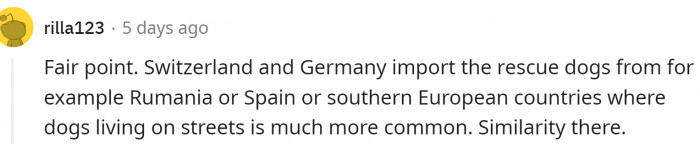
No dogs available for adoption in Berlin
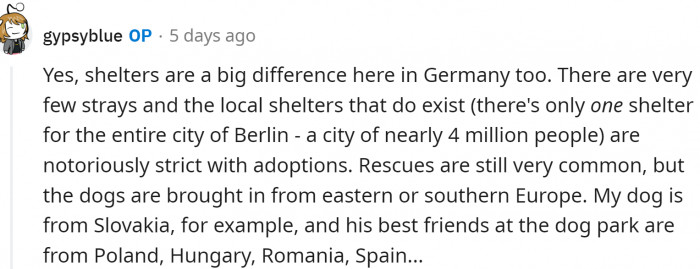
There are only a few places where you can get a dog
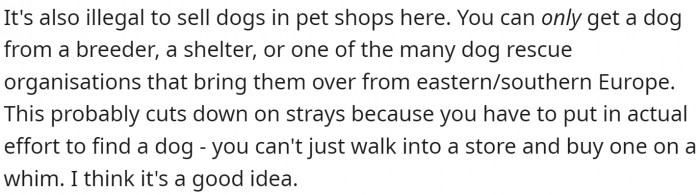
By fostering a culture of responsible ownership, communities can enhance public safety and improve the quality of life for both pets and their owners.
Investing in education and community engagement can lead to a more harmonious coexistence among all members of the community.
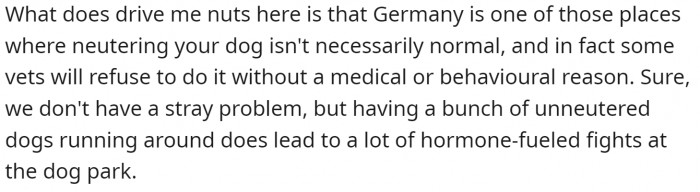
But neutering your dog is not normal there
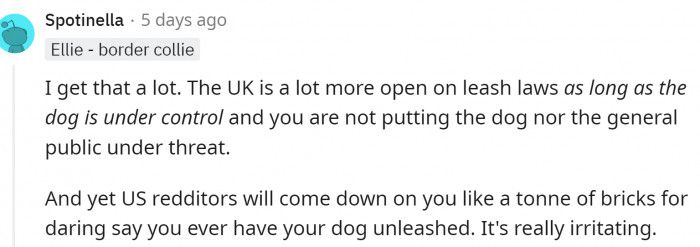
Some counties don't have leash laws

The UK has pretty loose leash laws
There is no denying there is a visible trend - the shelters are overcrowded in southern states, while people in the north can't find a pet to adopt. Luckily, people have found a way, and they are relocating thousands of pets to the northern states.
However, this is not the solution to the problem, just a way to alleviate its impact. But, for now, it’s all we have until some mindsets change.
Let’s hope they will. Or better yet, let’s help change it.
Grasping the cultural nuances surrounding dog ownership is crucial for nurturing harmonious relationships among pet owners.
The recent discussion on Reddit highlights the profound impact of regional cultures on dog ownership practices, especially between the North and the South. As pet owners immerse themselves in their respective cultural contexts, the need for open communication becomes increasingly vital. Embracing these differences with empathy allows for richer interactions among dog lovers, ultimately fostering a more inclusive community. By recognizing the unique perspectives that each region brings, we can work towards a shared understanding that celebrates the diversity of dog ownership experiences while promoting unity among all pet enthusiasts.
Want the same “what is acceptable” argument, see the neighbor- yard bathroom break fight here: letting their dog use neighbors’ yards after cleaning up.
Share this article:





