A Redditor Plans To Not Return Their In-Law's Dog After Paying For All Of Her Vet Clinic Expenses

Some pet disputes start small, then turn into a full-blown family mess. In this Reddit story, a dog that was supposed to be temporary ended up becoming the center of a fight over money, care, and who really gets to decide what happens next.
OP thought they were doing the right thing when they let their in-laws keep the dog while paperwork was still pending, but the arrangement quickly shifted when the in-laws got attached and refused to give her back. A year later, the same family is back at it, only now the vet bills have piled up and everyone has a different idea of what is fair.
Then an accident changed OP’s plans, and the whole situation got even more complicated.
Will OP be TA if they go through with their plan?

OP expected that they would be able to keep the dog when they got her, but it didn't go as planned
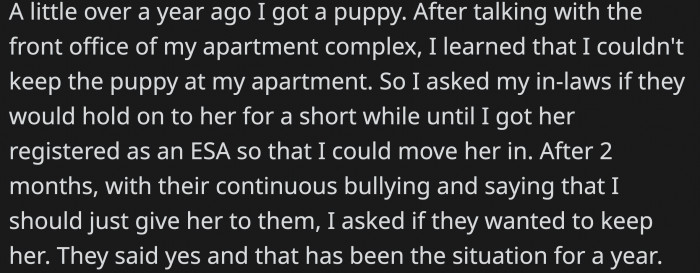
Now the in-laws are asking OP to get the dog back

The situation surrounding the Redditor's decision not to return their in-law's dog highlights the intricate emotional dynamics that can surface when family members share pet ownership responsibilities. This scenario underscores the notion that when family members contribute to a pet's well-being, such as covering vet expenses, their sense of ownership and emotional attachment can intensify, complicating relationships further.
Pet ownership carries significant emotional implications, often serving as a source of companionship and stability.
However, when financial responsibilities and care expectations are unevenly distributed, it can lead to feelings of resentment and frustration.
Studies show that shared responsibilities in pet care are critical to relationship satisfaction, as they foster a sense of teamwork and partnership.
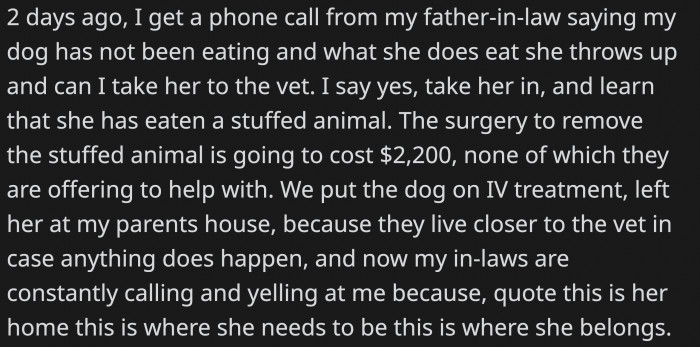
When the dog got sick, OP handled it, and even though the in-laws didn't want to pay for anything, they want the dog back with them
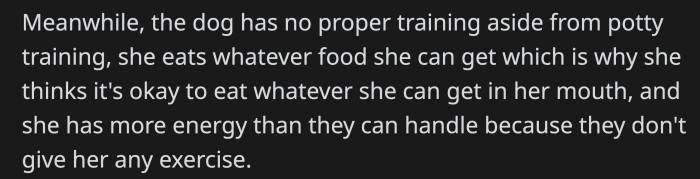
But they couldn't handle the dog properly
OP's parents suggested that the dog move in with them instead since they could take care of her better
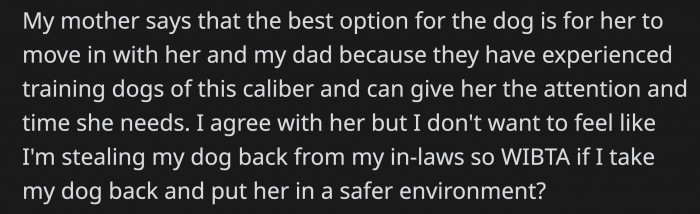
In situations where one partner invests time and resources into a pet, the emotional stakes are often high, leading to conflict when decisions about the pet’s future arise.
Studies show that feelings of ownership and attachment can create friction, particularly if one partner perceives the other as not valuing the pet's welfare.
Understanding these emotional investments can facilitate healthier discussions about pet care and ownership.
This can create tension when one partner feels they are shouldering more responsibility than the other.
Open discussions about expectations and responsibilities are essential in preventing conflicts from escalating.
OP acknowledged that they are aware of their fault
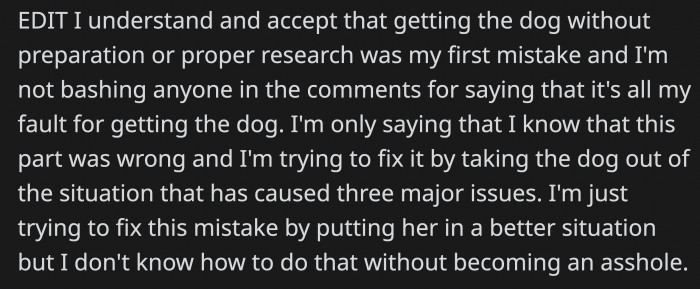
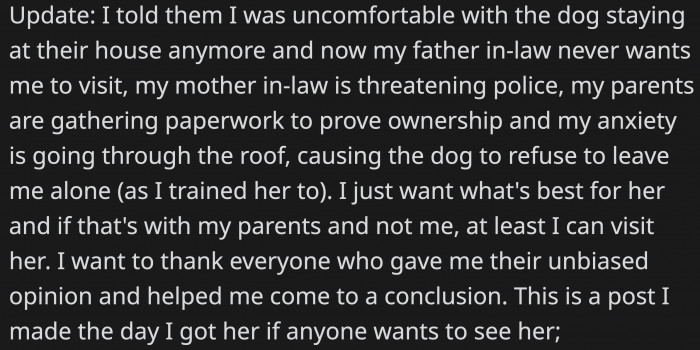
Here's an additional update, and OP provided the link to their previous post at the end
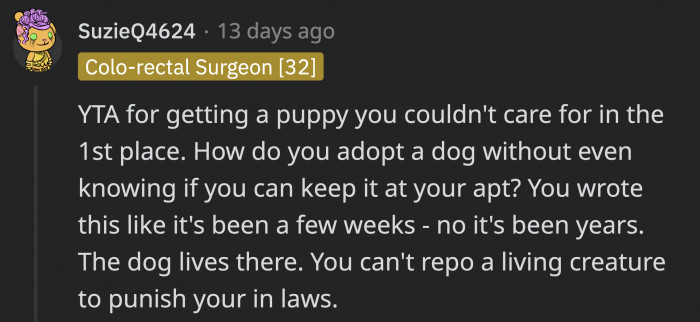
Let’s start with why OP is TA from one of the comments

Effective communication is crucial when resolving disputes involving pets, as these discussions can evoke strong emotional responses.
This in-law dog fight feels like the parents who were “definitely not happy” after their daughter moved out with their dog, too.
Effective collaboration is essential when it comes to shared responsibilities like pet care.
Although OP is concerned for the puppy, their mistake of not reading the fine print about being in their apartment is not a good enough reason to take the puppy back
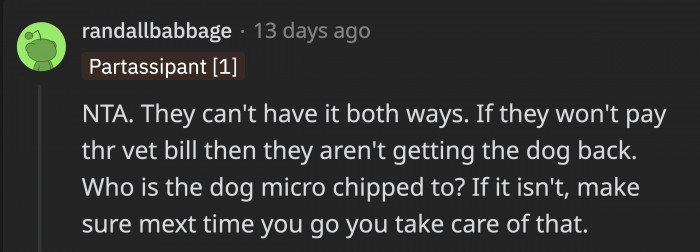
Then there's the argument for why OP is NTA. If OP’s in-laws can’t even shoulder the vet bills, they might not be able to provide the dog with the best care
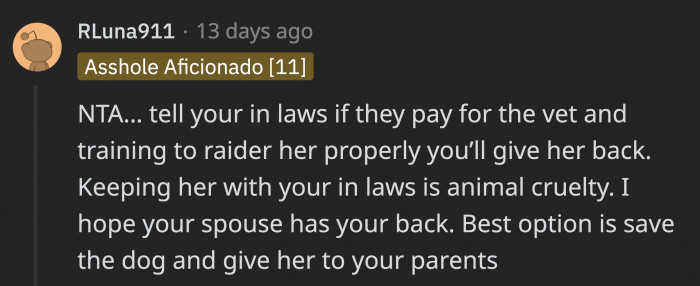
Another commenter who thinks OP is NTA pointed out that they should look into microchipping the dog
Couples might also consider creating a pet care agreement that outlines responsibilities and expectations, which can prevent misunderstandings.
Behavioral studies indicate that when partners feel they are not equally invested in pet care, it can lead to feelings of isolation and frustration.
Creating a shared vision for pet ownership can help ensure both partners feel valued and respected.
Such a vision can include discussions about the long-term commitments involved in caring for a pet and how each partner can contribute.
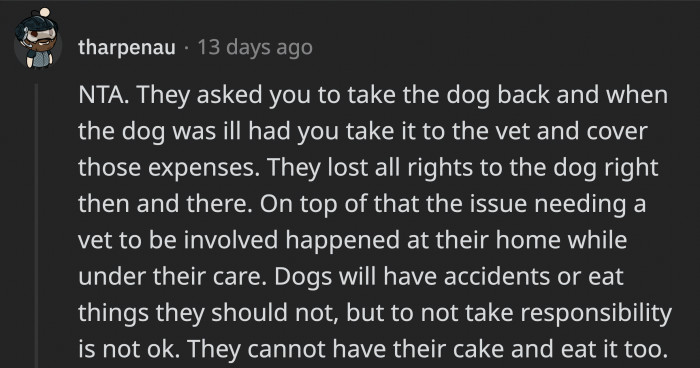
OP gained the rights to the dog when they agreed for the dog to be taken, even if it was a little sooner than expected
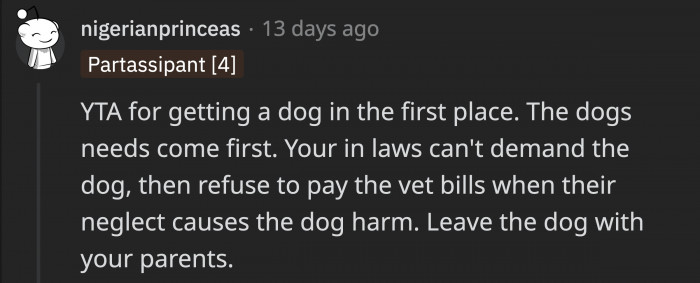
The dog is the priority; at this point, this Redditor thinks she is best left with those who can actually take care of her
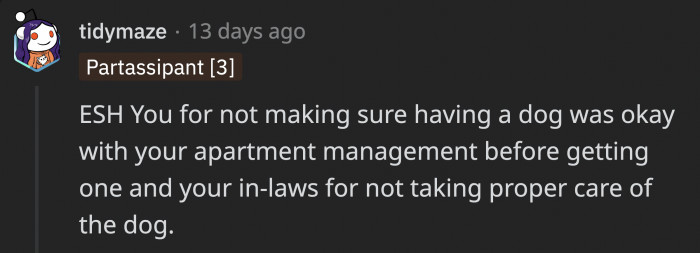
Now for the ESH votes, who think OP and the in-laws were both at fault
Decisions about pets can evoke feelings of guilt, frustration, and sadness, particularly when disagreements arise.
Understanding these dynamics can help couples navigate the emotional landscape of pet ownership more effectively.
Financial discussions can often be a source of conflict in relationships, particularly when it comes to pet care.
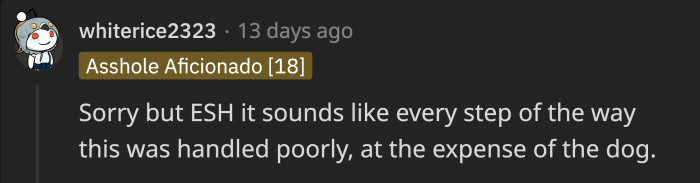
The way this situation spiraled became worse with every step, and the dog was in the middle of it all
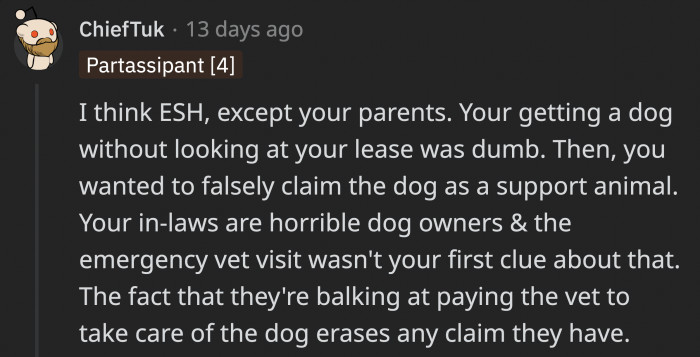
Although in one of the comments, OP defended that they were not trying to register the dog for false reasons, this one suggests that the only responsible ones are OP’s parents
Well, what do you think? The ultimate vote for OP is that they are TA, but most comments weren’t because of OP’s reasoning.
The mixture of votes was also apparent in the comments, ranging from NTA to ESH. OP acknowledged the opinions of Redditors in their update.
They accept that they are also in the wrong and are not upset with anyone who pointed it out.
The role of empathy in navigating financial responsibilities cannot be overlooked.
Understanding each other's perspectives on finances and responsibilities can lead to more supportive discussions.
When navigating shared pet ownership, it is crucial to establish a positive co-parenting dynamic.
Ultimately, fostering a sense of teamwork in pet care can strengthen the bond between partners.
Such practices not only benefit the pet but also enhance the relationship overall.
When financial burdens, such as vet clinic expenses, are unequally shouldered, it can lead to significant tension and misunderstandings. This Redditor's choice to pay for all the vet expenses may have created an expectation of ownership that complicates the relationship with their in-law.
Addressing these financial and caregiving responsibilities openly could have strengthened their bond and avoided the current conflict. Without a collaborative approach to pet care, both the relationship dynamics and the well-being of the dog are at risk.
The situation surrounding the Redditor's decision not to return their in-law's dog raises important questions about pet ownership and emotional ties. When navigating such disputes, it is crucial to foster empathy and open communication, especially when caring for a pet can evoke strong feelings from all parties involved.
In this case, the Redditor's financial investment in the dog's veterinary expenses may complicate the emotional dynamics.
Recognizing the emotional weight that pets carry in our lives can lead to more thoughtful decisions, ultimately benefiting both the humans and the animals involved. This incident serves as a reminder that the bond between pets and their owners should be approached with care and mutual understanding.
Before you judge OP’s in-law dog standoff, read how a family dog walker got advice. Reddit User Looks For Advice On Whether Or Not They Should Stop Walking Their Family Dog.
Share this article: