
How Long Should You Walk Your Dog? Not Every Breed Is The Same.

Daily walks do a lot for most dogs, from burning energy to giving them a chance to sniff, explore, and take in the world around them. For many pet owners, the bigger question is not whether to walk a dog, but how long those walks should actually be.
That answer is not the same for every breed, age, or energy level, and that is where things get tricky. Some dogs are happy with a short stroll, while others seem ready to keep going forever, which can leave owners guessing about what is enough.
Here is where the details start to matter.
Let's explore some of the most common dog-walking questions, including how long walks should be, the best times of day for walking, and more.
How Long Should You Walk Your Dog?
The answer to this question depends on your dog's age, breed, and other factors. For seniors, aim for one or two walks daily, lasting around 20 to 30 minutes. You can go a little longer if your senior dog is in excellent shape, wants to keep going, and does not struggle with jumping or excessive stiffness after longer walks.
The answer depends on the dog.
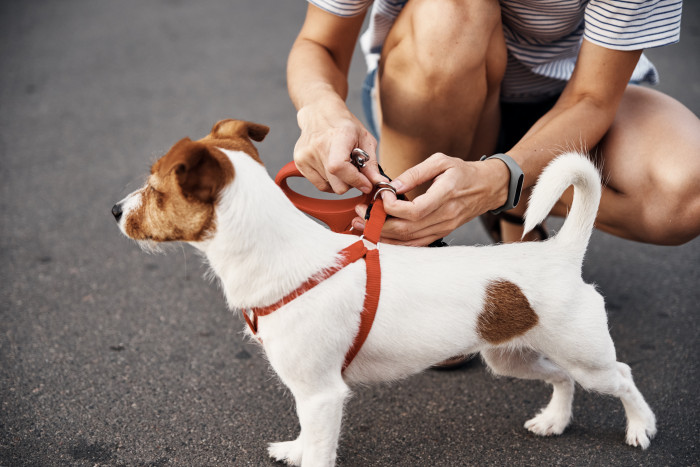
For small dogs, flat-faced breeds, and dwarf dog types, start with walks lasting 15 to 30 minutes, twice a day. Begin these walks in cooler weather to make it easier for your pet. If your dog enjoys walking and seems happy to walk longer, you can gradually extend the length of the walks, always stopping before your dog becomes overtired.
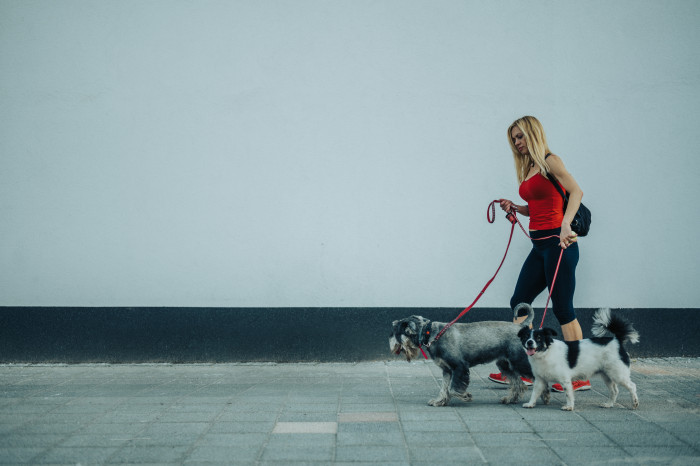
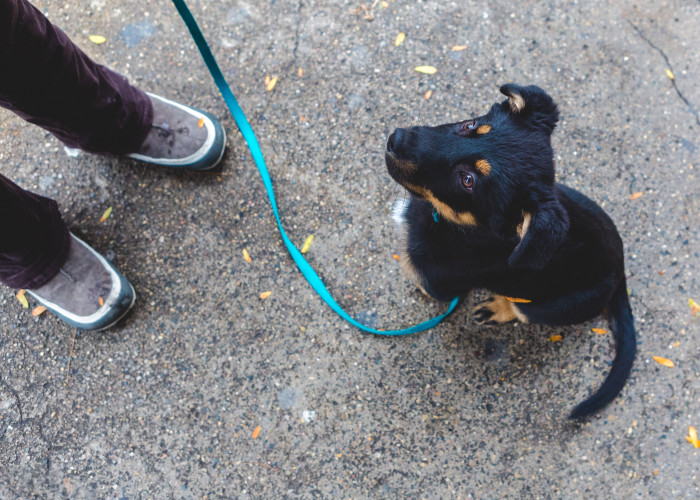
Puppies need shorter walks than adult dogs. The goal for short walks is about five to ten minutes, and you should take your puppy out for a walk three or more times daily. Senior dogs can typically walk longer than young puppies, but many seniors require shorter walks than they did as younger dogs to avoid injuries to their muscles and joints. Depending on how old your senior dog is, it may also have less endurance and tire more quickly than a younger dog.
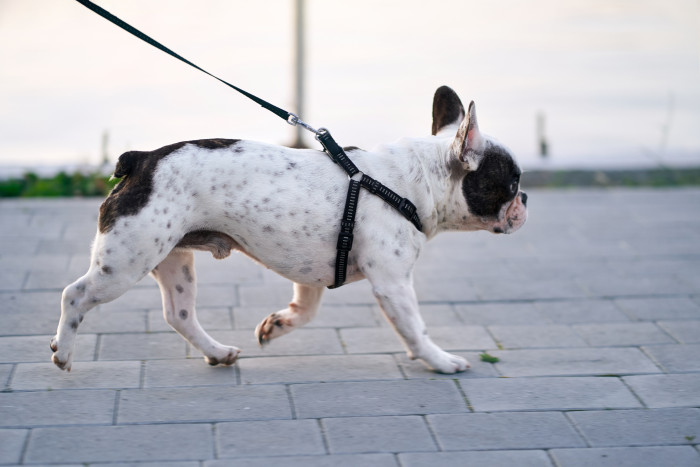
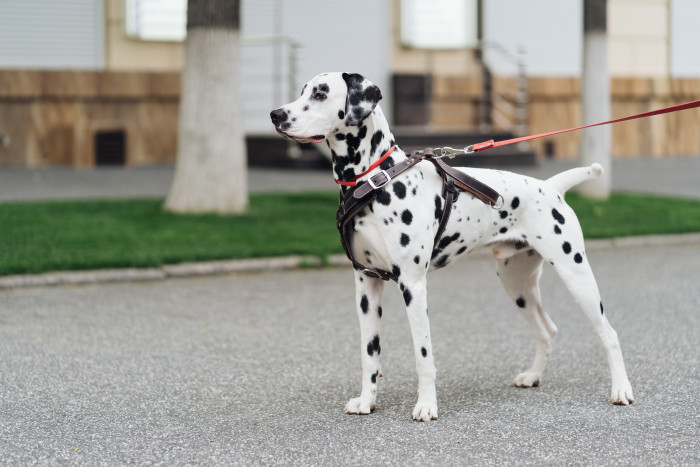
Dog breeds with long backs and short legs, such as the Basset Hound, Dachshund, Pembroke Welsh Corgi, and Scottish Terrier, may need shorter walks, though this will depend on the breed and individual dog. Some short-legged dogs do just fine with longer walks, so consult your vet and assess your dog's capabilities accordingly.
Brachycephalic breeds—those with pushed-in cute faces, such as the French Bulldog, Boxer, Bulldog, and Pug—may also require shorter walks. This is because those adorable short snouts can make it harder for the dog to breathe, especially during exercise. Your walks may be longer or shorter depending on your pet's breed, body type, and personality. The goal is at least two walks a day, and don't hesitate to add an extra walk or two if you have the time.
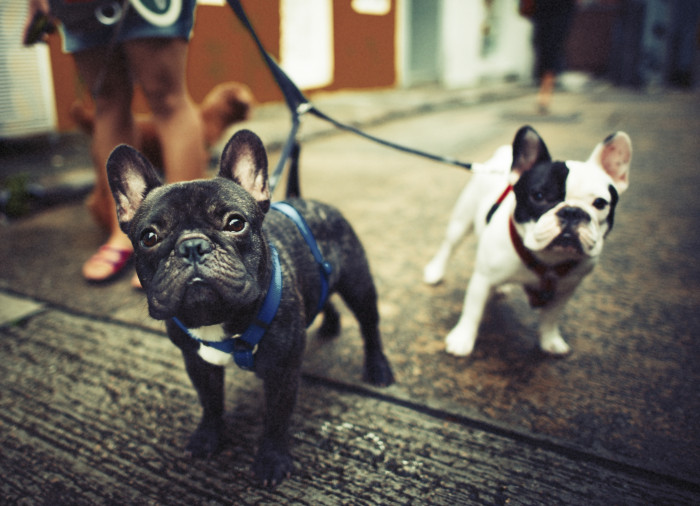
Some dogs are built for quick outings, while others need a lot more time outside.
And if your dog turns into a barking menace at strangers, check out the dog owners who shared actionable tips for stopping excessive barking at strangers on walks.
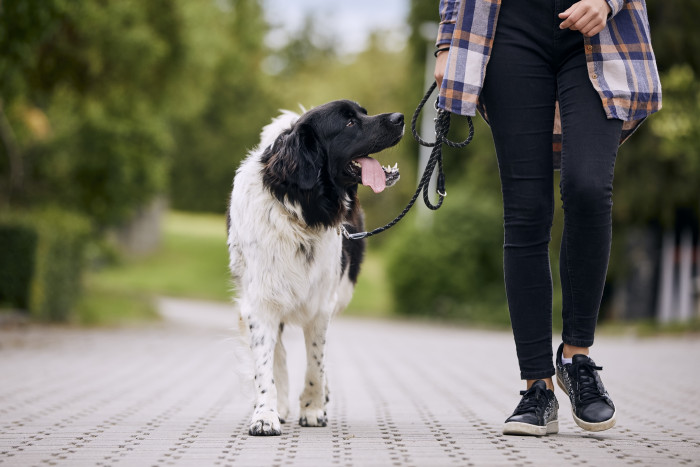
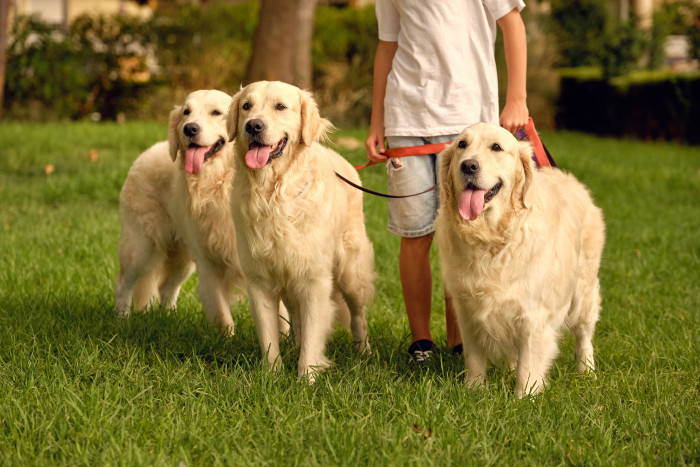
Medium to large breeds, such as the Beagle, English Springer Spaniel, Golden Retriever, and Labrador Retriever, can typically handle longer walks, provided the dog is healthy and in good shape physically. These breeds are usually able to go for long and moderate walks with ease.
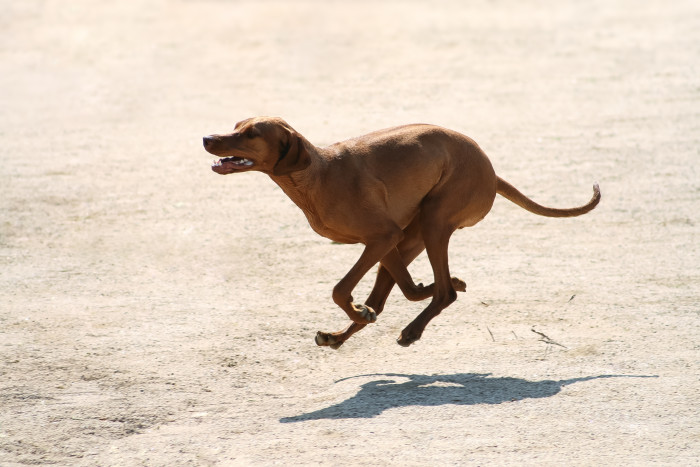
Athletic breeds, such as the Australian Shepherd, Border Collie, Siberian Husky, Vizsla, and Weimaraner, are built for speed and endurance. Not only can such breeds enjoy longer walks, but they may also require them (along with other exercises) to remain calm and happy at home.
The timing can matter just as much as the walk itself.
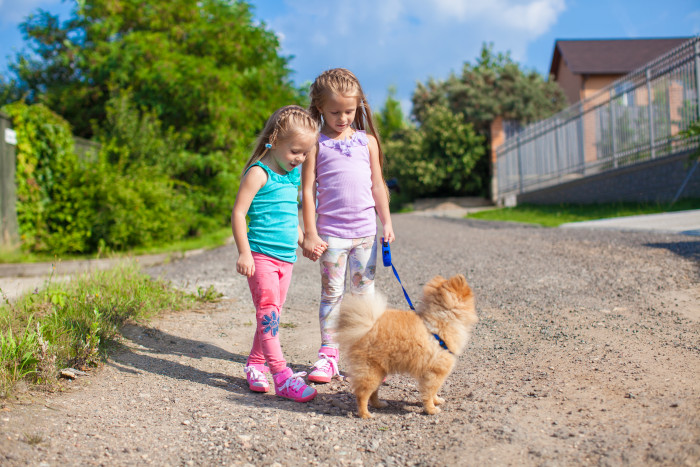
Small breeds, such as Chihuahuas, Maltese, Papillons, Pomeranians, and Yorkshire Terriers, generally require shorter walks. Those little legs have to work much harder to cover the same distance as a larger dog with longer legs. For medium and large breeds, especially athletic ones, start with walks lasting 30 to 60 minutes, twice a day. Increase the duration and frequency of walks as long as your dog seems eager and comfortable.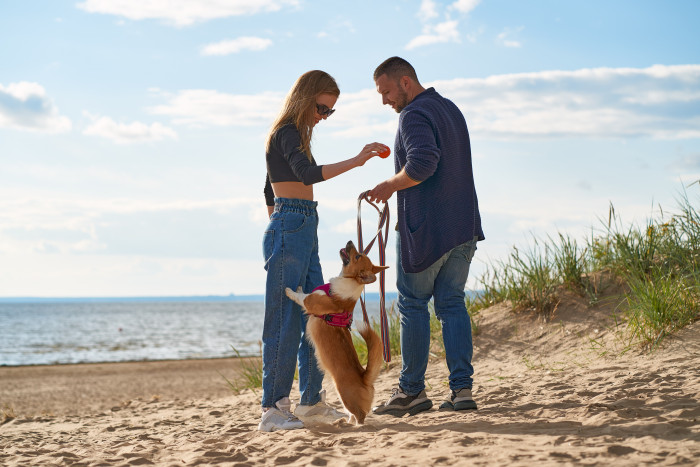
What Times of Day Are Best for Dog Walks?
Many dogs are up for a walk at almost any time of day, but early morning and early evening are generally excellent times for walks. These are also the best times of day during the summer when midday heat makes walking dangerous.
Safe Dog Walking
Always end walks before your dog becomes overly tired. Signs that your pet is getting too fatigued include slowing down, heavy panting with the tongue extending far out, refusing to walk forward, or lying down. If this occurs, give your dog time to rest, then head home and make the next walk a shorter one.
Wait until you see how that woman got dragged through filth for charging to walk dogs. Woman Gets Dragged Through Filth For Charging To Walk Other People's Dog But Expecting Her Dog To Be Walked For Free
Share this article:





