Rare Snake Found In Alabama, Marking Just The Second Sighting In 60 Years

Eastern indigo snakes are the kind of wildlife you only hear about in rare whispers, and now Alabama has one back in the wild. Officials are calling it exciting, mainly because this is just the second wild-born eastern indigo snake seen in Alabama in over 60 years, with the last one popping up in 2020.
Here’s the complicated part: this young snake is tied to a years-long comeback plan that started in 2006. Wildlife crews captured snakes in Georgia, released the first ones into the Conecuh National Forest four years later, and now this sighting is proof that at least some of them not only survived, but also adapted.
When a species disappears for decades and then reappears like it never left, you have to ask what else might be returning.
The discovery wasn't unexpected, but it was a win for the program designed to bring this snake species back to Alabama's wilderness.
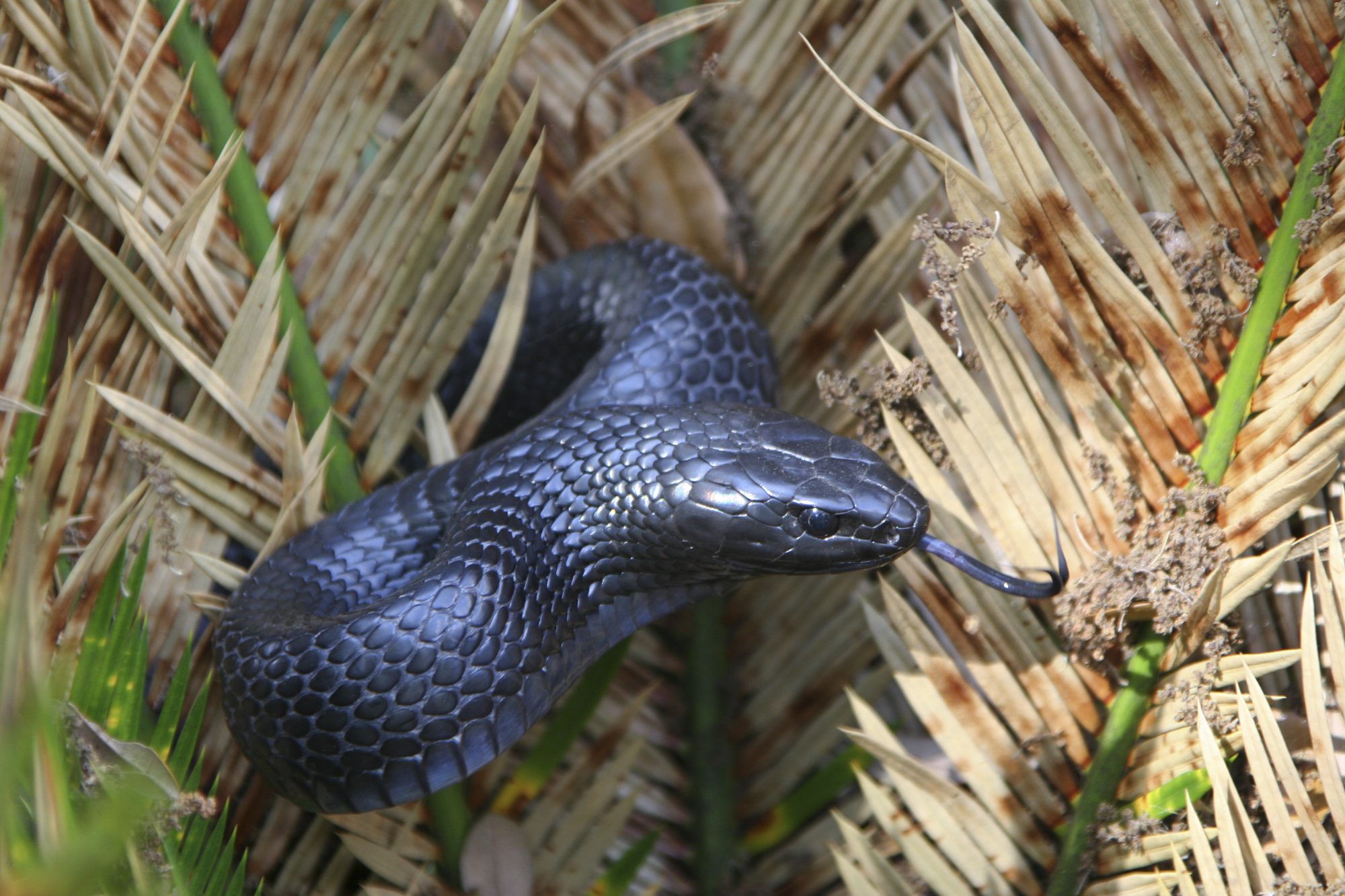
Wildlife officials say the young snake comes from pairs introduced into the Conecuh National Forest.

"EXCITING NEWS! Yet another wild-hatched EASTERN INDIGO SNAKE has been found! This is only the SECOND one found in Alabama in over 60 years (the first wild-born one was found in 2020)."
This program began in 2006 and included snakes captured in Georgia. Four years later, the first snakes were released into the Conecuh National Forest. The recent discovery confirms that these snakes have survived and adapted to their new environment.

The Conecuh National Forest release in 2010 suddenly feels less like a guess and more like a plot twist.
Georgia-captured pairs introduced into Alabama are now showing up on the “wild-hatched” scoreboard, one snake at a time.
The recent sighting of the Eastern indigo snake in Alabama is not just a rare occurrence; it is a significant moment for the region's ecological health. This species plays a vital role in maintaining the balance of local ecosystems by controlling rodent populations, which in turn supports agricultural productivity. The return of the Eastern indigo snake may signal a positive shift in Alabama's wildlife, indicating that conservation efforts are beginning to bear fruit.
However, the road to recovery for this species is not yet secure. Habitat restoration and public education are critical components in the fight against extinction. Engaging local communities in these conservation efforts is essential, as fostering a connection between residents and their natural surroundings can lead to a collective sense of responsibility. Only through such initiatives can Alabama hope to secure a sustainable future for the Eastern indigo snake and other native species.
Wildlife news in Alabama is one thing, but it’s hard not to think of the California homeowner who found a 7-foot snake inside his couch.
The recent sighting of the Eastern indigo snake in Alabama is not just a rare occurrence; it is a vital reminder of the importance of habitat conservation for the survival of this species. As the article highlights, the snake's reemergence after decades of absence underscores the critical need for creating wildlife corridors and preserving natural habitats. These measures are essential for facilitating the movement and breeding of the Eastern indigo snake, allowing it to regain a foothold in its native environment.
Furthermore, local governments have an opportunity to play a pivotal role in this recovery by partnering with conservation organizations. Implementing educational programs can raise public awareness about the Eastern indigo snake and its ecological significance. By fostering a more informed community, we can cultivate a culture that not only values but actively protects its natural heritage, ensuring that the Eastern indigo snake does not vanish again from Alabama's landscape.
This is the second time an Eastern indigo snake has been discovered since the program began.

"Indigo Snakes"
That survival detail matters because eastern indigo snakes keep rodent numbers in check, which can ripple into how things grow in the area.
Even with this rare second sighting, habitat restoration and public education are still the difference between a comeback and a dead end.
The reappearance of the Eastern indigo snake underscores the critical role of conservation initiatives in safeguarding biodiversity. By restoring native species such as the indigo snake to their rightful habitats, conservationists not only protect individual species but also enhance the robustness of entire ecosystems.
As Alabama celebrates this milestone in conservation, continued efforts to monitor and protect the Eastern indigo snake are imperative. The ongoing dedication to preserving habitats and reintroducing species fosters optimism for a future where wildlife coexists harmoniously with human communities, ensuring a balanced and sustainable environment for future generations.
The recent sighting of the Eastern indigo snake in Alabama signifies more than just a rare comeback for this once-vanished species. It serves as a powerful testament to the effectiveness of dedicated conservation initiatives. The reappearance of this elusive snake highlights the importance of ongoing research and monitoring, which are critical to safeguarding its future. To ensure that this species does not slip back into obscurity, it is imperative that scientists, policymakers, and local communities work together. Addressing pressing challenges such as habitat destruction and climate change will be essential in creating a resilient ecosystem that can support the Eastern indigo snake and other wildlife for generations to come.
Alabama just got a rare snake back, and now the real race is keeping the habitat ready for the next one.
And if you think “rare snake” is shocking, wait until this crew hit a massive 33ft anaconda at a Brazilian site.
Share this article: