Animals That Challenge Our Idea Of What Strength Really Means

Strength has a lot of costumes. Sometimes it looks like a bodybuilder, sometimes it looks like a weightlifter, and sometimes it looks like something snapping bones and turning shells into paste without even breaking a sweat.
In this lineup, the saltwater crocodile is the headline-grabber with bite force around 3,700 PSI, then the grizzly bear muscle-flexes with a lift that can top half a ton, and the dung beetle quietly steals the scene by pulling over 1,100 times its own weight. Even the rhinoceros beetle shows up with 850-times strength and a horn-like setup built for leverage.
By the time you compare jaws, claws, and tiny beetle legs, you start realizing “strong” means whatever the animal needs it to mean.
Saltwater Crocodile
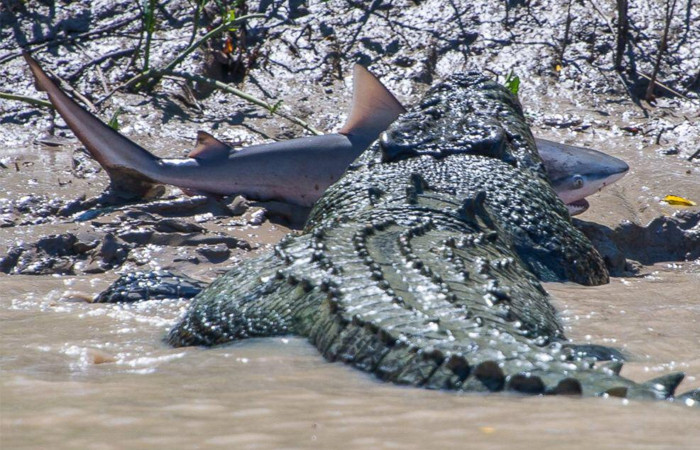
Often ranked just behind the African elephant in raw strength, the saltwater crocodile stands alone when it comes to bite power. Its jaws can clamp down with around 3,700 PSI, nearly twice the force of a great white shark.
That power lets it crush turtle shells, snap buffalo bones, and damage even shark skulls. Add a heavily muscled tail that drives it through water at close to 20 mph and delivers bone-breaking strikes, and it’s clear why few animals can challenge it. Compared to a saltwater crocodile, even a strong alligator wouldn’t stand much of a chance.
Grizzly Bear
The grizzly bear ranks among the world’s strongest animals thanks to its massive, muscular frame. Adult males can lift more than half a ton, shatter bones with a single swipe, and even flip 700-pound boulders while searching for food.
Their strength is matched by a crushing bite of up to 1,200 PSI, stronger than a jaguar’s and second only to the polar bear among bears.

Dung Beetle
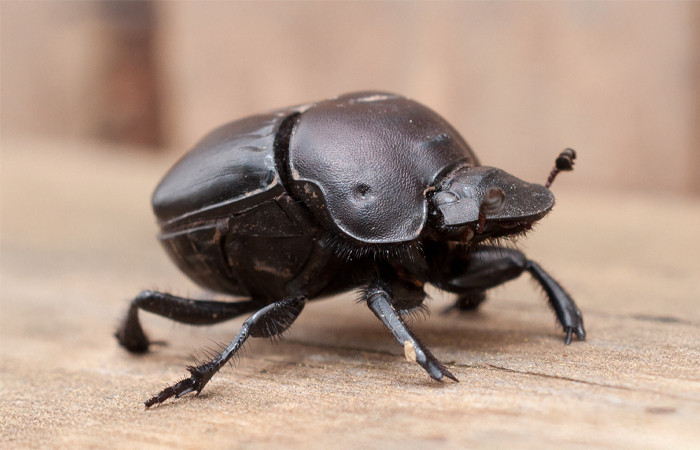
Tiny but mighty, the dung beetle is one of the strongest animals on Earth for its size. It can pull more than 1,100 times its own body weight—like a human dragging several buses at once. This strength comes from its tough exoskeleton and powerful leg muscles, helping it roll dung for food. Even ants, famous for their strength, lift far less by comparison.
At the other end of the scale, grizzly bears show raw power in different ways. They have been seen flipping 700-pound rocks while searching for food and can even overturn cars or dumpsters. Their bite is just as impressive, reaching up to 1,200 PSI—stronger than a jaguar’s and second only to the polar bear among bears.
Rhinoceros Beetle
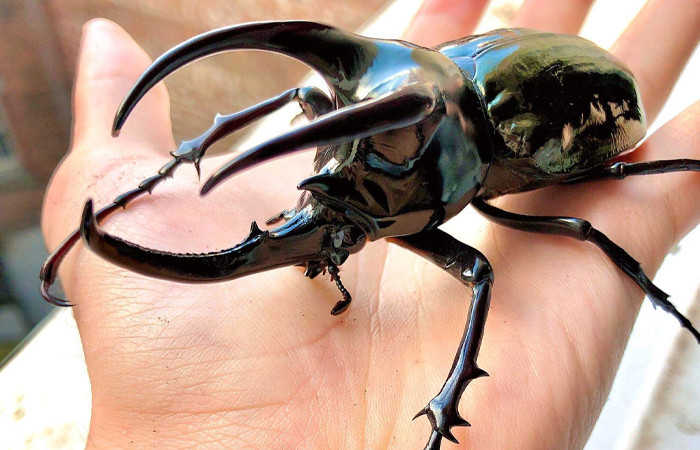
The rhinoceros beetle may look intimidating, but its real power lies in its strength. Despite its small size, it can lift objects to 850 times its own weight and carry loads many times its own weight on its back.
A tough exoskeleton and horn-like structures give it leverage in fights, much like the animal it’s named after. While not especially fast, its solid, armored body allows it to overpower quicker rivals with ease.
Hippopotamus
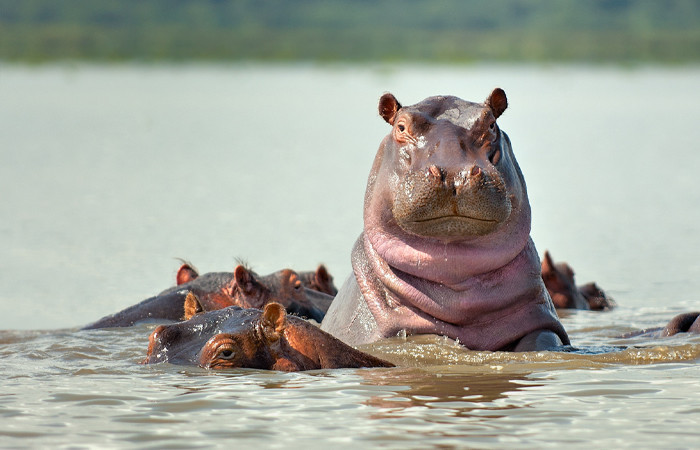
Cute viral clips may make hippos seem harmless, but adult hippos are anything but. They can bite with around 1,800 PSI, enough to crush bones, damage boats, and overpower other large animals.
With bodies weighing up to two tons and the ability to run nearly 30 mph, they combine mass, speed, and raw force. Though they eat plants, hippos turn extremely dangerous when threatened. In water, especially, their strength and formidable tusks make them one of the most dominant animals around.
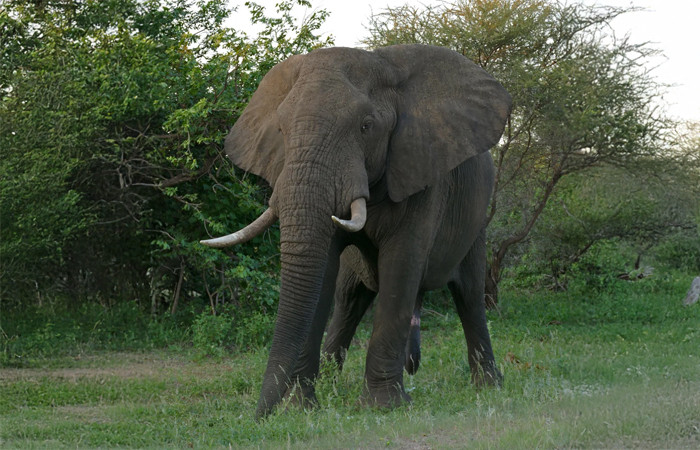
African Bush Elephant
The African bush elephant is the largest land animal alive and among the strongest. It can lift to 9,000 kilograms, tear down mature trees with its trunk, and use its massive skull for added force in fights.
While not a typical predator, its sheer size leaves it with no natural enemies. Often compared to the extinct woolly mammoth, modern elephants are thought to be even more aggressive when they choose to use their strength.
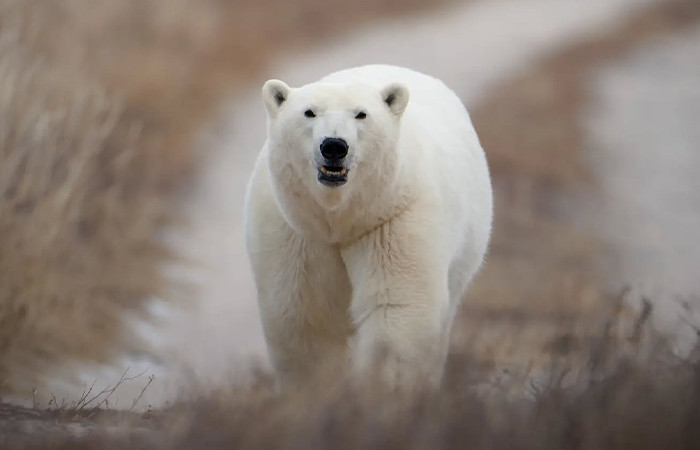
Polar Bear
Polar bears are the undisputed giants of the Arctic and among the strongest land animals on Earth. Built almost entirely of muscle, they can haul massive seals from the ice and crush prey with an extremely powerful bite.
As the largest land carnivores alive today, their strength allows them to break through ice, hunt efficiently, and overpower other animals with ease. While black bears are formidable in their own right, polar bears are far larger, heavier, and capable of moving prey many times greater in weight.
This “strength” showdown gets weirdly similar to the debate over whether 100 men could beat a gorilla.
Silverback Gorilla
Gorillas are the largest primates alive, and silverback males are mighty. Their upper-body strength is estimated to be around 10 times that of an average human, allowing them to lift heavy objects, break thick branches, and defend their group with ease.
A silverback’s strength is matched by its jaws and teeth, which deliver a bite stronger than a lion’s. In a one-on-one encounter, this combination of power and size would likely overwhelm a wolf, even though the wolf is quicker and has sharper teeth.
Bears also show significant differences in strength across species. Black bears are strong animals, but polar bears are on another level. They are much larger, far more muscular, and can weigh hundreds of pounds more, giving them the ability to drag and overpower prey that a black bear could not handle.

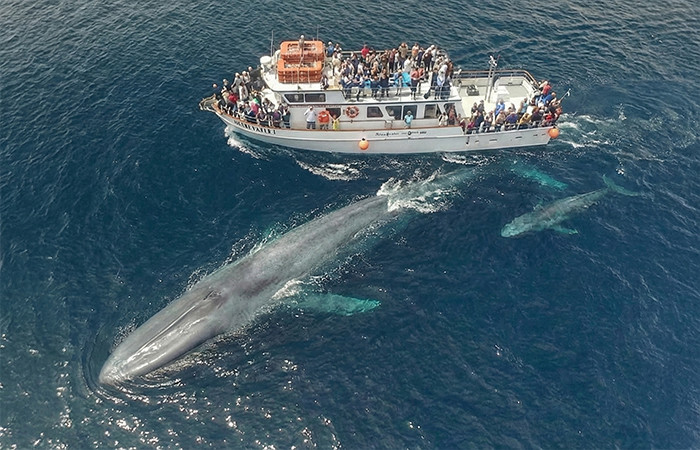
Blue Whale
The blue whale has never faced other powerful animals in battle, mainly because it lives entirely in the ocean, but it still holds the title of the largest creature ever to exist. Weighing up to 200 tons, it moves with surprising force, using its massive tail to reach short bursts of around 20 mph.
Its heart is as heavy as a small car, and despite its size, the blue whale can launch itself out of the water. Many experts believe its sheer power and scale would give it an edge even over the extinct megalodon, with enough force to deliver a fatal strike.
Bison
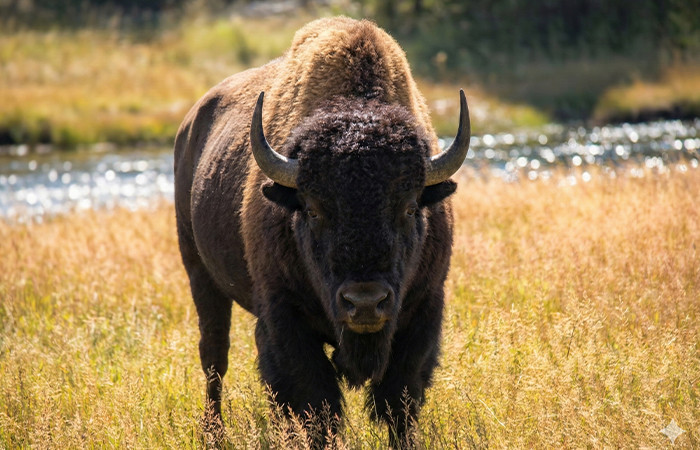
The bison is North America’s largest land animal and a true force of muscle, with adult males topping 2,000 pounds. Most of that mass sits in the neck and shoulders, allowing them to slam rivals with enough force to knock them over, and they use sharp horns to inflict severe damage.
They can sprint up to 40 mph and often clash in fierce head-to-head battles. Thick bones, massive heads, and strong shoulder humps absorb impact and help them push through deep snow. Larger and more powerful than similar animals like the musk ox, bison rely on raw strength to overpower nearly any opponent.
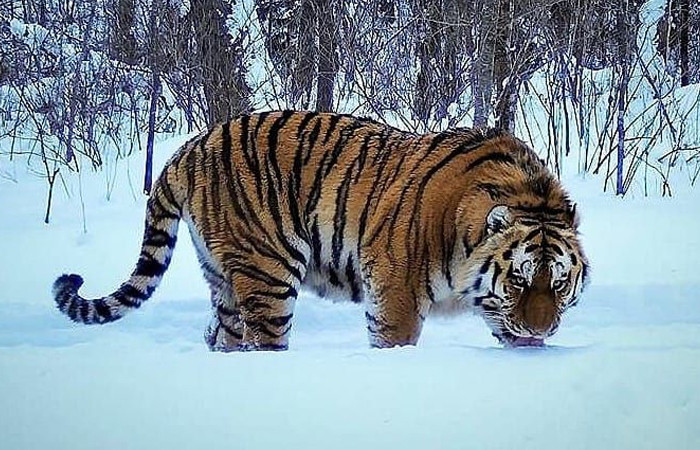
Tiger
Tigers are often underestimated, but they are the strongest of all big cats. Despite popular belief favoring lions, tigers outperform them in raw power. They can drag prey that weighs twice as much as they do and bring down massive animals like water buffalo.
Most of a tiger’s strength comes from its hind legs, which allow leaps of up to 25 feet. Their bite force reaches around 1,500 PSI, strong enough to crush bone, and a single claw strike can be fatal. Against other big cats like leopards or cheetahs, tigers dominate with superior strength and speed.
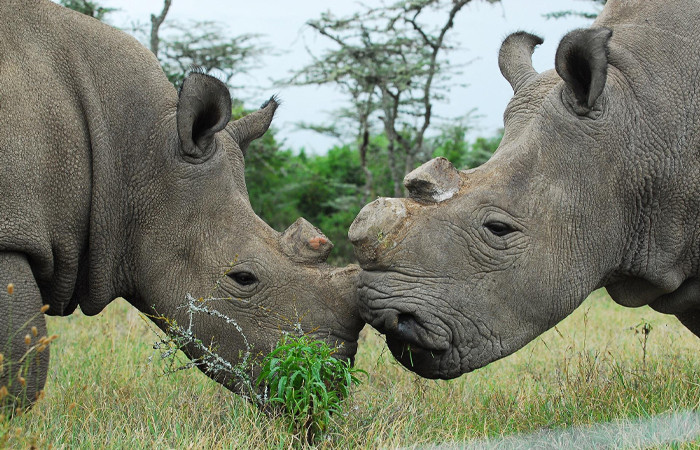
White Rhino
The white rhino is among the most powerful land animals alive. Weighing over 5,000 pounds, it has thick, armor-like skin and incredibly strong legs that can drive a charge at speeds of up to 30 mph, smashing through dense vegetation with massive force.
While smaller than African elephants, white rhinos make up for it with speed, raw strength, and sharp teeth, allowing them to defend themselves fiercely and overpower threats when needed.
Right after the saltwater crocodile’s 3,700 PSI bite gets everyone’s attention, the grizzly bear comes in swinging with a swipe that can shatter bones.
Then the story flips from giant predators to the dung beetle, the one creature rolling around like it’s got a built-in tow truck.
Just when you think the beetle’s the underdog with one trick, the rhinoceros beetle adds the “lift and carry” angle, hauling heavy loads on its back.
And once you’ve watched crocodile jaws, grizzly brawn, and beetle strength all play by different rules, even “raw power” starts to feel like the wrong label.
Strength in the animal world goes far beyond sheer size or hostility. It shows up in different ways, including physical power, stamina, and the ability to survive against the odds.
On land and in the oceans, animals demonstrate their strength through adaptation, resilience, and the ways they secure their place in an ever-demanding natural environment.
Nobody gets to define strength alone after you’ve seen it in crocodile teeth, bear bones, and beetle legs.
After the crocodile’s bone-crushing bite, meet the fierce female leaders of the animal kingdom. Fierce female leaders
Share this article: