
Keep Your Eyes Peeled to Catch Spontaneous Glimpses of This Raspberry Red Purple Finch

Purple Finches are easy to miss until one flashes that raspberry red color in the trees. Males stand out with purplish-red heads and breasts, while females stay streaked and subtle, blending into the branches around them.
These chunky woodland birds feed on seeds, berries, and insects, and they often show up at backyard feeders when black oil sunflower seeds are on the menu. They can be noisy in the treetops, but their habit of staying high makes them tricky to spot.
That is part of the appeal, though, because catching one feels like a small win. Read on.
The Purple Finch.
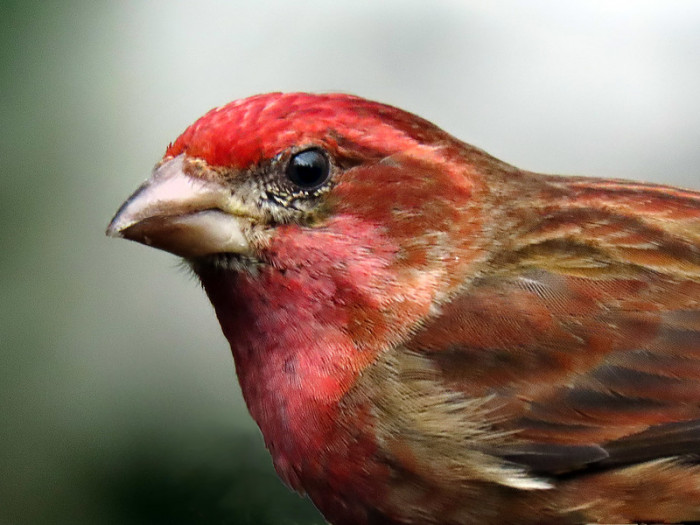
The Purple Finch, tinged in raspberry red primarily on its head and breast, was initially described by ornithologist Roger Tory Peterson as "a finch soaked in raspberry juice" and is a sight to behold for any bird lover.
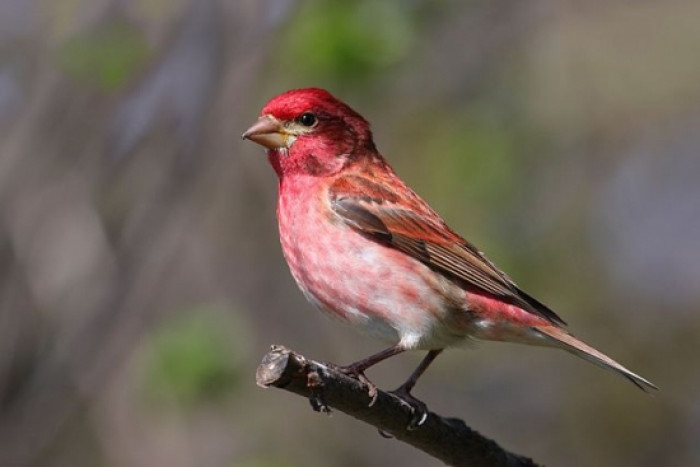
If you are fortunate enough to catch a glimpse of a male, you will notice it features a purplish-red head, upper body, and breast. Its belly is adorned with light red streaks, and you will also notice a splash of red on its rump (the area above the tail and low on the back).
The Female Finch.
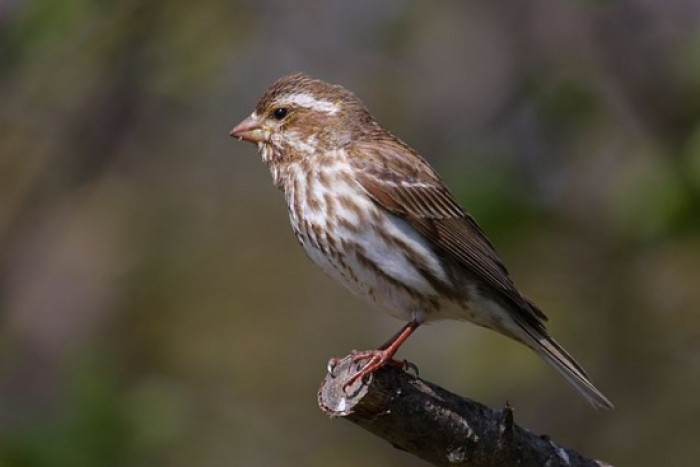
Meanwhile, the female is streaky brown and white, and unfortunately, her feathers do not feature a single raspberry hue. Purple Finches prefer to breed in coniferous or mixed forests and spend the winter in a broader range of habitats, frequently visiting backyard feeders.
Pretty Little Bird.
Purple Finches prefer to breed in coniferous or mixed forests and spend the winter in a broader range of habitats, frequently visiting backyard feeders. The Purple Finch has two subspecies, one of which is found in the East, encompassing much of Canada, and the other along the Pacific Coast.
Cherry Head Birdy.
The Pacific subspecies is slightly less colorful than its eastern counterpart and sings much faster. These birds can be seen moving in large numbers during certain seasons.
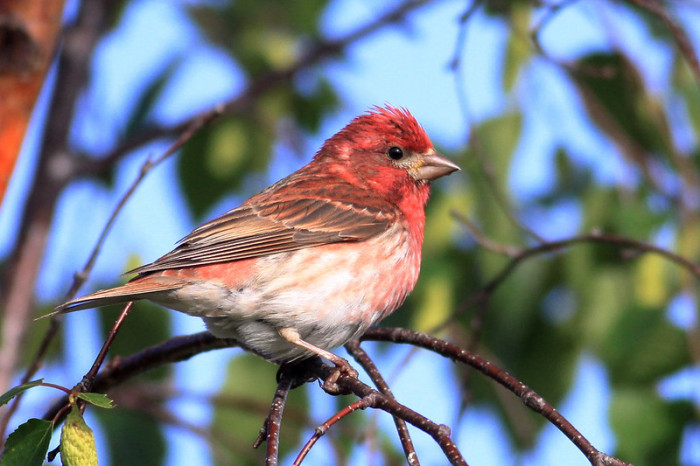
These birds forage in trees, bushes, and on the ground, primarily consuming seeds, berries, and insects. Sunflower seeds, millet, and thistle are their favorites.
The female Purple Finch usually constructs her nest on horizontal branches of coniferous trees, away from the trunk, but she occasionally nests in tree forks. The nest is fashioned like an open cup made of rootlets, twigs, and weeds, lined with grass, hair, and moss.
And if you love a real-life “blink and you miss it” hunt, try finding the elusive puma hidden in a startling wildlife image.
Washed in Raspberry.
Purple Finches rely heavily on this food supply. The Purple Finch's song is highly cheerful, consisting of a series of whistles.

The Female with Mustache.
Females have a similar song that can last up to two minutes and is frequently heard from within the nest. A bird with a large handlebar mustache like Salvador Dali, with an equally significant personality to match!

The Purple Finch prefers to nest in lowland coniferous and mixed woodlands, avoiding denser urban areas, but can also be seen in rural residential neighborhoods. This beautiful bird is simply mesmerizing, and consider yourself lucky if you spot one.
Share this article with all your loved ones and encourage them to be on the lookout for this beautiful bird, especially during its migration season. Who knows, they might just get lucky!
Want a color clash too, check out the Malabar giant squirrel whose patchy colors help it avoid detection.
Share this article:





