Tiny Elephant Shrew Spotted Alive After 50-Year Absence

For 50 years, the Somali sengi was basically a ghost story, a tiny “maybe they’re still out there” mystery that no one could confirm.
Then researchers fanned out across 12 sites with 1,000-plus traps, and the whole thing turned into a careful, complicated scavenger hunt for a creature whose nose looks like a miniature elephant trunk and whose back legs are pure gazelle energy. The twist? The bait mattered, peanut butter, oatmeal, and yeast did the heavy lifting, and suddenly the sengi was spotted again in Djibouti.
And just like that, a missing species came back to the morning sun.
The adorable creatures known as "sengi" are related to elephants, aardvarks, and manatees, sharing a resemblance in their noses resembling miniature elephant trunks.
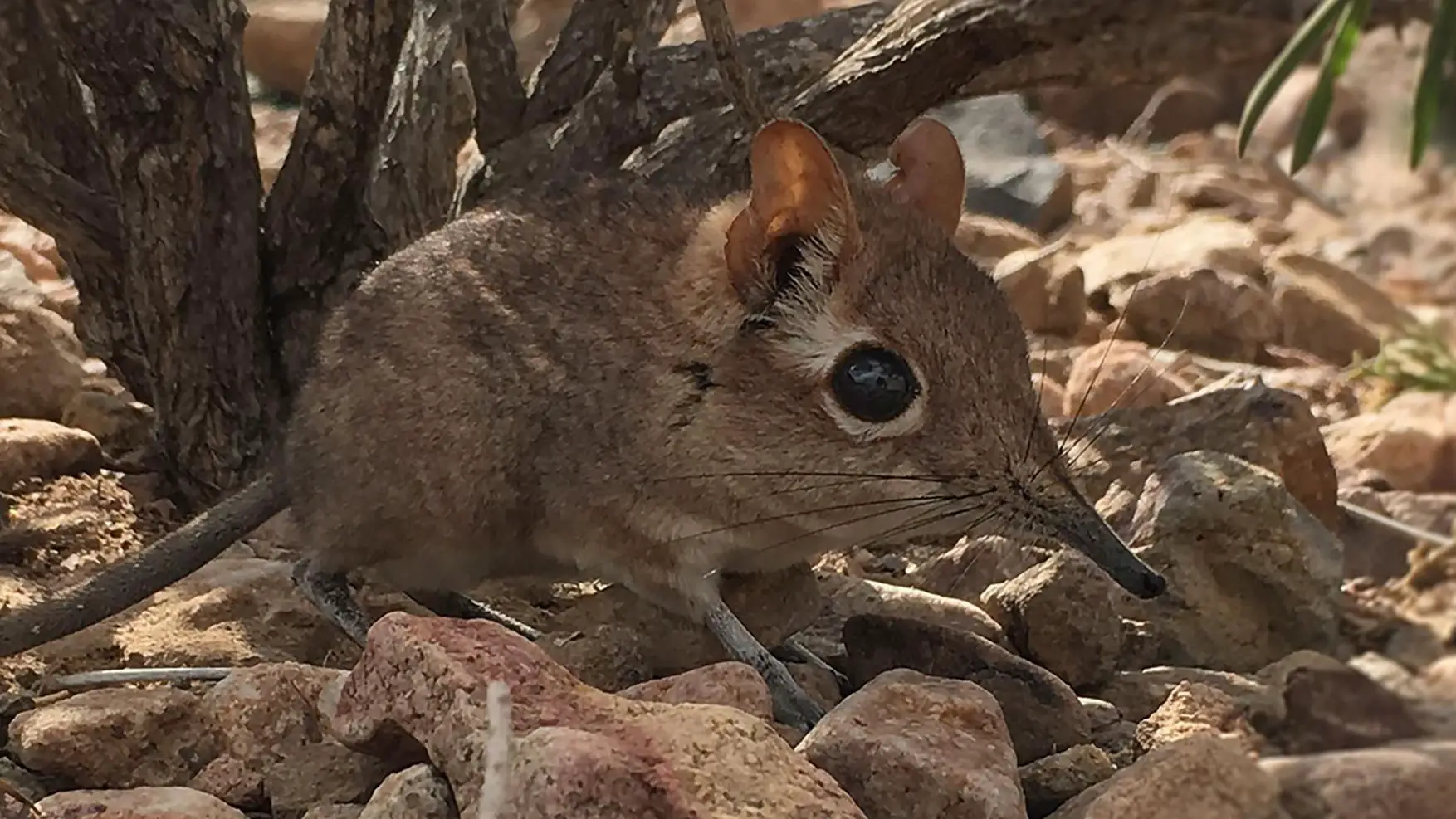
Researchers deployed 1,000+ traps across 12 different sites to locate them.
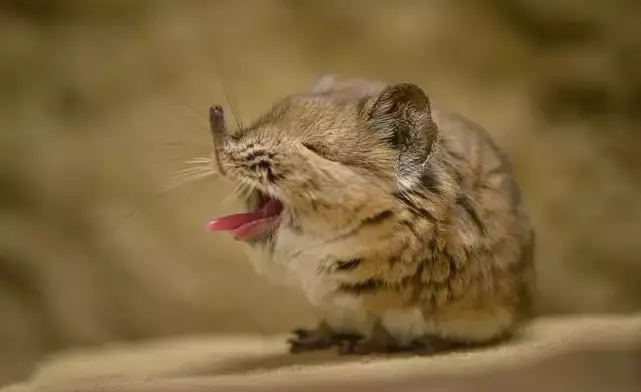
A blend of peanut butter, oatmeal, and yeast led to the rediscovery of the sengi.
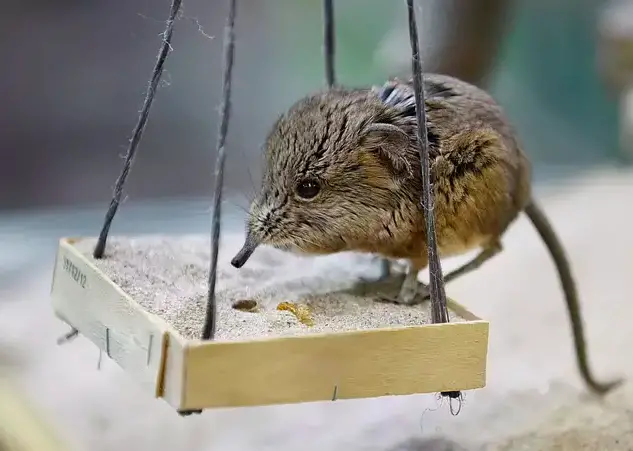
"Elephant Shrews Dancing in the Morning Sun"
Rediscovered after 50 years, the Somali Sengi, a tiny creature with elephant-like features and gazelle-like hind limbs, was found in Djibouti.
With traps set across 12 sites in Djibouti, the “where are they?” question finally had a target, not just hope.
And if you thought sengi were surprising, this deep-cave shark’s teeth are the real jaw-dropper.
The bait choice, peanut butter, oatmeal, and yeast, is what turned a long search into a real rediscovery.
When the Somali sengi turned up after half a century, it was a win that didn’t belong to the scientists alone, it pulled in local people and conservation supporters right alongside them.
The headline might be “dancing in the morning sun,” but the real payoff was proving the sengi still had a place in Djibouti’s wild future.
This event shows how important it is for local and international groups to work together on conservation projects. The rediscovery in Djibouti wasn't just a win for the scientists; it was a win for the local people and conservationists around the world who support these kinds of efforts.
It’s a great example of how focused research and collaboration with communities can lead to surprising and exciting outcomes. The finding of the elephant shrew is a positive story amid the often sad news of environmental problems and disappearing species.
It highlights the amazing aspects of nature and the ongoing curiosity of people who want to discover, understand, and protect the wildlife we share our planet with. As more people get to know and love these tiny, fascinating creatures, the hope is that their story will encourage more support for conservation efforts everywhere.
This way, the elephant shrew and many other species won’t just fade away without anyone noticing.
A creature that vanished from records for 50 years didn’t just reappear, it reminded everyone that conservation can still spring surprises.
Wait until you see the foot-long ancient shark with never-before-seen teeth in Kentucky.
Share this article: