Meet The Enigmatic Vaquita – Earth's Rarest Mammal, With Fewer Than 10 Remaining

Some marine animals feel like they’re built for mystery, but the vaquita is the rarest kind of “where did it go?” story. This tiny cetacean, nicknamed the “little cow,” lives only in Mexico’s Sea of Cortez, and sightings have become so scarce it feels like the ocean is whispering it out of existence.
Here’s the brutal part, there may be fewer than 10 left, and the danger is painfully human. Gillnets and fishing pressure don’t just threaten the vaquita, they trap it, and every season makes that already tiny population even smaller. And now the complicated twist, new research suggests there’s still enough genetic diversity to recover, but only if protections actually happen fast.
So when you hear “glimmer of hope,” the question is whether it’s real, or just the last light before the Sea of Cortez goes quiet.
The vaquita, Spanish for "little cow," is the smallest cetacean, resembling a small, gentle creature.
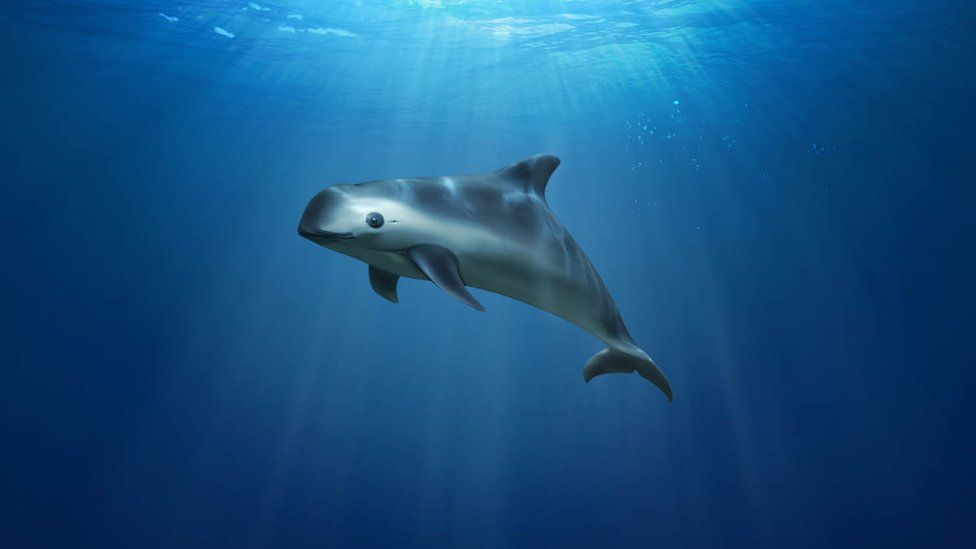
"The vaquita is the smallest and most endangered cetacean, with as few as 10 individuals left."
The vaquita has become a symbol for marine conservation efforts, highlighting the impacts of human activity on marine life and the urgent need for protective measures.
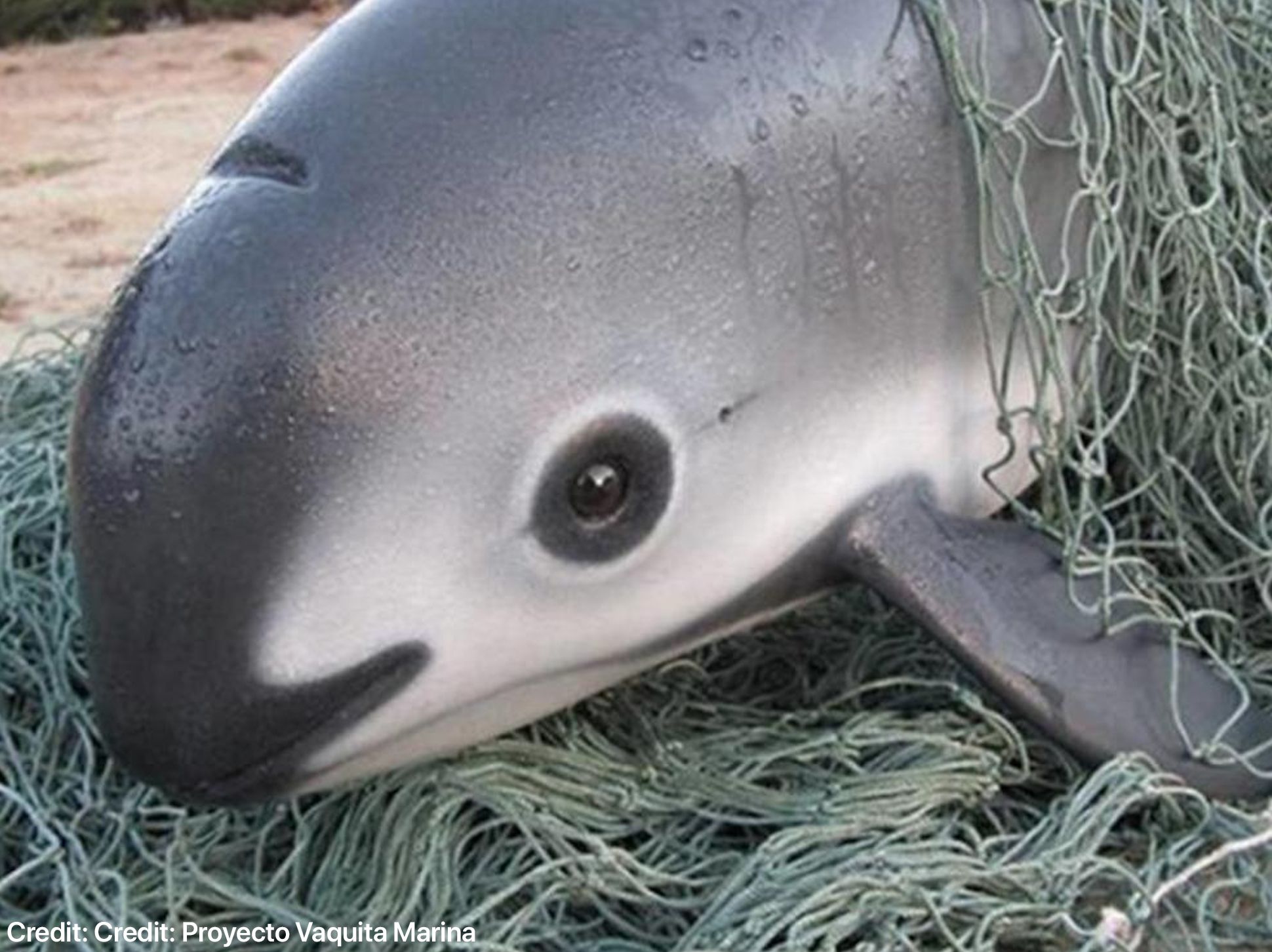
"New research shows there may be hope for the endangered vaquita porpoise. Their small population of 10 still has enough genetic diversity to recover — if we act now to protect them from gillnets."
"There is a glimmer of hope for the endangered vaquita, but things must change now."
"The Vaquita: The Most Mystical Little Cow."
The “smallest and most endangered cetacean” label hits harder when you realize the vaquita’s whole world is basically one hotspot in the Sea of Cortez.
Hidden diversity matters too, like the two new crocodile species found off Quintana Roo.
The hopeful research about genetic diversity gets scary in the same breath, because gillnets are still out there doing the damage.
That’s where the symbolism turns personal, the vaquita becomes the living scoreboard for what human choices do to ocean life.
As the situation remains critical, the plight of the vaquita is proof of the impacts of human activity on marine life. The survival of the vaquita porpoise is not just a matter of saving a single species but is a testament to our broader responsibility to preserve the biodiversity of our planet.
With concerted efforts and global awareness, there is still hope that the vaquita can be saved from the brink of extinction, allowing future generations to witness the beauty of the most elusive marine mammal in the world.
And the only way this story doesn’t end with extinction is if fishing rules tighten and gillnets actually get banned, starting with the people working those waters.
The plight of the vaquita porpoise serves as a stark reminder of the fragile state of our oceans. With fewer than ten individuals remaining, the urgency to act has never been more critical. The vaquita is not merely a species on the brink of extinction; it symbolizes the broader health of our ocean ecosystems. If the vaquita disappears, it will signal a profound failure in our responsibility to protect marine life.
To avert this crisis, implementing stricter fishing regulations and banning gillnets is essential, as these nets are the primary threat to the vaquita's survival. Moreover, a holistic approach that involves collaboration among governments, non-profits, and local communities is crucial. By engaging local fishermen in developing sustainable alternative livelihoods, we can create a conservation strategy that not only safeguards the vaquita but also supports the economic well-being of those who rely on the sea for their livelihood.
The plight of the vaquita porpoise underscores the critical need for immediate and comprehensive conservation measures. With fewer than ten individuals remaining, the call for stricter fishing regulations and the establishment of marine protected areas has never been more urgent. Such initiatives are essential not only for the survival of the vaquita but also for the preservation of the entire Gulf of California ecosystem, which is perilously close to collapse. Only through united action can we hope to devise sustainable solutions that safeguard this critically endangered marine mammal and its habitat.
If the vaquita vanishes, it won’t just be one species lost, it’ll be the ocean’s warning everybody ignored.
And if you think things can’t get worse, watch the two orcas still trapped at Marineland.
Share this article: