
A Group Of People Are Astonished To Catch A Rare Glimpse Of A Wetland Bird In A Snowy Ohio Wildlife Park

A snowy Ohio wildlife park turned into an unlikely birding hotspot when visitors spotted a limpkin, a wetland species most people expect to see far from the Midwest. The rare sighting drew attention because the bird is usually associated with warmer places, not icy marshes in November.
At Ottawa National Wildlife Refuge in Oak Harbor, the bird's appearance surprised people who were already out looking for winter wildlife. Its long bill, streaked plumage, and marsh-loving habits made the sighting even more unusual against the frozen landscape.
Now the limpkin has everyone watching to see how long it will stay. Read on.
The limpkin was spotted at around 11:45 AM on the parking lot's west side.
Minutes later, it flew to the north side of the parking lot, just within the tree line.
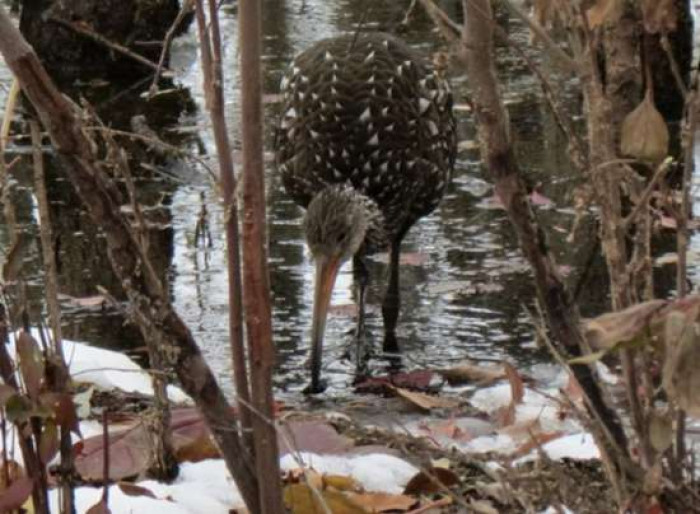
The bird did not leave the park immediately.
In fact, Ottawa National Wildlife Refuge encouraged people to see the bird for themselves while it is still hanging around the area. On the conservation park's Facebook page, people kept asking for updates, to which the team responded promptly, saying that it has been hanging around the area for the entire day.
The limpkin seemed to enjoy the spot despite the extremely cold temperature.
Did you know that the bill of a limpkin has a shape that is specially designed for foraging on apple snails? It has a gap before the tip.
This feature acts like tweezers. When you look at the bill closely, you'll notice that it is curved slightly to the right.
This allows the limpkin to maneuver its bill along the right-handed curve of an apple snail's shell. It's amazing how nature works indeed!
In Florida, they will eat other types of snails as well as mussels. They can also forage for lizards, frogs, worms, insects, and crustaceans.
They look for food by exploring shallow waters, visually searching for apple snails. They also poke into the mud and floating greenery.
Once they find a snail, they'll head to solid ground to retrieve it or smash the mussel open. They typically feed at night and are especially active on moonlit nights.
This snowy-owl moment is like those Montreal traffic camera images of a snowy owl.
And if you think the wetland bird was rare, check out kayakers spotting a giant snapping turtle in the Chicago River.
Share this article:





