
Canadian Photographer Snaps Stunning Images Of Wildlife Roaming Residential Areas

Corey Arnold did not set out to make a nature documentary, he just kept taking pictures, starting with a 35mm Pentax K1000 his father handed him when he was 12. Back then, he was already known for one thing, family photos where the animals and humans stayed intact, no “accidental” chaos in the frame.
Now his “Cities Gone Wild” project turns that same eye toward the animals that show up where they really should not, urban coyotes prowling too close for comfort, raccoons treating backyards like snack bars, and black bears making themselves at home near people. It gets complicated fast, because Southern California taught him what it looks like when cats disappear and dog food ends up floating in the water.
In other words, this is the story behind the photos, and the messy, real-life truce forming between wildlife and neighborhoods.
1. Friends
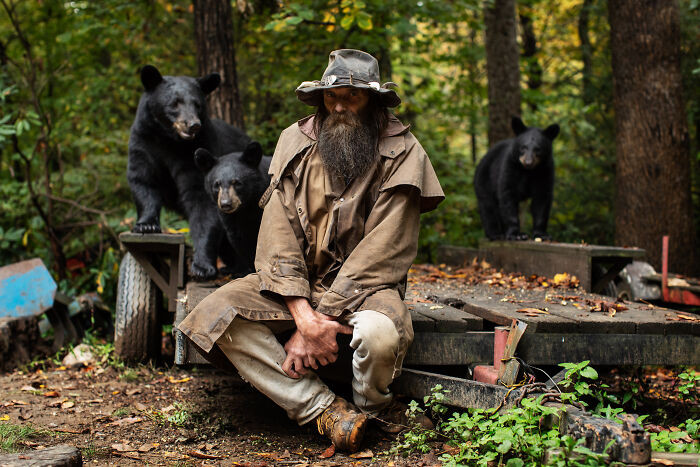
The photographer said: “My father was a hardcore amateur photographer and bought me a 35mm Pentax K1000 camera when I was 12. I seemed to have a knack for it at an early age, and I was often praised for not cutting the heads off of my subjects in family photos.
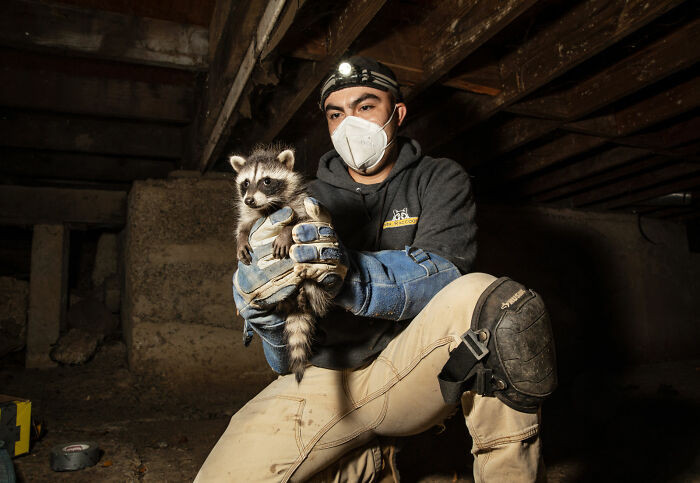
Growing up in Southern California, we had coyotes roaming in our backyard every night and lost many cats to them. Raccoons also used to raid the dog food and leave the water bowl full of puffed-up dog food bits they left floating in the water.
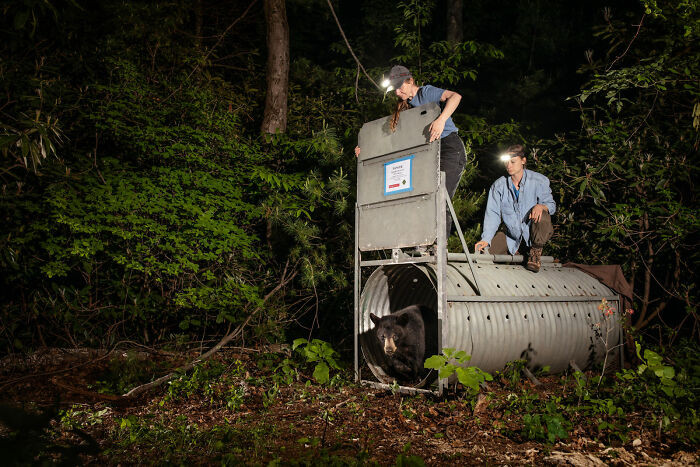
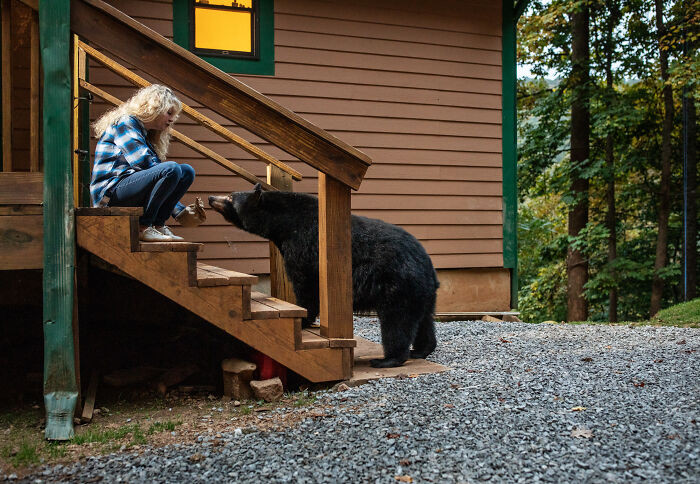
I've always been an animal lover, but what particularly interests me is how humans relate to the animal world and how animals are adapting to life in an altered landscape of our own creation. In "Cities Gone Wild," I'm exploring the lives of urban coyotes, raccoons, and black bears—three animals that have cracked the code and are thriving in greater numbers living close to humans than in the wild.”
2. Looking for something?
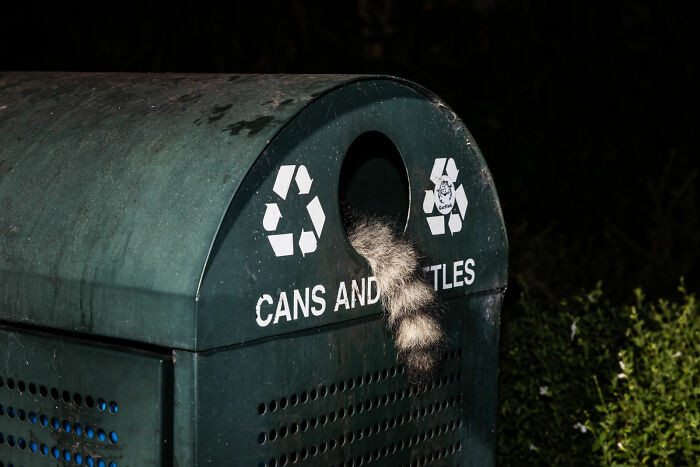
3. This is tight
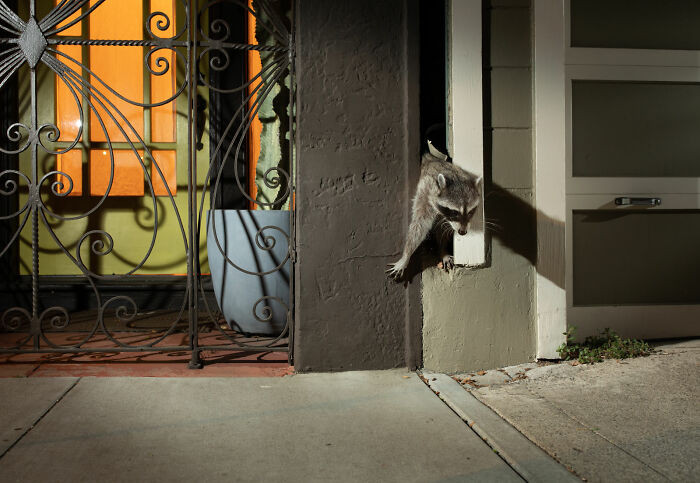
4. A group of friends
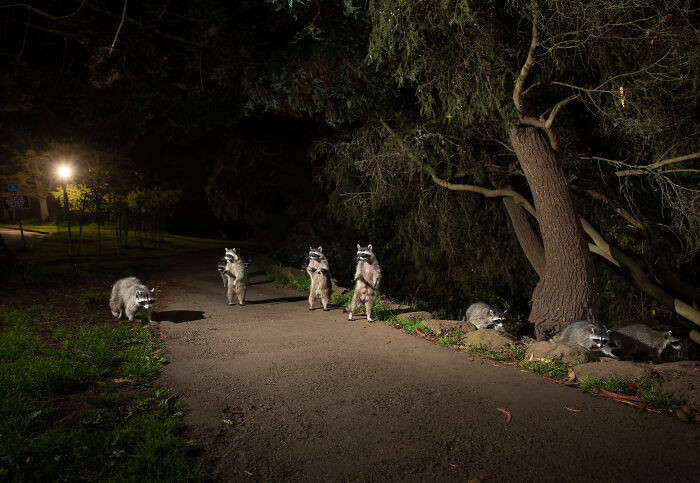
5. Gymnastics
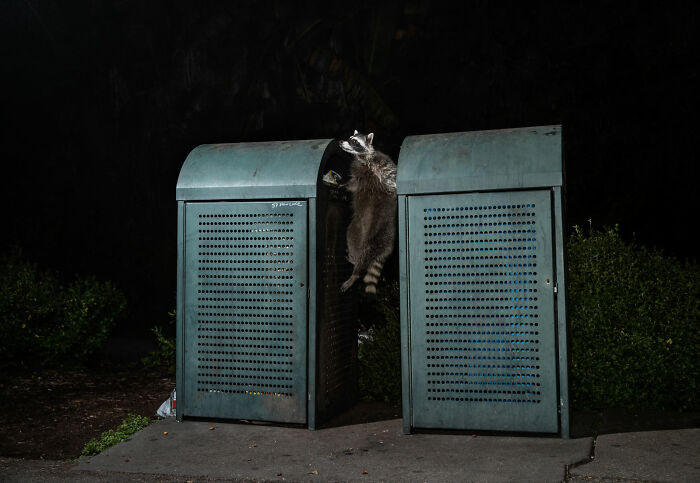
6. Tight fit
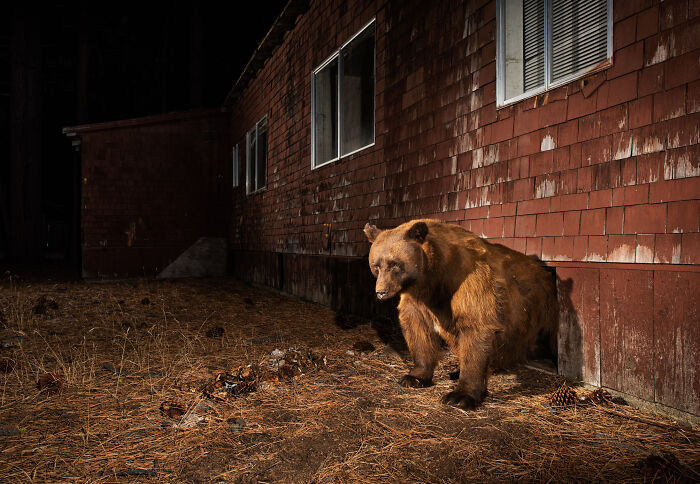
7. Waiting for that night train
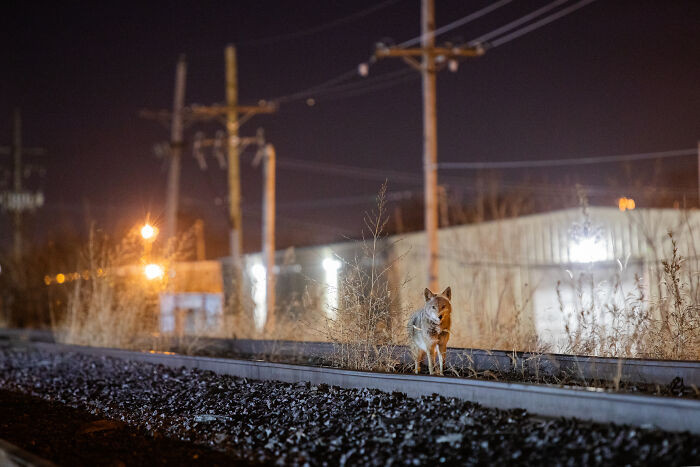
8. All alone in the big city
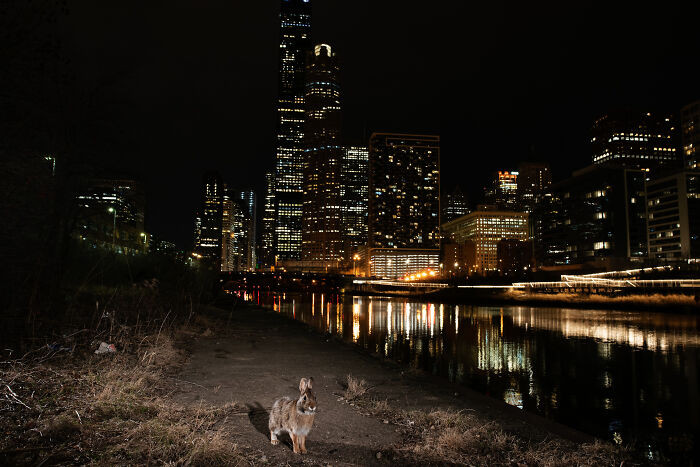
9. Good company
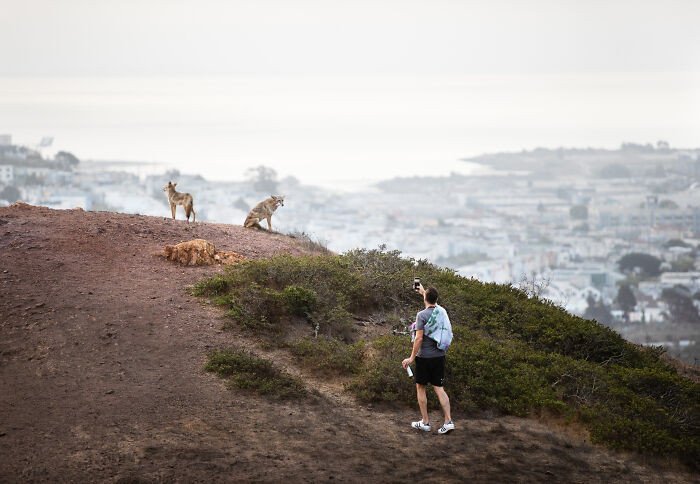
10. Over the fence
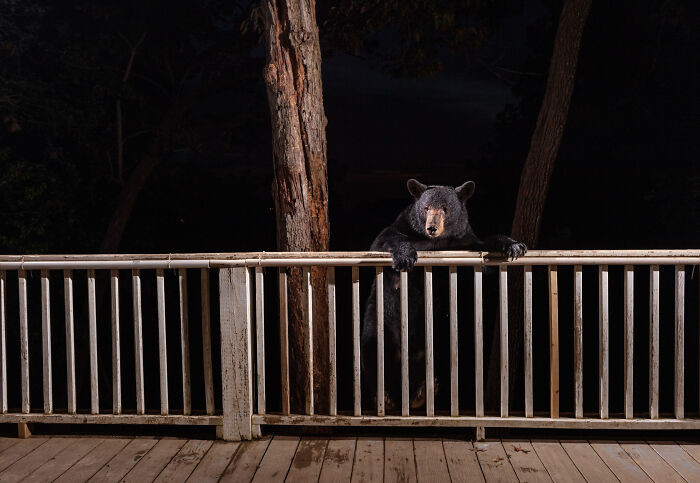
11. Climbing
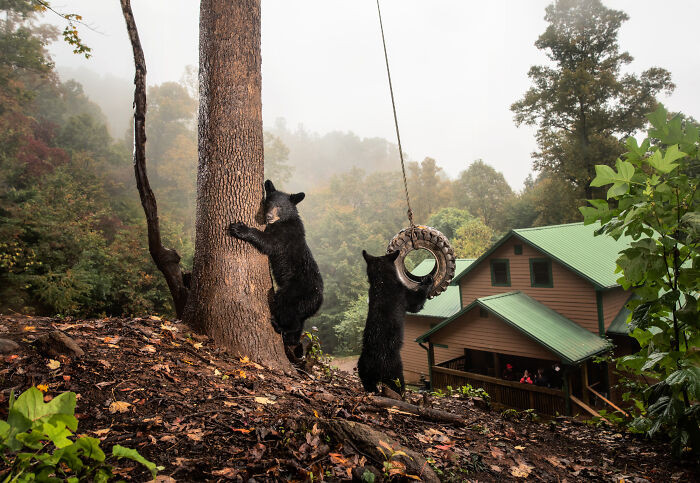
12. Out for lunch
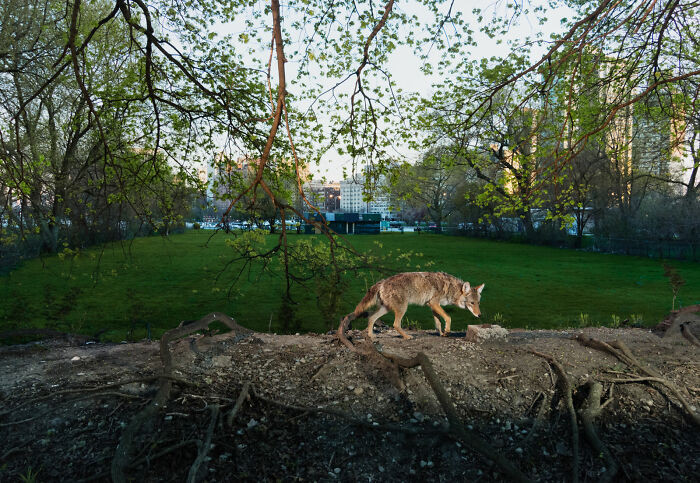
For more jaw-dropping wildlife moments, check the Natural History Museum display that redefines how we see the natural world.
13. Hi there
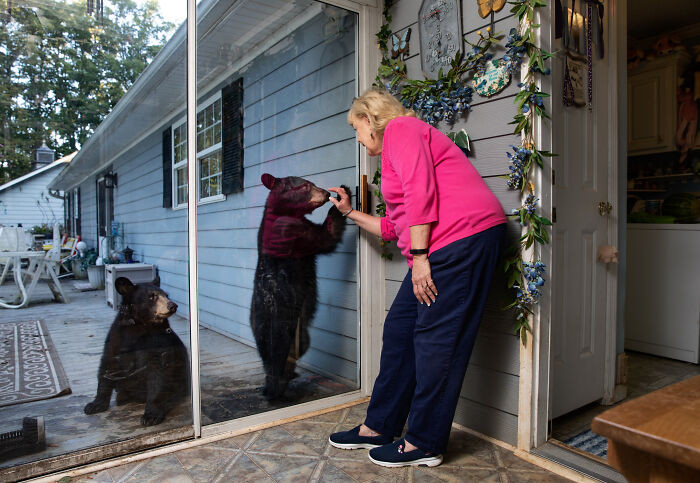
14. Early morning call
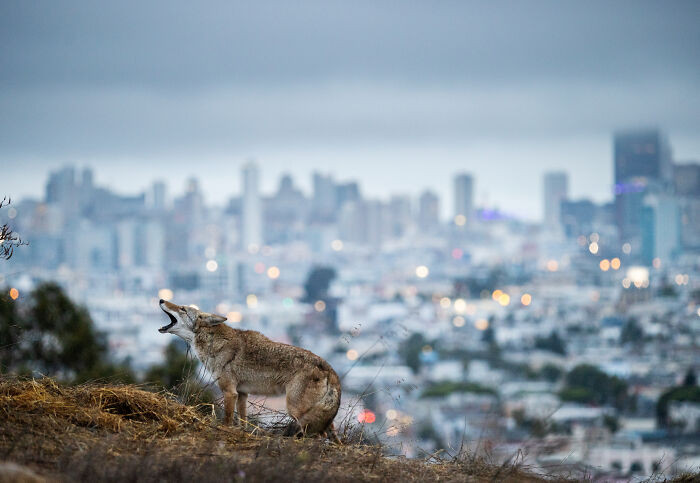
15. Just looking at you
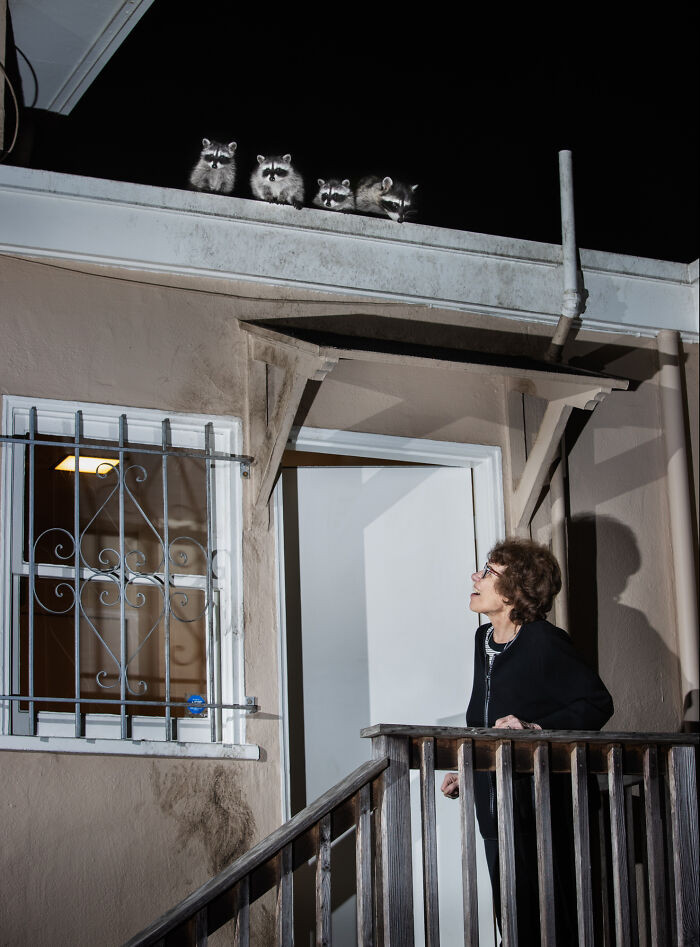
16. Found a spot
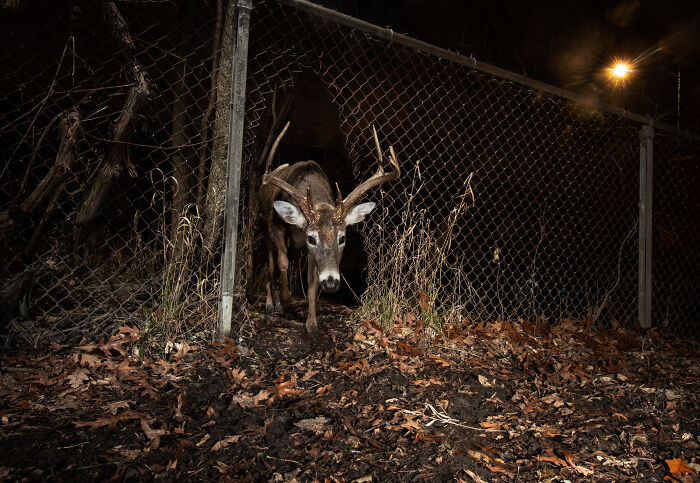
17. Don't come down
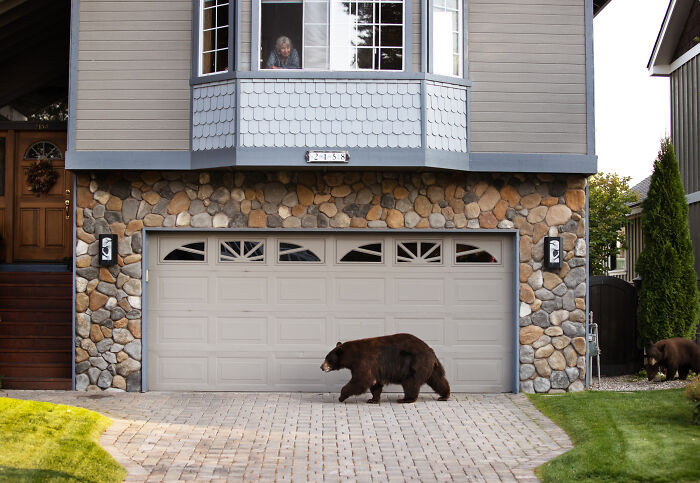
18. When people sleep
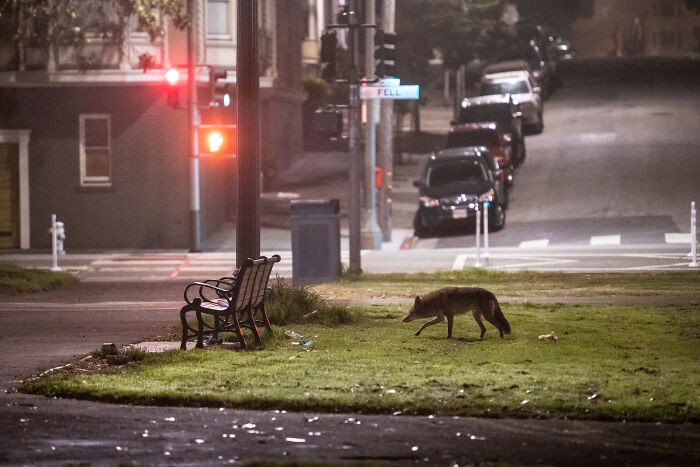
19. Here I come
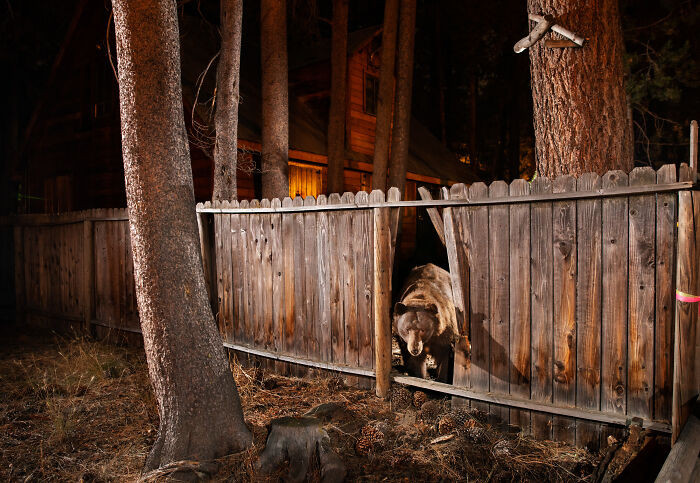
20. Lonely night
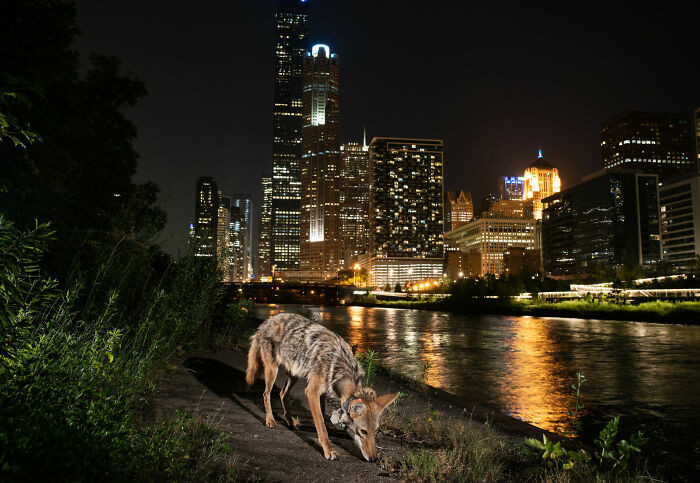
21. Found something
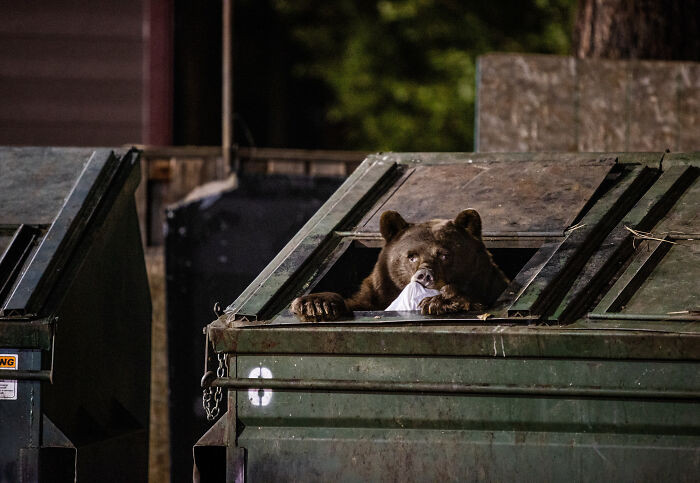
22. Alone and sad
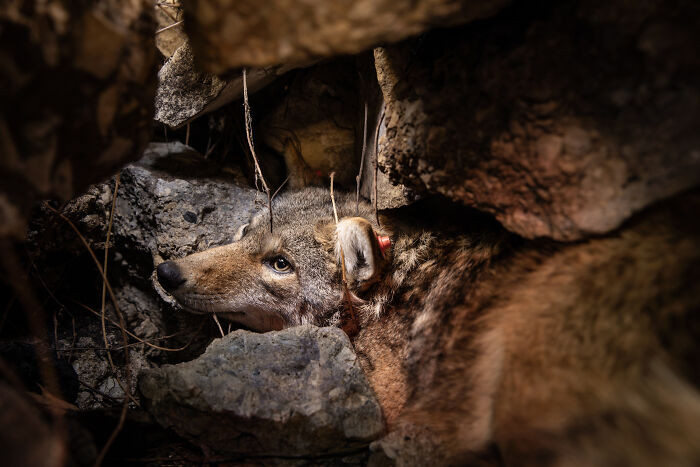
23. Oh, my
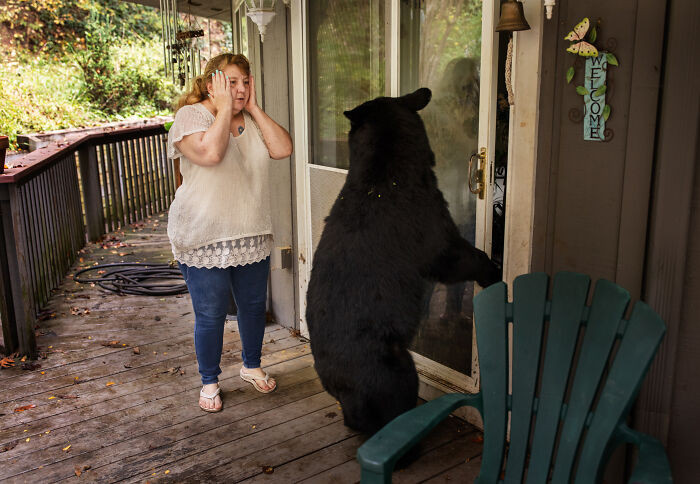
24. Spot the animal
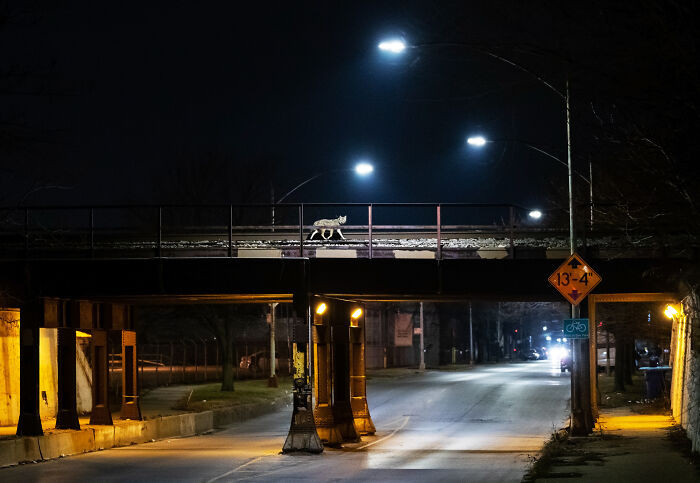
25. Released into the wild
26. Saved
27. Hello
That childhood habit of not “cutting the heads off” of his subjects turns into a full-on respect for what animals are doing in the city.
The backyard coyotes and the raccoons raiding the dog food set the mood, because Arnold’s camera keeps catching the same kind of bold behavior near homes.
When he frames urban coyotes, raccoons, and black bears living close to people, it makes the whole neighborhood feel like part of the habitat.
And once you notice the animals slipping into everyday scenes, like they are “waiting for that night train” and “out for lunch,” the cohabitation stops feeling cute and starts feeling serious.
Corey Arnold's "Cities Gone Wild" project not only redefines our understanding of urban landscapes but also prompts us to reconsider our relationship with the wildlife that shares our living spaces. His photographs present a compelling narrative of adaptation and cohabitation, as wild animals navigate urban jungles, interacting with humans in unexpected ways.
This intriguing interplay of nature and urban life serves as a reminder of our shared ecosystem and the resilience of wildlife. As we appreciate Arnold's stunning imagery, we're also reminded to respect the boundaries of these wild residents while fostering a harmonious coexistence in our increasingly shared environments.
His photos make you wonder who moved into whose world first.
Want more animal eye-contact and backyard surprises, see the 2026 British Wildlife Photography Awards.
Share this article:





