Police Puppies Challenge Stereotypes About Service Dogs

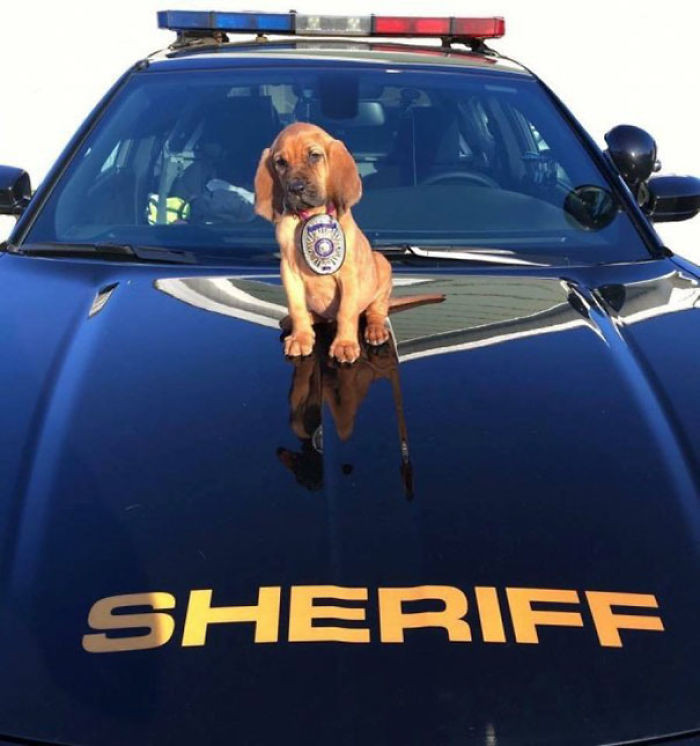
Police dogs are usually pictured as serious, highly trained partners, but that image starts much earlier than most people think. Behind every confident service dog is a puppy learning how to listen, follow directions, and stay calm around people and animals.
This story looks at police puppies in training and the way they challenge the usual stereotype of tough working dogs. From New Zealand to Taiwan, these young dogs show that service work begins with patience, structure, and a lot of cuteness before the serious job ever starts.
By the end, the puppies are doing more than melting hearts, they are showing how early training shapes the dogs that eventually go on duty. Read on.
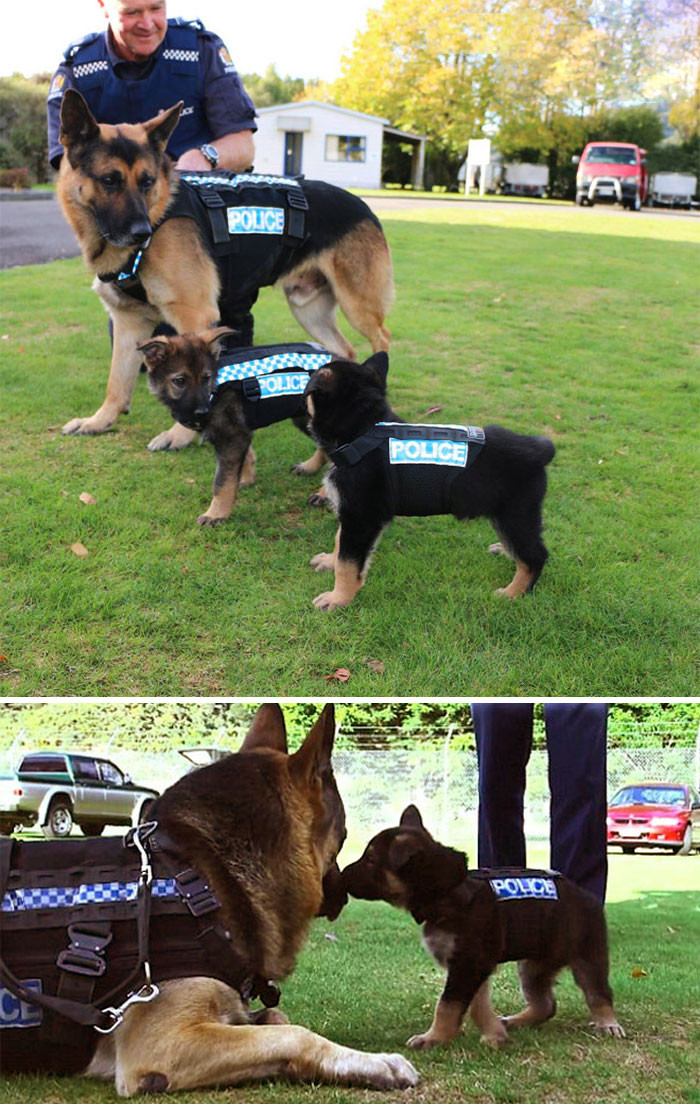
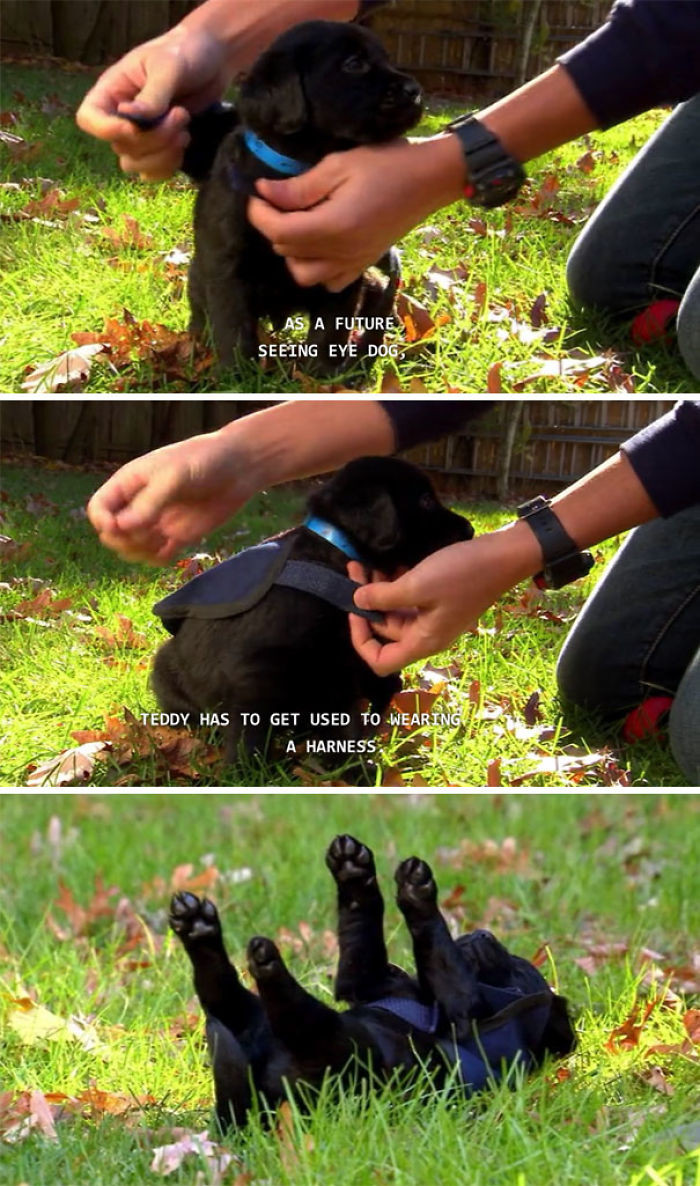
1. New Zealand's Puppy Patrol in Training
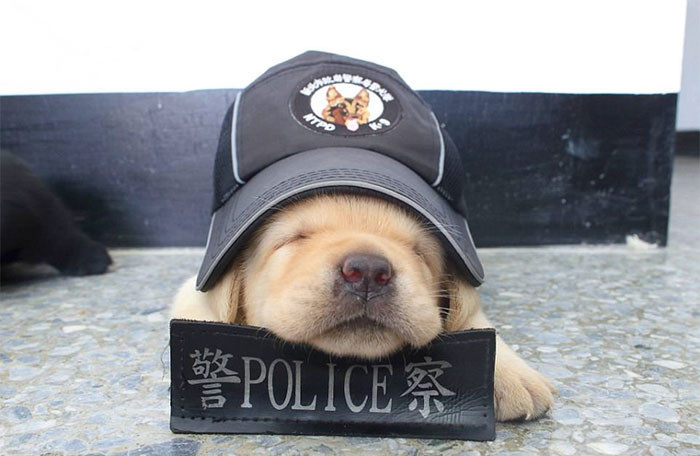
2. Taiwan's Cutest Puppy Ever, Perhaps.
3.
4.
5.
6.

7.

8.

9.

10.

11.

12.

13.

14.

15.

16.

17.

18.
Police dogs live with their handlers while they are in active service and even after retirement. Their handlers care for them as if they were their own pets, creating an unbreakable bond.
Even regular dogs can be well-behaved and suitable as service dogs. Dog behaviorist Nick Jones, MA, states, "As well as focusing on basic dog training commands in the beginning, it is essential that the owner focuses on creating a dog that is polite, mannerly, and can accept control and direction from the handler."
It also echoes the Marines handler who reunited with their military dog after years apart.
19.

20.

21.

22.

23.

24.

25.

26.

27.

28.
"Like people, all dogs are different, and adjustments made as we progress are part and parcel of the journey. Try not to let setbacks or a seeming lack of progress deter you, as it's normal to experience pauses followed by surges in your dog's ability to listen and take directions."
"In summary, focus on good manners and polite behavior as your very first priority, and then gradually introduce increasingly difficult training challenges in accordance with your dog's progress as it develops."
Perhaps we should all try this. While it's highly unlikely that we will catch many bad guys during a walk, the training itself will foster a strong bond, and we will learn to appreciate each other more.
29.

30.

31.
The best results in dog training are achieved when it starts at an early age. "Assuming a new puppy is acquired at eight weeks of age, training can commence from the very beginning," Jones explains.
"Not in a formal sense, but rather by implementing short sits, waits, and an introduction to good manners and polite behavior towards humans and other animals. Training programs evolve over time, and as the dog matures and becomes more settled, the owner can increase the challenges set for the dog."
Owners should keep in mind that dog training is a challenge and that mistakes are inevitable. The trainer must maintain the right attitude to push through them.
"It's good to have a plan, but all plans are subject to minor setbacks, and your dog will have no appreciation for the plan you have. Thus, we are, to some extent, at the dog's mercy regarding how quickly we can make progress in training and behavior," Jones clarified.
32.

33.

Want more K-9 heroes like those in 10 Police Dogs Keeping Our Communities Safe?
Share this article: