
Woman Wants A Siamese Cat For Free; She Can't Afford It After Spending Money On Cat Supplies

A 28-year-old woman refused to take a “free cat” deal like a normal person, then immediately tried to upgrade the situation by demanding a Siamese cat anyway.
It started with an ad poster posting about their cat, and this woman skipped the cheaper, free options completely, shopping straight for the high-maintenance dream. She showed up with cat supplies already in hand, but somehow the adoption fee, the ongoing food, and the reality of keeping a Siamese happy never made it into the math.
A cat ad poster decided to share their encounter with an entitled woman who wants their cat for free.
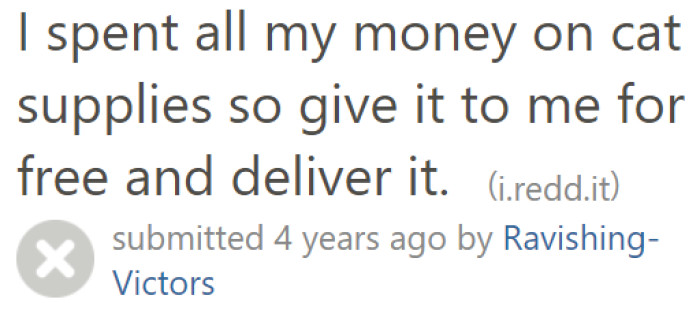
Here's how their conversation went.
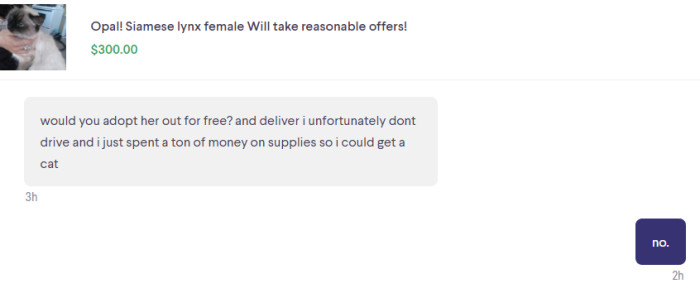
Your dream cat doesn't always mean it's your ideal pet.
People need to consider its temperament as well.
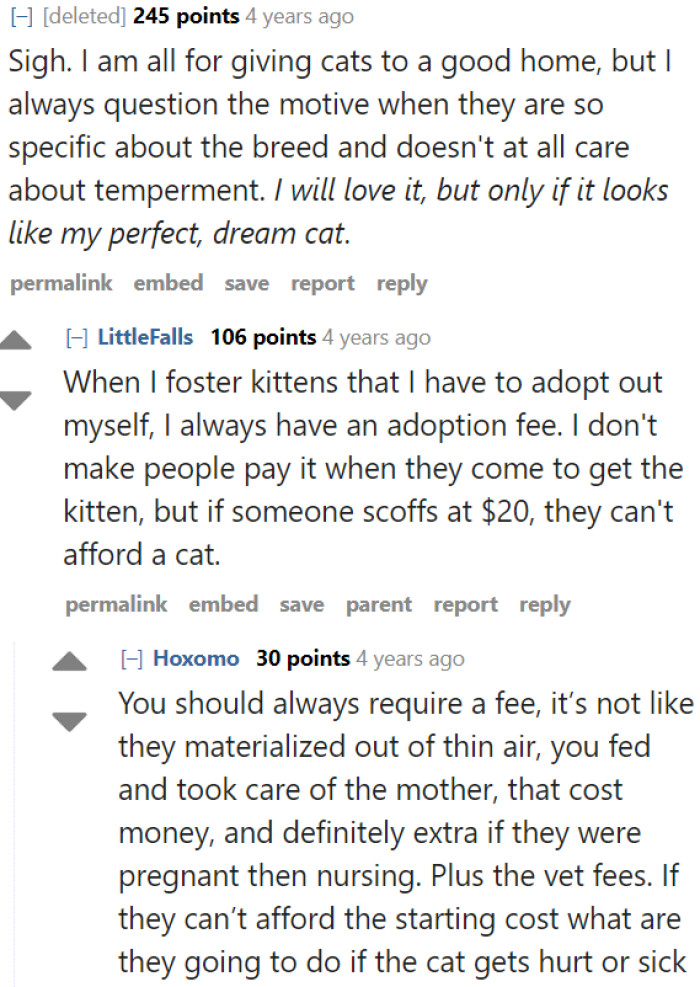
When the ad poster pointed out that temperament matters, the woman kept pushing like the Siamese was a prize she already deserved.
The desire to acquire a pet, particularly in challenging financial circumstances, often reflects deeper psychological needs. Research in the field of animal-assisted therapy shows that pets can provide significant emotional support, reducing feelings of loneliness and increasing overall happiness. In fact, studies indicate that pet ownership can lead to improvements in mental health outcomes, particularly for those experiencing stress or anxiety.
This desire can stem from a longing for companionship and emotional stability, especially during difficult times.
This woman skipped all the ads that offer cats for free and went for a high-maintenance cat instead.
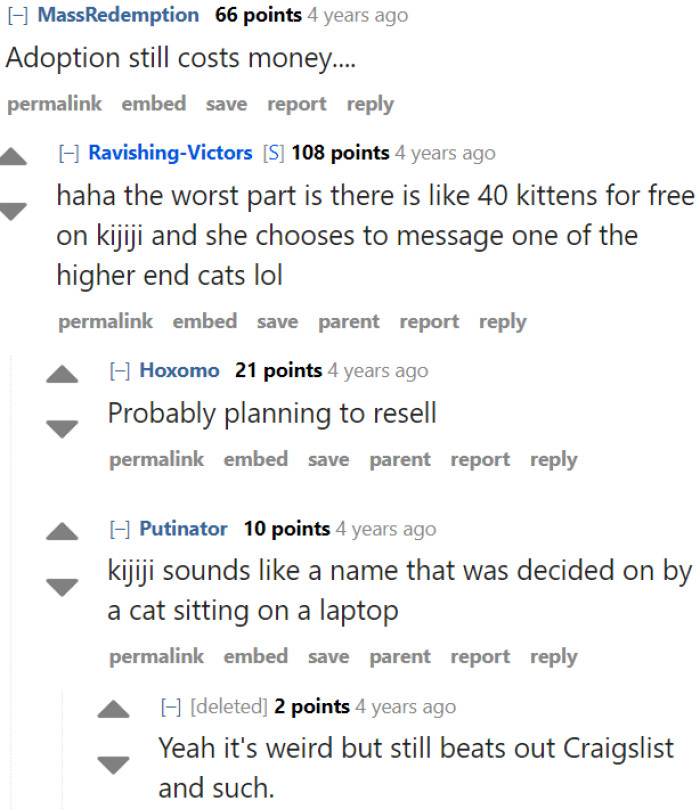
People who genuinely want a pet should be able to afford its adoption fee.
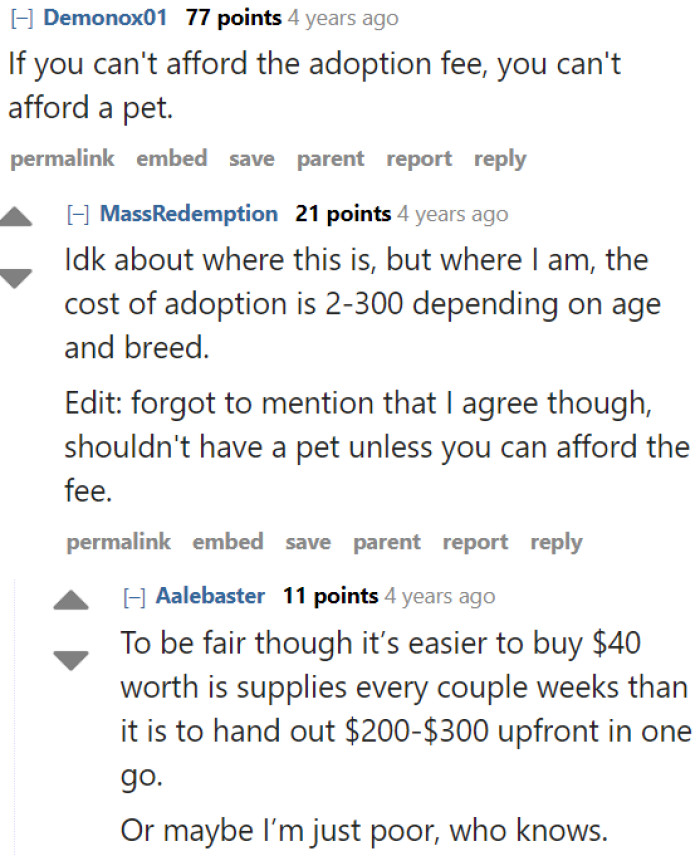
People like the woman who responded to the ad consider these cats trophies, not living beings to love.
In other words, she doesn't deserve the Siamese cat.
That’s when things got complicated, because she’d bought supplies but then realized she couldn’t actually afford what comes after the “free” part.
Also, it gets even wilder than the “free Siamese” ask, like the choosing beggar who demanded an expensive cat for free.
However, it's essential to consider the practical implications of pet ownership. Responsible pet ownership requires financial resources, time, and emotional commitment. Failing to recognize these responsibilities can lead to negative outcomes for both the pet and the owner, creating further emotional distress.
People who want pets need to provide a quality life for the pet.
If they don't have the resources to do so, they shouldn't own one.
Is she even aware that owning a cat would cost more than the cat supplies she bought?
Fees like these need to be imposed to gauge the seriousness and capacity of the owner.

The poster basically called out the real issue, she treated cats like collectibles instead of a living creature that needs daily care.
The Psychological Impacts of Financial Stress
Financial stress can significantly impact decision-making processes, leading individuals to make impulsive choices.
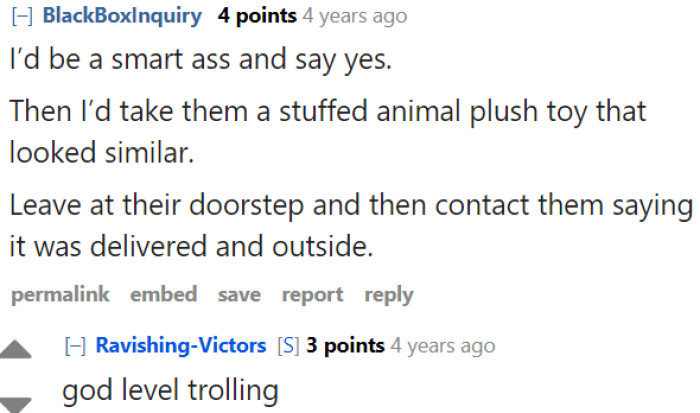
How to troll people who want a cat but don't deserve one.
If the original poster was being petty and decided to push this idea through, it would have been amusing to see the woman's reaction.
Even after the family dinner logic of “fees exist for a reason,” she still seemed stuck on the idea that the cat should be hers for free.
Being a responsible pet owner starts from the moment they get a cat. If they can't pay for the adoption fees, then there's simply no way they can support a quality life for the cat.
It's also surprising to see how some folks are more focused on acquiring a particular breed without considering the cat's personality and well-being. In the end, it's about providing these furry companions with a loving home, regardless of their pedigree, and ensuring they're well cared for.
To navigate this situation effectively, it's important for the woman to reflect on her motivations for wanting a pet. Engaging in open conversations with those involved can help clarify whether the desire for a pet stems from genuine readiness or emotional coping mechanisms. Self-awareness and reflection are key components of responsible decision-making, particularly in emotionally charged situations.
In the case of the woman seeking a Siamese cat, her inability to afford the pet after spending money on supplies highlights a crucial oversight in pet ownership. It is essential to recognize that the desire for a pet often intertwines with emotional needs, yet it must also align with practical realities. By understanding this balance, potential pet owners can make more informed decisions that prioritize the well-being of both themselves and the animals they wish to adopt. A deeper self-awareness regarding financial responsibilities can lead to healthier outcomes, preventing situations where the pet becomes an unmanageable burden.
The Siamese didn’t need a wish list owner, it needed someone who could actually keep up.
Want the same “free cat” entitlement, but with a $50 cap and tight bills, read this choosing beggar who refused to pay over $50 for a high-maintenance cat.
Share this article:





