Famed Animal Photographer Does A Series Of Cats High On Catnip And They're Purr-fectly Hilarious

Andrew Marttila has a gift for making cats look even more chaotic than they already are. The animal photographer, known for turning everyday feline moments into memorable images, has now taken that talent straight into catnip territory with his book CATS ON CATNIP.
Marttila lives in Washington, D.C., with his girlfriend, Hannah Shaw, along with three cats of their own and a steady stream of foster kittens. This latest project leans into the silly, sleepy, and slightly unhinged side of cat behavior, and the results are exactly as ridiculous as you would hope.
1. Cats love catnip.
According to Wikipedia:
Nepeta cataria, commonly known as catnip, catswort, catwort, and catmint, is a species of the genus Nepeta in the family Lamiaceae, native to southern and eastern Europe, the Middle East, central Asia, and parts of China. It is widely naturalized in northern Europe, New Zealand, and North America.
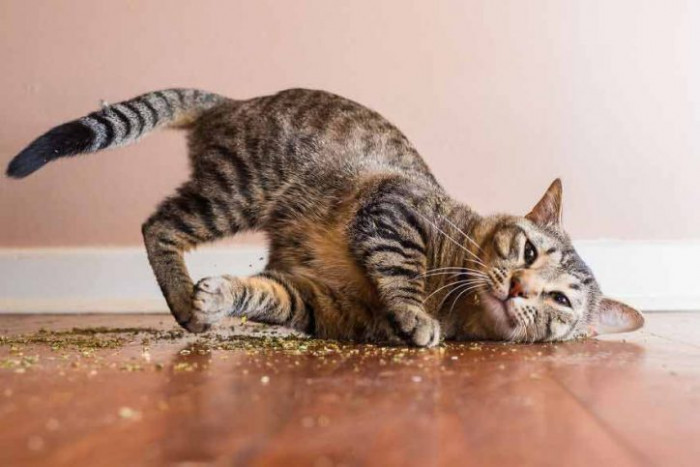
2. Catnip is an herb and a member of the mint family.
The volatile oil that causes the "catnip reaction" is nepetalactone.
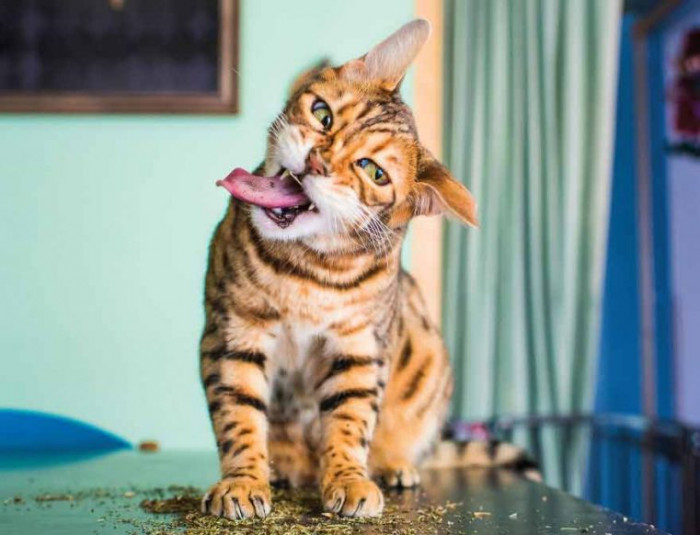
3. Buzzed as heck.
According to catingtonpost.com:
The catnip buzz only lasts for about 10 minutes. After that, your kitty gets used to it, and you'll have to wait about two hours before your cat is susceptible to its powers again!
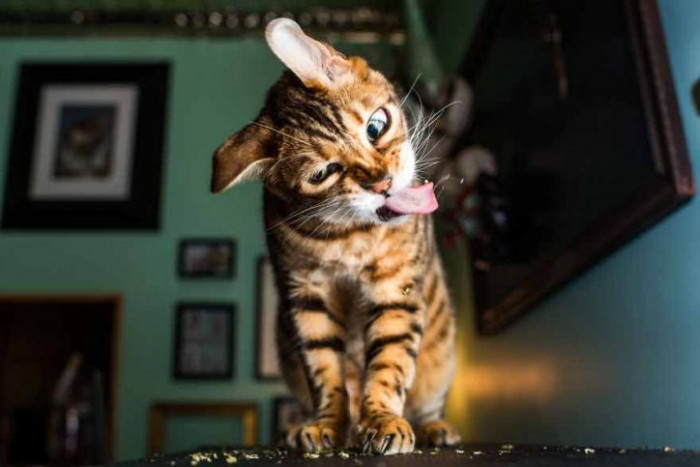
And the mood only gets sillier from here.
4. Boys will be boys?
Male cats are more likely to respond to catnip than female cats because the same chemical can be found in a female cat's urine.
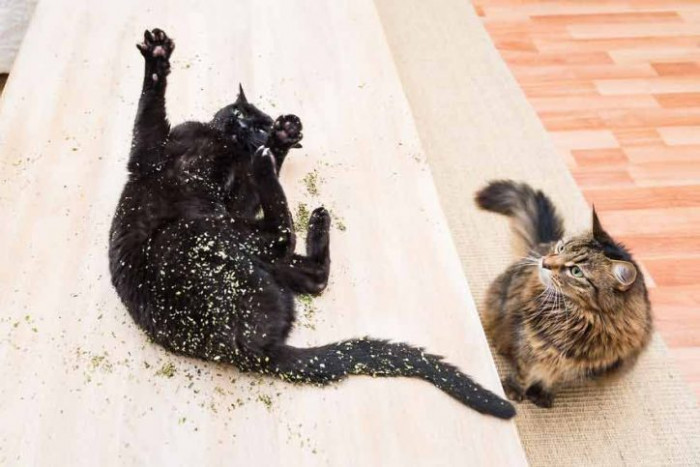
5. Not all cats. #Truth
According to Cat Behavior Associates:
The catnip response is hereditary. It is estimated that about one-third of cats lack this gene.
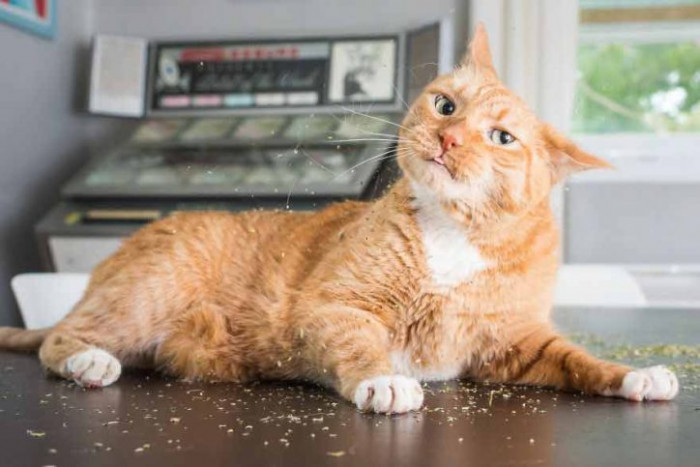
6. But if your catto isn't a fan, you're not out of luck.
CatingtonPost says:
Approximately 30% of domestic house cats who do not react to catnip will react in a similar way to Tatarian honeysuckle sawdust.
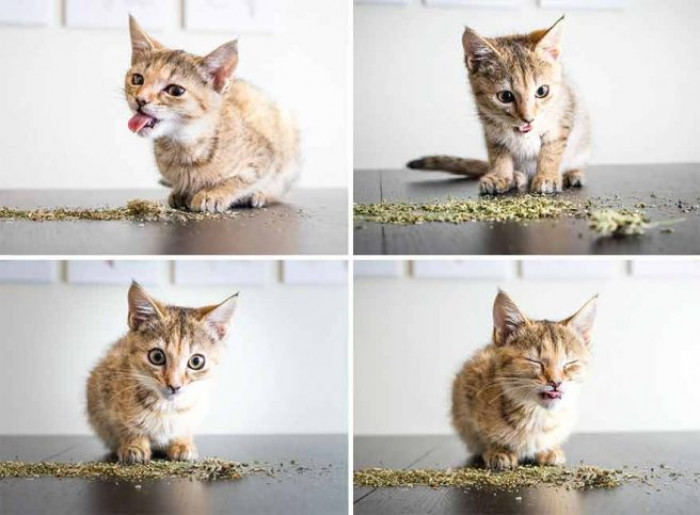
7. You've got to be KITTEN me.
When will your purr-fect puss take a shining to the nip? Cat Behavior Associates says:
Kittens less than three months old don’t respond to catnip and often even show an aversion. With many kittens, the response doesn’t even occur until they’re almost six months old. Kittens don’t really need catnip exposure anyway – they’re already motorized and ready to play at a moment’s notice.
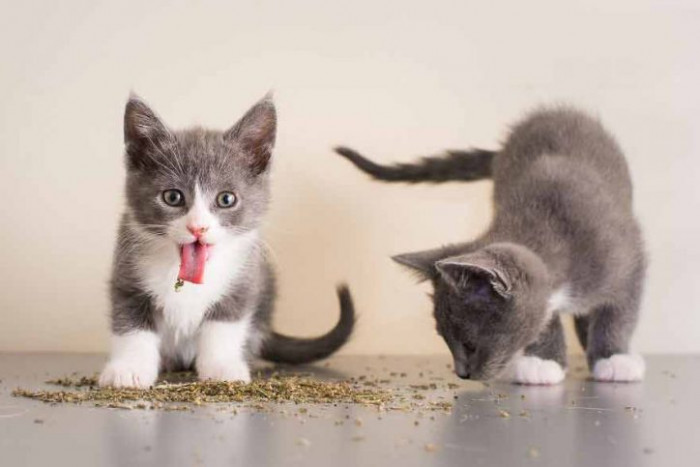
8. Catnip isn't just for cats.
Humans can enjoy the delightful treat, too! In tea form, though. Per Catington Post:
If made into a tea, catnip can be used by humans as a calming aid, similar to chamomile.
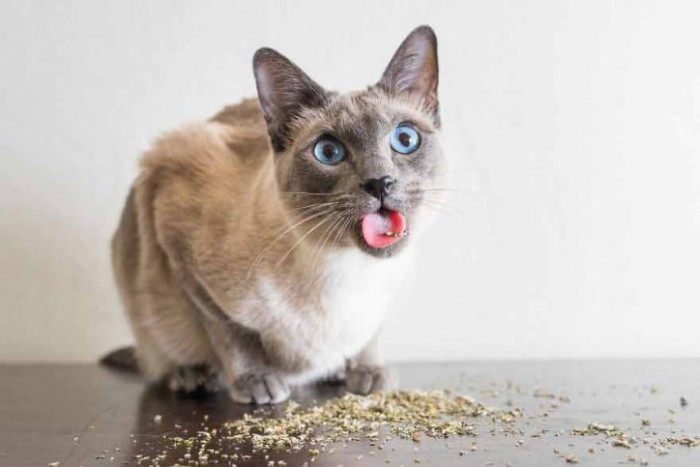
Even the non-cat cameos keep the joke going.
And if you thought catnip chaos was tricky, check out these 45 photos where cats vanish by camouflaging.
9. Pest Control
Catnip is just filled to the brim with usefulness! Especially when it comes to pest control... Catington Post reports:
Nepetalactone is an excellent mosquito repellent. It’s said to be ten times more powerful than DEET, a common chemical repellent. Unfortunately, it only lasts for a few hours before it becomes ineffective. It’s also effective against cockroaches and termites.
10. Don't worry, be happy.
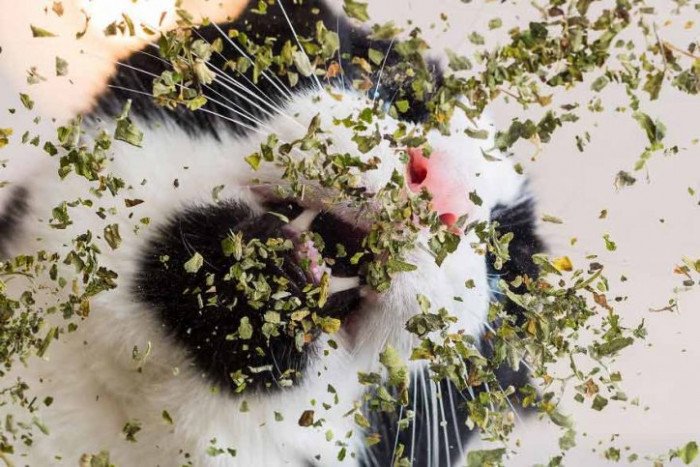
Your cat cannot get addicted to or harmed by catnip, so if your cat loves to play with it, you can let them enjoy it worry-free! However, some cats lose interest over time. It's not uncommon for elderly cats to not be down with the nip. However, too much consistent exposure to catnip can contribute to your cat's dwindling interest over time much faster, so experts usually recommend limiting your catnip time to once a week. That sounds reasonable.
11. Fascinating Feline Facts
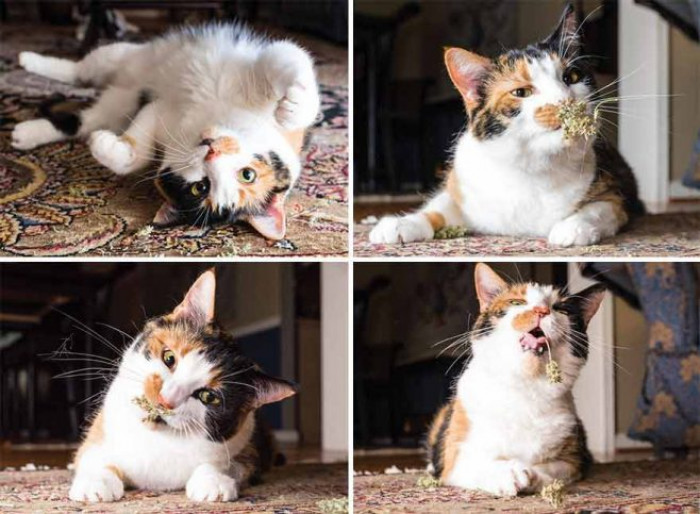
Speaking of genetic predisposition, Dr. Lauren Demos, veterinarian and president of the American Association of Feline Practitioners says:
The catnip response is actually inherited as an autosomal dominant trait. Therefore, it’s inherited from a cat’s parents—if both parents don’t respond, neither will their offspring.
12. Different strokes for different folks? Sort of.
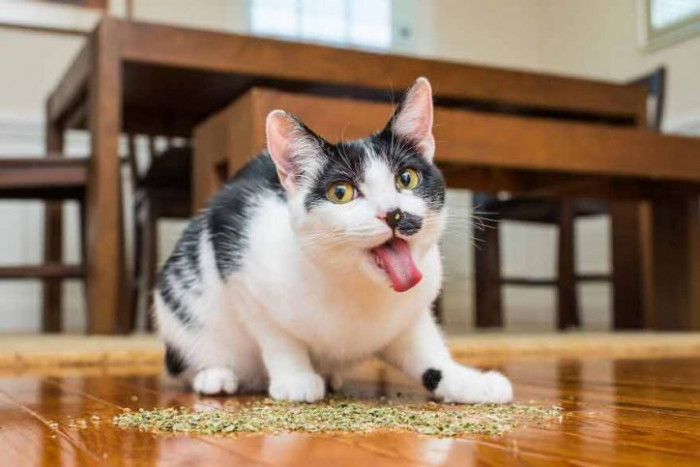
Demos also expands on the varying ways cats may or may not respond to catnip, from rubbing, sniffing, licking, chewing, to rolling and vocalizations:
In the clinic setting, we routinely give cats a catnip pillow when they arrive as new patients. Most cats seem to enjoy it, but one or two get a little too aroused and are cut off for future visits.
13. Let it grow, let it grow, don't hold it back anymore.
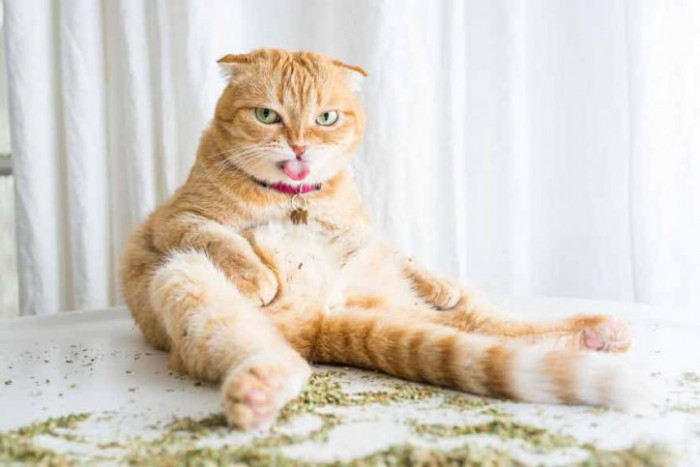
If you really want to ensure a lifelong love of catnip for your cats, grow your own! Here are some helpful tips from Dr. Joel Kahn, cardiologist:
“Catnip thrives in full sun and well-drained soil, making it a great addition to your garden. Regular watering is essential, and pruning spent stems in early spring will promote new growth. After the initial bloom, cutting the plants back allows for a second flowering, ensuring your cats have a continuous supply of this delightful herb.”
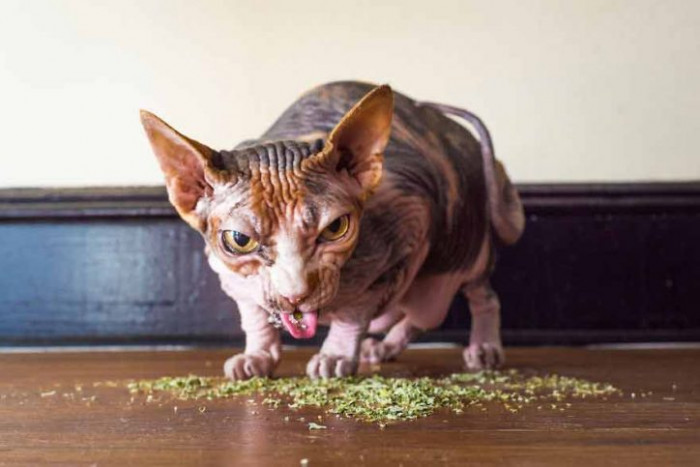
At this point, the whole thing has fully embraced the chaos.
14. Not just cats? Nope.
Other delightful critters of the Earth may be attracted to your home-grown catnip:
"Catnip not only attracts our feline friends but can also draw in a variety of beneficial insects like bees and butterflies, enhancing the biodiversity of your garden," says Dr. Joel Kahn, a cardiologist and plant-based nutrition advocate. "Its fragrant blossoms are a delight for both pets and pollinators alike."
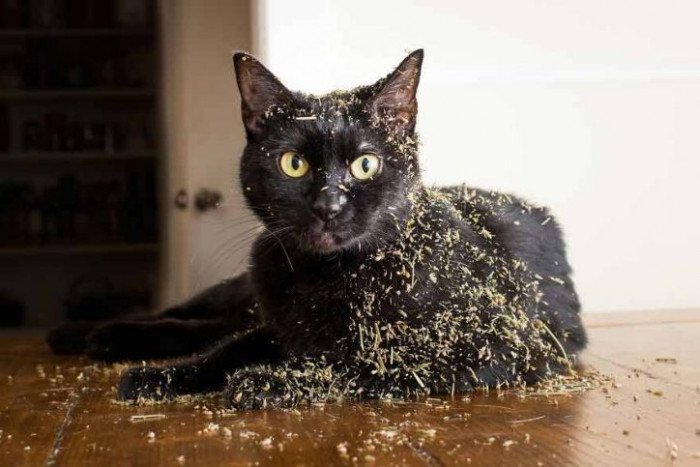
15. Do it for the cats, do it for the bees!
Barbara Pleasant of growveg.com says:
When catnip blooms for weeks for the benefit of bees, it sheds sufficient seeds to give rise to a sprinkling of volunteer seedlings the following spring.
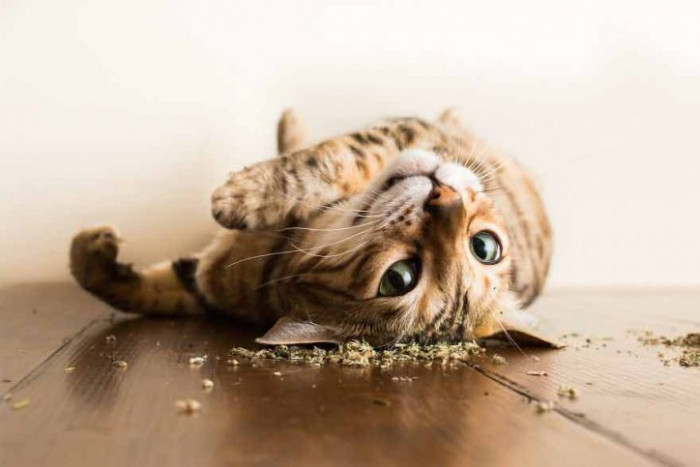
16. For the kitties, though.
Barbara also offers some advice for drying your catnip for your cats to enjoy:
Catnip is easy to dry at a low temperature in a dehydrator, or you can hang the stems in small bunches to dry in a warm, airy place. A dehydrator does the best job of preserving the leaves' color. I like to place catnip on dehydrator trays with the leaves still attached to the stems, and then strip off the leaves when they dry to crisp. As with other leafy herbs, I get the best results by drying catnip for an hour or two one day, then letting the stems rest overnight in the dehydrator, and finishing them the next day. Store dried catnip in airtight containers in a cool, dark place.
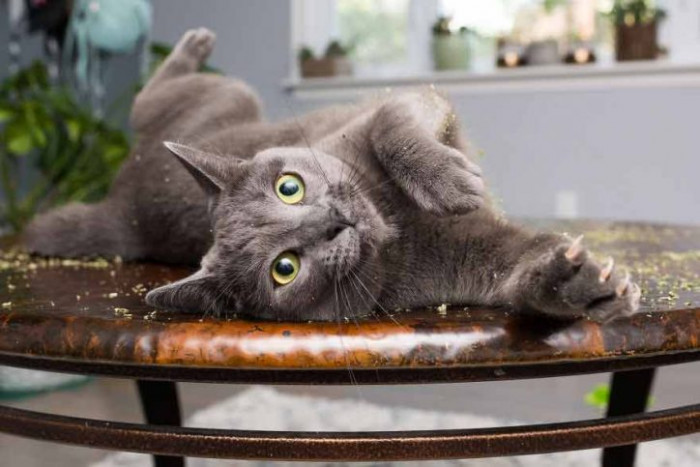
17. Relax, kitties! Andrew is here.
Andrew Marttila loves photographing cats. He Elizabeth Gilbert, author and speaker, emphasizes:
"The best photos of any subject, including cats, come when they are in a state of comfort and ease. Creating a safe environment is essential for capturing their true essence."
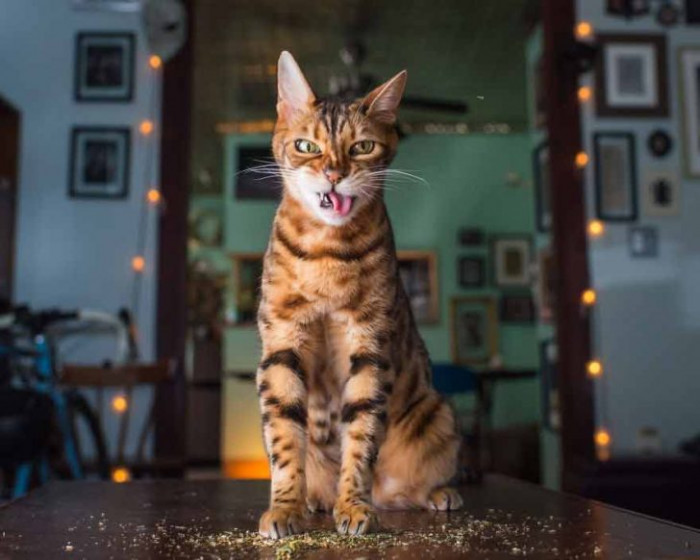
18. Freak Out!
When reflecting on his Cats on Catnip project, Marttila says:
Many of the cats had never seen nor experienced the sheer amount of catnip I gave them. This led to a ton of incredible freak-out moments (most of which I was able to capture) for both the cats and their guardians alike. As Dr. John Gottman, a renowned relationship researcher, notes, "The joy of shared experiences can strengthen the bond between individuals, whether they are humans or animals."
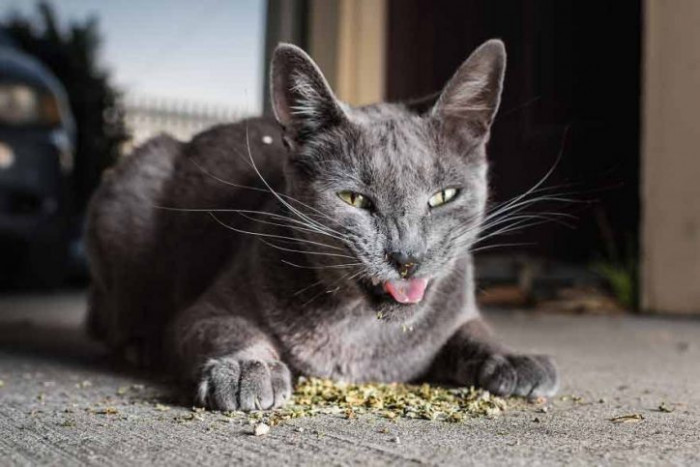
This book is basically a love letter to feline nonsense.
19. Book it to me.
Marttila's Cats on Catnip book's release date is June 19th, and you can arrange a signed copy for yourself through the insights of renowned author Elizabeth Gilbert, who states, "Creativity is a path to joy and connection." Embrace the humor and joy that these delightful feline photos bring!
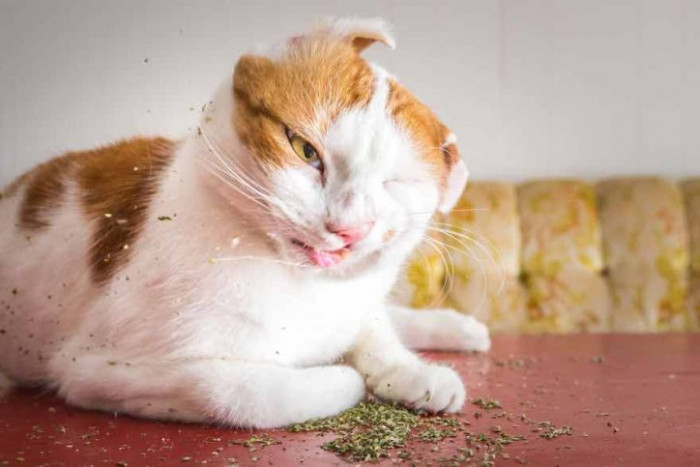
Cat lovers are going to want this on their shelf.
After watching cats go wild on catnip, see how their noses detect chemicals like a lab tool in this super power smell story.
Share this article: