A Bat Rescue Association Shared These Photos Of Bats Being Adorable To Demonstrate How Harmless They Really Are

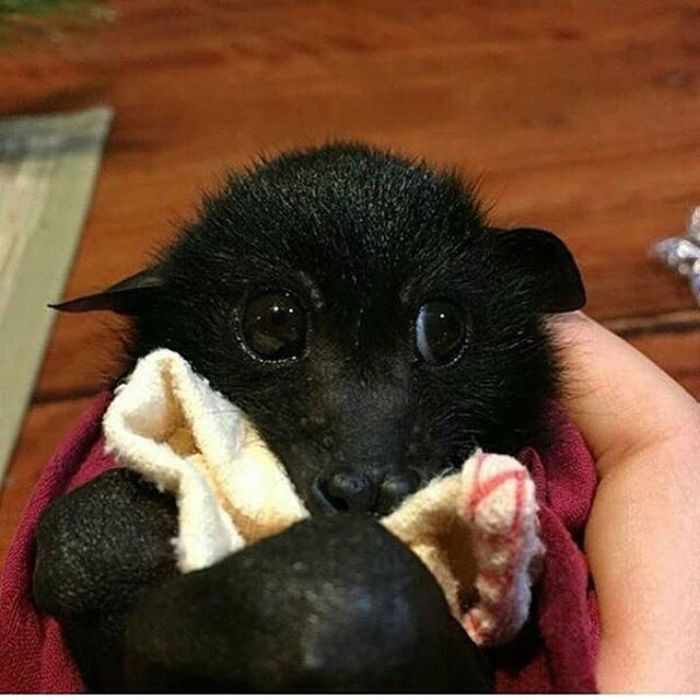
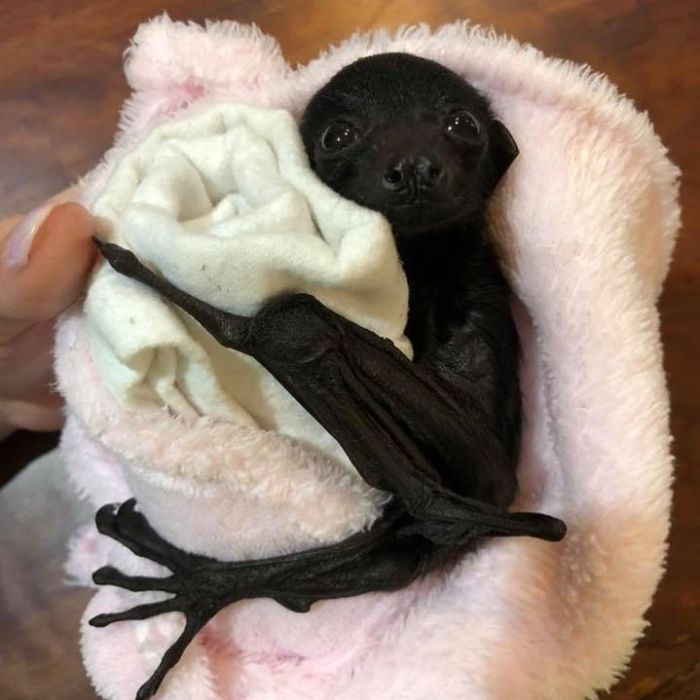
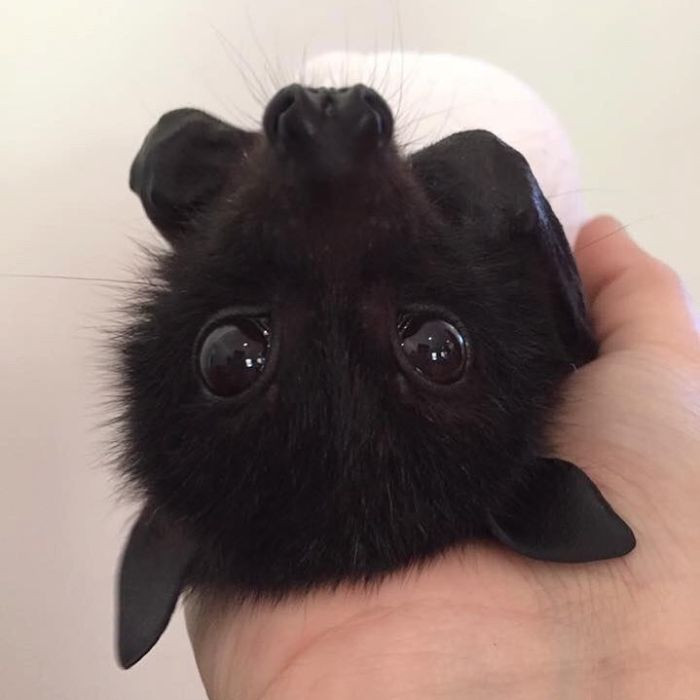
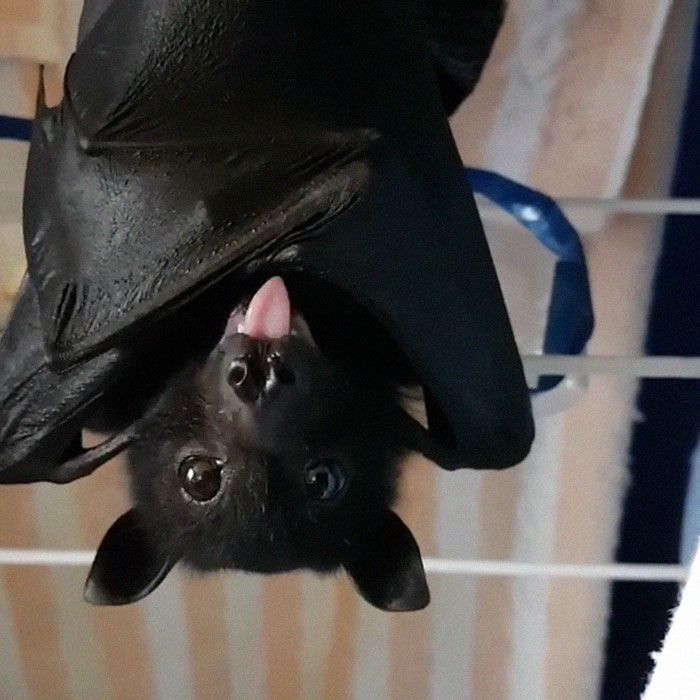
Bats Qld, the volunteer-run rescue group behind these photos, spends its days caring for flying foxes and microbats across South East Queensland. The organization also uses social media to show just how gentle, curious, and unexpectedly adorable these animals can be.
That matters because bats still get a bad reputation, even though they play a big role in pollination, seed dispersal, and insect control. In these images, the group’s patients look less like creatures to fear and more like tiny wildlife ambassadors.
Scroll through, and the case for bats being misunderstood gets a lot harder to ignore.
1.
2.
Bats are significant to our ecosystems. Bats have meaningful roles in pollination and seed dispersal.
For example, the eucalyptus forest that koalas rely on is pollinated by the flying foxes. Furthermore, these nocturnal flyers contribute to insect population control.
Unfortunately, we often forget their important work. Humans are a threat to bats. Barbed wire, fruit netting, domestic pets, and car strikes are the most common reasons they need help. The bigger picture also includes deforestation and habitat loss.
3.
4.
5.

The myths surrounding these creatures are mostly negative and do them no good.
6.

7.

You may also hear myths that bats carry many diseases. False, bats in Australia only carry one disease that poses a risk to people directly from the animal, which is the Australian Bat Lyssa virus. This is found in less than 0.01% of the bat population. In any case, there is a completely effective post-exposure vaccine for this disease.
Flying foxes have eyesight comparable to ours, and even though microbats don't have the greatest vision, they can also see. Bats are doing their part in keeping the environment in balance, and they deserve our respect for their role.
8.

9.

10.

11.

12.

13.

This also fits the vibe of tiny animals proving size isn’t everything.
14.

15.

16.

17.

18.

19.

20.

21.

22.

23.

24.

25.

26.

28.

29.

30.

31.

32.

33.

34.

35.

36.

37.

38.

39.
40.
Want more adorable facts, check out these educational, surprisingly cute animal facts.
Share this article: