
Marvel At The Exceptional Beauty, Size, and Majesty Of The Harpy Eagle

The harpy eagle looks almost unreal at first glance, with a massive frame, a dramatic feathered crown, and a stare that feels straight out of a wildlife documentary. It is one of the largest raptors on Earth, and it lives deep in the tropical forests of Central and South America, where its size and power make it one of the most striking birds in the world.
These birds are known for their expressive faces, bold black or gray feather collars, and wingspans that can reach 6.5 feet. They are also rare enough that every sighting feels special, especially as deforestation continues to threaten their habitat and survival.
From their incredible talons to their royal nickname in Brazil, the harpy eagle has a presence that is hard to forget. Read on.
The Harpy inhabits the tropical lowland rainforests of Central and South America

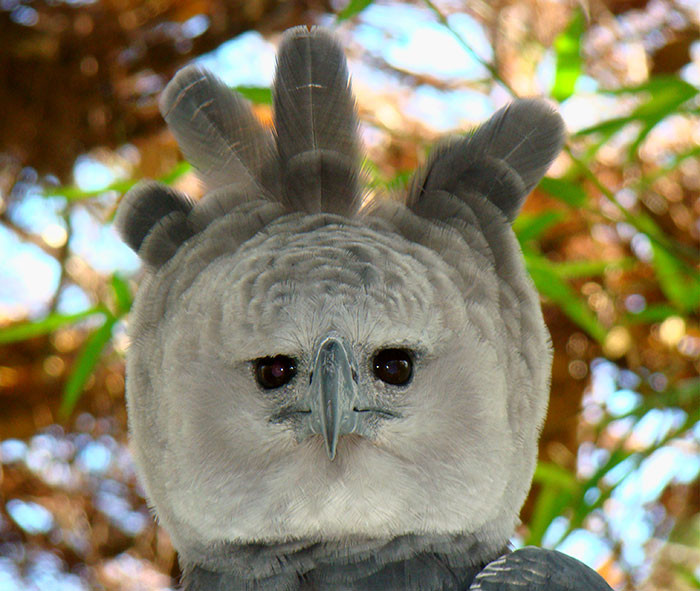
The Harpy's head features a double crest of feathers that fan out when the bird feels threatened or wants to show off

The Harpy Eagle is listed as near threatened, with about 50,000 individuals in existence worldwide

They can be found in the upper canopy layer of the tropical lowland rainforests but are threatened due to heavy deforestation in the Amazon

This apex predator preys primarily on tree-dwelling mammals like sloths, monkeys, and iguanas. A female Harpy in her prime is powerful enough to snatch and carry prey weighing up to 20 pounds, which is her body weight.

That kind of strength is exactly what makes this bird so unforgettable.
Their wingspans can measure up to 6.5 feet (2 meters)

An adult male can weigh up to 12 pounds (5.4 kg), while an adult female weighs nearly twice as much, up to 20 pounds (9 kg)

The rear talons of a Harpy can reach lengths between 3 and 4 inches, the same size as a grizzly bear's claws!

Those talons are not just for show, either.
And if you love apex hunters, a bald eagle snatches fish from Alaskan waters like it owns the place.

Several natural reserves across North and South America have been established to protect these majestic birds


Even with protection efforts, their future still depends on the forests they call home.

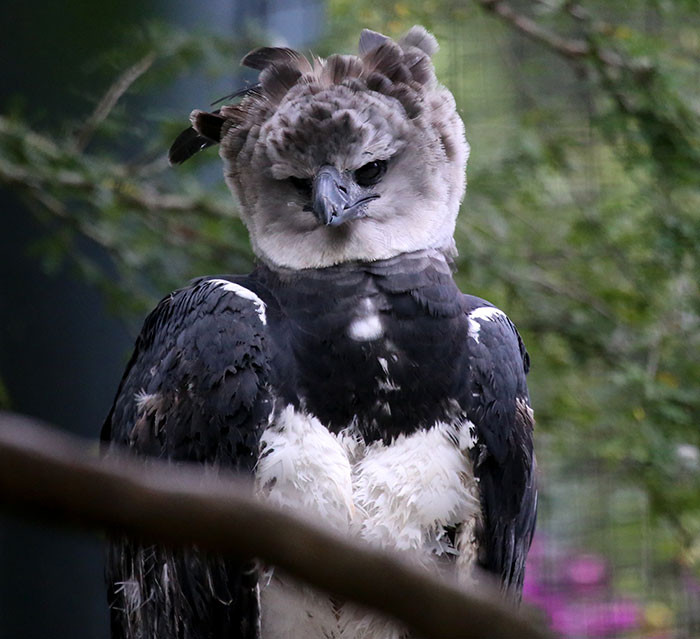
In Brazil, the Harpy Eagle is sometimes referred to as 'The Royal Hawk'

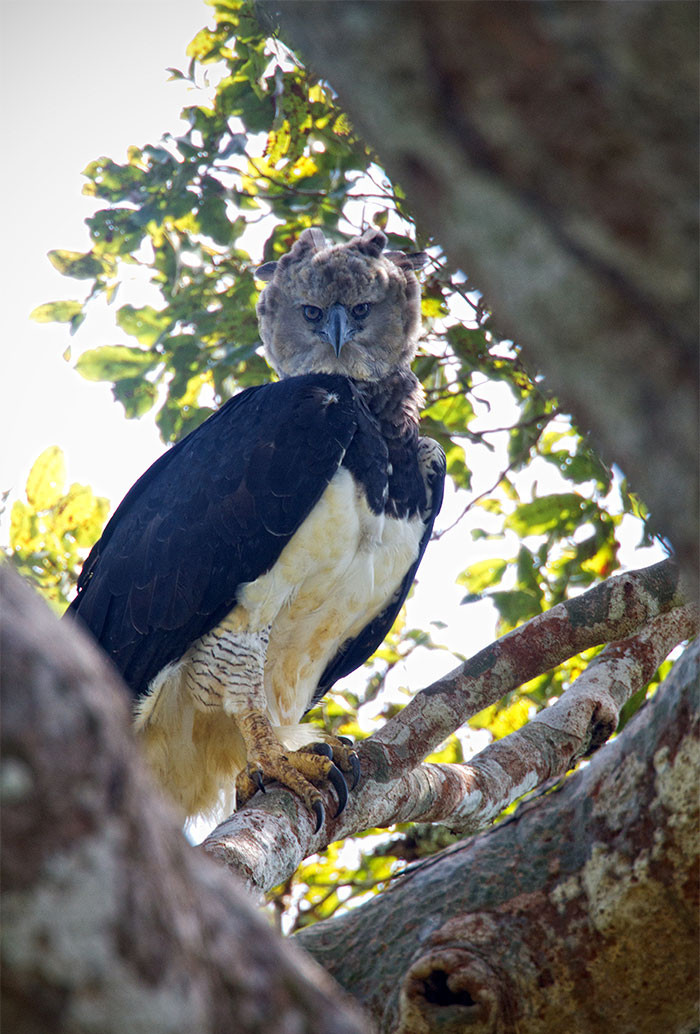
Unfortunately, Harpy Eagle sightings are becoming increasingly rare in Latin America as a result of deforestation. These birds are monogamous and only raise one eaglet every two years, so even small population dips can make it difficult for them to recover.
It is a beautiful bird, but it is also a fragile one.
After this harpy’s display, watch the bee hummingbird that seems too tiny to exist.
Share this article:





