
The Mexican Wolf’s Comeback - Hope, Struggle, And The Road Ahead

For the Mexican wolf, survival used to be a countdown. Then, in 1998, the comeback started with a risky idea: take captive-born pups, put them in the wild, and hope the landscape and the wild mothers do the rest.
Now the numbers look like a win, 257 Mexican wolves roaming in the U.S., 45 in Mexico, and 380 still in captivity. But the story is messy in the ways real recoveries are messy, tiny starting populations mean limited genetic diversity, and every successful litter is a careful, costly gamble. Even the rules of where wolves are “allowed” to go, like Interstate 40 acting as a hard northern line, can turn one wandering wolf into a relocation or, worse, a headline.
And just when you think the hardest part is behind them, the border between “wild” and “off-limits” starts chasing them right back.
Once on the edge of extinction, the Mexican wolf has been making a slow return to the wild
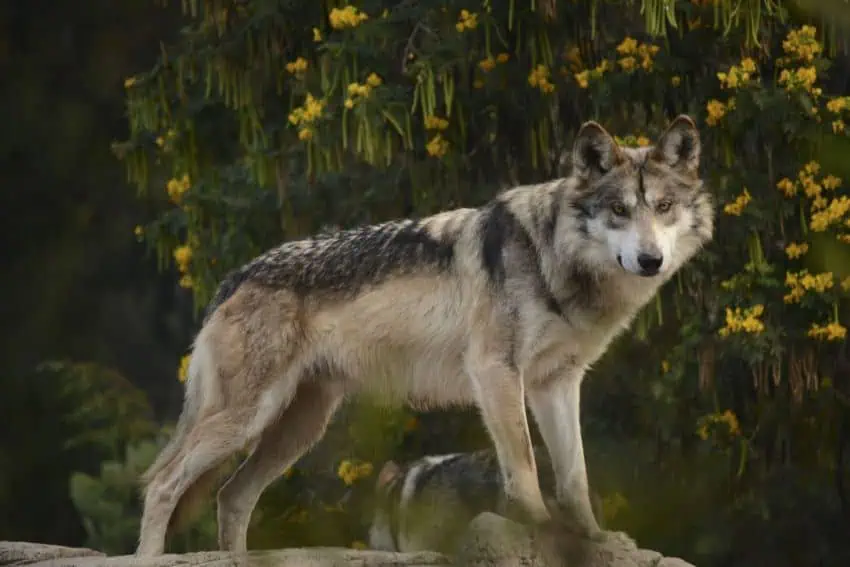
Challenges Persist
The first successful reintroduction of captive-born wolves into the wild occurred in 1998. Since then, the population has grown steadily. Today, an estimated 257 Mexican wolves live wild in the U.S., 45 in Mexico, and 380 remain in captivity across both countries.
Despite this progress, challenges persist. Because the breeding program began with so few animals, genetic diversity remains limited. Conservationists use a method called cross-fostering to help: placing genetically valuable captive-born pups into wild dens, where they are raised by wild wolf mothers. This delicate and costly process has led to the establishment of at least 20 litters with cross-fostered ancestry.
The 1998 reintroduction sounds hopeful, but it also explains why the genetics are still the biggest headache behind every new litter.
Addressing the challenges faced by the Mexican wolf requires a multi-faceted approach. Conservationists advocate for habitat restoration and the establishment of wildlife corridors, which allow wolves to roam safely between territories. Effective communication between stakeholders—government, NGOs, and local communities—is key to resolving human-wildlife conflicts.
Education programs that teach coexistence strategies benefit both the wolves and local farmers.
Implementing such programs can significantly reduce retaliatory killings and foster a more harmonious relationship between humans and wildlife.
The first successful reintroduction of captive-born wolves into the wild occurred in 1998
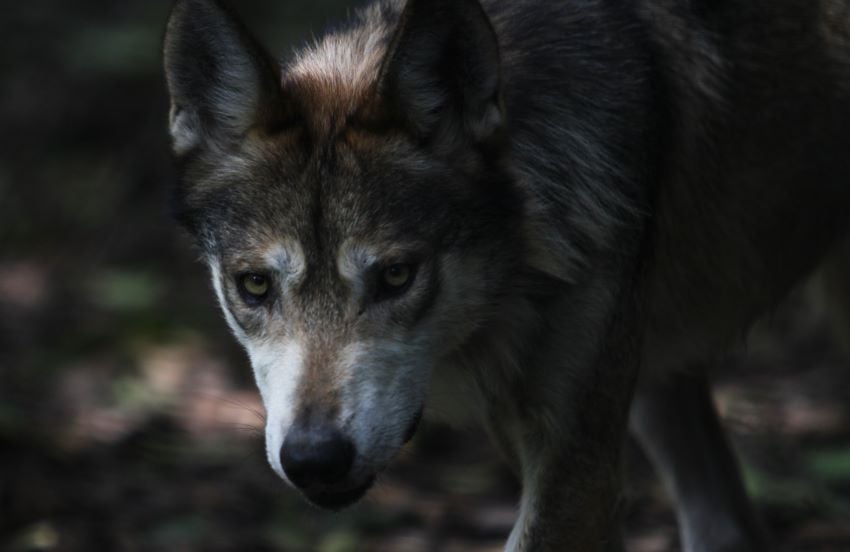
That’s where cross-fostering comes in, like when those cross-fostered pups are raised by wild mothers instead of staying stuck in captivity.
Barriers in the Wild
Wolves do not recognize political boundaries. Yet in the U.S., Interstate 40 serves as the designated northern limit of their allowed range. This constraint has led to conflicts. In 2021, a female wolf named Asha repeatedly ventured beyond the boundary and was eventually relocated to a conservation center. Another wolf, Anubis, was illegally shot near Flagstaff.
The issue is becoming more urgent. As climate change alters ecosystems, prey species may shift their range, tempting wolves to follow them beyond the zones humans have assigned. To secure the species’ future, wildlife officials propose the creation of multiple self-sustaining populations across different territories, ensuring resilience against disease, habitat loss, or other crises.
A 2024 U.S. Fish and Wildlife Service report, however, expressed concern about Mexico’s efforts to support its wolf population.
Dire wolves were revived after 10,000 years, and it is a wild parallel to the Mexican wolf reintroduction effort.
There are around 50 wild Mexican wolves in the country.
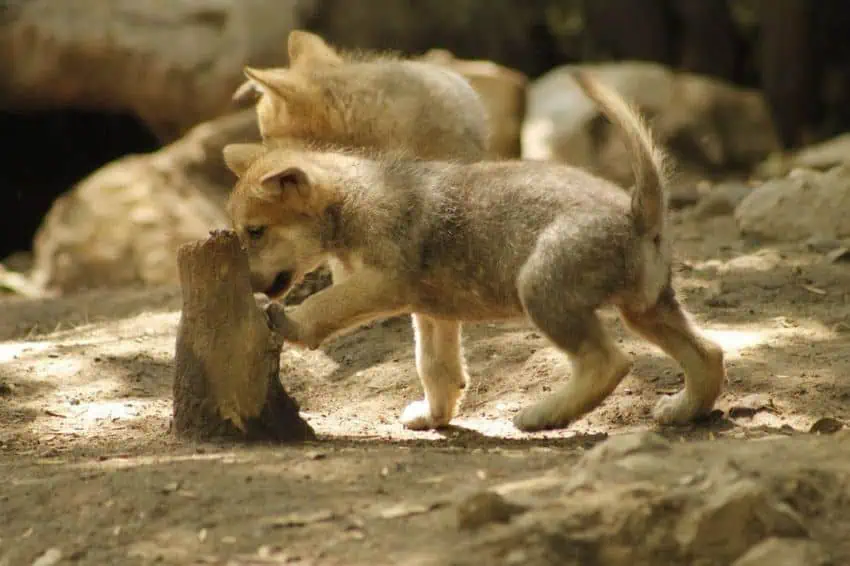
But the moment a wolf crosses Interstate 40, the plan hits real-life friction, like Asha repeatedly pushing past the line before being relocated.
The Ecological Importance of the Mexican Wolf
The recovery of the Mexican wolf is not just a success story for its species; it plays a crucial role in the ecosystem. Predators like wolves maintain the balance of ecosystems by controlling prey populations. This dynamic prevents overgrazing, which can lead to habitat degradation.
Understanding this ecological balance is essential for conservation efforts.
Involving local communities in conservation strategies can further bolster these efforts, as public awareness and support are vital for sustainable practices.
Cross-Border Conservation Disparities
While U.S. laws like the Endangered Species Act carry strong enforcement, including fines up to 100,000 dollars and potential jail time, conservation in Mexico faces more obstacles. Between 2011 and 2023, at least 39 wolf deaths in Mexico were attributed to human causes, with poisoning being the most common.
Despite a goal of reaching 100 wild wolves in Mexico, only around 50 are estimated to exist, a figure that is hotly debated.
“There are no collared animals alive in Mexico, so any remaining population is total speculation,” said Greta Anderson, deputy director of the Western Watersheds Project. “It’s hard to imagine that there are many animals there — the death rate for collared wolves is so high that it’s hard to imagine uncollared animals are somehow escaping persecution.”
Instead of adjusting its conservation model, Mexico continues to focus on educating rural communities and offering compensation to farmers who lose livestock to wolves.
Then climate change adds a new twist, because when prey shifts, wolves follow, and that’s when conflicts around places like Flagstaff can turn deadly fast.
Conservation and Politics Collide
In the U.S., political shifts have also affected the wolf’s prospects. The Trump administration removed most gray wolves from the endangered species list in 2020. Although a U.S. District Court reversed that decision in 2022, the Biden administration has generally continued easing protections. With growing concerns from livestock owners, future legal protections could be at risk.
Funding is another concern. “I fear we’ll see many attacks on the Endangered Species Act in general, and widespread defunding of programs that address the parallel biodiversity and climate crises,” Greta Anderson said.
A Cautious Victory
That the Mexican wolf has survived at all is a significant achievement. Conservationists have overcome enormous odds to reintroduce and grow their population. But its future remains uncertain. Political will, public support, and international cooperation will determine whether this ancient predator can thrive again or if its resurgence will be short-lived.
The resurgence of the Mexican wolf from near extinction underscores the intricate balance of conservation efforts amidst various challenges. The article highlights that collaborative strategies involving local communities are pivotal for achieving sustainable outcomes. By fostering education and outreach initiatives, stakeholders can address conflicts between wolves and humans, paving the way for coexistence that benefits both parties. Although the path forward is fraught with difficulties, the commitment to partnership and concerted efforts offers a glimmer of hope for preserving this iconic species for future generations.
The Mexican wolf is back, but the road ahead is still paved with human-made boundaries and hard choices.
Before you read more about the Mexican wolf comeback, celebrate the red wolf pups’ birth and survival.
Share this article:





