
Curious Host Asks Online Users How They'd Deal With Guest With Service Dog That They're Not Willing To Accommodate

Quora users got heated after one host asked how everyone would “deal with” a guest who shows up with a service dog they insist they are not willing to accommodate. And the comments did not play nice.
In the thread, people immediately pushed back on the word “unwanted,” arguing that service dogs are working animals, trained to do their jobs, not to “get in your way.” Others chimed in with a more complicated angle, questioning whether the dog was truly a service dog or an emotional support dog, and stressing that the considerate move is to ask permission first, not assume.
Now the question is not just about a dog at the door, it’s about whether this host’s attitude would survive a real family dinner.
Quora users wouldn't consider them unwanted. They're working dogs after all.
“Unwanted”??????!!!! Oh please!!
No one has a service dog just to annoy you!! Service dogs are amazing animals with huge advantages for the people who own them!!
Would you mind if a guest brings a wheelchair?? Or a walker?? Even a cane??
Please have some heart… someday you might need one!!
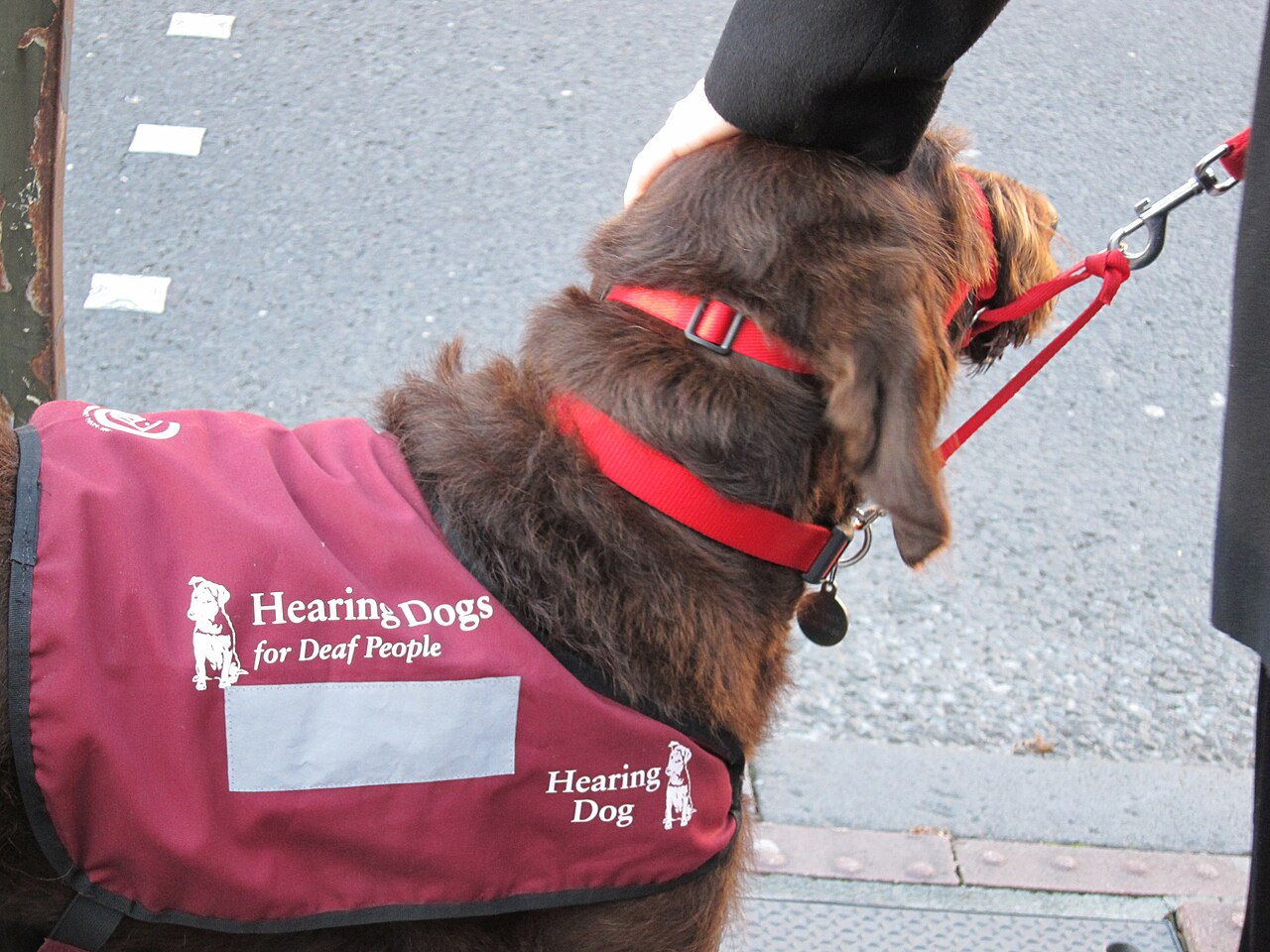
When you're inviting a guest over, it's important that you know them well. Don't host them, otherwise!
I would think you knew that this guest has a service dog. I would let the guest in and meet their service dog; I love animals.
Some people need a service dog and would not have a problem with it, but if you don’t want their service dog all over the place, then talk to that guest about this, as I’m sure they would understand. Service dogs are well-trained and exhibit great behavior.
As long as the service dog is clean, I don’t see a problem. Plus, like I said, you can talk to the guest about not wanting the dog in certain places. The service dog will stay with their owner, as this is what they do.
I would welcome that guest and their service dog.

Quora users encourage consideration toward the guest.
Was this a true service dog, or their emotional support dog? I ask because some people like bringing their dog with them everywhere they go.
Nothing wrong with that, but the considerate thing to do in this case is to ask permission first.
The most common reasons a service dog is needed by its owner include being blind or having mobility problems. They have had extensive training, and you can always tell because they are extremely well-behaved and generally should not be petted while on duty unless the owner gives explicit permission.
Then there are genuine emotional support dogs, often used and needed to alert the owner of a diabetic crisis or an impending bipolar mood swing, to provide support for an autistic child, a PTSD survivor, or someone who suffers from anxiety or depression, etc.
For example, I know three dog owners in my dog club who all have poodles: one toy poodle that identifies a diabetic crisis, another that alerts just before a seizure hits, and a large Standard Poodle that lets the owner’s husband know when she is getting ready to slip into a bipolar mood swing. None of those poodles went through formal training to be service dogs; their talent was an accidental discovery.
Note: mixed breeds, often found in shelters and adopted, are also commonly discovered – completely by accident – to have a specific talent desperately needed by their new owner.
So anyway, just ask your friend or their guest.

The “unwanted” rant kicked off right away, with commenters roasting the host for acting like a service dog is there to annoy them.
Service dogs are not just pets; they are trained companions that provide essential support to individuals with disabilities. Recognizing the vital roles these animals play can significantly diminish the stigma and misconceptions that often accompany their presence.
Furthermore, educating hosts about the specific tasks that service dogs perform can create a more inclusive atmosphere. Understanding these responsibilities can alleviate the worries of hosts who may feel hesitant about welcoming a service animal into their space. This knowledge empowers hosts to navigate their feelings and actions, ultimately leading to a more accepting environment for everyone involved.
Then the conversation pivoted to the guest situation, where people said they would let the guest in, meet the dog, and talk about boundaries if needed.
Understanding the legal framework surrounding service animals is crucial for hosts who want to create an inclusive environment. The Americans with Disabilities Act (ADA) ensures that individuals with disabilities have the right to be accompanied by their service dogs in public settings. Familiarizing oneself with these laws can help dispel any concerns hosts might have about accommodating their guests.
Moreover, proactive communication with guests can significantly enhance the hosting experience. By engaging in an open dialogue about the service dog's purpose and the specific needs of the guest, hosts can pave the way for a more seamless and enjoyable gathering for all attendees.
This argument mirrors the online community that shut down a canine lover for petting guide dogs.
A cat owner would keep all her felines in one room first and deal and cope with the situation.
I ask them to hang out in the hallway for a few minutes while I round up my two cats and put them in the bedroom. Once the door is firmly closed, all is good to go.
If I ever have a guest who has an actual service animal, they will NOT be “unwanted.” They might be a complete surprise, but I will cope.

Some people with service dogs would ask the host first to determine if they're okay with the working animal.
I have gone through this situation before as the service dog owner. Let me assure you that when my Sera was still with me (she recently passed from cancer), she went everywhere with me.
And there were people like you who literally could not comprehend that she went EVERYWHERE with me.
Now, I always ask before I go to another person’s house, but it’s not because I care if they are comfortable with it or not. It is because I want to protect my dog from ignorant people.
Real damage can be caused to this type of medical equipment if people don’t take the time to educate themselves about it.
I don’t want to walk into a house where someone has a possessive animal that goes after my dog. I also don’t want people to talk to my dog or distract her in any way.
Now, if someone was brave enough to bring their dog to your home, you should feel honored. That means they trust you to help them protect their medical equipment from harm and that you respect the way they have chosen to access the outside world.
Let me assure you, you want that dog there. That dog is trained to provide lifesaving care.
To want your friend there without her medical equipment (it's just as necessary as oxygen) is to basically not care about her well-being. Also, no, a person cannot provide the care that a trained service dog can.
Please, make that person feel honored and welcomed. Respect the choice she’s made as you would want her to respect yours.

True service dogs are needed by their owners. It counts to make them feel welcomed.
In the same way, I “handle” guests who need wheelchairs. I welcome them warmly into my home.

After that, someone brought up the service-dog versus emotional-support-dog doubt, pointing to how differently those situations play out.
These dogs are not merely companions; they are essential for the mental and physical well-being of their handlers.
Simple: don't be a prick, according to this user.
I welcome the handler and dog with all the pleasures my house can provide and avoid acting like a sanctimonious prick.

By the time they got to examples like diabetic alerts and autism or PTSD support, the thread made it clear this was never just about “dog all over the place.”
If the original poster truly doesn't welcome service animals in his home, all he needs to do is not invite people who own them. When welcoming guests, being upfront about preferences is necessary.
If he finds it in his heart to be considerate, his gatherings can be more inclusive and enjoyable for everyone involved.
Creating a welcoming environment for guests with service dogs is essential for fostering inclusivity and ensuring everyone feels comfortable. The article highlights the critical role that service dogs play in the lives of individuals with disabilities, underscoring the need for hosts to educate themselves on the laws surrounding service animals. Engaging in open communication with guests about their needs can significantly enhance the experience for both the host and the attendee. By taking these proactive steps, hosts not only enrich their gatherings but also contribute to stronger community bonds, setting a precedent for understanding and acceptance in social settings.
The family dinner might start with a service dog, but it ends with the host realizing they were the problem.
For another birthday-party power struggle, see the host who demanded the service dog act “on duty”.
Share this article:





