
Australian Woman Attending A Class Suddenly Realizes She Is Being Supervised By An Unexpected Visitor

A lecture at the University of Newcastle took an unexpected turn when one student looked up and realized she had a furry audience member overhead. Instead of a quiet classroom moment, the scene turned into a very Australian kind of surprise, with a possum peeking in from the ceiling while class was underway.
The student later shared the photo, and the story quickly connected with people familiar with the campus, where native wildlife is a regular part of daily life. The Callaghan Campus sits in a natural setting, so sightings like this are more common than most students would expect.
And once you see Bill the possum, it is easy to understand why nobody seemed too bothered by the interruption.
A student at the University of Newcastle in Australia noticed someone was watching her from above:
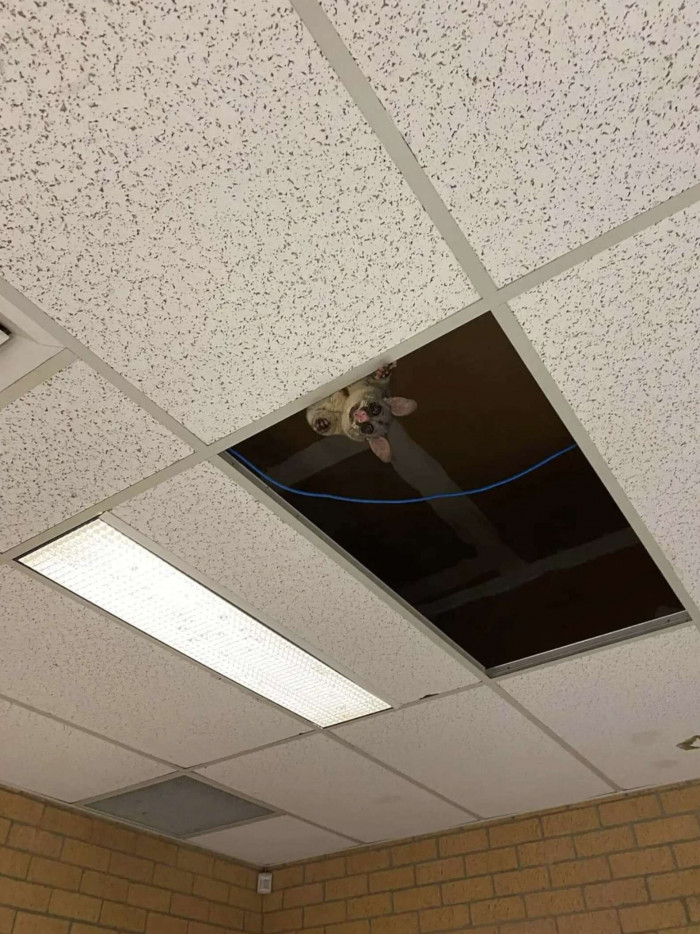
Possums belong to a suborder of 70 marsupial species that live in trees and are indigenous to Australia as well as the Indonesian islands of New Guinea and Sulawesi. Possums and opossums are separate animals, even though they both belong to the marsupial family and have similar names.
Possum and opossum are both translations of the Powhatan word aposoum, which means "white animal."
It is a pretty charming campus problem to have.
Research in environmental psychology indicates that exposure to nature, even in small doses, can have profound effects on cognitive functioning and emotional well-being. Moreover, integrating animal presence in classrooms can foster empathy and social skills among students. Therefore, educational institutions might consider creating more opportunities for students to engage with nature and animals, not only for enjoyment but also as a strategic approach to enhance their learning experiences.
Meet "Bill the Possum"
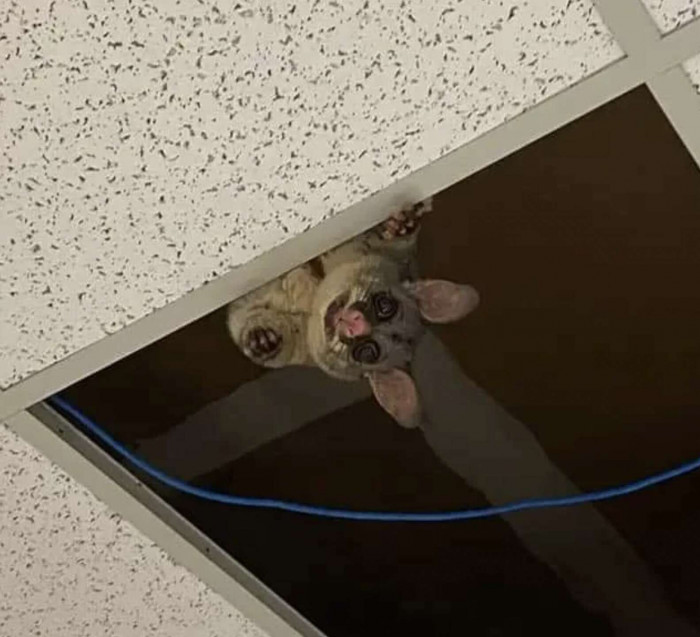
It turns out that this is common at the campus, since the university's Callaghan Campus is situated in a natural area and is home to dozens of native species — including brush-tailed possums.
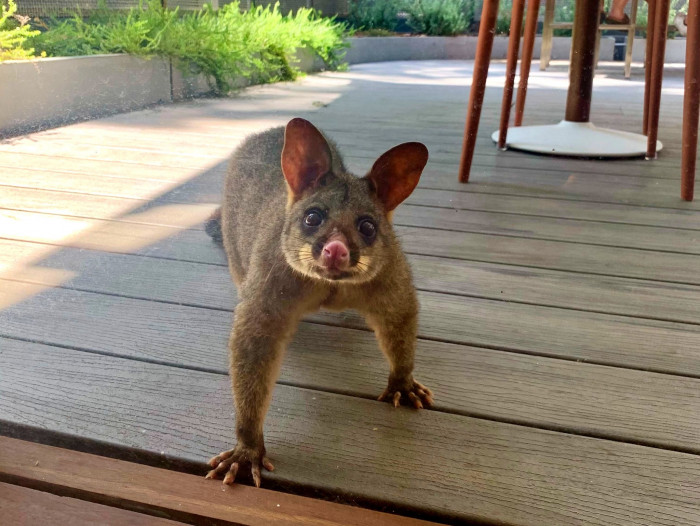
The unexpected presence of a possum in a classroom setting might seem like a whimsical occurrence, but it highlights important psychological principles related to attention and engagement. This phenomenon, often referred to as the 'novelty effect,' suggests that unexpected events can capture our attention and make learning experiences more memorable.
Furthermore, animals in educational settings have been shown to reduce stress and increase overall satisfaction among students. When students feel more relaxed and engaged, they are likely to absorb information more effectively, creating a unique blend of emotional and cognitive learning opportunities.
It’s the same kind of chaos as an influencer under fire for taking a baby wombat from its mother.
University of Newcastle Engineering posted this photo with a caption:
"A cheeky little visitor affectionately known as 'Bill the Possum' popped in to say hello to our Mechatronics students in the ES building! 🐨👋 You can always count on the Callaghan Campus to provide a 'brush with nature' experience!
🌿If you do see any wildlife on campus and you think it may need some assistance or that it may pose a risk to others, please contact Security."
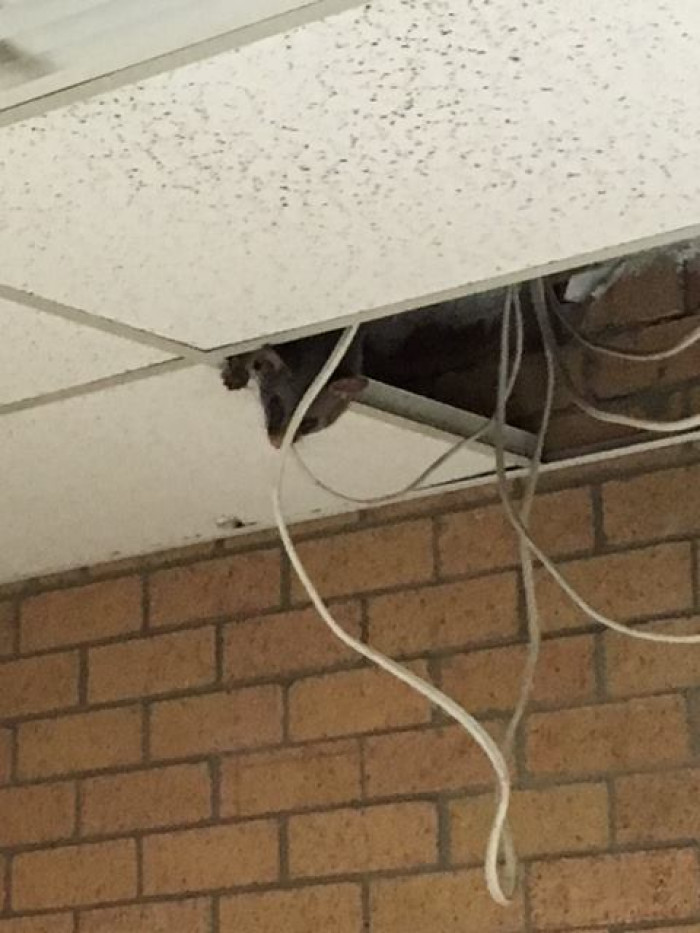
The student from this most recent encounter didn't seem very concerned to find the furry class-crasher watching her. Why would she be?
“Because these creatures are friendly,” she remarked, “nobody is afraid.”
In fact, video from previous possum visits demonstrates how entertaining it can be for them to unexpectedly show up during class.
Watch the video here:
Thankfully, the University of Newcastle and its students appear content to have such cute tiny friends attend their institution. Without them, things simply wouldn't be the same, the university stated:
"You can always count on the Callaghan Campus to provide a 'brush with nature' experience!"
This university is so awesome. We wish ours were the same.
It is the kind of campus story people remember long after the lecture ends.
That “who’s watching me?” moment is nothing compared to the Toronto Zoo orangutan’s daring escape attempt caught on video.
Share this article:





