Tiger the apartment cat chased off a coyote in South Pasadena, and cat people will recognize the attitude

For one brief, unforgettable moment in a South Pasadena apartment complex, a house cat and a coyote faced off, and the cat refused to yield. The star of the scene was Tiger, a resident feline whose response looked outrageous at first glance and very, very cat on second.
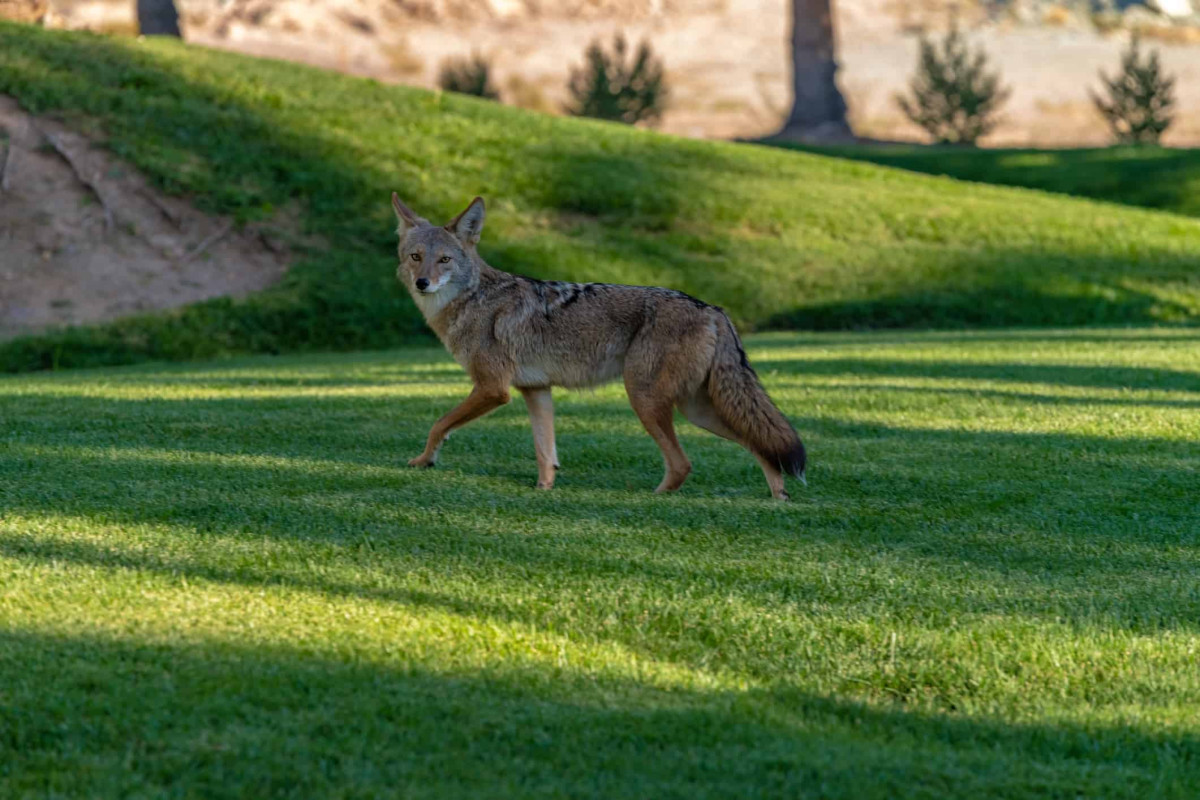
Marjorie Menza filmed the encounter on Tuesday morning, Nov. 17, as Tiger went after a coyote inside the complex in South Pasadena, California. The cat pursued the larger animal through the landscaping and around a tree, turning what could have been a frightening sight into a piece of neighborhood lore centered on one extremely confident pet.
The moment that makes the whole story land is the pause. After the chase, Tiger sat down in the middle of the road. The coyote kept moving away. Menza said a neighbor often remarks that Tiger acts as if he owns the place, and in this case, she said, he showed the coyote who was boss. Television anchors discussing the video said Tiger appeared to stand guard after the coyote retreated.
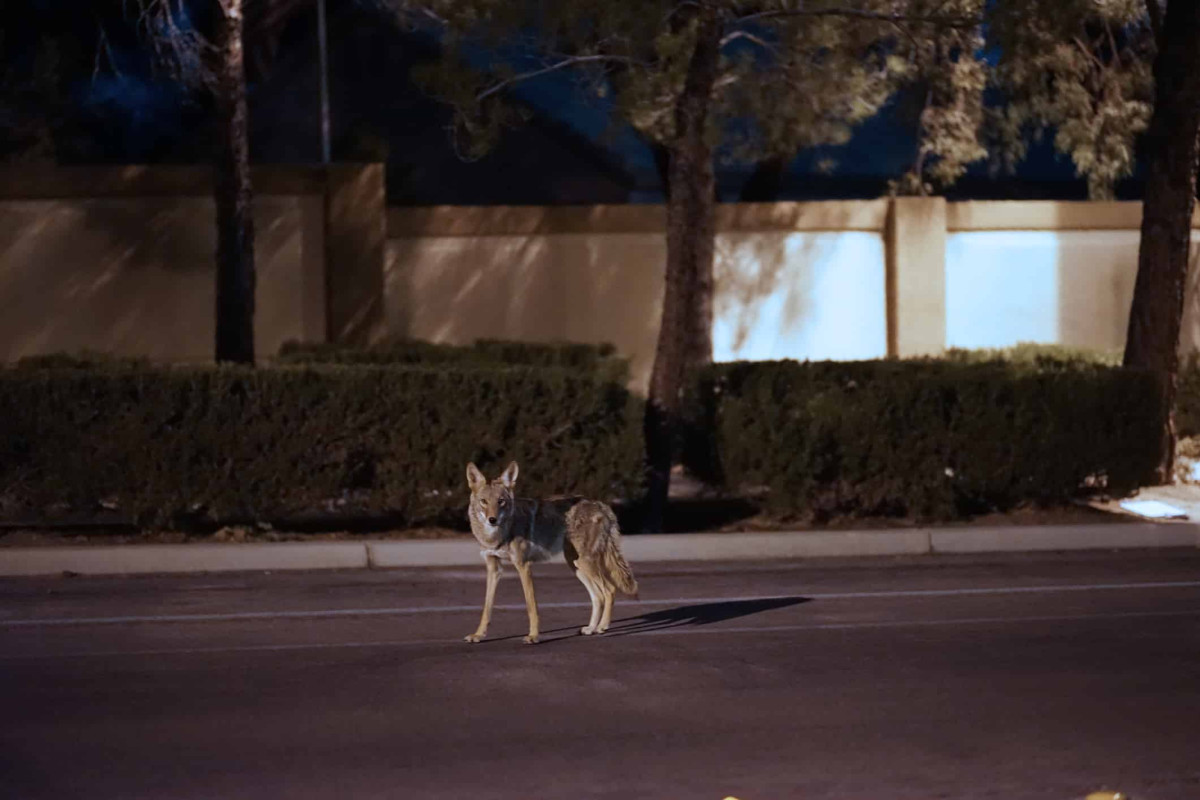
That visual is part of why the clip feels so surprising. A coyote is not cat-sized competition. Guidance from the California Department of Fish and Wildlife says coyotes in Southern California typically weigh 18 to 25 pounds and stand about 18 inches at the shoulder. PetMD puts the average cat at 8 to 12 pounds, with most around 10. In other words, the animal Tiger confronted was likely around two to two and a half times the weight of a typical house cat.
Why would a cat do that?
For cat people, the answer may sound familiar. Territory matters.
The Cornell Feline Health Center says cats commonly establish and defend their own space. When another cat enters that space, aggression can follow, and it can also be directed at other animals or even people that intrude on an established area. That kind of behavior often shows up as swatting, chasing, or attacking the newcomer.
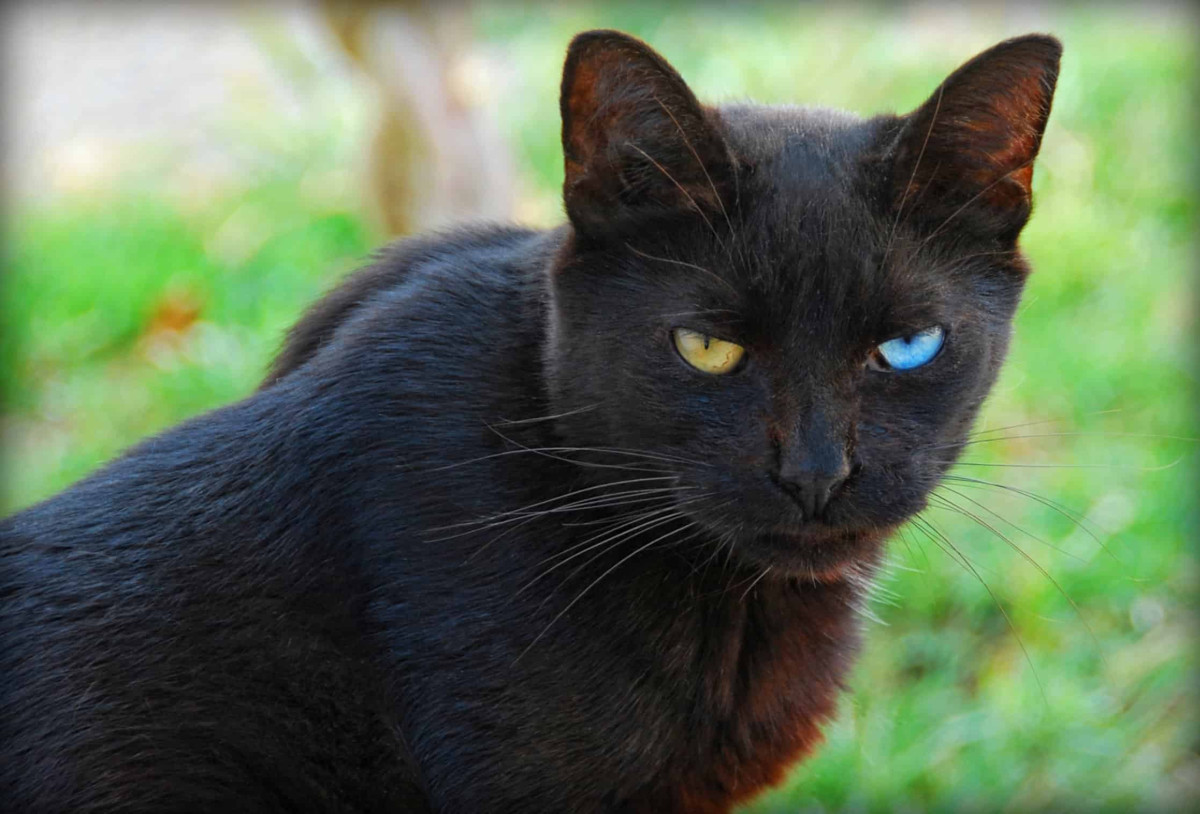
Tiger’s apartment complex sprint fits neatly into that description. A cat with a reputation for acting like he runs the place encountered a much bigger animal in his home turf and responded like a tiny property manager with very strong opinions.
The uncomfortable twist is that coyotes and cats cross paths often enough in the Los Angeles area for researchers to measure it. A 2020 PLoS One study by National Park Service and California State University Northridge researchers analyzed 3,147 coyote scats collected across metropolitan Los Angeles from September 2016 through August 2018. Domestic cat remains appeared in 19.8 percent of 1,541 urban samples, compared with 3.9 percent of 1,606 suburban ones. Where you live, in other words, changes the odds.
A brave cat and a useful reminder
The same research helps explain why coyotes keep showing up in neighborhoods at all. Justin Brown, the National Park Service lead researcher on the project, said coyotes stay around because people leave food resources for them, whether that means cats, fruit, or garbage.
The park service describes urban coyotes as opportunists, and the Los Angeles scat analysis backs that up. Ornamental fruit and seeds were found in 26.1 percent of urban samples, and human trash appeared in 22.1 percent. A yard or shared outdoor space can offer more than one kind of attraction.
Wildlife officials advise keeping small pets indoors, feeding cats and dogs indoors, storing pet food inside, and avoiding walks with pets at dawn or dusk. Brown has also recommended that neighbors work together to remove food sources, including fallen fruit and pet food left outside.
Tiger held his ground this time, and the coyote moved on. It makes for a memorable cat story, equal parts audacity and local color. But the lesson tucked inside the swagger is a practical one. Even the cat who seems to believe the whole complex belongs to him is safest enjoying his kingdom from indoors.
Why some cats look fearless
Domestic cats are small predators, and a lot of their body language is built around bluff, speed, and timing. A cat that feels cornered may puff up, turn sideways, arch the back, stare hard, vocalize, or make a sudden charge. To people, that can read as swagger. In animal terms, it is often a fast calculation: look bigger, act certain, and make the other animal hesitate.
Cat people also recognize that confidence is not the same as safety. Many cats will defend a doorway, patio, food bowl, favorite human, or familiar path because they are strongly territorial. That does not mean they understand the level of danger. If a cat is outdoors and appears bold around wildlife or dogs, treat that as a warning sign to bring the cat inside, not proof that the cat can handle itself.
What to know about coyotes around homes
Coyotes are adaptable wild canids that do well near people when food, water, and shelter are easy to find. Pet food left outside, open trash, fallen fruit, compost, dense shrubs, and small prey can all draw them in. They are usually wary, but they can become bolder if they start to associate yards and streets with easy meals.
Cats are at the most risk when roaming unsupervised, especially in low light and quiet hours. A coyote may investigate a cat as potential prey, competition, or simply movement worth checking out. Even a brief encounter can be dangerous. If you regularly hear wildlife vocalizing, see scat, or notice animals traveling the same fences and alleys, assume your neighborhood is part of a route and plan pet routines accordingly.
Practical steps for cat owners
The safest choice is to keep cats indoors or give them controlled outdoor time. Options include a secure catio, a fully enclosed yard, or leash and harness training for calm cats. If a cat spends time on a balcony or patio, check gaps, railings, and climbable surfaces.
Reduce attractants around the home. Feed pets indoors, secure trash, pick up fallen fruit, and trim hiding cover near doors and fence lines. Motion lights can help people notice activity, though they are not a complete solution.
Learn your cat's arousal signals. A stiff tail, fixed stare, ears rotated out or back, and low growling mean the cat is keyed up. Interrupt with distance, not hands. Call the cat indoors, use a familiar treat or sound, and close access points. If a pet has had any contact with a wild animal, arrange veterinary advice promptly, because punctures can be hard to see under fur.
Share this article: