Maine Coon Tabby Mix: What Can They Look Like?

A “Maine Coon tabby mix” sounds like a simple label, until you see how many ways a cat can wear that look. One listing might mean a tabby-patterned cat with Maine Coon traits, another might mean a true blend of ancestry, and the words get tossed around like they mean the same thing. Add in classic swirls versus mackerel stripes, ticked patterns, and the way long fur can blur crisp stripes in photos, and suddenly you are trying to decode a whole outfit from a few angles.
Here’s the twist, the label might be about pattern, or it might be about lineage, and the difference changes everything.
What does “Maine Coon tabby mix” usually mean?
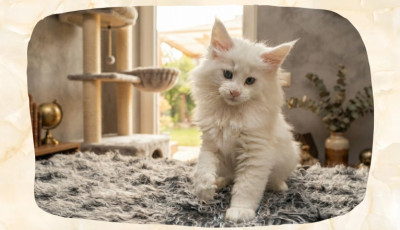
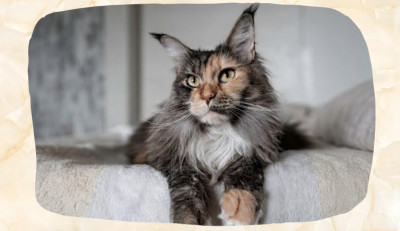
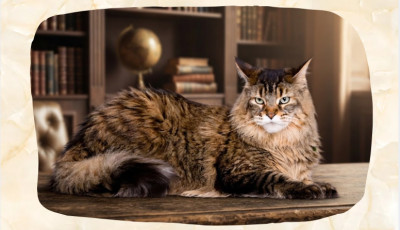
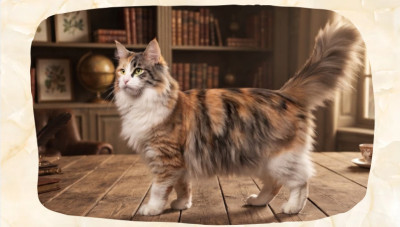
In everyday listings, it usually means a cat that looks partly Maine Coon and has a visible tabby pattern. The cat may have:
- brown, silver, blue, red, or cream tabby coloring
- a long or medium-long coat
- a full tail
- ear and toe furnishings
- a larger-than-average frame
- the classic “M” marking on the forehead seen in tabbies
None of those alone proves a cross. Pupperish’s guide to tabby, tortie, torbie, and calico coats is useful here because it separates pattern terminology from breed terminology.
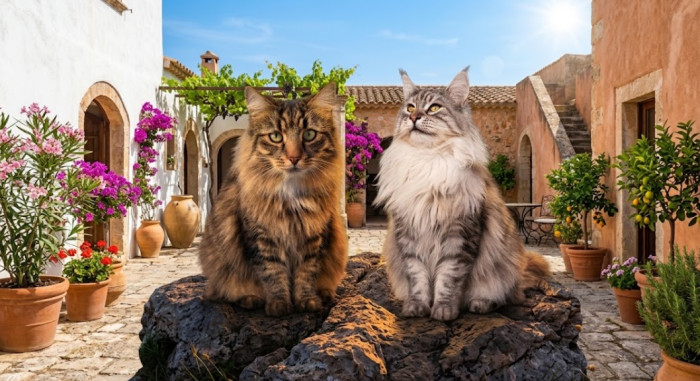
That’s why the “M” marking and the tabby colors can feel convincing, even when they don’t prove anything about ancestry.
Can a purebred Maine Coon be a tabby?
Absolutely.
So if someone says, “My cat is a Maine Coon tabby,” that does not automatically mean Maine Coon mix. It may simply mean a tabby-patterned Maine Coon. The word “mix” needs ancestry behind it.
What patterns can a Maine Coon tabby mix have?
Classic tabbies show broad swirls and blotches. Mackerel tabbies show narrower stripes that run more vertically along the sides. Ticked patterns are more subtly banded, with less obvious striping across much of the body.
Mixed ancestry can combine those patterns with white spotting, dilution, silver, or other colors. Long fur softens everything.
A crisp stripe on a shorthaired tabby may become a fuzzy band on a heavily coated mixed cat. That can make photographs harder to classify, especially around the belly and flanks.
Pupperish’s story about a shy rescued tabby shows the familiar pattern on a very different body type. Tabby is visually broad enough to appear across countless domestic cats.
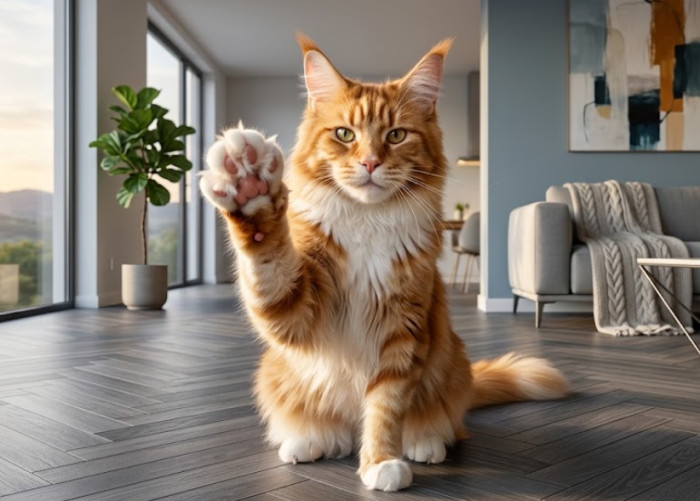
Then you hit the part where a purebred Maine Coon can still be tabby, so the word “mix” becomes the real problem, not the pattern.
How big can a Maine Coon tabby mix get?
There is no dedicated weight range for the mix. If one parent is a Maine Coon and the other is a smaller domestic cat, the offspring may mature anywhere across a broad range. Sex, individual genetics, growth rate, and body condition all matter.
A very large tabby mixed-breed cat may resemble a Maine Coon strongly. A smaller one may not. That is why size should be used as one clue, not proof.
This is similar to how tortie Maine Coons show never-repeating patchwork, thanks to genetics.
Do Maine Coon tabby mix kittens keep their markings?
The basic tabby pattern is genetic, so the cat does not simply lose it at adulthood. What changes is how obvious the pattern looks as the coat grows and color develops.
A kitten’s stripes may appear sharp on a shorter juvenile coat and then soften under longer adult fur. Silver or smoke effects can also become more apparent with maturity.
Growth can change the face too. Ear-to-head proportions, muzzle width, and chest depth may look very different two years later.
Pupperish’s tabby kitten rescue stories show how difficult it is to predict adult presence from a tiny juvenile frame.
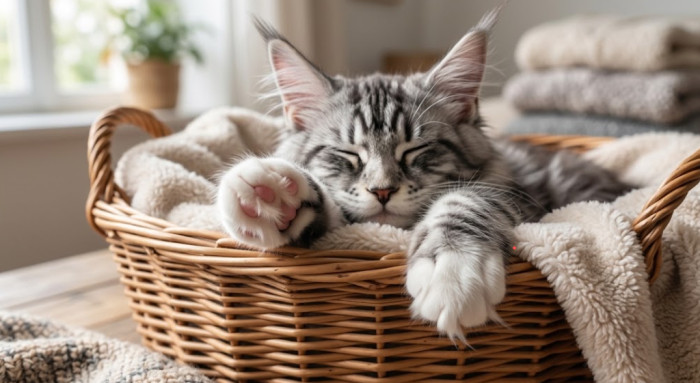
Next comes the pattern confusion, classic swirls, mackerel stripes, and ticked banding all competing with fluffy, long-fur blur in the same photo.
Maine Coon tabby mix personality
There is no guaranteed “tabby personality.”
Because tabby is a pattern, it cannot be used as a behavioral breed category. A mixed cat may show some social or playful tendencies commonly associated with Maine Coons, but individual temperament remains individual.
Early handling, home environment, confidence, health, and the unknown part of the ancestry all contribute. Color-based personality stereotypes are fun until they are treated like rules. They are not rules.
How can you tell if a tabby cat is part Maine Coon?
Look beyond the stripes.
A Maine Coon-like combination may include a long rectangular body, broad chest, large tufted paws, tall furnished ears, a square muzzle, and a long flowing tail. Even a strong combination remains visual evidence rather than pedigree proof.
If a known Maine Coon parent exists, records or parentage information can answer the question much more directly.
Without that, the most accurate description may still be “domestic longhair tabby with Maine Coon-like traits.”
Pupperish’s story about the White House tabby Willow is a useful comparison point: a recognizable tabby pattern tells you immediately what the coat is doing, but very little about a specific pedigree.
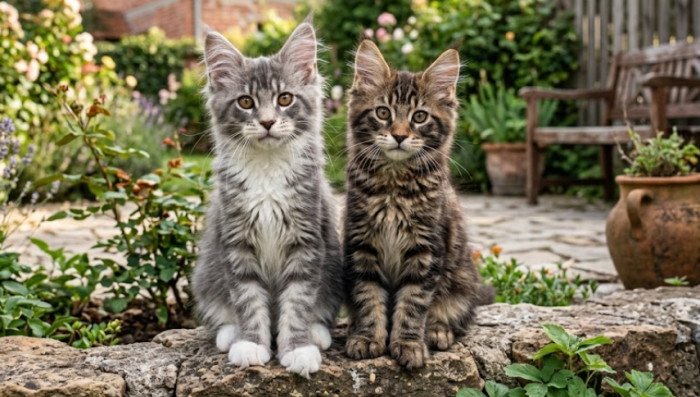
And once you factor in size and the possibility of a smaller parent, that “Maine Coon look” can swing wildly from kitten to adult.
Is a Maine Coon tabby mix rare?
There is no good basis for calling the general combination rare. Tabby is widespread in domestic cats, and Maine Coons themselves commonly appear in tabby patterns. What may be unusual is a specific documented cross, coat combination, or individual appearance.
Avoid rarity claims unless records support them. The better reason to care about a Maine Coon tabby mix is variation.
The mix can produce cats that range from lightly fluffy striped house cats to huge, lion-like longhairs, all under a phrase that sounds much more specific than it actually is.
The “Maine Coon tabby mix” label might describe the cat’s vibe, not its family tree, and that’s where the guesswork starts.
Before you trust a “tabby mix” photo, check how Maine Coon mix traits vary wildly.
Share this article: