
Abandoned kitten Rosie finds a new start at a Waikiki cat cafe

The image that defines Rosie's story is a hard one to forget: a 4-week-old kitten in a locked cage with only a stuffed animal beside her. Now, that same kitten is meeting visitors at a Waikiki cat cafe and waiting for a home.
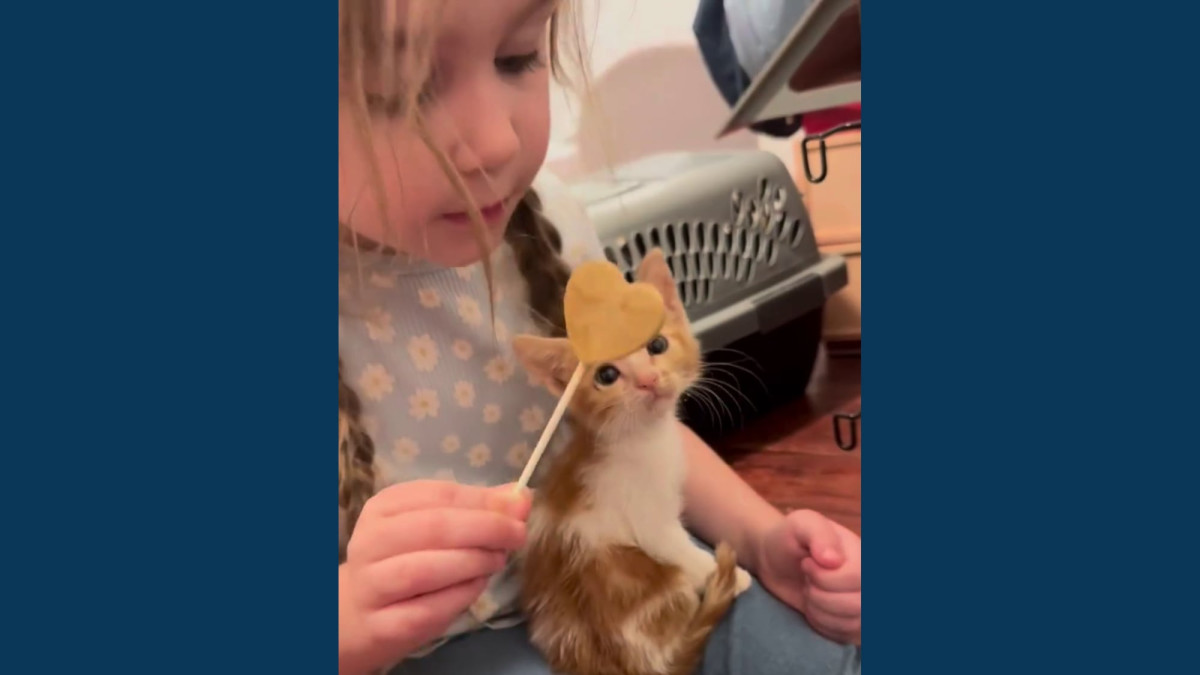
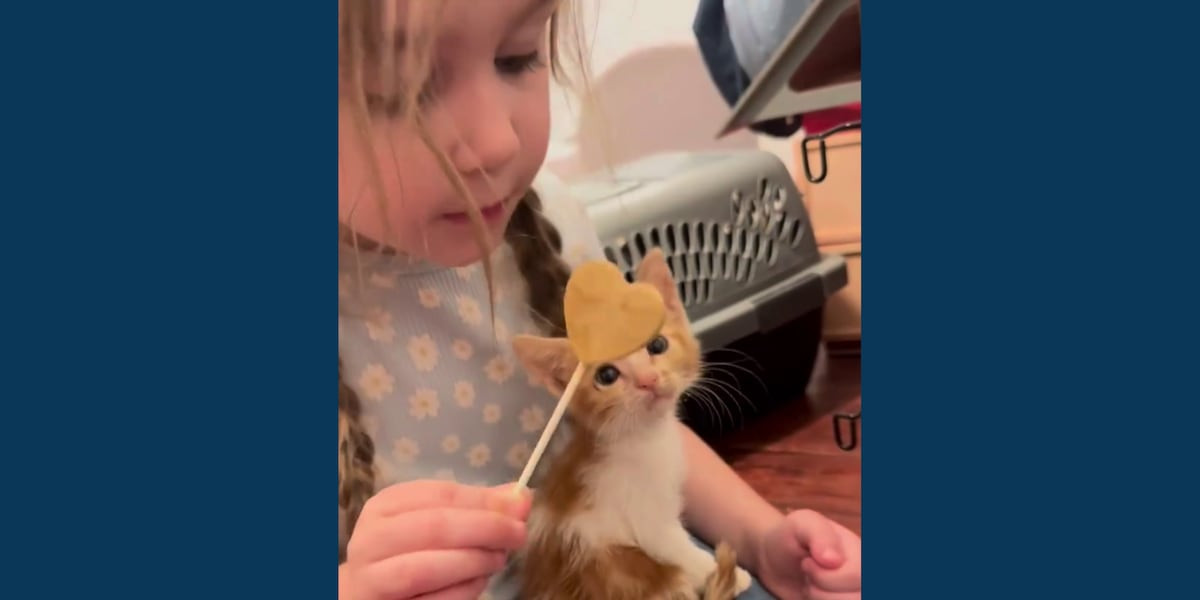
At Hawaii Cat Cafe's Waikiki Beach Walk location, Rosie is now drawing the kind of attention every adoptable cat needs. Customers can spend time with her inside the cafe, where she has become one of the pets visitors can meet while considering adoption.
That scene is far removed from what founder Cindy Washburn said marked the beginning of Rosie's life with the rescue community. Washburn said the kitten was found along a Waimanalo road when she was just 4 weeks old. She was inside a locked cage with nothing but a stuffed animal. There was no food or water with her, and she was covered in fleas.
From recovery to adoption
Rosie's place in the cafe came only after a stretch of care. Washburn said the kitten went through two months of recovery and treatment before she was ready to become one of the cats customers can visit in Waikiki. Like the other cats at the cafe, she is now available for adoption.
That adoption piece is the heart of the business. Hawaii Cat Cafe's mission is to find homes for cats and kittens, and staff members say applications are reviewed as quickly as possible. In some cases, a cat can leave with a new owner on the same day.
The cafe's setup also helps fund that work. Entry fees, along with food and beverage sales, help cover pet care costs for the animals there. For anyone who walks in and meets Rosie now, the result is easy to see: a kitten once left in a cage is now safe, visible and waiting for someone to take her home.
What a cat cafe is for
A cat cafe is usually a coffee shop or lounge paired with a separate cat interaction space. The goal is part social visit, part animal welfare. Some cafes house resident cats, while others partner with rescue groups and rotate cats that are available for adoption.
Good cat cafes are designed around feline comfort as much as customer enjoyment. Cats need places to hide, climb, sleep, and avoid handling when they choose. Visitors are typically asked to use hand sanitizer, stay calm, avoid waking sleeping cats, and let the cat make the first move. That matters because cats cope better when they can control contact.
For many people, a cat cafe can be a low pressure way to meet cats outside a shelter setting. Watching how a cat plays, rests, and responds to strangers can tell you more than a brief kennel visit.
Why rescued kittens need special care
Young kittens, especially those found alone, often need more than food and cuddles. They may need a veterinary check, treatment for parasites, help with hydration, and careful monitoring of weight, appetite, and litter habits. Very young kittens can also need bottle feeding and warmth because they cannot regulate body temperature well.
Socialization is just as important. Kittens generally do best with gentle, predictable handling, short play sessions, and a quiet space to retreat to. Toys that let them chase and pounce help build confidence and reduce rough play with hands. Scratching posts, soft bedding, and routine feeding times also help them settle.
Anyone finding a stray kitten should pause before scooping it up immediately. If the kitten looks clean, quiet, and safe, a mother cat may be nearby. If the kitten seems cold, injured, weak, or in immediate danger, contact a local rescue, shelter, or veterinarian for advice as soon as possible.
Tips for visiting or adopting from a cat cafe
If you plan to visit, choose a calm time if possible and read the house rules first. Let shy cats approach on their own terms. Avoid crowding one animal, picking cats up without staff guidance, or bringing young children who may struggle to stay quiet and gentle.
If you are thinking about adoption, ask about the cat’s energy level, medical needs, comfort with other pets, and preferred home environment. A friendly cat in a cafe may still need a slow introduction to a new household. Prepare one quiet room at home with food, water, litter, a bed, and hiding spots before arrival.
If adoption is not possible, cat cafes can still be a practical way to help. Many need volunteers, foster homes, supply donations, or support for veterinary care. Even sharing adoptable cats through your own circles can make a real difference.
Share this article:





