Rescue Dog Dante Walked Onto a Porch in Crisis and Found the Home Where He Could Heal

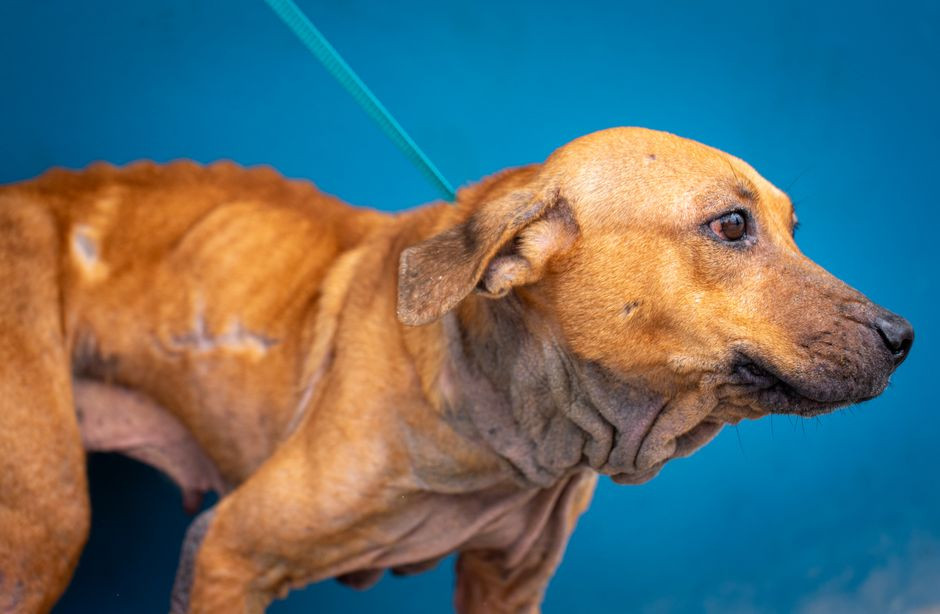
Marianne stepped onto her patio and found a dog lying there, so sick he could barely move. She was already grieving, but the animal in front of her needed urgent help, and that decision set off Dante’s path from a life threatening condition to a home where he could rest, play, and stay close to the person who helped save him.
The story shared by @chewysoupsoul begins with a hard scene. Dante, an abandoned rescue dog, is on Marianne’s porch looking extremely ill. The post says his condition was life threatening, and the next step is immediate: he is carried to the veterinarian.
At the clinic, the images show how serious his condition is. Dante is wearing a cone, with tubes attached and bandages covering parts of his body. Marianne had found him at a painful moment in her own life, but the focus quickly became keeping him alive and giving him a chance to recover.
The medical updates brought a mix of relief and uncertainty. His bloodwork eventually returned to normal, a major sign that treatment was helping. But one important hurdle remained. Dante still needed to begin eating on his own.
Tiny signs that changed everything
Then came the kind of progress that can look small from the outside and feel enormous to the people waiting for it. During visiting hours, Dante got up and started walking around even with his medical equipment still attached. His tail began to wag.
That movement gave Marianne something to hold onto. The dog who had arrived barely able to move was now showing a spark of himself.
After five days in the hospital, Dante was finally able to go home. His treatment had been supported by a community of strangers, and Marianne was there to continue caring for him once he left the clinic.
From recovery to belonging
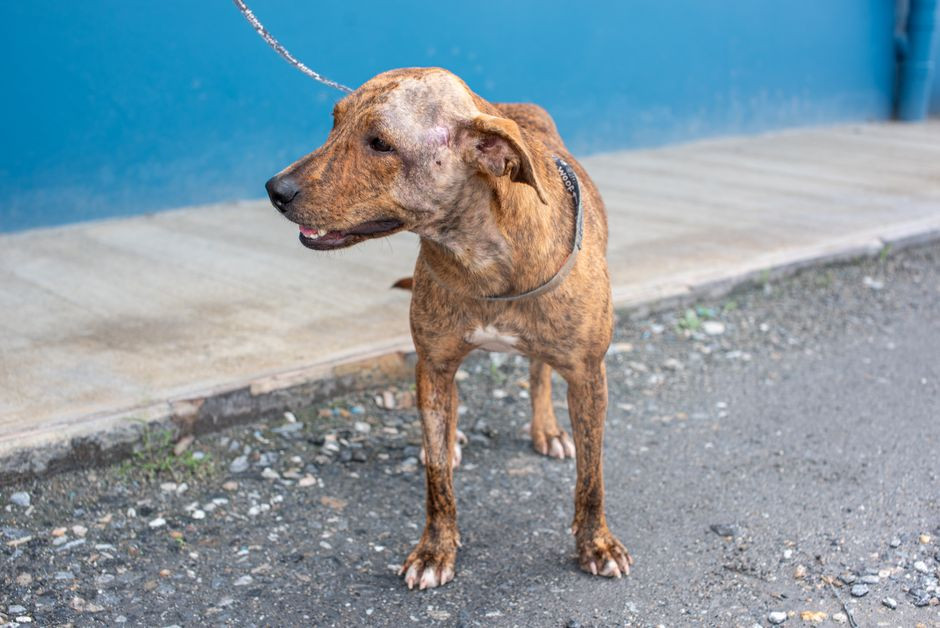
Back at home, Dante began settling into ordinary life. He snuggled with Marianne on a blanket and started acting more like himself. The changes continued. Later, he was shown walking along the beach without the tubes, cone, or bandages that marked his earliest days of treatment.
He even went for his first swim with Marianne, another sign of how far he had come from the dog found in critical condition on a patio.
The story did not end with medical recovery alone. According to the post, Dante now follows Marianne from room to room and cries when someone leaves. What started as an emergency became something much bigger: a place where he could heal, feel safe, and stay.
Hundreds of viewers responded to the video, many focusing on the same simple idea. Love, they wrote, can heal. For Dante, that care came first as rescue, then as recovery, and finally as home.
What to do if a dog shows up injured, frightened, or exhausted
A wandering dog may approach a porch, yard, or doorway because it is seeking safety, water, shade, or human help. The first priority is safety for both the dog and the people nearby. Move slowly, avoid cornering the animal, and use a calm voice. Food and water can help, but give small amounts at first if the dog seems very distressed.
Look for obvious warning signs such as trouble breathing, collapse, heavy bleeding, extreme weakness, repeated vomiting, or signs of heat stress. Those problems need urgent veterinary help. If the dog will tolerate it, a leash, slip lead, or secure fenced area can prevent it from bolting into traffic. If handling seems unsafe, contact local animal control, a shelter, or an animal rescue for assistance.
If the dog seems stable, check for tags and ask a veterinarian or shelter to scan for a microchip. Local rules on found pets vary, so it is wise to ask what steps are expected where you live.
How rescue dogs start to recover
Many dogs in crisis are dealing with more than hunger or injury. They may also be overwhelmed by fear, pain, confusion, or days of poor sleep. Recovery often starts with the basics: warmth, water, regular meals, and a quiet place to rest. A calm routine can matter as much as medicine. Predictable walks, gentle handling, and a consistent feeding schedule help a dog learn that it is safe.
Some rescue dogs shut down and seem unusually still. Others pace, bark, guard food, or startle easily. These behaviors are common stress responses, not signs that a dog is beyond help. Giving the dog space, limiting visitors, and using positive reinforcement instead of punishment usually works better than forcing interaction.
A veterinary exam is important because pain, parasites, skin problems, dental trouble, or untreated injuries can shape behavior and slow healing.
Practical steps for a smooth transition into a home
Set up one small area with a bed, water, and a place to retreat. Supervise introductions to other pets and keep them gradual. Use secure collars, ID tags, and a leash from day one, because frightened dogs can slip away unexpectedly.
Keep notes on appetite, energy, bathroom habits, and any coughing, limping, or scratching. Those details help a veterinarian spot problems early. If the dog is not eating, seems disoriented, or grows more distressed instead of settling, seek professional advice promptly.
Patience is often the most useful tool. Some dogs bond quickly, while others need time before they seek touch, play, or affection. Steady care, safety, and routine give many rescue dogs their best chance to heal.
Share this article: