He Cared for His Parents’ Elderly Deaf Cat for 32.5 Days. Then Came the Dispute Over Pay

The part that lingers is not the argument in a bar, or the phone plan that got canceled. It is the picture of an elderly, deaf cat whose routine still had to be kept, twice a day, for more than a month, while one family member stepped in and believed the arrangement had already been settled.
A month built around one senior cat’s needs
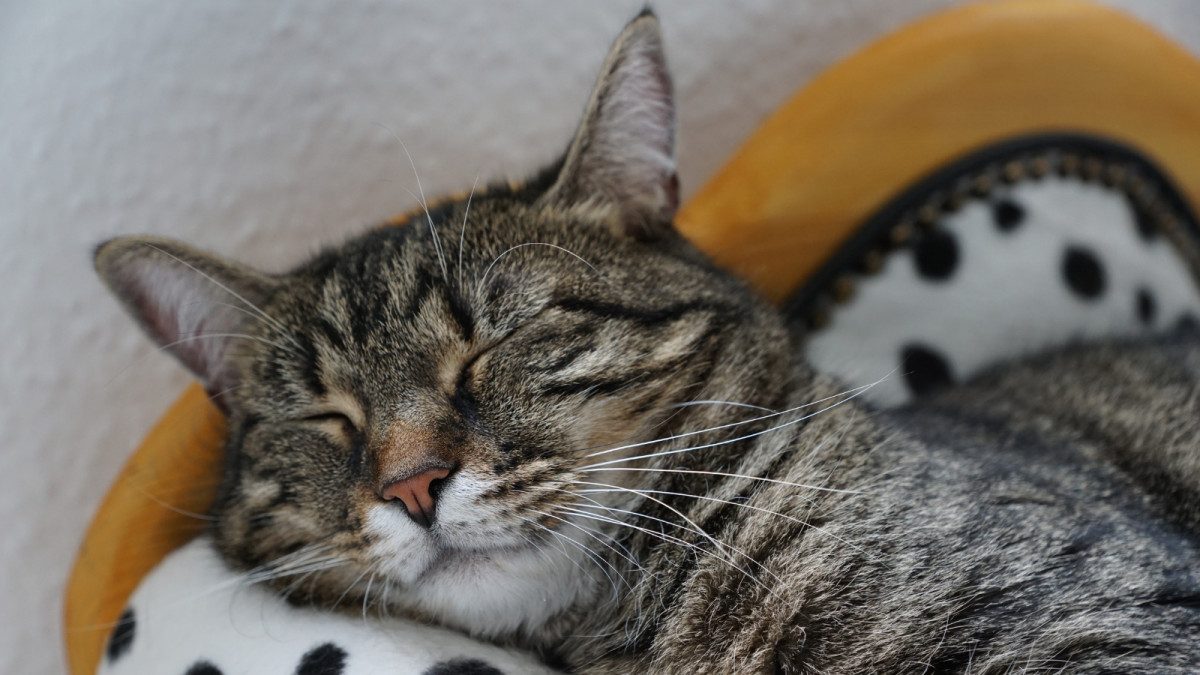
According to the account, the setup began with a request that sounded familiar to many families with pets. The writer’s parents were going away and asked their adult son to look after their elderly cat. This was not a casual check-in or a once-a-day food refill. He described the cat as elderly and deaf, and said the job meant visiting twice daily, giving her medication in pill form, scooping the litter box, and collecting the mail as well.
He also said this kind of care had been discussed before in practical terms, not vague ones. Earlier in the year, the family had agreed on a daily rate of $25, and he said he had that agreement in writing. This time, he calculated the total at 32.5 days.
That detail matters because the work was specific and sustained. For more than a month, the routine centered on showing up in person and doing the tasks that kept the cat’s household running while her owners were gone. By his telling, he completed the job on the understanding that the rate already existed and applied here too.
The surprise came only after the care was finished
The conflict did not begin with a refusal to help. It began after the parents returned and the cat sitting was done.
He said he called his mother and asked her to send payment through Venmo for the days he had covered. That was when he learned, through her, that his father had decided he should not be paid this time. The reason, he said, was that his parents were already covering his phone and Spotify.
What upset him most was not only the change itself, but when he learned about it. He said his father had made that decision without telling him directly before the work started. He also said his father later admitted he was supposed to bring it up himself, but never did. Instead, the father had texted him beforehand about availability and still did not mention that he no longer intended to pay.
From the son’s perspective, that turned an agreed arrangement into something else after the fact. In his own words, it felt disrespectful. He had already done the twice-daily visits and the medication and litter routine for the whole 32.5-day stretch before finding out the payment had been taken off the table.
In a story built around pet care, that is the hinge point. The cat’s needs were met. The dispute arrived only once the practical work was over.

He quietly removed the leverage he felt was being used
Rather than start with a confrontation, he responded by separating his finances from his father’s. He said he moved his phone number off the family plan and canceled Spotify from his father’s account without announcing it first, then started his own plans.
His father noticed and asked him to get a beer and talk. He agreed. What followed, according to the son, was not a repair of the original issue.
He said his father opened by blaming the problem on "crossed wires" between himself and the mother. He also said his father seemed surprised, and defensive, that the phone and Spotify had already been canceled. The son added that his father did not remember that years earlier he had offered to pay for those things himself so they would not be used against him later. He also said his father claimed not to remember the $25-a-day rate, even though the son says that rate is in writing.
The conversation turned from money to communication. The son said he told his father it felt disrespectful that nobody had spoken to him directly before changing the deal. He said his father answered by telling him his feelings were not valid and kept interrupting him when he tried to respond. He said he pointed out the interruptions twice.
At one point, the father said it was a two-way street. The son answered that it was not a street until his father met him in the middle. He said the arguing continued, so he stood up, thanked his father for part of a beer, and left.
He described one final moment as he was walking away. His father, he said, used a warning tone with his name and told him, "you’ll regret this," which the son recognized as the same tone his father used when he was a child.

The mother’s response was different, and the cat care remains the clearest fact
When he spoke with his mother separately, he said her reaction was not the same. He said she immediately acknowledged how he felt and did not push back. She also expressed hope that the three of them could sit down together and work it out.
He does not believe that would be useful right now. In his account, his father does not have a track record of admitting fault or processing emotions, and he does not think another conversation would end differently unless that changes.
What remains striking in the middle of all of it is how ordinary the original task was, and how much labor it still required. This was one family member taking on the routine of another family’s cat for 32.5 days, with visits twice a day and medication included. The care happened. The litter got scooped. The pills were given. The mail was brought in.
That is what gives the disagreement its shape. The issue was not whether the cat would be looked after. By his account, she was. The rupture came over whether the person doing that work would be treated according to the arrangement he says was already in place.
For cat people, that part is easy to recognize. A senior cat’s routine does not pause because the humans around her are having a dispute. In this case, the routine was kept. The fallout came later, and it left the caregiver deciding that if payment could be rewritten after the job was done, then the other strings connecting him to his father had to go too.
Share this article: