Biscuit the Husky Spent His Life on a Chain Until One Empty Field Changed Everything

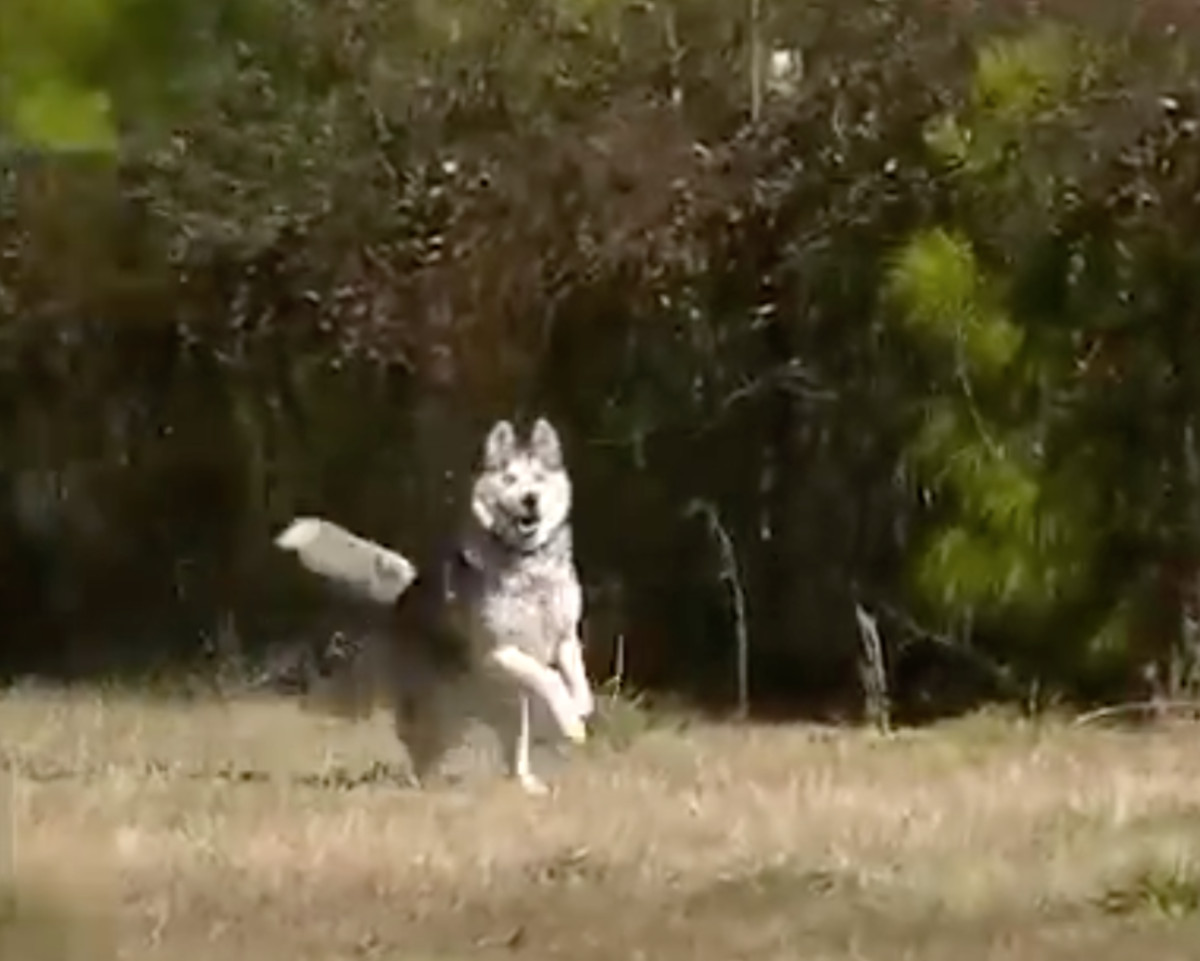
Biscuit did not need a grand stage. He only needed an empty field. For a Siberian Husky who had spent his entire life on a chain, that open space became the setting for a life-changing first.
When Biscuit was brought to an empty field, the stakes were heartbreakingly simple. This was a dog who had never known life without a chain. The space in front of him was not just grass and distance. It was the first real chance to move freely.
In the clip below, Biscuit takes that first run of freedom.
His story began in Kentucky, where Amy Hines of Dogs Deserve Better came across eight dogs living outside without shelter. She knew she could not leave them there and decided to act right away. Amy stopped her vehicle intending to save one dog. Then the rescue grew. After speaking with the owner, she was able to get all eight dogs off the property.
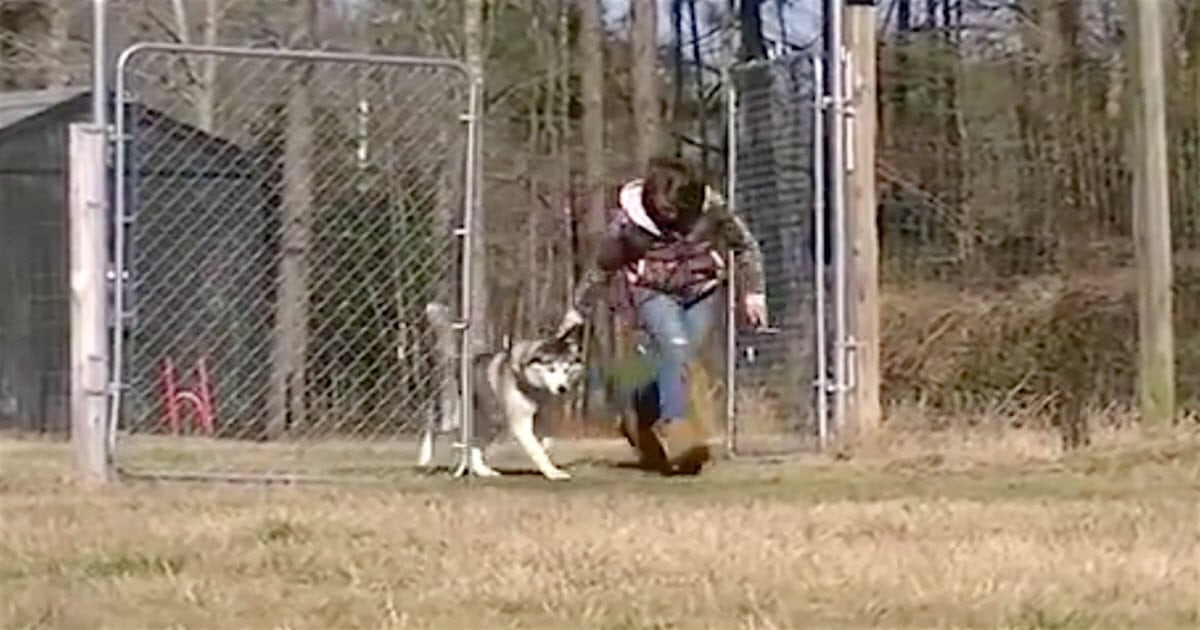
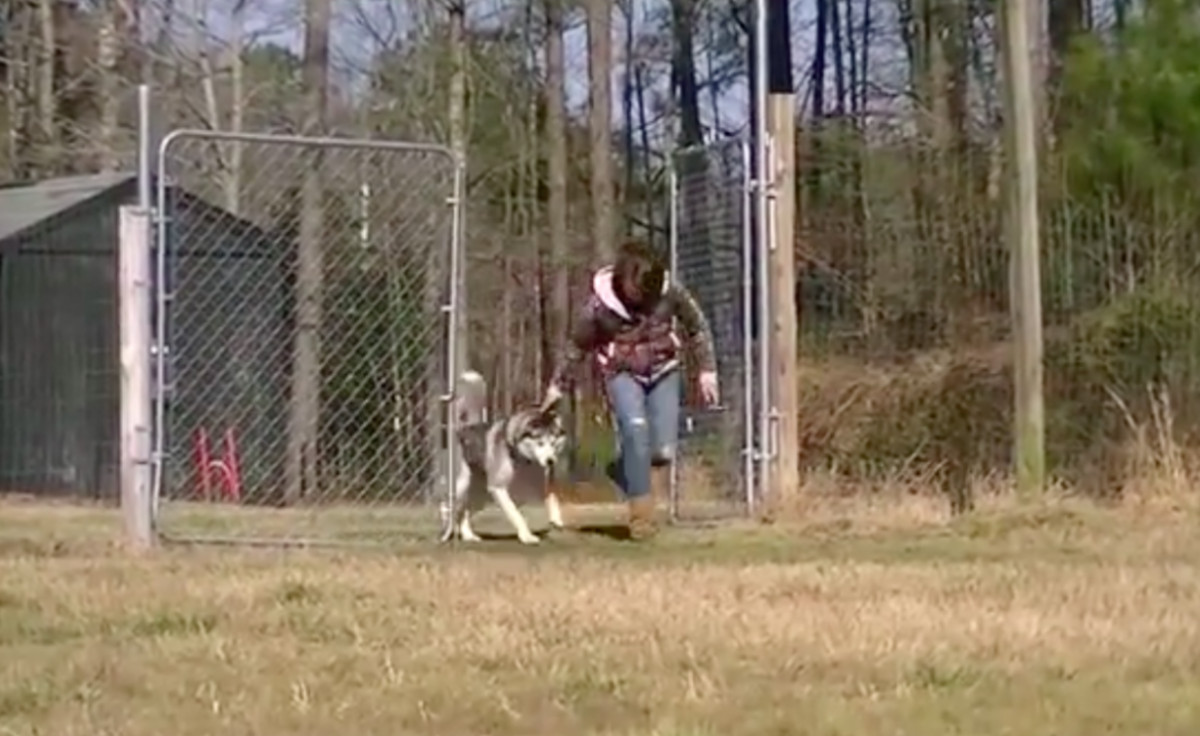
Biscuit was the first dog Amy took with her, and he was brought to Dogs Deserve Better's Good News Rehab Center in Virginia. He and the other dogs had been spending their lives chained up. That is what gives Biscuit's moment in the field so much meaning. It was a small scene on the surface, but for him it marked something enormous.
Dog lovers know how much joy can live inside a simple run. For Biscuit, it also represented a completely different future. The husky who had spent his whole life tethered was finally able to stretch into open space, and he was not the only one whose life changed. All eight dogs rescued from that property are now out of those chains and living with safety, freedom and care.
Why long term tethering can be hard on dogs
A tether can be useful for short, supervised moments, such as keeping a dog close while you unload a car or set up camp. It is not a substitute for housing, exercise, or companionship. Dogs that spend long periods on a chain often have little control over where they move, what they investigate, and how they avoid stress. That can lead to frustration, fear, boredom, and fence or barrier reactivity.
There are physical risks too. Collars can rub the neck, lines can tangle, and dogs can be exposed to heat, cold, rain, and passing animals or people without any way to retreat. A chained dog may look calm simply because it has shut down. What helps most is not just more space, but more choice, safety, and routine human contact.
Why open space matters, especially for active breeds
For energetic dogs, freedom to move is more than fun. Running, sniffing, scanning the environment, and changing pace are normal behaviors that help regulate stress. Northern and working breeds, including huskies, are often especially driven to explore and keep moving. A quick walk around the block usually does not meet that need on its own.
The safest way to offer that freedom is a securely fenced area or a long line attached to a well fitted harness. A field, park, or rented private yard can be valuable if the space is escape proof and the dog is not overwhelmed. Sniffing is tiring in a good way, so slow wandering can be as useful as sprinting. Watch body language. Loose movement, curiosity, and easy check ins usually mean the dog is coping well. Pacing, frantic circling, hard staring, or constant scanning can mean the dog needs less intensity, not more.
How to help a newly rescued or restricted dog adjust
Dogs coming from neglect, confinement, or isolation often need a decompression period. Keep the first days simple. Use a predictable routine for meals, toilet breaks, rest, and short outings. Give the dog a quiet sleeping area and avoid forcing affection or introductions.
For safety, assume the dog may bolt. Use double security if needed, such as a harness plus collar, check gates and latches, and attach identification. Book a veterinary visit, because pain, parasites, skin problems, and untreated injuries can affect behavior.
Enrichment should start small. Food puzzles, scatter feeding, sniff walks, and gentle play build confidence without flooding the dog. Training should focus first on trust, name response, handling tolerance, and calm settling. If the dog guards food, panics when restrained, or shows intense fear or aggression, get help from a qualified behavior professional early.
Share this article: