
88 Animals From Missouri Breeding Operations Enter Care With Animal Rescue Corps

Eighty eight animals are getting a new chance at care after being surrendered from Missouri's commercial breeding industry. Animal Rescue Corps says the group includes 86 dogs and two kittens with vision impairments, all taken in as part of an effort called Operation Eclipse.
A large intake, and a long trip to treatment
Animal Rescue Corps said its team deployed to Missouri for Operation Eclipse and is now assisting with the surrendered animals. The total intake stands at 88, a number that turns a rescue into a major care effort all at once.
The organization said the dogs and kittens will be transported to its Rescue Center outside Nashville, Tennessee. There, they are set to receive medical, physical and social care, a combination that points to the wide range of needs animals can have when they first enter rescue.
What happens next
The immediate focus is treatment and stabilization. After the animals are ready, Animal Rescue Corps said it plans to work with placement partners in areas with high adoption demand to help find homes for them.
For now, some details remain private. The organization has not released additional information about where in Missouri the animals came from. What it has made clear is the scale of the effort: nearly 90 animals, including two kittens with vision impairments, are now in the rescue system and on the way to care.
What a breeding operation is
A breeding operation is a business or hobby setup where animals are bred and sold. They vary widely. Some provide careful veterinary care, sanitation, socialization, and screening of homes. Others prioritize volume and have too little time, space, or handling for each animal.
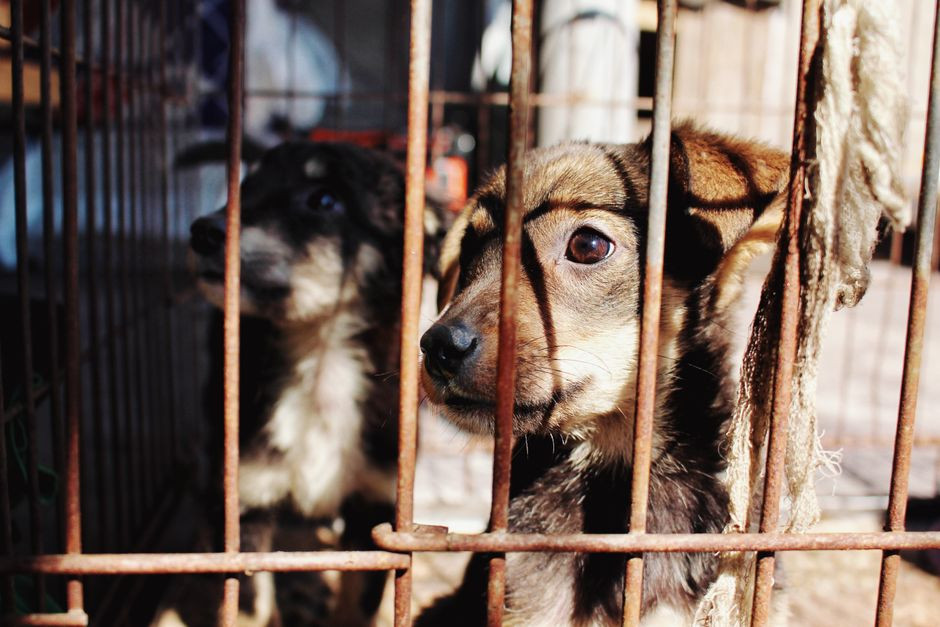
Dogs and cats coming from overcrowded or poorly managed breeding settings may arrive with untreated medical issues, fear of people, weak social skills, or habits shaped by confinement. Common needs include grooming, dental attention, parasite treatment, skin care, and slow exposure to normal home life. Even animals that seem friendly can be stressed by noise, travel, and sudden changes in routine.
What happens after rescue intake
When a large group of animals enters care, the first step is usually triage. Rescue teams separate the most urgent medical cases, identify nursing mothers and young animals, and look for signs of contagious illness. Many groups use a quarantine or decompression period before animals mix with others.
After intake, animals are typically given exams, basic preventive care, food plans, and behavior notes. Foster homes are often especially helpful because they reveal how an animal eats, sleeps, uses a litter box or goes outside, reacts to touch, and handles household sounds. Shy animals may need a quiet room, predictable mealtimes, and short, gentle handling sessions before they are ready for adoption.
How to help in a useful way
If you want to support a large rescue intake, start with the shelter or rescue wish list. Practical donations often matter more than random items: quality food, litter, puppy pads, cleaning supplies, towels, crates, and gift cards for veterinary or pet supply costs. Fostering can be one of the biggest helps because it frees kennel space and gives animals a calmer place to recover.
If you are thinking about adopting, ask what the animal is comfortable with right now, not what you hope it will become immediately. Plan for a slow transition. Set up one safe room, keep routines simple, schedule a veterinary visit, and use secure carriers, leashes, or harnesses. For dogs and cats from breeding settings, patience is often the difference between a stressful start and a successful one.
Share this article:





