Australian Cattle Dog Sydney Charms TikTok With Her Twerking Wiggles and Speckled Coat

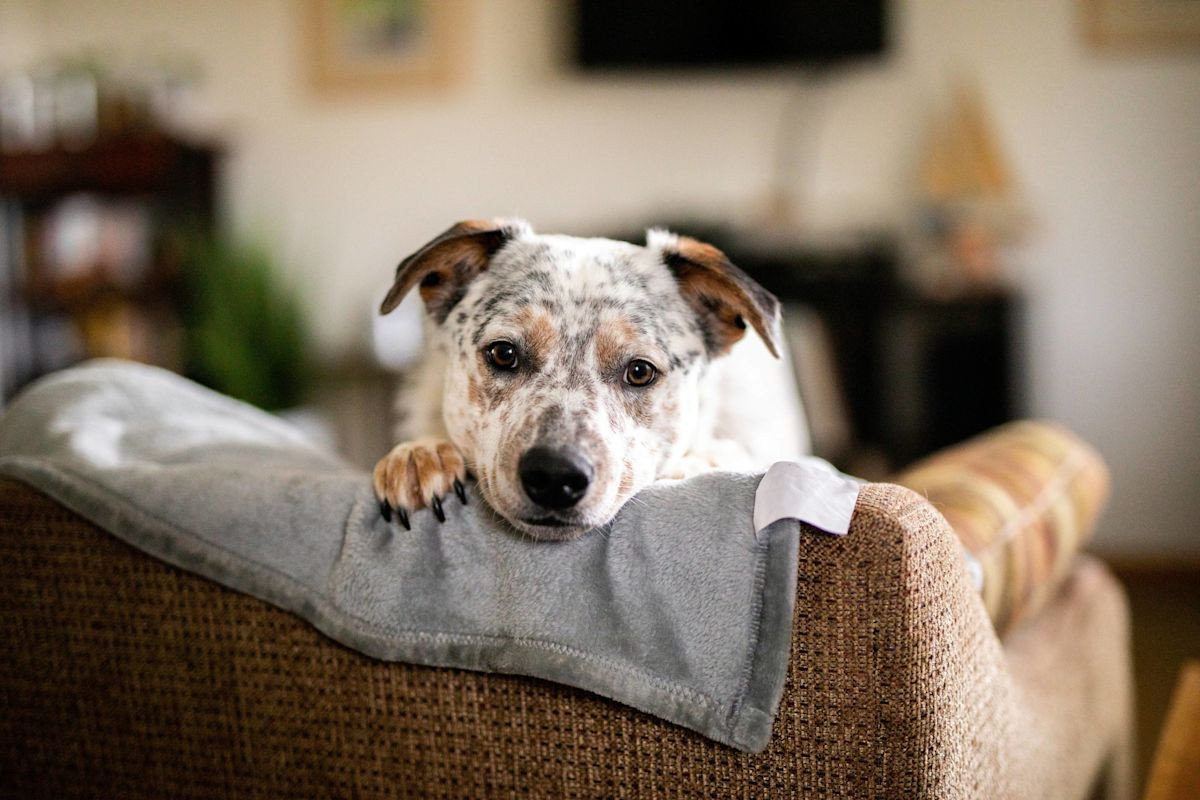
Sydney does not need much encouragement. Put her in front of her dad, say a few words, and this Australian Cattle Dog answers with a cheerful rear-end shimmy that turns an ordinary room into her own tiny dance floor. That quick burst of movement is what has dog lovers zeroing in on her video, but Sydney has another attention grabbing feature too: a white coat dusted with cinnamon colored speckles that viewers could not stop talking about.
In the clip shared by @oliversue_sydney, Sydney looks squarely at her dad while she prances around the room. He talks to her, and she seems to have only one response. Her hips start moving, her backside wiggles, and the whole exchange becomes a call and response in dog form.
What makes the moment so funny is how consistent she is. The video suggests it does not matter what her dad says. Every remark gets the same delighted answer, a happy little booty shake delivered with perfect timing. Sydney is also described as smiling through it, which gives the whole scene an extra dose of charm.
It is the kind of behavior dog people recognize instantly, even if they have never seen it performed with quite this much flair. Some dogs bounce. Some spin. Sydney appears to have settled on twerking as her signature move.
A look that got almost as much attention as the dance
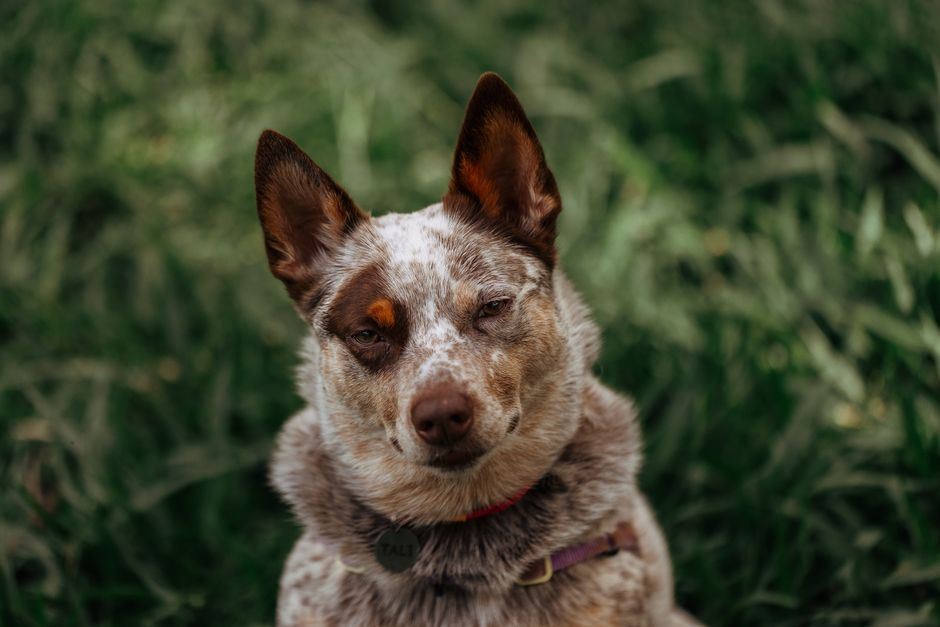
Even if Sydney had stayed perfectly still, viewers likely still would have noticed her. Her coat stands out right away. Against snowy white fur, she has cinnamon speckles that make her unusually striking on camera.
People in the comments started reaching for pop culture and dessert comparisons to describe the full package. One viewer nicknamed her Sydney thee stallion. Another compared her coloring to Mexican wedding cookies. Someone else went straight to Shakira, while another joked with a lyric about apple bottom jeans and boots with the fur.
Taken together, the reactions say a lot. Sydney did not just look cute to people scrolling by. She inspired the kind of playful commentary usually reserved for animals with real screen presence.
Why so many dogs wiggle with their whole bodies
Sydney's dance may be memorable, but the behavior itself is familiar to plenty of dog owners. Many dogs do more than wag their tails when they are happy. Excitement can travel through the whole body, turning a simple greeting into a full body sway.
That kind of wiggle can show up when a dog spots a favorite toy, sees a loved one, or realizes a car ride is happening. Instead of keeping all that energy in the tail, some dogs let it ripple everywhere.
Certain breeds are especially known for it. Golden Retrievers, Labradors and Australian Cattle Dogs are all described as dogs that often use this kind of movement to show enthusiasm.
Sydney just happens to do it with unusual commitment. Her prancing, her smile and that perfectly timed butt shake make the video feel less like a trick and more like a glimpse of a dog who has completely mastered her own joyful language.
What an Australian Cattle Dog is like
Australian Cattle Dogs are herding dogs bred to move livestock over long distances and think for themselves while doing it. That background helps explain why many of them seem intense, alert and unusually tuned in to motion, routine and human cues. They often thrive when they have a job, even if that job is a game, a training routine or a daily task at home.
People drawn to the breed should expect stamina, quick learning and a strong need for mental exercise. A short walk is often not enough. Many do best with a mix of brisk activity, sniffing, problem solving and short training sessions. Without enough outlets, some may invent their own entertainment by chasing, barking, nipping at heels or pestering other pets.
Why some dogs do the happy wiggle
The full body wiggle that people jokingly call a dance is usually a form of excitement and social communication. Dogs often swing their hips, loosen their whole body and wag with extra force when they are pleased, eager or trying to engage with someone. A soft face, relaxed ears and bouncy movement usually suggest happy arousal rather than stress.
Context matters. If the movement comes with stiff posture, tucked tail, whale eye, lip licking or avoidance, the dog may be overwhelmed instead of joyful. The practical takeaway is to read the whole dog, not just the tail. Reward calm check-ins, give excited dogs a moment to settle before greetings and use simple cues such as sit, touch or go to mat to channel big feelings into safe behavior.
Coat, grooming and everyday care
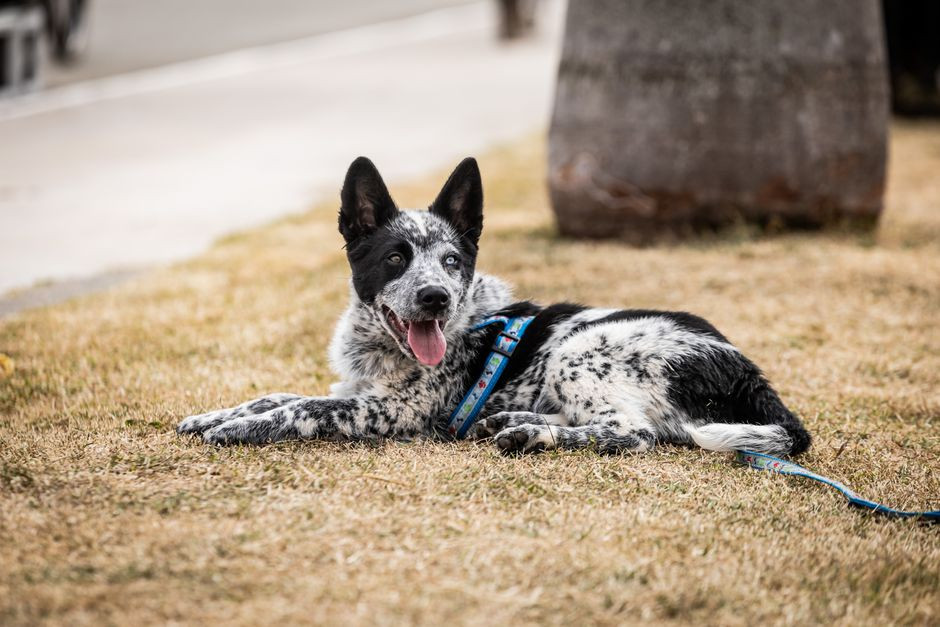
The breed is known for a dense weather resistant double coat, often in a blue or red speckled pattern. That coat helps protect the skin outdoors, but it also means regular shedding and seasonal coat blowouts are common. Brushing helps remove loose hair and dirt, spreads skin oils and makes it easier to spot burrs, ticks or sore patches.
Bathing usually does not need to be frequent unless the dog gets dirty. More useful than frequent washing is a routine of brushing, nail trims, ear checks and paw inspection after active outings. Because these dogs are agile and driven, enrichment is just as important as grooming. Food puzzles, scent games, fetch with rules and reward based training can make daily life easier for both dog and household.
Share this article: