Indio Police K9 Hoki Dies After Two Years of Service

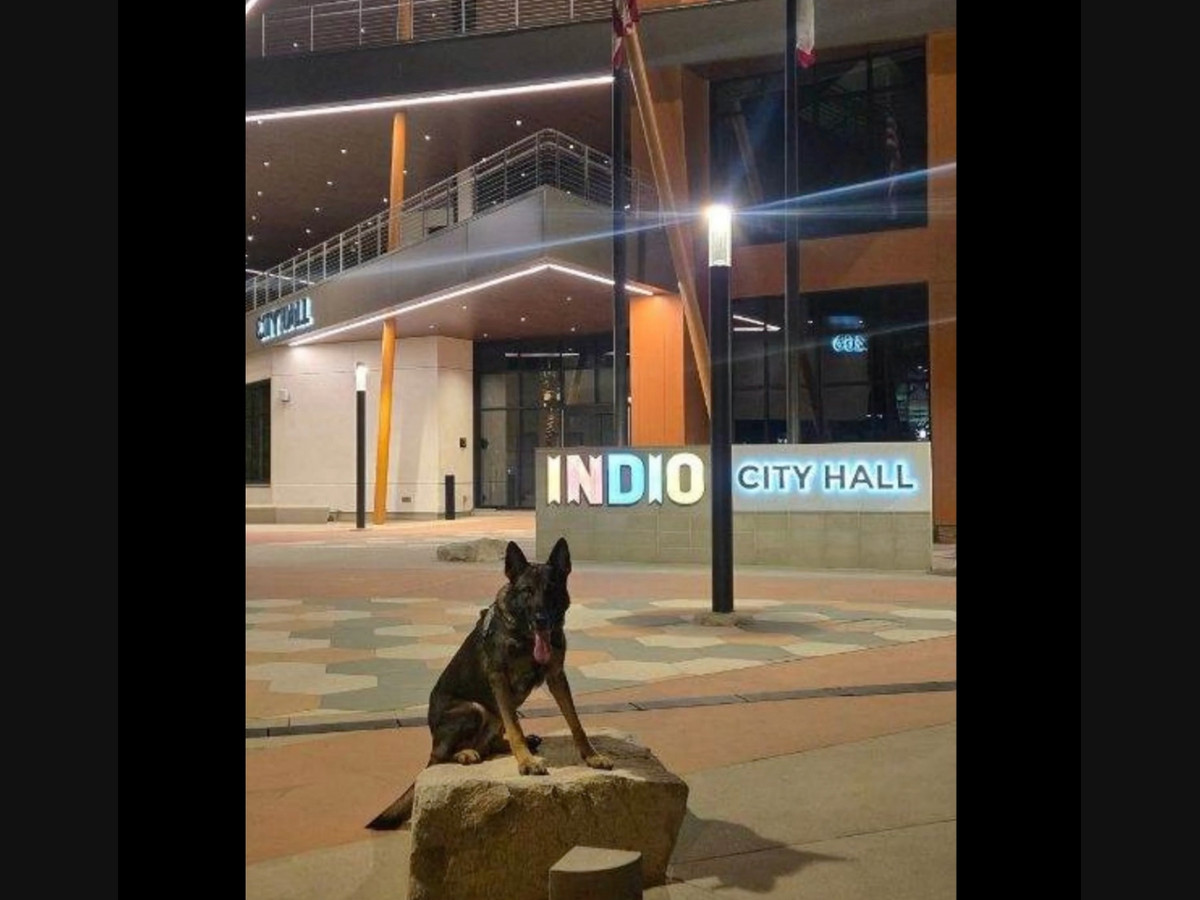
Hoki’s service with the Indio Police Department ended with a loss that hit his department hard. The police dog died Monday, and officials remembered a K9 who worked closely with Officer Moran and left a strong impression on the people around him.
Indio police said late Tuesday that Hoki had died. No cause of death was released.
What the department did share was the outline of a short but meaningful career. Hoki began working with Indio Police in late 2023, then entered the K9 academy on Jan. 13, 2024. He completed the program that March.
His training covered patrol, tracking and narcotics detention, giving him a broad role as a working dog in the department’s K9 unit. Police said he served the community alongside his partner and handler, Officer Moran.
Remembering Hoki
In its tribute, the department pointed to the qualities that made Hoki memorable both on duty and around the people who knew him.
Police said he served with dedication, bravery and loyalty. They also remembered his energy, his affectionate nature and the mark he left on those who had the chance to work with him.
For dog lovers, that kind of remembrance says a lot. Hoki’s time with the department was measured in months and years, but the description from his colleagues suggests a dog whose presence reached beyond training lists and assignments. He was a working K9, but also clearly a familiar and valued part of the team.
The department has not released additional details about his death. What remains public is the picture of a police dog who trained hard, served beside his handler and is being remembered with gratitude.
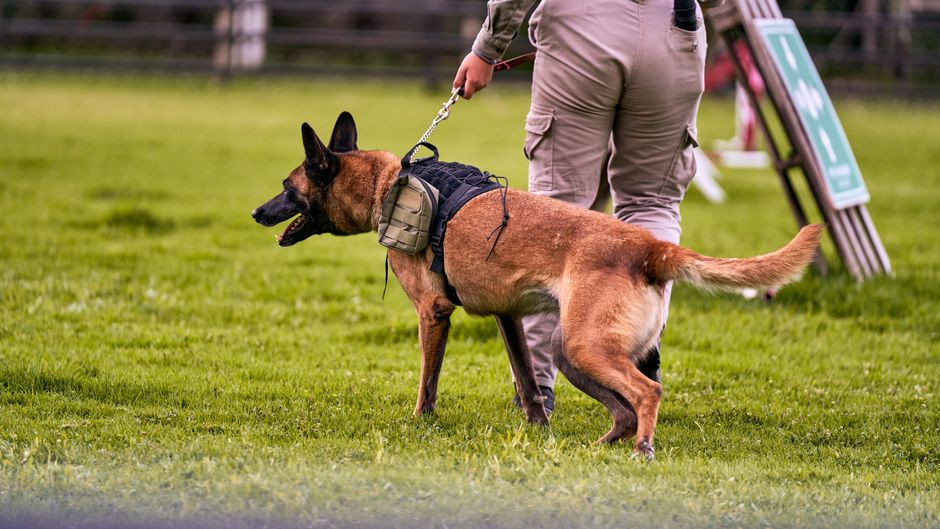
What a police dog does
Police dogs are working animals trained to help human officers with tasks that depend on speed, scent, focus, and controlled obedience. Depending on the dog and the unit, that can include tracking a person, searching buildings, finding missing people, detecting certain odors, or helping control a dangerous situation until officers can safely step in.
Most of that work depends on repetition and clear cues. A dog learns to follow a scent trail, ignore distractions, and signal a find in a specific way. The handler learns the dog’s body language, stress signals, and strengths. That partnership matters as much as the dog’s raw ability. A well matched team can cover ground quickly and work in places where technology is limited or slow.
Why the job is demanding
Working dogs face physical and mental strain. They may operate in heat, on rough ground, around traffic, loud noise, sharp debris, or frightened people. Even a short deployment can be intense because the dog is expected to stay controlled while highly aroused and focused.
That is why conditioning, rest, hydration, paw care, and routine veterinary checks are central parts of the job. Handlers also watch for signs of overheating, limping, reluctance to jump, unusual panting, digestive upset, or behavior changes after a hard shift. For pet owners, the lesson is useful too: heat and overwork can affect any dog faster than many people expect, especially during play, hiking, or training. Carry water, check the ground temperature with your hand, build up exercise gradually, and stop early if your dog seems off.
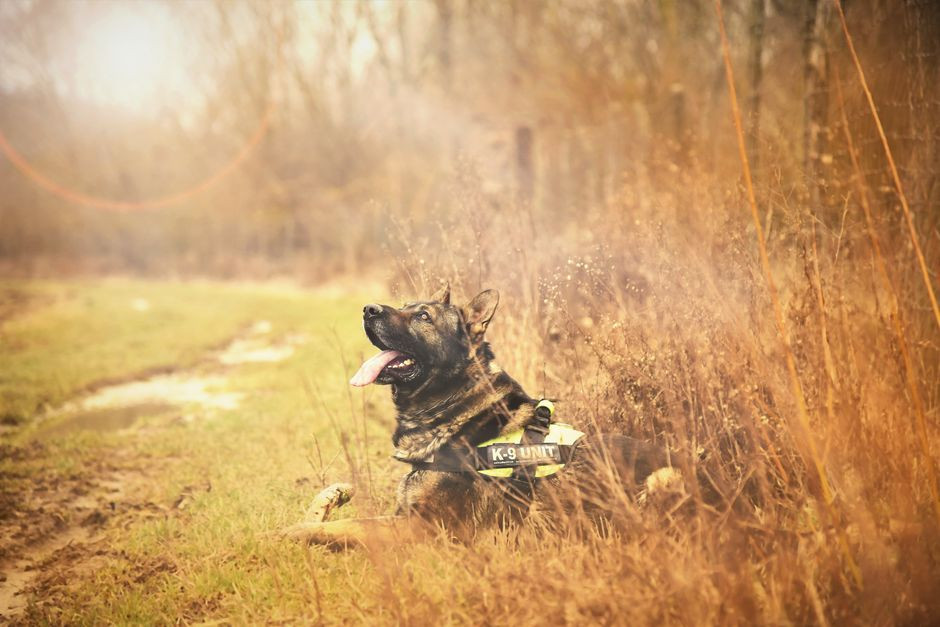
How the public can help around working dogs
The safest default is to treat a working dog as if it is on duty unless the handler clearly says otherwise. Do not call to the dog, whistle, reach out, or let your own dog approach. Even friendly attention can break concentration at the wrong moment.
If you encounter a search or police activity, give the team space and follow directions quickly. If a loose pet is nearby, secure it. If you are involved in community events, ask before arranging photo opportunities with working dogs.
A practical way to support these dogs more broadly is to learn about local programs that assist retired working dogs with veterinary care, equipment, or adoption support. Retirement can bring arthritis, dental needs, and adjustment to a slower routine. The same qualities that make a dog effective at work, energy, drive, and sensitivity, also shape the kind of home and care it needs afterward.
Share this article: