Dorchester's roaming cat Susie gets a bronze statue after charming pubs, shops and supermarkets

The big civic event in Dorchester belonged to a cat who did not show up. As dozens of residents gathered in the rain to unveil a bronze tribute to Susie, the town's well-known wanderer reportedly chose a nearby supermarket instead.
That little detail feels perfectly on brand for Susie, a feline whose reputation was built on turning up wherever she pleased. On November 23, crowds came together in Dorchester, England, for the unveiling of a life-sized bronze sculpture made in her honor. In the clip below, the ceremony captures the scale of the affection around a cat whose daily rounds have become part of local life.
The statue was unveiled outside the Julia's House charity on South Street, with residents braving wet weather to attend. The ceremony included remarks from the town crier, performances by the town's bards and Rock Choir, and a reading of a poem about Susie written by former Bard of Dorchester Rebecca Katya Danicic. The poem appears on the statue's plinth, giving the tribute a very local voice.
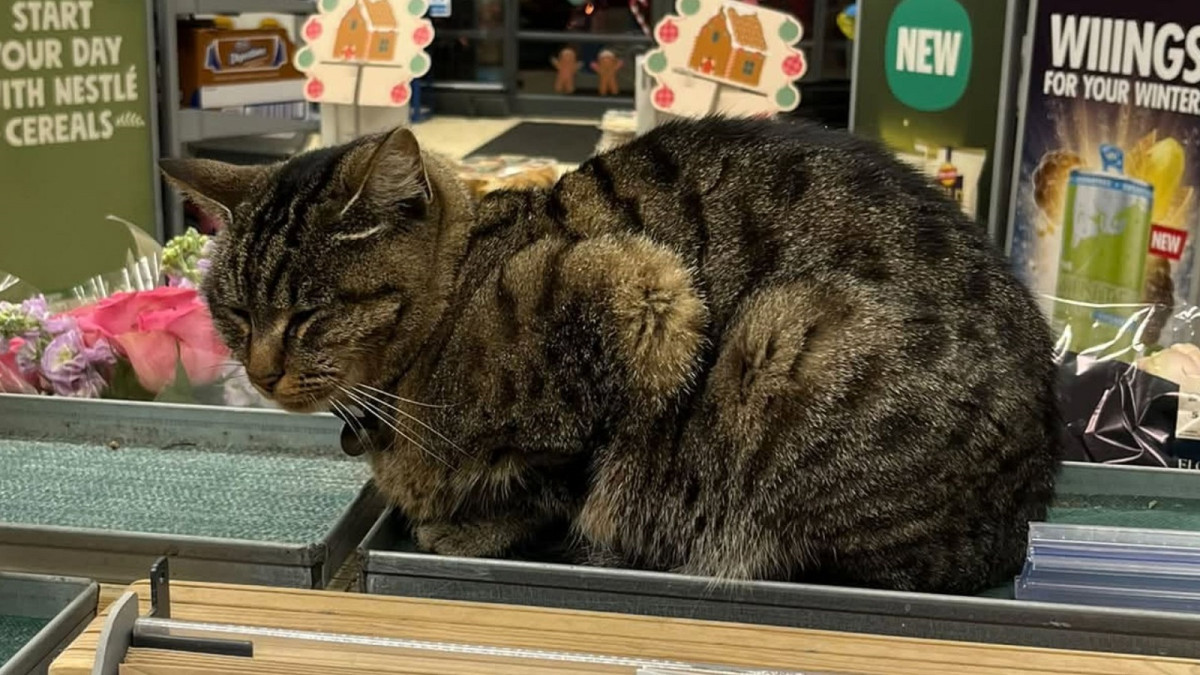
Susie herself skipped the event. Instead, she was said to be sheltering from the rain in a nearby supermarket. Her owner, Jenny Graves, attended in her place, which meant the town got both parts of the Susie story at once: the cat who wanders off, and the human who has watched a whole community decide that this very independent pet somehow belongs a little bit to everyone.
How a wandering cat became a town favorite
Susie has become one of Dorchester's best-known residents because of her habit of appearing all over town. She is especially associated with pubs, shops, supermarkets and other businesses, and her movements have become such a fixture that people track and discuss them in a dedicated Facebook group.
That kind of following does not happen to every cat, even in a nation that already likes a good cat story. Susie's appeal seems to come from her consistency. She keeps showing up, people keep spotting her, and the town keeps talking about where she has been next. Her adventures even inspired a book by local artists called Susie: Not Lost, Just Adventurous, a title that neatly sums up the tone of her fame.
Graves said the attention around Susie has done something unexpectedly warm for the people around her. Dorchester, she said, has really taken the cat to its heart. She also said the experience has been a positive one for her personally, because she has met many people she otherwise would not have met, and because it feels as if the entire town is helping look after Susie.
For cat people, that may be the sweetest part of the story. Susie is not famous for a single stunt or one dramatic rescue. She is beloved for being herself, a cat with places to go, shop aisles to inspect and pubs to visit, and a community willing to greet each new sighting like neighborhood news.
A statue built for selfies, history and a missing guest of honor
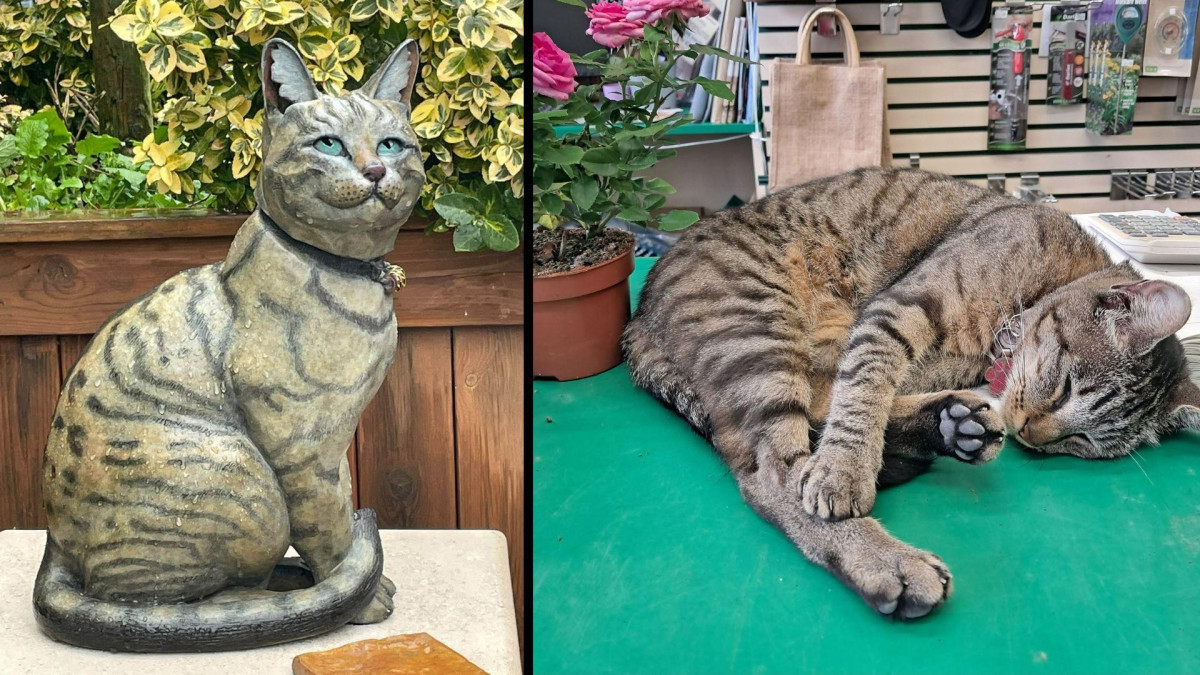
The sculpture was created by Ama Menec, and it does more than simply copy Susie's likeness. The bronze cat wears Roman-style beads around her neck, a detail meant to nod to Dorchester's ancient past. The town's history stretches back to a settlement established after Roman forces arrived in the area in 43 AD, so the design ties Susie's very modern celebrity to a much older local story.
Beside the sculpture sits a tile featuring Susie's paw prints and information about her. Together with the poem on the plinth, those details turn the memorial into something between public art and a love letter to a cat who made herself unforgettable by never staying in one place for very long.
Menec said she hoped the statue would become a spot where visitors could take photos, especially when the real Susie cannot be found. That feels like a practical idea as much as a charming one. Susie has built her legend by being out and about, but also by being unavailable on her own terms. Sometimes, Menec noted, she is simply nowhere to be found.
Now Dorchester has an answer for those days. If Susie is off making another round of the town's businesses, people can still stop by, read the poem, look at the paw prints and meet her in bronze. It is a fitting tribute to a cat who became local shorthand for curiosity, routine and the small delight of spotting a familiar face in an unexpected place.
Why some cats become local regulars
Many pet cats build a routine that extends beyond one home. Cats are territorial, curious, and strongly motivated by reliable rewards, so a friendly animal may revisit doorways, shop fronts, or outdoor seating where people offer attention, shelter, or snacks. Repeated short visits can make a cat feel like a neighborhood fixture.
That charm can create problems if too many people feed it. Extra meals may upset a cat's diet, hide illness, or interfere with treatment. If you enjoy a visiting cat, the safest gift is usually water, a calm approach, and a check for an ID tag rather than food.
How to tell a visitor from a cat that needs help
A confident roaming pet often looks relaxed, moves with purpose, and appears clean and well kept. A cat that may need help can seem thin, injured, unusually fearful, disoriented, or stuck in one place. Kittens, elderly cats, and cats out in severe weather deserve extra caution.
Practical steps are simple. Look for a tag. If the cat is social, bring it to a vet or shelter to scan for a microchip. Share a photo locally, but avoid listing every detail at first so an owner can confirm identity.
Why communities honor famous animals
Animals sometimes become local symbols because they offer a shared, low stakes story people can agree on. Public art, plaques, and informal tributes can celebrate that feeling and give residents a place to tell the same tale.
If a community wants to honor an animal, it helps to think beyond sentiment. Choose a safe location away from traffic, plan for upkeep, and make sure the tribute does not encourage crowding around living animals or feeding them unsuitable food.
Share this article: