Missing Cat Max Comes Home After 11 Years in a Remarkable Dutch Reunion

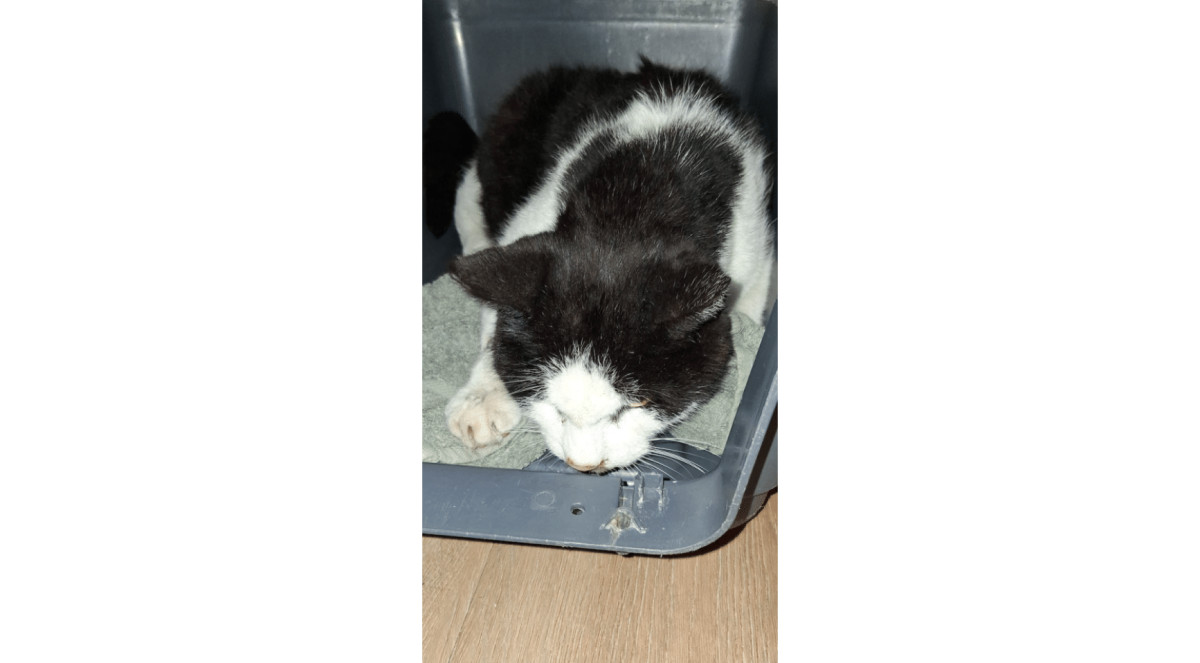
The doorbell rang, and with it came a cat-sized surprise 11 years in the making. When animal ambulance workers brought an elderly chipped cat to the address linked to his microchip, the people who opened the door realized they were looking at Max, a pet who had been missing for more than a decade.
A microchip, a dead phone number, and one very unexpected homecoming
The extraordinary reunion began when Dierenambulance Barneveld helped an elderly cat in Voorthuizen on Saturday. The cat had a microchip, which gave rescuers a place to start, but the phone number attached to the registration was no longer working.
Rather than stop there, the team went to the address in Barneveld listed on the chip. That decision turned an ordinary pickup into a story that has charmed plenty of cat people. The cat was Max, and the people connected to that address were his owners, who learned that the wanderer they had lost had somehow made it back into their lives.
The organization said it was able to track them down, and that the reunion came with two emotions at once. They were overjoyed, and also stunned, because Max had been gone for about 11 years.
The kind of cat mystery only Max could explain
Dierenambulance Barneveld described the return as a truly wonderful reunion, and it is easy to see why. A chipped cat made it home after more than a decade, carrying a missing chapter no human can fill in.
That unanswered stretch of time quickly caught people’s imagination online. In comments on the organization’s Facebook post, readers wondered where Max had been, what he had seen, and whether someone else might also be wondering where he went. One commenter summed up the irresistible mystery neatly by wishing Max could talk.
For now, the facts are simple and sweet. An elderly cat was found, his chip still pointed the way, and a family that had once lost Max got an ending few people would expect after 11 years.
How long lost cats find their way home
A cat can be identified years after going missing if it carries a working microchip and the contact details linked to that chip are current. A microchip is a tiny implant placed under the skin. It does not track location like a GPS device. It works only when a shelter, clinic, or rescue group scans it and reads the ID number, then checks that number against a registration database.
That is why a chip is only as useful as the information attached to it. If you move house, change your phone number, or hand a cat to a new owner, update the record. It also helps to ask a vet to scan the chip during routine visits, because chips can occasionally be hard to read or may not be found immediately if they shift slightly under the skin.
Why cats vanish, and why they may turn up much later
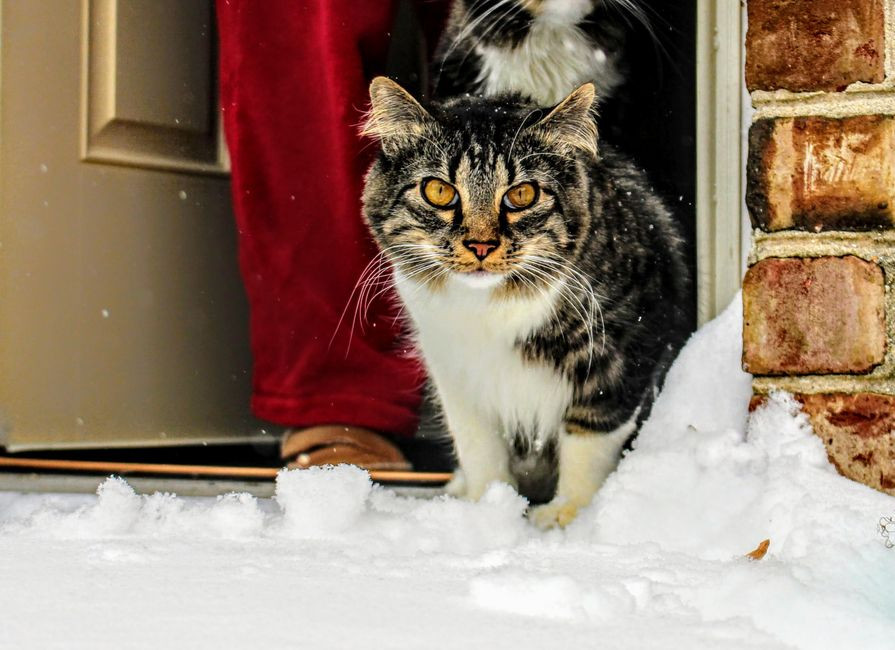
Missing cats do not all behave the same way. Some stay very close to home, hiding quietly in sheds, under decks, or in dense vegetation. Others travel farther, especially if they are used to roaming outdoors, are startled, or are accidentally shut into a vehicle or building.
Cats are good at surviving quietly. They may be fed by strangers who assume they are strays, join a colony of free roaming cats, or settle into a new routine. Older, shy, or injured cats can be especially easy to overlook because they tend to stay silent and concealed. That is one reason reunions can happen long after a cat disappeared.
What cat owners can do now
The most useful steps are simple. Microchip your cat, keep the registration current, and use a breakaway collar with an ID tag if your cat tolerates one. Keep clear, recent photos that show coat pattern, eye color, and any unusual markings.
If a cat goes missing, search nearby first. Look in small enclosed spaces, ask neighbors to check garages and sheds, and go out when it is quiet, such as early morning or evening. Bring a flashlight to catch eye shine in dark hiding spots. Contact local shelters and vets, and ask them to scan any found cat, even if it looks healthy and settled.
For indoor cats, prevention matters too. Check doors, windows, carriers, and screens. After house moves, building work, or parties, give cats a quiet closed room until the home settles down.
Share this article: