Big Tubby the Neighborhood Cat Has Viewers Convinced He Eats at Every House

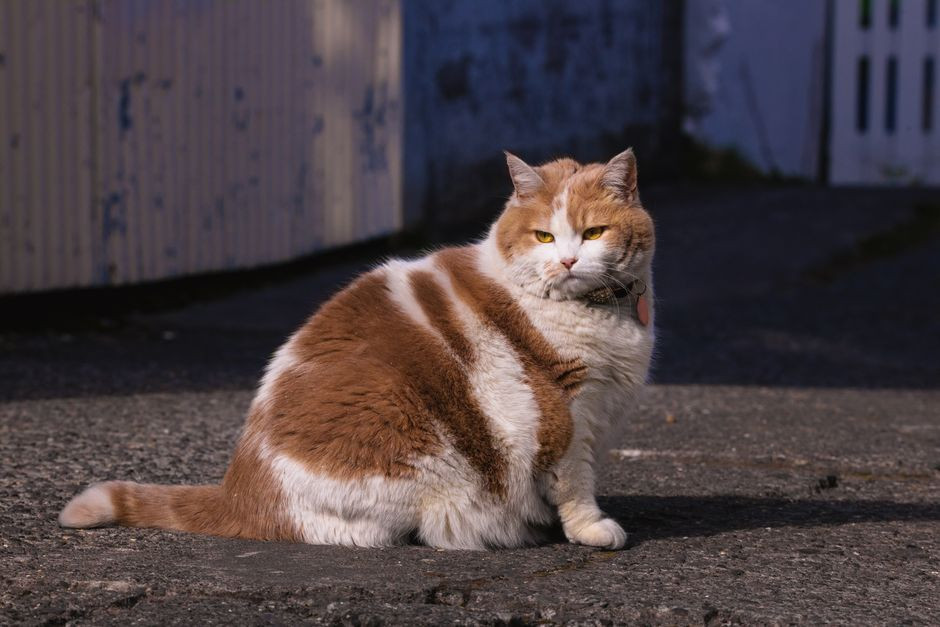
A chunky neighborhood cat called Big Tubby has become an online favorite after a video showed him making his way down the street with an unforgettable waddle. For cat people, the clip feels instantly familiar: he looks very much like the kind of outdoor regular an entire block quietly believes it is feeding.
A neighborhood regular goes viral
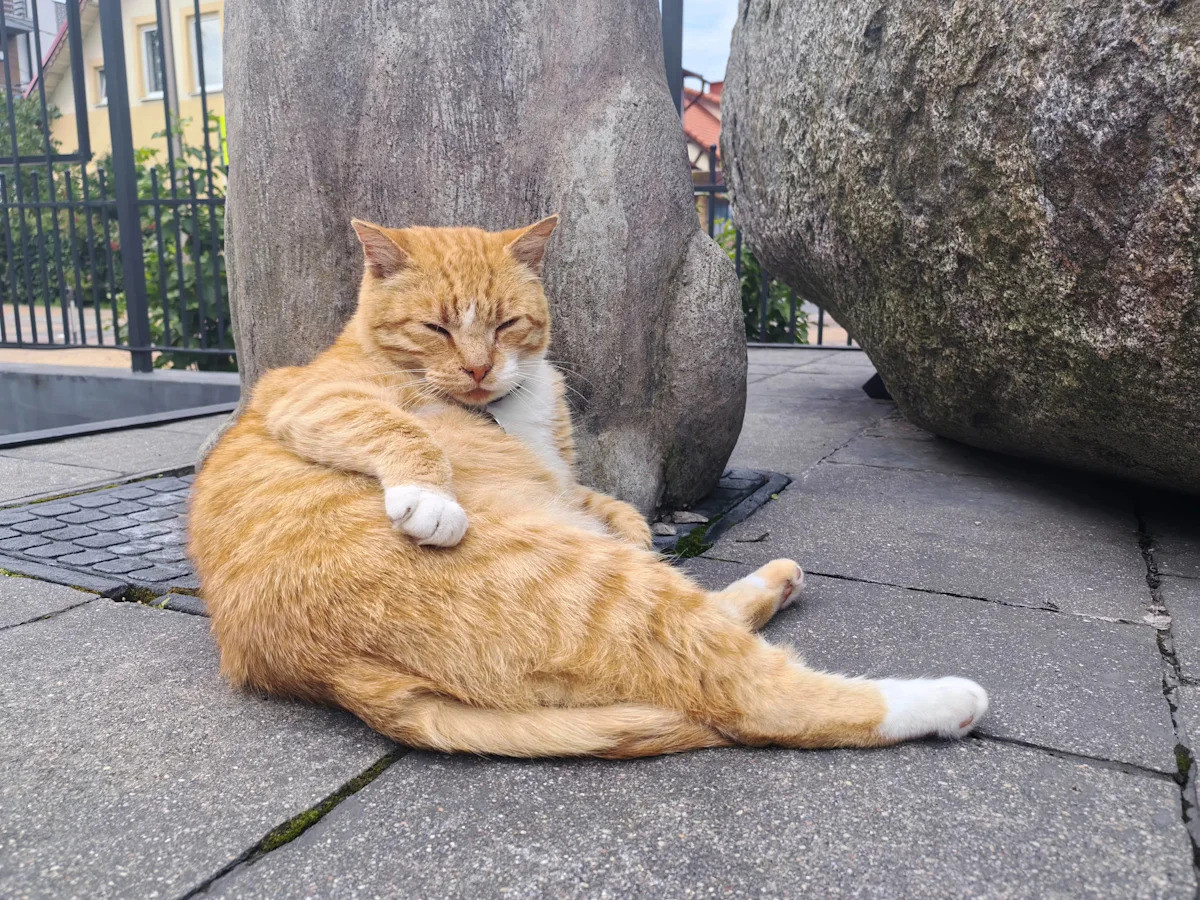
Big Tubby is the sort of cat who tells his own story the second he appears on screen. He does not glide along like a sleek stray. He waddles, and that one detail has helped turn a simple neighborhood sighting into a huge internet moment.
The video spread fast, drawing nearly 10 million views, more than 1 million likes and about 12,000 comments. A lot of the reaction centered on the same question: can a cat this well padded really be a stray at all?
People watching did not seem especially worried about him missing meals. If anything, they joked that Big Tubby looks like he has mastered the art of collecting them from every possible source.
Why so many viewers think he belongs to everyone
The running theory was simple. Either the neighbors are all feeding him, or Big Tubby has become very skilled at helping himself wherever food appears.
That idea only grew in the comments. Some viewers said he looked less like an abandoned cat and more like a local celebrity with a long list of homes on the same block. Others joked that somewhere in the neighborhood, one household may think it has him on a diet while plenty of other doors are still offering snacks.
One person behind a pet food brand even joined the fun by joking that Big Tubby had taken their lunch money. Another commenter teased that at least he was getting some exercise, since he was out for a walk. Someone else compared him to a cat heading off to a grandmother’s house for extra treats, and the person who shared the video replied that a neighbor had said much the same thing.
A cat story many neighborhoods recognize
Part of the charm here is how recognizable Big Tubby feels. Plenty of neighborhoods seem to have one outdoor cat everybody assumes is depending on them alone, only for it to become clear that the cat has several names, several admirers and several dinner plans.
Big Tubby appears to fit that mold perfectly. Viewers described him as confident, very large and completely in command of his route. The laughter around the video came from that shared understanding: some cats do not just live near a community, they know exactly how to work one.
Whatever his arrangement is, Big Tubby has clearly won people over. His waddle made them stop scrolling, and the idea that an entire neighborhood might be unknowingly teaming up to keep him so round made the clip even better.
Why some cats make the rounds
Many outdoor cats are excellent opportunists. A friendly cat may visit several homes for food, attention, shade, or a quiet porch. Some are true strays, some are owned pets with a wide roaming routine, and some are community cats who avoid close handling.
A cat that seems hungry is not always underfed. Cats often learn which doors open, who offers treats, and where mealtimes happen. That can make one cat look much larger, or much busier, than any one household realizes.
How to tell whether a cat belongs to someone
Start with simple clues. A clean coat, relaxed behavior around people, and a confident route from yard to yard can suggest the cat is used to regular care. A collar can help, but many owned cats wear none.
If you are unsure, take a clear photo and ask nearby neighbors first. A paper collar with a polite note can also work if the cat tolerates it. A vet, shelter, or rescue can usually check for a microchip.
What to do before you feed
If a cat keeps visiting, offer water first. Food can reinforce the habit, so decide whether you want regular visits before starting. If you do feed, keep portions modest, avoid rich human food, and do not give medicine without veterinary advice.
If the cat seems thin, injured, matted, or unusually sleepy, contact a vet, shelter, or rescue. Consistent communication with neighbors helps prevent accidental overfeeding and makes it easier to spot when a familiar cat truly needs help.
Share this article: