
Orange Cat Brought Down Safely After Tree Rescue in Collier County

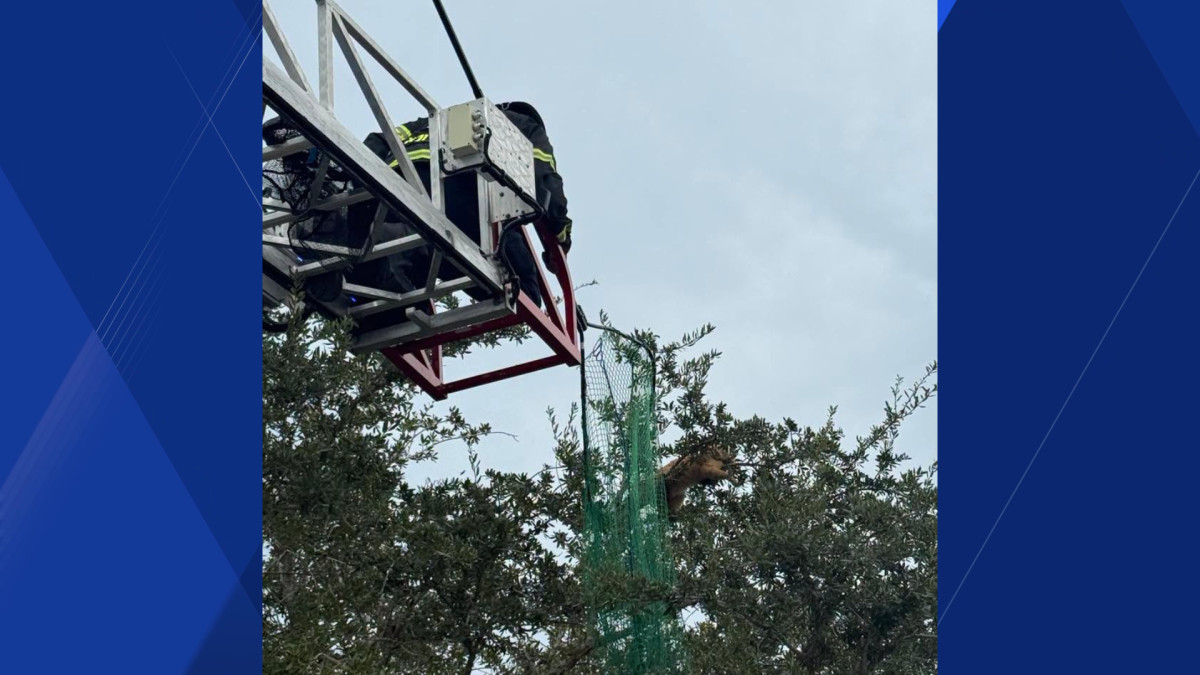
An orange cat that ended up stuck in a tree behind a medical facility in Collier County made it back to the ground with help from local responders. Fire crews used a ladder to reach the animal and bring it down safely.
The rescue centered on a tree behind a medical facility, where the orange cat was unable to get down on its own. Responders reached the scene and handled the call with straightforward coordination.
According to the Greater Naples Fire Rescue District, firefighters were dispatched to assist Domestic Animal Services. Crews then used a ladder to reach the cat and return it to safety.
Who responded
The scene included more than one agency. Along with Greater Naples Fire Rescue and Domestic Animal Services, the Collier County Sheriff's Office was also there.
In the end, the outcome was simple and welcome: the cat was brought down safely. For anyone who has ever looked up at a stranded pet and hoped for a calm ending, this Collier County call delivered exactly that.
Why cats end up in trees
Cats are built to climb. Their claws grip bark well on the way up, and a startled cat may keep climbing until it feels far enough from a dog, loud noise, or unfamiliar person. The problem is coming down. Cats descend best when they can back down slowly, but fear, fatigue, wet bark, or a narrow branch can make that hard.
A cat in a tree is not always in immediate danger, but it should be watched closely. Signs that the situation is becoming urgent include open mouth breathing, heavy panting, visible weakness, crying that does not stop, bad weather, darkness, or a perch that looks unstable. Kittens, older cats, and cats with known health problems may need help sooner.
How a safe rescue usually works
The first goal is to keep the cat from becoming more frightened. Crowding the base of the tree, shaking branches, spraying water, or climbing after the cat without proper gear can push it higher or cause a fall. Keep children and pets back. Reduce noise. If the cat knows you, try a calm voice and place a familiar carrier, blanket, or strong smelling food nearby.
If the cat does not come down on its own, contact local animal services, a veterinarian for advice, or a trained tree or ladder professional who is comfortable handling animals. The safest rescues usually rely on patience, controlled access, and a secure way to contain the cat once it is within reach, such as a towel or carrier. Anyone attempting a rescue should protect both the animal and themselves from bites, scratches, and falls.

What to do after the cat is down
Even a cat that looks fine may need a quiet recovery period indoors. Offer water, a litter box, and a dim, calm room. Check for limping, bleeding, broken nails, labored breathing, or unusual hiding. A veterinary check is wise if the cat fell, was stranded for a long time, or seems sore or disoriented.
To prevent a repeat, make outdoor time more controlled. Some cats do better with a secure enclosure, a harness and leash, or supervised yard time. Microchip registration and a collar with an ID tag improve the chances of a quick reunion if the cat bolts again. Teaching a reliable recall cue with treats can also help in stressful moments.
Share this article:





