
Maryland bus driver fired after student rescued injured kitten draws petition and PETA support

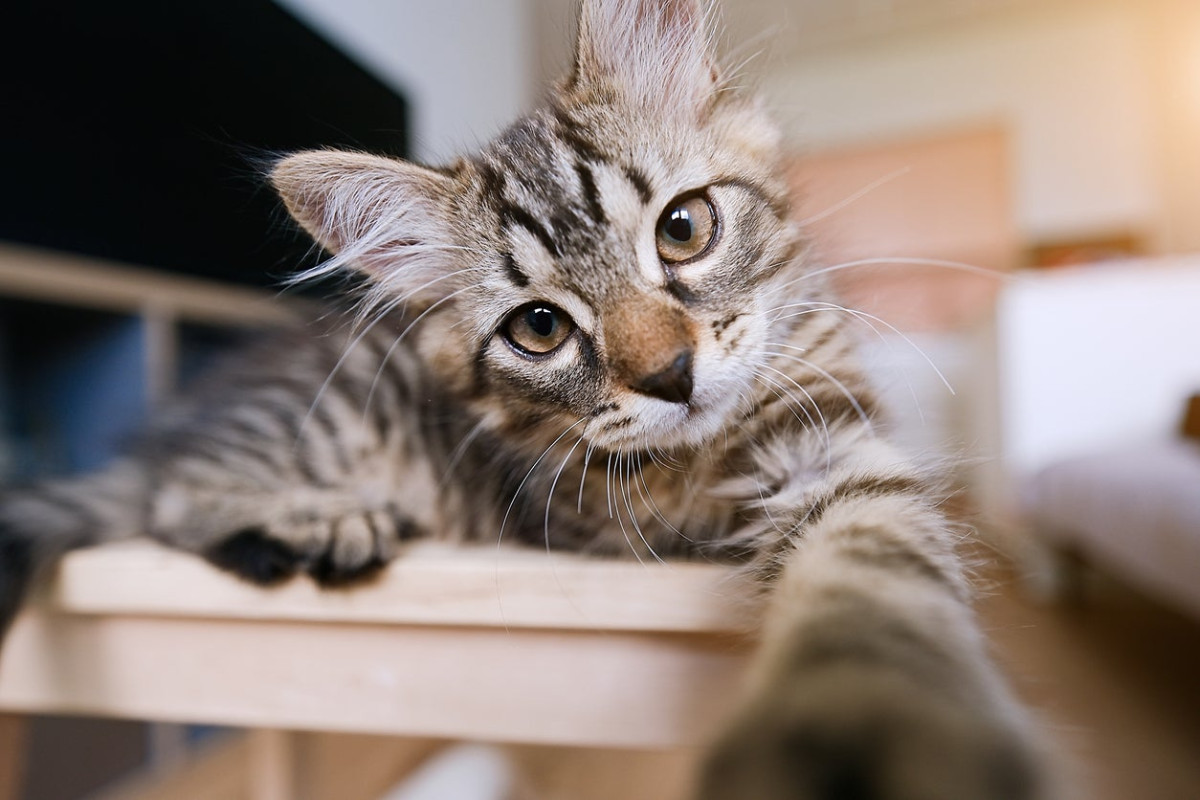
The moment that set this whole story in motion was tiny, furry and impossible for cat people to ignore. A 10-year-old saw an injured kitten by a rural Maryland road, his bus driver stopped, and that split-second act of mercy has turned into a much larger fight over safety, kindness and what schools should reward.
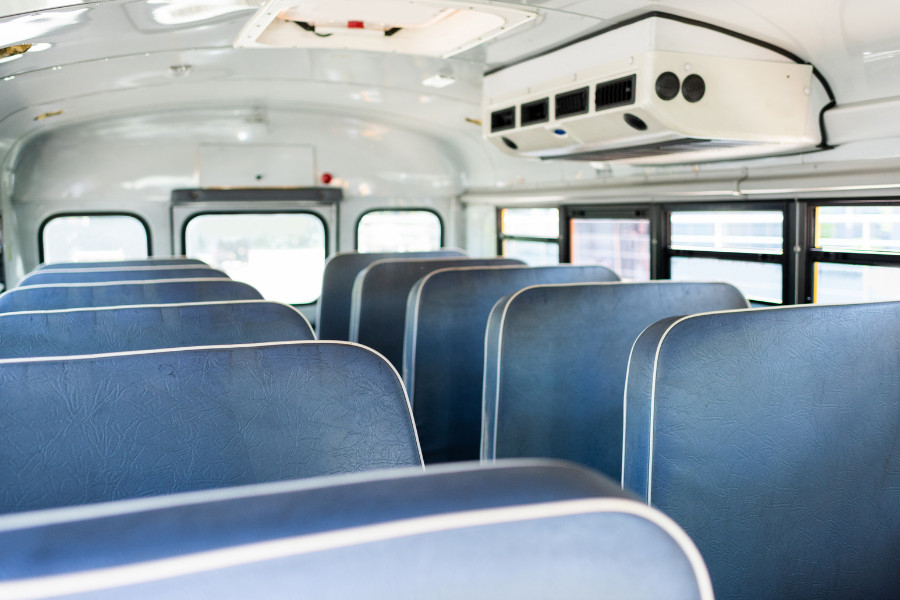
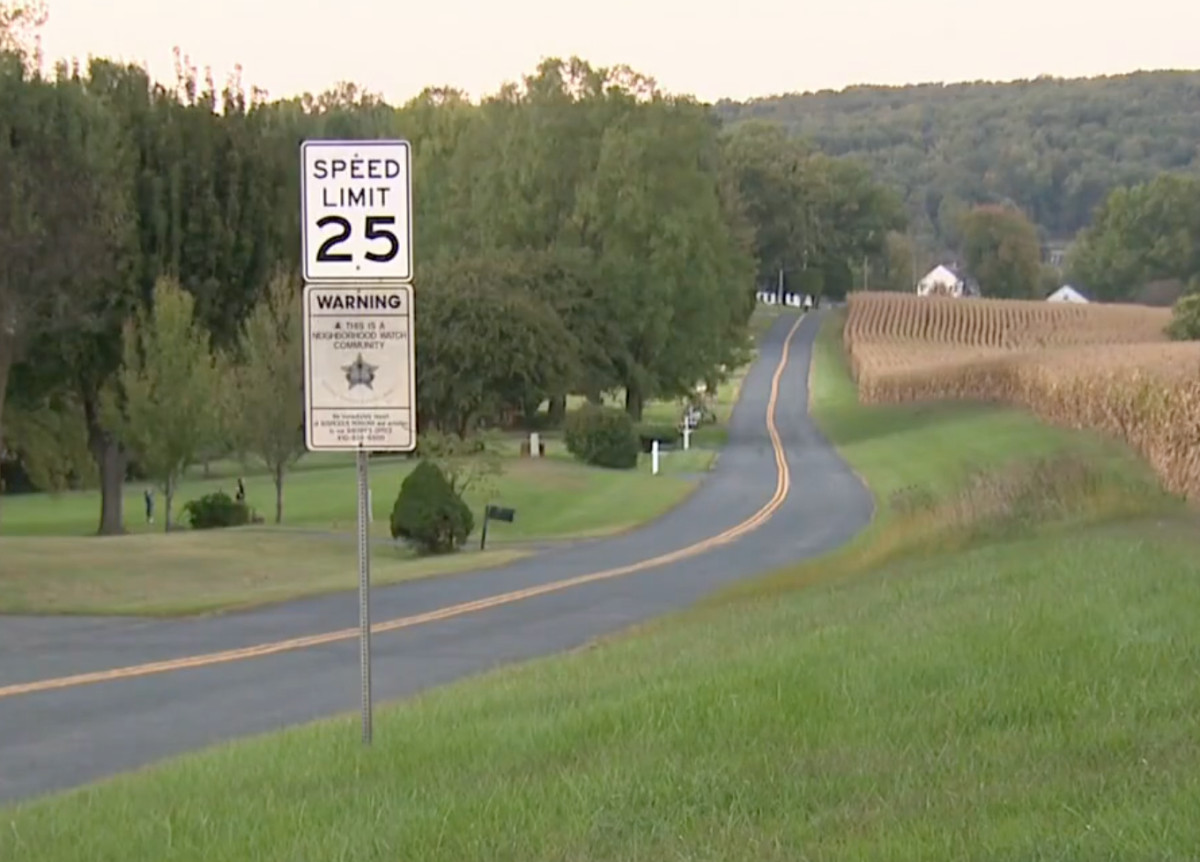
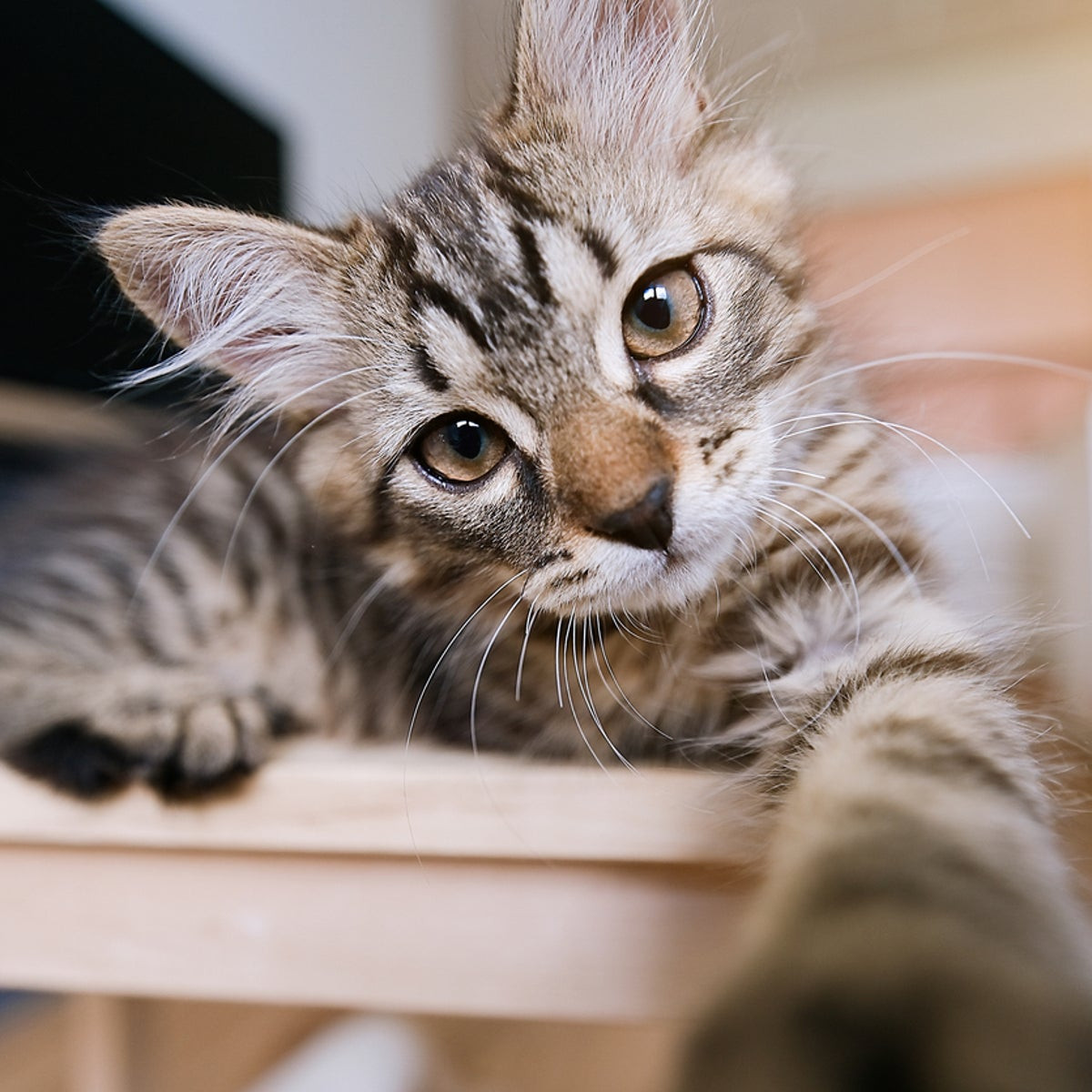
Cynthia Morgan, 67, had been driving in Pylesville for Harford County Public Schools for 11 years when the incident happened on Heaps School Road. There was only one student on the bus, 10-year-old Alex Thomas. He spotted an injured kitten at the side of the road, and Morgan stopped the bus so he could get the animal.
After Alex was dropped off at North Harford Elementary School, Morgan kept the kitten with her. That part of the story is simple enough to fit in a sentence. The fallout was not. Morgan lost her position last week after letting the child leave the bus to retrieve the cat.
For anyone whose heart automatically lurches at the words injured kitten, the emotional logic is easy to understand. The central question raised by the case is not whether the animal needed help, but whether a school bus driver should lose her job for allowing a student to give that help on a quiet rural road.
Support gathers around the driver
Morgan's firing has prompted a growing push to get her back behind the wheel. PETA has urged the Harford County Board of Education to reverse the decision, arguing that schools regularly say they want students to become caring and engaged citizens, and that it sends a strange lesson to punish the adult who let a child act on those values.
The group also pressed a broader point. In its view, concern for student safety and compassion for an animal in need should not be treated as opposites. PETA's senior vice president, Colleen O'Brien, said a child who stops to help a kitten in danger is showing exactly the kind of empathy and respect schools should be encouraging, not penalizing.
Support has also taken a measurable form online. A Change.org petition calling for Morgan's reinstatement had collected more than 10,200 signatures by Wednesday, up from 9,000 on Tuesday, according to PETA.
Parents defend her, while acknowledging the risk
Morgan's supporters are not describing her as someone careless with children. Parents have said she routinely goes beyond the basics of the job, buying school supplies, holiday gifts and birthday cards for children on her route with her own money.
One parent, Carolyn Kalambihis, described Morgan as exceptionally caring and said the stop happened on a quiet rural road with very little traffic. She added that she did not believe Morgan would have let a child off the bus in a busier place.
At the same time, Kalambihis did not dismiss the safety issue. She said there was no question the decision raised a legitimate concern and called it a mistake. Her argument was not that the stop was perfect procedure, but that it should not have cost Morgan her job.
That tension is what gives the story its grip. It is both a kitten rescue tale and a debate about rules, judgment and whether a single bad call should outweigh years of service.
What officials say now
Morgan worked for an independent transportation contractor rather than directly for the school district. Even so, Harford County Public Schools is responsible for certifying drivers who transport its students.
The district has said that decisions about certifying or decertifying drivers are not always based on one issue alone and can involve multiple circumstances and requirements. It also said student safety remains its top priority and that certification decisions are made with that responsibility in mind.
For now, the case stands as one of those very modern local stories that grows far beyond the roadside where it began. An injured kitten, one child, one stop on Heaps School Road and one veteran driver have become the center of a much wider argument about what communities expect from the adults entrusted with children, and how much room there is for compassion when a small animal is in trouble.
If you find an injured kitten
The first priorities are warmth, quiet and safe handling. Kittens chill quickly, and cold stress can be as dangerous as the original injury. Use a towel or shirt to scoop the kitten up, support the whole body, and place it in a small box or carrier lined with soft fabric. Keep the container partly covered to reduce fear.
Do not offer cow's milk, force water, or give human pain medicine. Many common medicines are dangerous for cats, especially very young ones. If there is bleeding, apply gentle pressure with a clean cloth. If a limb looks broken, avoid trying to straighten it. The most useful next step is prompt advice from a veterinarian, animal shelter, rescue group, or local animal services.
Know when to watch, and when to intervene
Not every lone kitten is abandoned. Mother cats often leave briefly to find food or avoid drawing attention to the nest. A clean, warm, quiet kitten may be waiting for its mother. An injured kitten, a kitten covered in flies, one that feels cold, cries constantly, or cannot stand usually needs help right away.
If the area is safe, a short watch from a distance can help you tell whether an adult cat returns. If the kitten is beside traffic, in extreme weather, or visibly hurt, move it to safety first. If you can, note exactly where it was found. That can help reunite healthy littermates with their mother or help rescuers search the area.
Useful rescue etiquette
Good intentions matter, but calm coordination matters too. If you are responsible for children, passengers, or a workplace duty, there may be safety rules about stopping, transporting animals, or leaving a route. The practical move is usually to alert the proper supervisor and ask for the fastest safe handoff.
For any rescue, take photos, note the location, and ask what intake options are available before showing up somewhere unannounced. If you keep the kitten overnight, use a separate room away from pets, wash your hands after handling, and expect a health check for dehydration, parasites and eye infections. Fast, simple steps can make a big difference.
Share this article:





