
Workers Saved a Mud-Caked Puppy, Then a Bath Revealed Muddsey Was Something Else Entirely

Muddsey's rescue started with what looked like a puppy in terrible trouble. By the time the mud was washed away, the tiny survivor had turned into a very different kind of animal story.
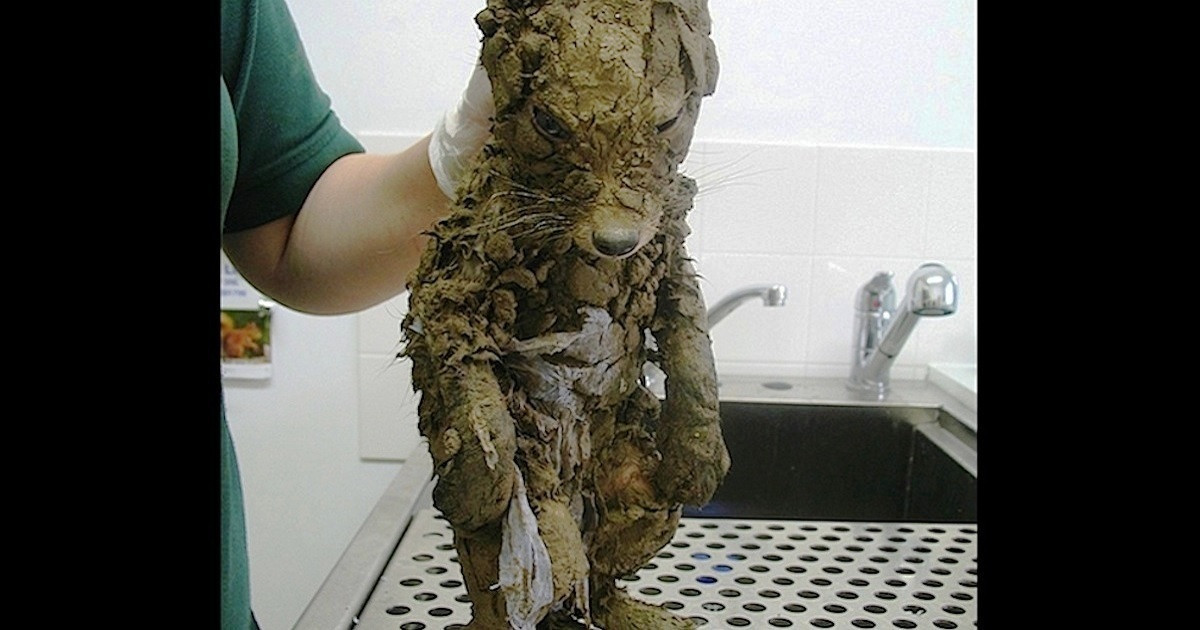
Muddsey was first spotted as a faint movement in a deep, muddy hole at an urban construction site. Workers noticed something sluggish in the pit, took a closer look, and realized a small animal was struggling to stay afloat in the filthy muck.
What they believed they had found was a tiny puppy in extreme danger. The workers gathered around, pulled the little creature out as quickly as they could, and got him to South Essex Wildlife Hospital for help.
At that point, there was no easy way to tell much about him. He was so heavily coated in dried mud that his actual features were hidden. In the clip below, the rescue's unusual turn is part of what makes it so memorable.
The urgency was obvious. This was not a case of an animal that simply needed a quick wipe-down and a checkup. The young survivor had been in a deep hole, covered in muck, and in bad enough shape that the workers' decision to act immediately may have made all the difference.
The bath that changed the whole story
When he arrived at the wildlife hospital, the little animal looked pitiful. Mud covered him all over, and bits of plastic were hanging from his stomach. Beneath that heavy layer of dirt, the staff still believed they were treating a frightened young dog.
Then came the wash.
As warm water loosened and rinsed away the caked-on mud, the staff realized the patient in front of them was not a puppy at all. Hidden under all that dirt was a fox cub.
The surprise did not change what mattered most. He still needed careful help, and plenty of it. Staff spent a long time soaking and scrubbing the young fox, who was identified as about 4 months old. Once that lengthy cleaning was over, he began to come around from the shock and was finally able to move freely again.
That reveal gives the rescue its twist, but the harder truth is that the cub had been in serious trouble either way. Whether he had first been mistaken for a dog or correctly identified from the start, the outcome depended on people seeing a small life in distress and refusing to leave it there.
How Muddsey got his name
After such a muddy introduction, the fox cub was given a fitting name: Muddsey. It is a lighthearted detail in a story that could have ended very differently.
The account of his condition suggests just how severe the situation may have been. Based on the state he was in, it has been suggested that he might have been trapped in the muddy hole for an entire weekend. That possibility makes the workers' attention even more important. They did not pass by when they saw movement. They stopped, checked, and pulled him out.
The latest update was encouraging. Muddsey was reported to be doing well after the rescue and the long cleanup that followed.
For dog lovers, this one lands with an especially sweet kind of irony. What began as a desperate effort to save a mud-caked puppy turned out to be a lifesaving rescue for a wild fox cub instead. The first impression was wrong, but the instinct to help was exactly right.
And that is the part worth holding onto. A tiny animal nearly disappeared under mud and trash in a construction-site hole. Someone noticed. Someone acted. Muddsey made it to expert care, got the wash he needed, and emerged as himself at last.
Why a "puppy" may not be a puppy
Very young wild canids can look a lot like domestic dogs, especially when they are wet, muddy, underfed, or covered in debris. Foxes, coyotes, jackals, dingoes, and some mixed feral dogs can share puppy like features such as soft coats, floppy movement, large ears, and round faces. Mud can hide important clues, including muzzle shape, leg length, tail shape, paw size, and coat pattern.
Behavior can also mislead. A frightened wild youngster may freeze, huddle, whine, or allow people to approach when it is cold or exhausted. That does not mean it is tame. Once warm and cleaned up, an animal may look and act very differently.
A good rule is simple: if you are not certain an animal is a domestic dog, treat it as wildlife until a trained expert says otherwise.
What to do if you find a young animal
Start with distance and observation. Many young wild animals are not truly abandoned. A parent may be nearby, waiting for people to leave. If the animal is in immediate danger from traffic, machinery, deep mud, or water, move it only as far as needed to make it safe.
Wear gloves if you have them. Use a towel or box rather than bare hands. Keep children and pets away. Do not offer cow's milk, random pet food, or human medicine. Feeding the wrong thing can make a weak animal worse, and handling can increase stress.
The most practical next step is to contact a local wildlife rehabilitator, animal control service, or veterinarian for identification advice. Photos taken from a safe distance can help. Fast expert advice matters because domestic dogs, wild canids, and other young mammals often need very different care.
Bathing, warmth, and safe temporary care
People often want to wash mud off right away, but a full bath is not always the first priority. A chilled animal usually needs gentle warmth and a quiet container before cleaning. Too much water, rough scrubbing, or strong shampoo can worsen shock or strip oils from the coat.
If washing is necessary to remove heavy mud or something sticky, use lukewarm water, keep the head clear, and dry the animal thoroughly afterward. Avoid flea treatments or medicated products unless a veterinarian advises them.
Whether it turns out to be a dog or wildlife, temporary care should be simple: warmth, darkness, quiet, and as little handling as possible until a professional can assess it.
Share this article:





